
Many people neglect common vegetables, unaware of the beneficial micronutrients they contain. This applies to the well-known, affordable, and spicy radish. This root vegetable has a wide range of healing properties. The greatest benefit is achieved when eaten raw. Before using it, it is recommended to familiarize yourself with the beneficial properties and contraindications of white radish.
General information
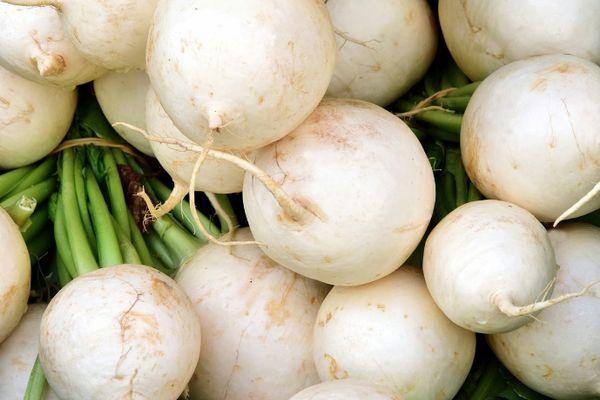
In the CIS countries, the white root vegetable is the most popular. This variety is believed to have been artificially bred by crossing field and cultivated radishes. This vegetable contains a large dose of vitamins necessary for the proper functioning of the human body. One of the plant's advantages is its low calorie content and affordability. Those wishing to lose weight consume it in unlimited quantities.
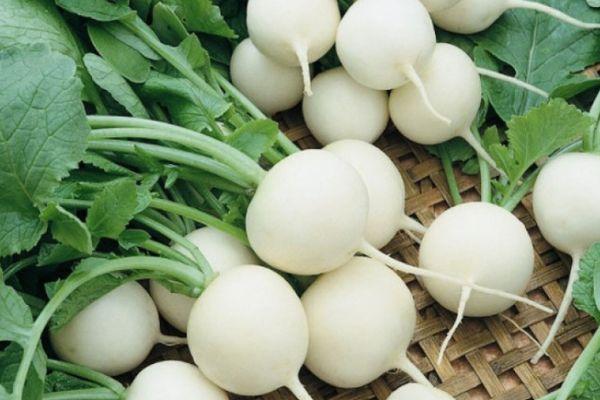
100 grams contain 20 kilocalories. Other varieties contain significantly more. White radish is also virtually fat-free and high in carbohydrates and protein. It's rich in fiber, which isn't digested by the body but helps promote intestinal function. It can also improve vision after prolonged periods of strain.
Composition of the healing root vegetable:
- nicotinic and ascorbic acid;
- B vitamins - folic and pantothenic acids, riboflavin, pyridoxine, thiamine;
- fat-soluble vitamins - retinol A, tocopherol E.
These micronutrients accelerate biochemical processes in the body. Radish also contains a wealth of calcium, potassium, magnesium, phosphorus, and sodium. These nutrients help improve the health of older people and gradually replenish vitamin deficiencies.
Beneficial properties
Most people don't realize the health benefits of the humble radish. This healing root vegetable is used in cooking, treating illnesses, and improving health. It contains phytoncides, which stimulate the body's defenses. The bitter taste is caused by these substances.
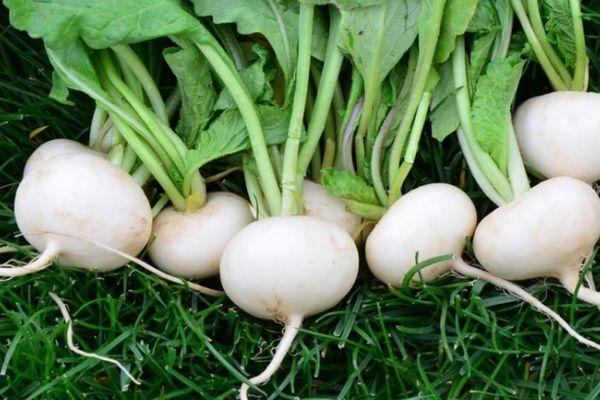
What are the health benefits of white radish?
- The product is effective in preventive measures to prevent respiratory diseases during epidemics.
- For men, the root vegetable is suitable for the treatment of prostatitis.
- Its rich chemical composition makes it possible to use it for cosmetic purposes.
- The juice of the vegetable is widely used to remove age spots.
- The medicinal properties of radish are effective for rejuvenation purposes. People over 35 use it to smooth wrinkles, improve circulation, and tighten skin. This is a major benefit for women.
- When consuming vegetables, the body quickly recovers from depression, colds, and severe infectious diseases.
- As a folk remedy, it is used to treat gallstones and urinary tract disorders. Tinctures of radish and bee nectar are used.
- White radish juice helps relieve joint and bone pathologies.
- The vegetable has a healing effect on ulcers and minor abrasions.
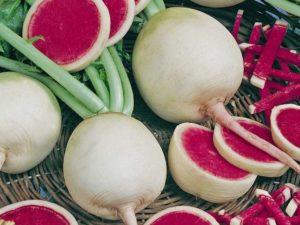
Due to the high content of ascorbic acid and essential oils, radish promotes the evacuation of urine and cleanses the kidneys.
Features of use
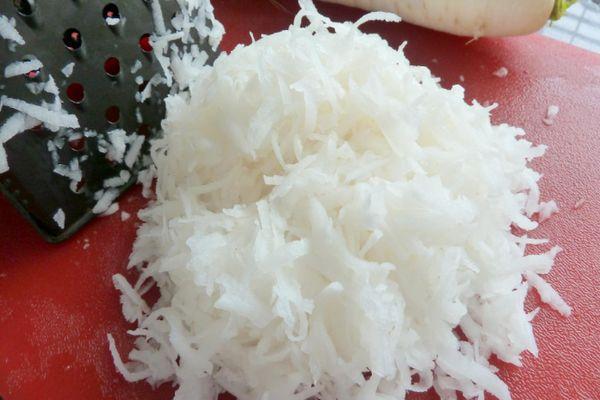
The vegetable can be used for health benefits both internally and externally, consumed raw or cooked. For joint and bone conditions, compresses are used. The root vegetable is grated and applied to the affected area. The compress is covered with a warm towel, optionally with cling film. Such treatments are extremely beneficial for health.
During pregnancy
Pregnant women can consume the root vegetable, but with caution. It contains biotin, which is involved in the production of new cells. The product's components stimulate uterine activity. Because of these properties, excessive consumption of the vegetable may increase the risk of miscarriage. In any case, it is necessary to consult a doctor.
When breastfeeding
During breastfeeding, consuming radish is not only possible but also necessary. All its active components are passed on to the baby through milk. Many mothers give radish to their infants in small doses as their first complementary food. Whether this is appropriate or not depends on the baby's health. A doctor's consultation is necessary; they will assess the baby's condition and provide the answer.
When losing weight
Thanks to this dietary product, you can not only saturate your body with vitamins but also lose weight. It's possible to eat radishes while dieting; they're inexpensive and versatile. There are many recipes based on them to suit every taste. However, it's not recommended to rely solely on radishes; they're low in protein and don't provide a complete energy boost.
For diabetes mellitus
It's common to eat not only the root vegetable but also its tops. This is a major benefit for people with diabetes. The tops improve digestion, have an antibacterial effect, stimulate normal heart function, and remove cholesterol from capillaries. Diabetics are recommended to eat the fruits of the vegetable. The tops are added to liquid dishes, salads, and used as a green in hot or cold dishes.
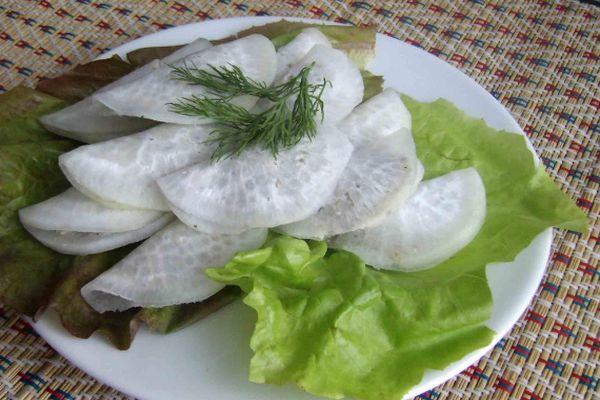
Application
There are a number of rules that will help you get the maximum benefit from radish, regardless of the purpose of its use.
- The product can be eaten fresh. For variety, it can be used in salads or baked.
- If treatment is carried out with root juice, it is taken, regardless of the recipe and pathology, before and after meals.
- Radish is considered an aggressive plant, despite its medicinal properties, it has many contraindications.
- Before introducing vegetables into your regular diet, you should consult a doctor.
Important! The daily dose is no more than 200 grams.
In folk medicine
Black radish is more commonly used in alternative medicine, but the white variety is equally potent in its medicinal properties. It is particularly effective for respiratory conditions.
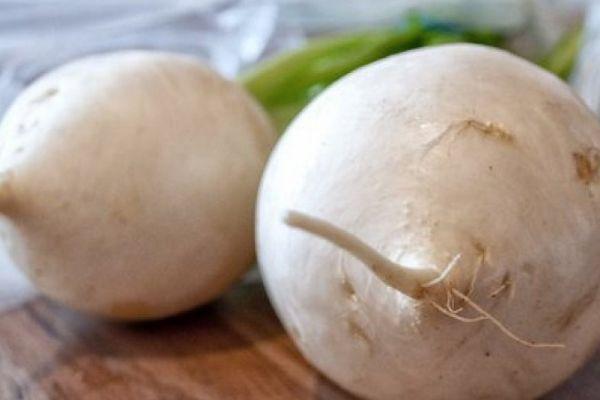
Popular recipes for fighting colds.
- Radish with bee nectar for coughs. Grate the radish until smooth. Add honey, sea buckthorn, milk, and raspberries. This remedy is effective for chronic coughs and the clinical manifestations of bronchitis. Take 1 tablespoon 2-3 times daily, or divide into 2 doses of 1 dessert spoon each. Treatment lasts 7-10 days.
- With beetroot juice. This remedy is excellent for children. To prepare, peel the beetroot and cut off the top. Use a knife to remove half the pulp. Fill the hole with flower or linden honey. Refrigerate the beetroot for 3-5 hours. During this time, juice should be released, which is drunk 4-5 times a day, one dessert spoon at a time. The treatment course lasts on average one week.
- A carrot and white radish salad improves vision and provides powerful protection against colds. This dish is ideal for those who regularly work on a computer or with documents.
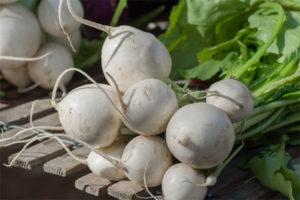
Traditional medicine uses radishes to combat gastrointestinal disorders. The root vegetable improves intestinal peristalsis and stimulates digestive function. Stomach ailments can be treated by eating 50 grams of the vegetable, raw or baked, once a day. Avoid overindulging in radishes, as excessive consumption can cause intestinal irritation, which is especially dangerous for those with gastrointestinal disorders.
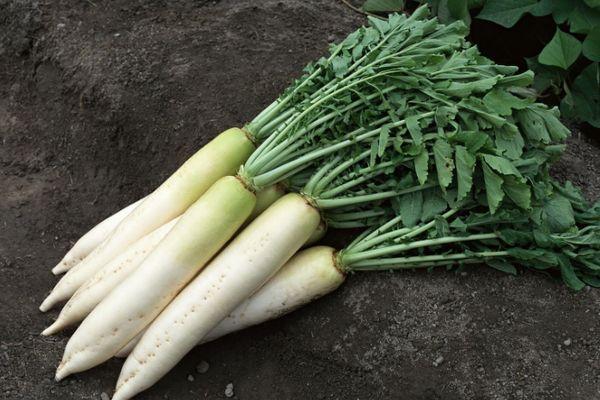
In cosmetology
For cosmetic purposes, masks made from the root vegetable are used to remove freckles, reduce inflammation, and brighten the skin. When fresh juice is mixed in equal parts with nettle infusion, the mixture activates dormant hair follicles. This recipe is effective for stimulating the growth of thick hair. Lotions made from this vegetable, mixed with infusions of various herbs, have a nourishing, refreshing, and toning effect on the skin.
Popular facial recipes.
- Nourishing mask. Chop a peeled white radish and squeeze the juice through cheesecloth. Mix the mixture with sour cream and half a teaspoon of bee nectar. Apply part of the mixture to your face and leave for 5 minutes. Then apply the remaining mixture and leave for 10 minutes. Rinse the mask with warm water, dry your face, and apply cream.
- A moisturizing mask. Combine equal parts of the crushed pulp with sour cream or olive oil. Apply to the face and leave on for 10 minutes. Rinse and pat dry.
- Oils for oily skin. Take 1 tablespoon of grated radish and add it to a pre-whipped egg white. Apply to your face and leave for 25 minutes. Then rinse with warm water.
These recipes are not only highly effective but also affordable. Thinning masks are just as effective as salon treatments.
In dietetics
Weight loss specialists recommend white radish for weight loss. The root vegetable detoxifies and improves metabolism. It can be consumed in unlimited quantities during a diet, but it's important to consult a doctor beforehand to rule out any contraindications.
In cooking
Radishes are used in a wide variety of dishes, including salads, appetizers, cold dishes, and side dishes for meat or fish. Mixing them with other vegetables can help prevent colds during respiratory illness outbreaks. These dishes boost the body's immune system. Preparing this root vegetable is simple and quick.
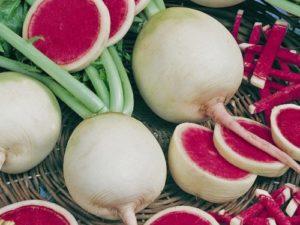
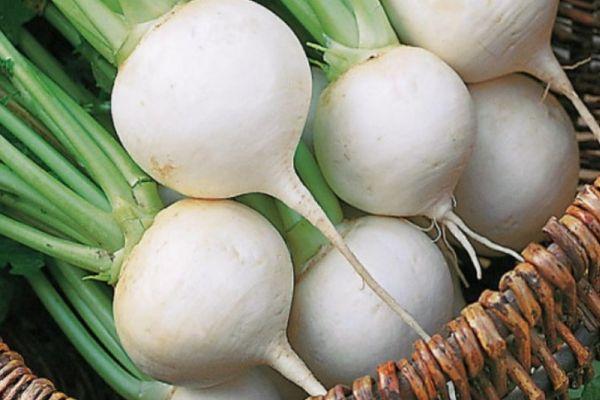
Recipes for delicious dishes based on this healing fruit.
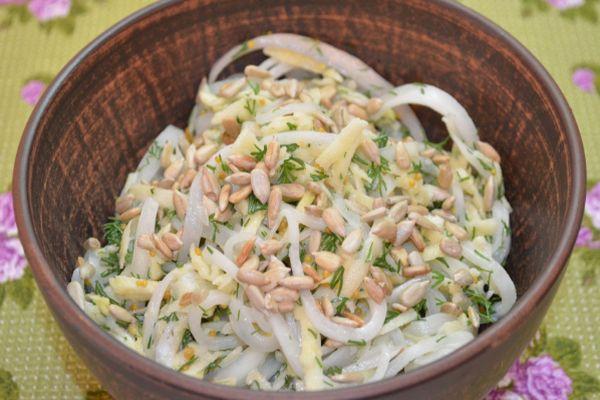
- Radish and apple salad. To prepare, take 200 grams of each main ingredient, 50 milliliters of sunflower oil, and sugar. Wash and peel the radishes, and soak them in cool water for 15 minutes to remove excess bitterness. Coarsely grate the peeled apple and radish, add 1 dessert spoon of sugar to taste, and season with oil.
- Cucumber and radish salad. Gather 300 grams of cucumber, 100 grams of fresh cucumbers, 50 milliliters of vegetable oil, 100 grams of green onions, dill, and salt. Peel and grate the radish. Add the julienned cucumbers and chopped onion. Dress the mixture with sunflower oil, season with salt, and toss. Garnish with dill.
- Bread Salad. To make it, take 3-4 slices of rye bread, 2 dessert spoons of okroshka kvass, green onions, vegetable oil, and salt. Peel the bread and cut the crumb into cubes. Place in a frying pan, season with salt, and fry. Grate the vegetables, season with kvass, toss with green onions, and place in a saucepan. Arrange bread cubes around the salad for garnish.
Doctors believe that dishes made from this vegetable give energy, relieve stress, and calm.
Contraindications and harm
Eating radish isn't beneficial for everyone. In some cases, the root vegetable can be harmful, specifically:
- irritable bowel syndrome;
- increased risk of ulcers;
- provokes inflammation in the gastrointestinal tract;
- reduces protective functions.
It is better not to eat this vegetable if you have intestinal problems or chronic gastrointestinal pathologies.
There are a number of contraindications:
- gastric pathologies;
- cardiovascular dysfunctions;
- perinatal period - the composition contains aromatic oils that contribute to the disruption of uterine tone, provoking miscarriage or premature labor;
- kidney problems.
People prone to allergic reactions should avoid this root vegetable, as it is highly allergenic.
Related posts:
 The health benefits and contraindications of black radish
 The health benefits and contraindications of green Margilan radish
 Descriptions and names of varieties and the best types of radish, planting and care
 Is it possible to plant carrots in July or at the end of June? What are the best days and care instructions?
 Why potatoes aren't growing well in the garden, and what to do to ensure a bountiful harvest
 The benefits and harms of Daikon radish for the human body, medicinal properties and contraindications
 The health benefits and contraindications of black currants
 The best eggplant varieties for growing in a polycarbonate greenhouse: planting and care