
- General information about the plant
- The best varieties
- Specifics of crop cultivation
- Sowing
- Growing seedlings
- What time to plant
- Autumn sowing
- Spring
- Summer
- Suitable soil
- Picking
- What can be planted nearby?
- Recommendations for caring for turnips
- Thinning
- Loosening
- How to water properly
- Necessary fertilizers
- Protecting turnips from diseases and pests
- White rot
- Powdery mildew
- Blackleg
- Cabbage butterfly
- Wireworm
- The cutworm
- Cruciferous fleas
- Features of turnip cultivation in the regions
- In Siberia and the Urals
- In central Russia, including the Moscow region
- Harvesting and proper storage
- Potential problems when growing
Turnips are a common root vegetable and are widely planted by gardeners in their summer cottages. Growing and caring for turnips in open ground isn't particularly difficult, but to ensure a good harvest, it's important to consider the specific characteristics of the crop.
General information about the plant
The turnip root is a fleshy root vegetable containing irregularly spherical seeds. The stem is tall and bears abundant foliage. In the first year of development, only the fruit and a rosette of basal leaves grow, and later a leafy stem with flowers is formed.Turnips ripen in 45 to 100 days, depending on the specific variety.
The best varieties
When choosing a variety to plant in your garden, it's worth familiarizing yourself with the list of popular varieties often planted by experienced gardeners. The following varieties are in demand:
Snow White. The white roots are suitable for fresh consumption. The leaves are used in salads. Turnips weigh up to 90 g. This turnip variety can be sown from early spring until July.
- A Child's Dream. A mid-season variety producing yellow fruits weighing up to 200g. Its main advantages are its frost resistance and versatility in cooking.
- Luna. The fruit has a thin skin and ripens in 75-80 days. Characteristic features of the Luna variety include a round shape, long shelf life, and the ability to be eaten fresh.

Specifics of crop cultivation
Growing turnips requires taking into account standard agricultural practices and the nuances unique to this crop. To ensure sweet turnips are harvested on schedule, it's essential to consistently follow all recommendations.
Sowing
The simplest method is to sow turnip seeds. To do this, follow these steps: immerse the seed in a salt solution, maintaining a ratio of 5 g of salt per 100 ml of water. After mixing, the good seeds will sink to the bottom, while the bad ones will float to the surface.
- After calibration, the selected seeds must be disinfected to reduce the risk of disease. To do this, the seeds are placed in a cloth bag and soaked for 20 minutes in a 2% potassium permanganate solution.
- Disinfected turnip seeds are thoroughly washed with water and soaked in water for a couple of days to swell, changing the water twice a day.
- The swollen seeds should be sown evenly in a prepared bed and covered with a layer of soil.

Growing seedlings
The process of preparing seeds for seedlings is similar to that for planting in the ground. Treated seeds are planted in a special container and kept at a temperature of 5 to 15 degrees Celsius. A suitable location for seedlings is a glazed balcony or an unheated veranda.
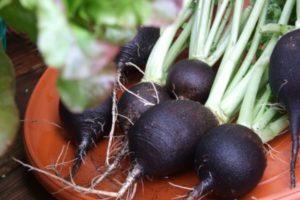
When the seedlings begin to open their cotyledons, thinning out the seedlings and removing weak specimens is necessary to prevent them from absorbing nutrients. Before transplanting, the seedlings are cared for in the standard manner—watering, fertilizing, and loosening the soil. Two weeks before transplanting, the seedlings are gradually hardened off by placing them outdoors and gradually increasing the length of time they remain in the new conditions.
What time to plant
The timing of turnip planting in open ground depends on climate conditions, variety, and growing purposes. The crop can be planted in different seasons.

Autumn sowing
Planting root crops in the fall for the winter requires deeper planting. The seed furrows are covered with sand or a thick layer of peat to retain heat, and the bed is marked with stakes. To reduce the risk of freezing, the bed is covered with a generous layer of snow for the winter.
Spring
Spring sowing is carried out in April-May to ensure a summer harvest. Seeds are planted in the soil after stable, warm temperatures have been established and there is no longer a risk of recurrent frost.
Summer
By sowing in August, you can grow turnips throughout the fall and store the harvest for winter. When planting late-ripening varieties, you can extend the sowing date to July.

Suitable soil
The optimal soil type for active turnip growth is peat, sandy loam, or loamy soil with a neutral pH. If the soil in your garden is acidic, liming is required beforehand.
Picking
Turnip seedlings do not transplant well, so pricking them out is not recommended. To avoid this, you can plant the seeds in peat pellets, which are placed in the selected area, spaced 30 cm apart.
What can be planted nearby?
When choosing a site for turnips, consider the preceding and adjacent crops. Beans, tomatoes, potatoes, and cucumbers all contribute positively to turnip growth and development.
It is not recommended to plant turnips next to cabbage, radishes, and horseradish, since these crops are susceptible to the same diseases and pests as turnips.
<img class="aligncenter wp-image-42536 size-full" src="https://harvesthub.decorexpro.com/wp-content/uploads/2019/04/Sorta-repyi.jpg" alt="varieties of turnips» width=”539″ height=”314″ />
Recommendations for caring for turnips
To grow a healthy crop with excellent flavor, you need comprehensive care. Turnips are easy to care for, so following basic care guidelines is sufficient.
Thinning
Dense turnip plantings require thinning to allow the plants to develop freely and form roots. Thinning can be done manually after two true leaves have formed. This procedure is typically performed 3-4 weeks after sowing. During the initial thinning, leave plants 3-5 cm apart, and during the second thinning, increase the distance to 7-8 cm.
After thinning, turnips should also be planted taking this distance into account.
Loosening
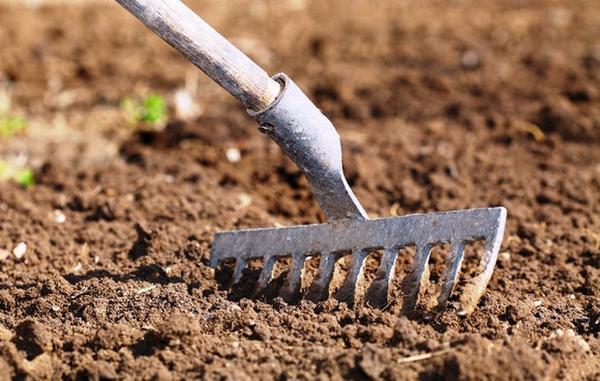
To prevent crusting on the bed after watering and to prevent oxygen from reaching the roots of root vegetables, loosen the soil and remove weeds along the way. Before the first loosening, it is recommended to sprinkle wood ash around the plants to protect the seedlings from pests. Using mulch eliminates the need for loosening.
Take a look Also

How to water properly
This moisture-loving crop requires constant and abundant watering, especially in the early stages of development. During the period of active germination, the water consumption per square meter of soil is 8-10 liters. In the absence of precipitation, water 2-3 times a week, preventing the soil from drying out. Once the roots have reached sufficient volume, watering should be less frequent to prevent cracking.
Necessary fertilizers
Turnips need to be fertilized once or twice throughout the growing season. Organic and mineral fertilizers are used. Most often, the beds where the crop is planted are treated with wood ash, compost, and a mullein solution.
Turnips can also be fed with superphosphate for active growth.
Protecting turnips from diseases and pests
The effects of diseases and harmful insects impair the taste of the root crop and can lead to the loss of a significant part of the crop.

The following measures are taken to protect plants:
- spraying with insecticidal and fungicidal preparations;
- manual removal of large parasites;
- compliance with crop rotation rules and spatial isolation;
- constant monitoring of the condition of root crops.
White rot
White rot in turnips can be identified by visual signs. Infected tissues become watery, discolored, and covered with white mycelium.
Powdery mildew
The disease affects the leaves and stems of the crop. A powdery coating forms on the green parts of the plants, which then turns brown. Affected leaves become deformed and begin to dry out, causing the plants to stagnate.

Blackleg
Blackleg most often affects seedlings. When affected, the upper parts of seedlings become thinner and darker, and the roots become less dense. To reduce the risk of disease, use only fresh soil for seedlings, regularly ventilate the area, and avoid overwatering.
Cabbage butterfly
Cabbage white butterflies are found in almost all gardens and attack many plants. These insects gnaw at the above-ground parts of plants, causing them to stunt growth and eventually wither.
Wireworm
The pest lives in the soil and feeds on root vegetables. An effective way to control wireworms is to use bait. By planting a potato or carrot in the soil for several days, the parasites are attracted, after which the vegetable can be removed along with the larvae.

The cutworm
An infestation of cutworms can destroy a large portion of a turnip crop. Newly hatched caterpillars gnaw at turnip leaves, settling on the undersides. Adult parasites completely consume the leaf blades and feed on the fruit, leaving large holes in them.
Cruciferous fleas
Flea beetles are especially active in the spring, when ambient temperatures exceed 15 degrees Celsius. Adults lay eggs and feed on the leaves of crops. If left untreated, they leave holes in the leaves, causing them to wither. An infestation of cruciferous flea beetles in early spring can cause the death of a significant portion of crops.


Features of turnip cultivation in the regions
The nuances of crop care vary depending on the climate and soil type in the growing region. By taking into account the specifics of the region, it's possible to create favorable environmental conditions for the crop's intensive growth and development.
In Siberia and the Urals
In regions with predominantly cold climates, it's best to plant varieties with increased frost resistance and a short ripening period. In particular, Karelskaya, Kokabu, and Petrovskaya-1 varieties are commonly planted in summer cottages. Turnips can be sown twice during the season. The care and harvesting process is standard, but as an additional measure, staking the stems is used to prevent lodging.

In central Russia, including the Moscow region
In the temperate zone, including cities in the Moscow and Kirov regions, early and mid-season turnip varieties can be planted. Sowing dates are determined based on the intended growing purpose. In the temperate zone, turnips are planted for summer harvest in late April or early May. For a good fall root crop, seeds can be sown in June. To grow the root crop in early spring, seeds should be sown before winter.
Harvesting and proper storage
To preserve the harvest for a long time, it's important to harvest the root vegetables properly. When turnips are ripe, dig them up and visually inspect them for ripeness. Only those larger than 6 cm in diameter are suitable for consumption. When digging, it's important not to damage the integrity of the fruit. The dug-up crop is shaken free of any remaining soil, sorted, and stored in a cool, dry place.
Unripe turnips can be stored for artificial ripening. The roots are placed in wooden boxes and covered with sand for storage for up to 3 months.
By packing the fruits in plastic bags and leaving them in the refrigerator, the harvest can be stored for no more than a month.
Potential problems when growing
Inexperienced gardeners often encounter problems when growing crops. Common issues include the following:
- Turnip goes to the arrow, which prevents the root crop from receiving sufficient nutrients. To reduce the risk of bolting, warm the planting material at 40 degrees Celsius a couple of weeks before planting.
- The crop is rotting. Typically, crop rotting is caused by excessive soil moisture.
Related posts:
 A detailed description of the 25 best turnip varieties for open ground and greenhouses
 How to preserve turnips for the winter at home in a cellar, apartment, or basement
 The best eggplant varieties for growing in a polycarbonate greenhouse: planting and care
 Description of turnip pests and their control using folk and chemical methods
 Is it possible to grow an apricot tree from a seed in your garden? How to plant and care for it?
 How to grow grapes in the Moscow region in open ground without a greenhouse
 Planting and caring for sorrel in open ground, how to feed it and when to sow it
 How to properly plant peas in a greenhouse and open ground