
- General characteristics and description of turnips
- Popular varieties of the plant
- Grandma
- White Night
- Snow White
- White ball
- Granddaughter
- Geisha
- Glasha
- Golden Ball
- Gribovskaya
- Grandpa
- Dunyasha
- Burnt sugar
- Golden Ball
- Comet
- Nurse
- Moon
- May yellow
- Milanese pink
- Orbit
- Petrovskaya 1
- Russian size
- Snow Maiden
- Snow globe
- Snowball
- Tokyo
- Gavrish
- Which variety to choose for different regions?
- For the Urals and Siberia
- For the Moscow region
- For other regions
- Selecting a variety based on other criteria
- Sweet varieties
- Fruitful
- Large-fruited
- Early maturing
- Mid-season
- Late
- Varieties with unusual root color
- For greenhouses
- For winter storage
Turnips were widely grown and consumed throughout our country until the potato was introduced from America. It was the potato that displaced the popular root vegetable not only from kitchens but also from gardens. Today, healthy turnip varieties are still grown by gardeners and farmers, but the volumes planted are only a fraction of what they once were.
General characteristics and description of turnips
Turnips have become known as the "magic root vegetable" due to their high content of essential micro- and macronutrients, as well as vitamins. Many culinary masterpieces are prepared from them, including cooking, pickling, and even marinating. Turnip is widely used in diets and therapeutic nutrition.
The root vegetable requires little care or attention. In the first year, it forms a rosette of leaves and a root vegetable, and in the second, it produces seeds. Breeders have developed early, late, and mid-season varieties distinguished by their yield, shelf life, and resistance to low temperatures.
Popular varieties of the plant
Over a long period of cultivation, gardeners have identified the best turnip varieties that are worthy of a place in the garden beds and have a large supply of nutrients.
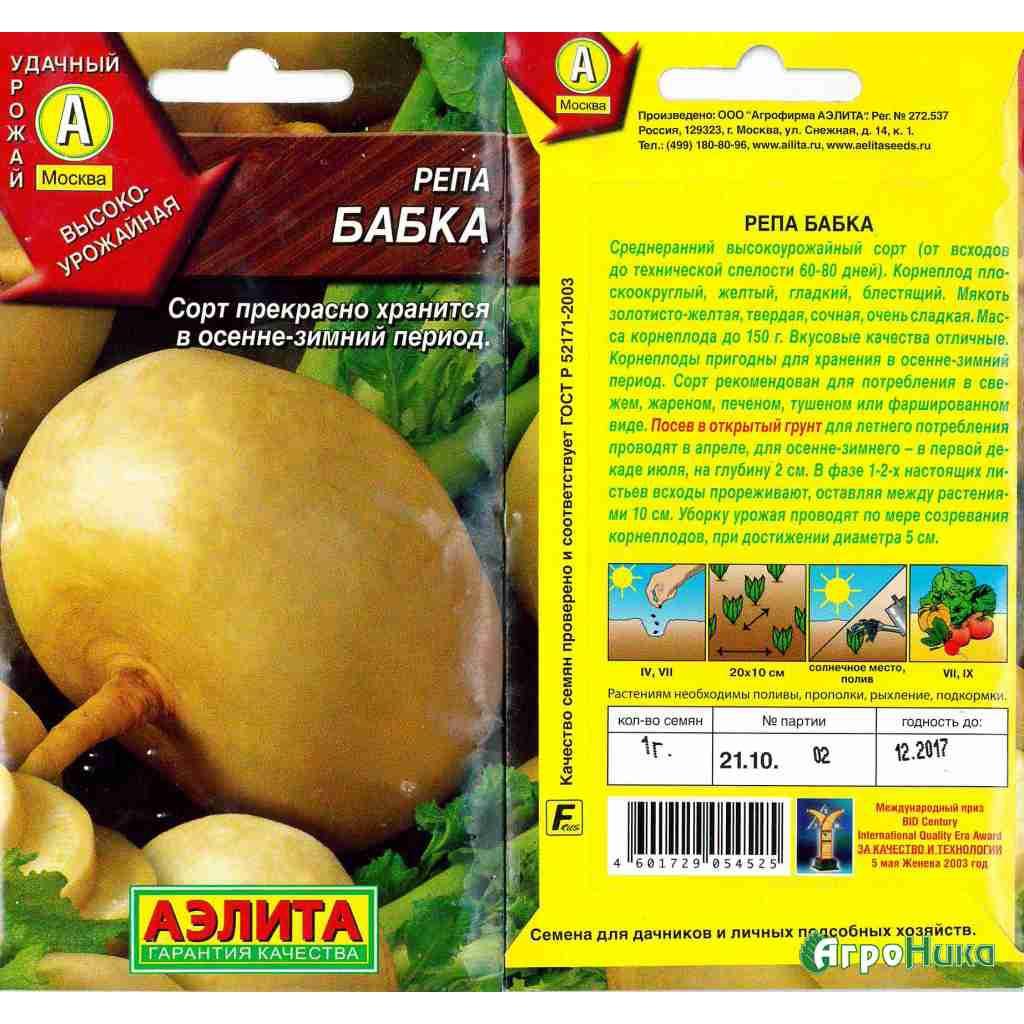
Grandma
The Babka turnip is suitable for cultivation in virtually any soil type. It has a short growing season and high yields. The fruit has a sweet flavor and golden flesh. It is suitable for processing and fresh consumption, and stores well.
White Night
This mid-season turnip was developed in the Czech Republic. Its white flesh has a flavor reminiscent of radish. Each root can weigh up to 500 g.
Snow White
A Japanese variety with an early ripening season. The white flesh is suitable for fresh consumption, processing, and cooking. Turnips grow well in partial shade and even in the shade, and have good cold tolerance.
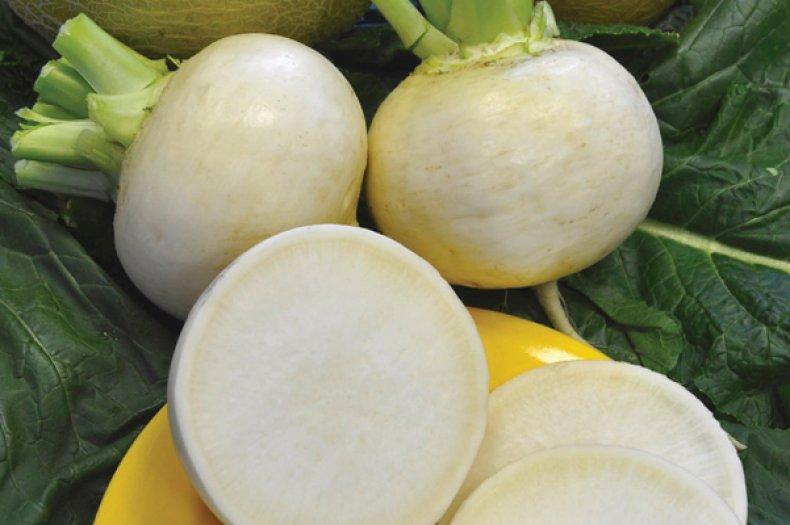
White ball
This mid-season variety is distinguished by the fact that its fruits are completely free of bitterness. Even the leaves, rich in ascorbic acid, are used for culinary purposes. The weight of the vegetable does not exceed 500 g.
Granddaughter
The Vnuchka turnip ripens 60 days after germination. It is suitable for fresh consumption. During the winter, it is recommended to store the harvest in a cellar.
Geisha
The beneficial properties of this variety's fruits are undeniable, but they cannot be preserved over the winter. Turnips are suitable exclusively for fresh consumption. They are shade- and cold-tolerant, with roots reaching a maximum weight of 0.2 kg.
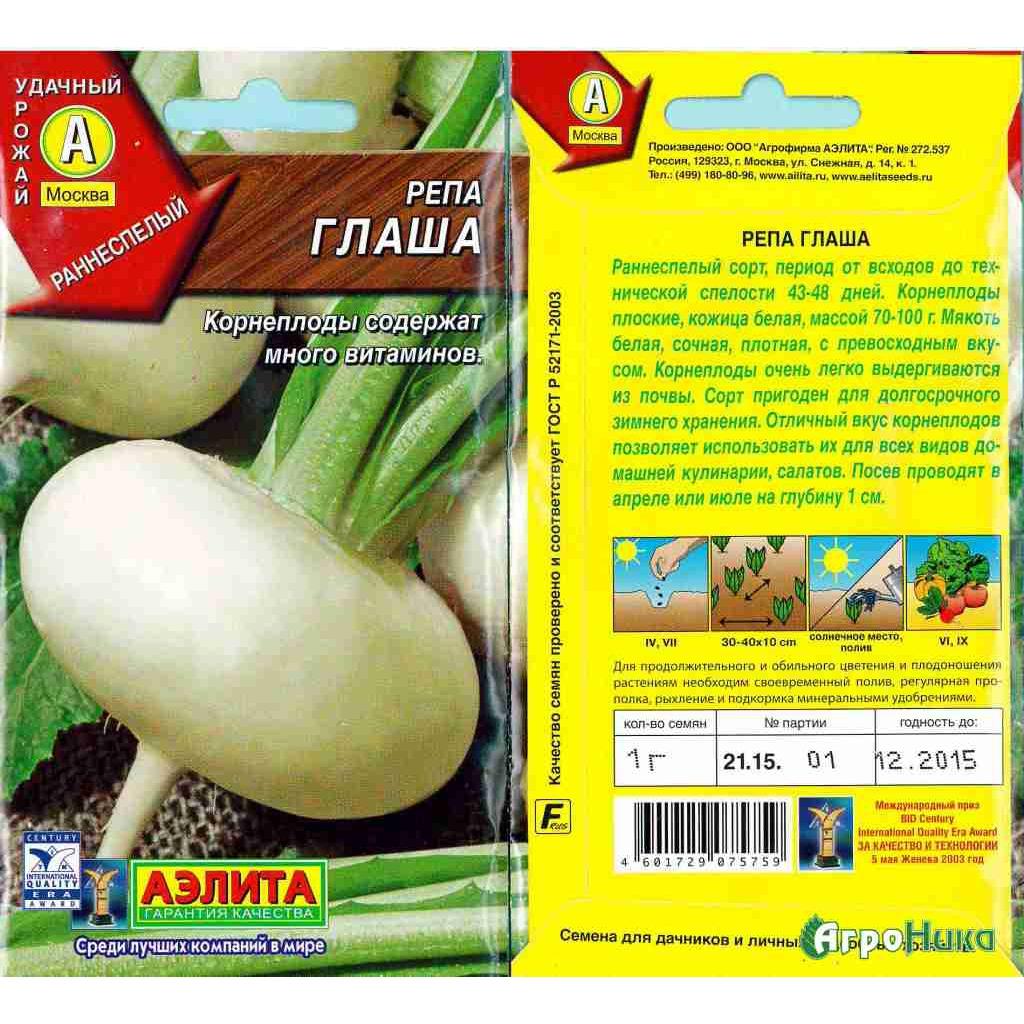
Glasha
Glasha's fruits weigh a maximum of 0.1 kg. The harvest ripens in 45 days. The flesh is sweet, tasty, and completely free of bitterness. The turnip is suitable for fresh consumption and all types of processing, and it keeps well over winter.
Golden Ball
The variety owes its name to its golden-yellow skin. It ripens mid-early, with a single root weighing no more than 0.4 kg. It has a juicy core and a sweetish flavor.
Gribovskaya
This turnip variety matures in two months. The roots are large and have a purple border around the leaf rosette. They have excellent flavor. The plant is cold-hardy, and the harvested crop keeps well over the winter.
Grandpa
Turnips mature within 50 days of germination. They are rich in vitamins and minerals. They are suitable for fresh consumption, preserves, and cooking.
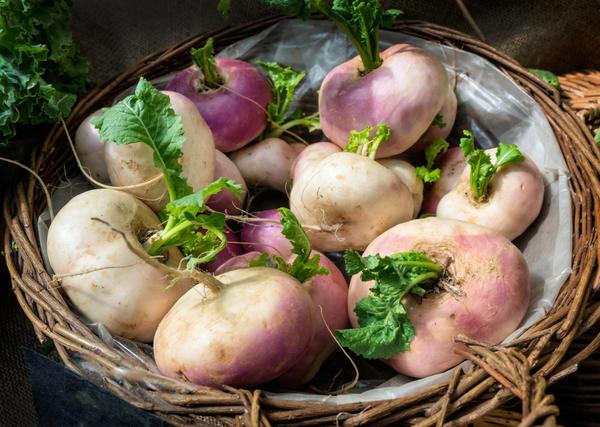
Dunyasha
Due to its high vitamin and micronutrient content, this variety is used in dietary nutrition. Technical maturity occurs 70 days after germination. Each turnip weighs no more than 0.2 kg. The plant is shade-tolerant and cold-resistant. The fruits are sweet and not coarse.
Burnt sugar
A distinctive feature is the elongated shape of the fruit. It ripens early. The roots are of good quality, rich in nutrients. The flesh is tasty and crisp. The harvested crop is suitable for long-term storage.
Golden Ball
The variety gets its name from the golden color of its roots. Its flavor is delicate and slightly sweet. It ripens mid-season. It is widely used in traditional medicine.
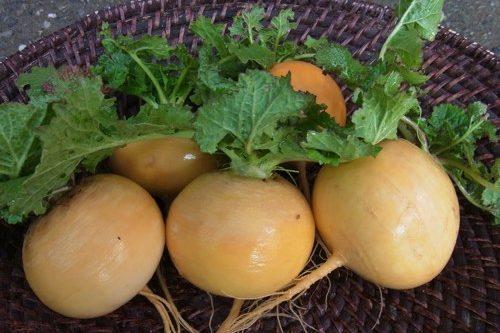
Comet
The fruit is elongated, thickened at the base. The roots vary in size, weight, and flavor. The maximum weight of a turnip is 120 g. The harvest is 80 days after germination.
Nurse
This mid-season variety is capable of producing a harvest three months after germination. The root weight reaches 0.25 g and has a high vitamin content.
Turnips are suitable not only for fresh consumption, but also for all types of processing and culinary preparation.
Moon
A cold-hardy variety suitable for long-term storage and fresh consumption. Ripening period is 80 days from germination. The fruits are small, uniform in size and shape. The flavor is excellent.
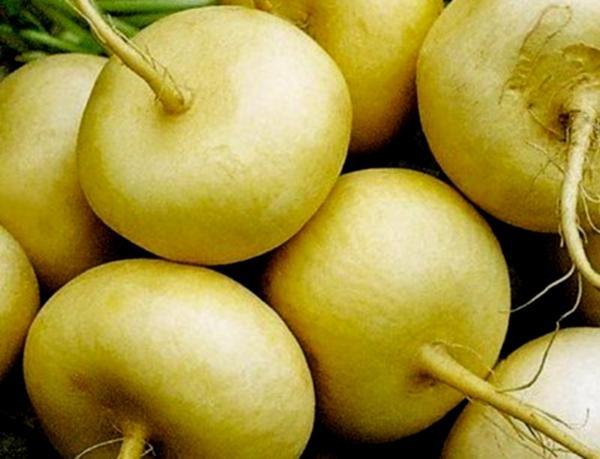
May yellow
This variety is considered early maturing. It takes 75 days from germination to harvest. This turnip has a bright yellow core and a delicate, sweet flavor.
Milanese pink
A detailed description of this variety promises high yields and rapid ripening. The plant has increased resistance to diseases and pests, as well as low temperatures.
Turnips require a lot of watering. and lighting, grows well even in poor soil.
Orbit
This root vegetable has a spherical, regular shape. The harvest takes four months to mature. A single turnip weighs up to 0.5 kg. The slow ripening process is offset by its excellent flavor and the fruit's suitability for long-term storage.
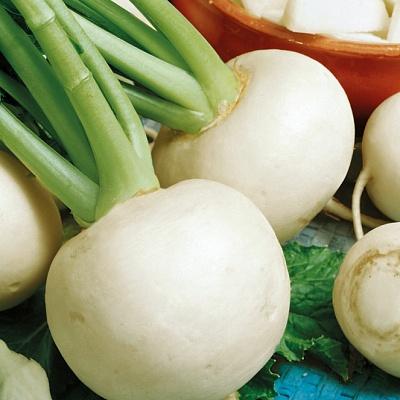
Petrovskaya 1
One of the oldest varieties grown in our country, the crop ripens 60 days after germination. Turnips are used for winter storage and boast excellent flavor, versatility, and high yields.
Russian size
This variety of turnip best matches the descriptions given in Russian folk tales. Root vegetables gain weight up to 2 kg, preserving all the taste and beneficial properties of the vegetable. The taste is high, the flesh is not tough.
Snow Maiden
An early-ripening salad variety. The harvested crop is not suitable for long-term storage, which is its main drawback. The seeds can be sown several times, from April to July. The plant is also suitable for indoor cultivation.
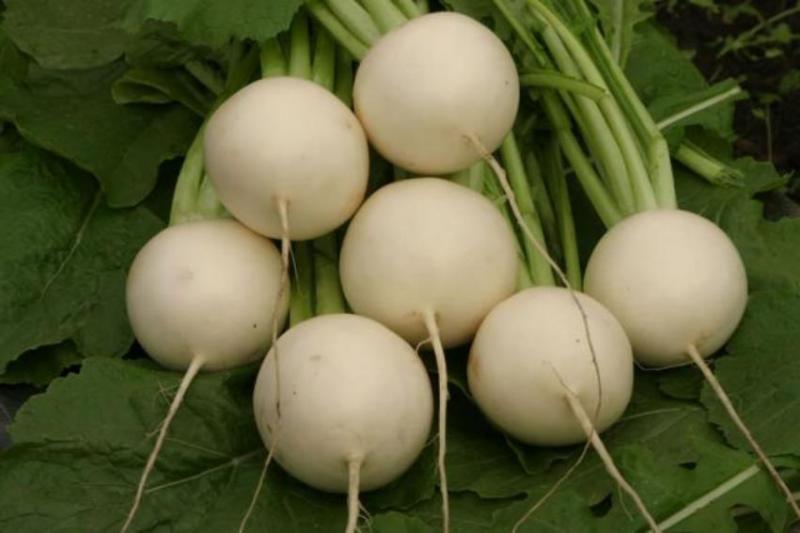
Snow globe
A mid-season turnip, yielding roots weighing up to 0.5 kg. The vegetable is completely free of bitterness, and the leaves contain large reserves of ascorbic acid, making this part of the plant also widely used in cooking.
Snowball
An early-ripening variety, producing roots weighing 0.09-0.2 kg. They have excellent flavor. The harvested crop is suitable for long-term storage and is versatile in its uses.
Tokyo
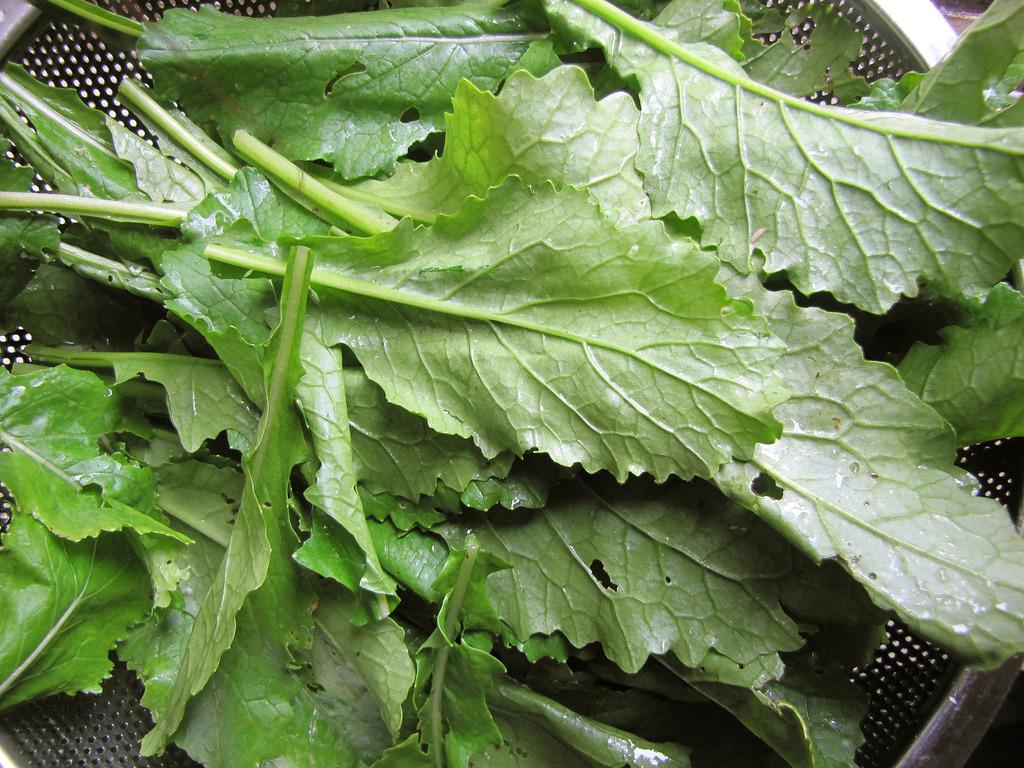
This variety is somewhat unusual for domestic farmers. It's a leafy plant with a robust rosette. The foliage is very juicy, with a characteristic tartness. It's where most of the vitamins and beneficial microelements are concentrated. Turnips are moisture-loving and cold-hardy.
Gavrish
The plant is shade-tolerant, cold-hardy, and not prone to flowering. The roots grow up to 0.2 kg in weight. Several stages of sowing are possible. The harvest is versatile and suitable for storage.
Which variety to choose for different regions?
When choosing turnips for open ground, it's important to consider the climate of your region and the growing requirements for your preferred variety. Recommended sowing times should be adjusted depending on weather conditions. Root crops differ not only in taste and appearance, but also in cold resistance, shade tolerance, and moisture requirements.
For the Urals and Siberia
The cold climate of Siberia and the Urals limits gardeners' choice of plant varieties. However, turnips easily adapt even to these conditions and produce excellent harvests.
Recommended varieties for this region are:
- Petrovskaya 1;
- Burnt sugar;
- Milanese white redhead.
In the Urals and Siberia, it is highly recommended not to grow early varieties. The only exceptions are varieties that are not sensitive to low temperatures.
For the Moscow region
The Moscow region's weather conditions don't pamper gardeners with good weather. Frequent and heavy rainfall and cool temperatures aren't to the liking of all garden plants. But turnips tolerate these inconveniences better than imported potatoes without sacrificing the quantity and quality of their harvest. The following varieties are preferred for this region:
- Snow Maiden;
- Petrovskaya 1;
- Milanese White Redhead;
- Anniversary 85.
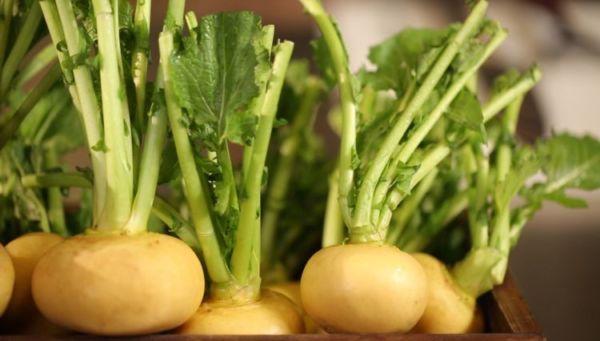
These varieties have been known to gardeners for a long time and produce stable yields of root crops with high commercial qualities.
For other regions
In other regions of our country with unique climates, it is recommended to choose varieties that have undergone variety testing and are characterized by drought and cold tolerance. They should also produce yields in poor soils and exhibit good pest resistance. It is better to choose varieties of domestic origin.
Selecting a variety based on other criteria
When choosing turnip seeds for their own garden, gardeners pay attention not only to the specifics of agricultural technology, but also to taste, appearance, the ability to preserve the harvest, and the size of the root crops.
Sweet varieties
Sweet turnips are a staple in numerous weight-loss diets. They're easily digestible and don't contribute to weight gain. This vegetable is not only healthy but also delicious. The following varieties boast the following properties:
- Golden ball;
- Snow White;
- White ball.
Fruitful
Turnip varieties with stable and high yields are often preferred by professional farmers. Such plants are characterized by their resistance to temperature changes and are less susceptible to diseases. Root vegetables have a distinctive flavor. The best varieties include:
- Snow Maiden;
- Burnt sugar;
- Grandma;
- Tokyo;
- Petrovskaya 1.
Take a look Also
Large-fruited
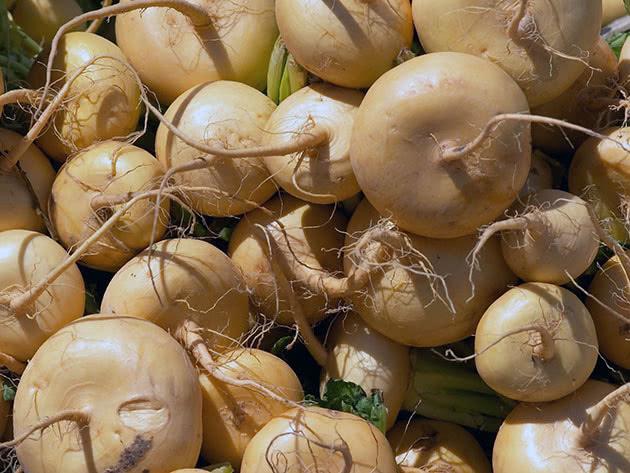
These turnip varieties produce large, colorful roots suitable for storage. The fruits are rich in vitamins and micronutrients and have an excellent flavor. The following large-fruited varieties are popular:
- Russian size;
- White Night;
- Golden Ball;
- Snowball.
Early maturing
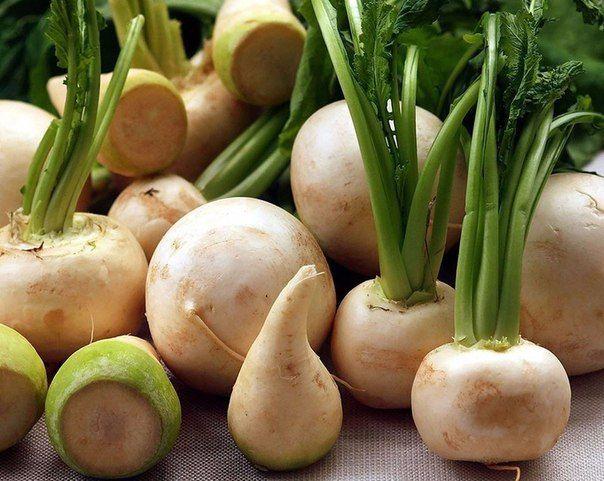
Early varieties not only allow for a quick harvest but also allow for multi-stage sowing, harvesting the roots several times per season. These varieties are considered the most popular among gardeners, although they are not suitable for storage. The best in this classification are:
- Geisha;
- Milanese pink;
- Grandfather;
- Glasha;
- May yellow;
- Granddaughter.
Mid-season
Turnips, with their mid-season ripening, produce roots characterized not only by their excellent taste but also by the ability to be stored for long periods in a cellar or basement. The following are widely used:
- Dunyasha;
- Moon;
- Nurse;
- Gribovskaya.
Late
Late-ripening turnip varieties are those that mature over a period of more than three months. The harvested crop is preserved throughout the winter, and the flavor is no less impressive than that of their early-ripening counterparts. The best late-ripening varieties are:
- Comet;
- Orbit.
Varieties with unusual root color
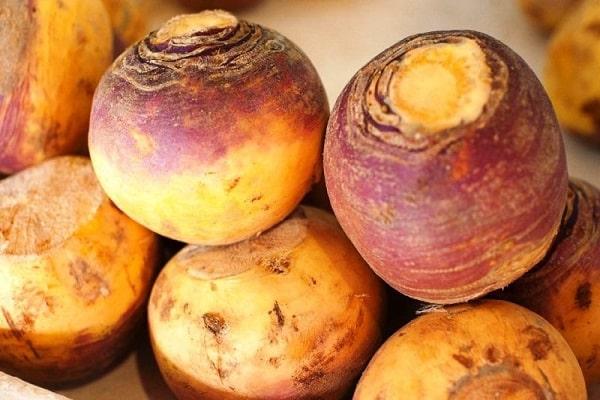
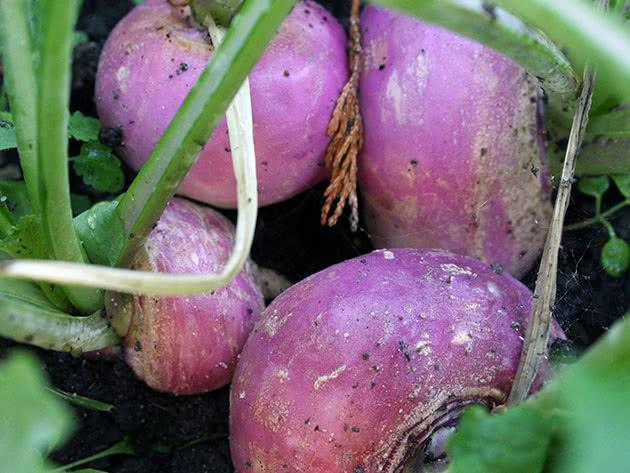
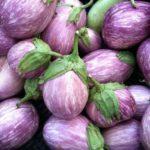
For those who love exotic turnips, turnip varieties with a variety of fruit colors, such as purple, have been bred. A striking example of this is the Gribovskaya Mestnaya variety. Some gardeners find the standard yellow root vegetable boring, so breeders have introduced an interesting variety—purple turnips with white tips. Its flavor is not much different from the classic variety, but a slight spiciness develops toward the center.
There are also varieties with white, yellow, reddish and even black skin.
For greenhouses
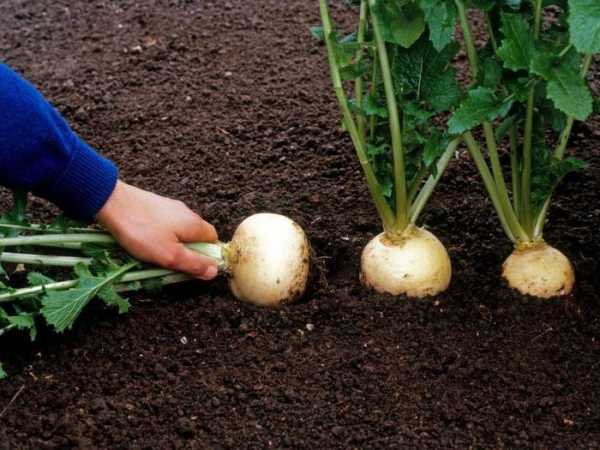
Turnips are grown not only outdoors but also in greenhouses. Early-ripening plants are generally preferred for this purpose. Recommended varieties for greenhouse cultivation include:
- Atlantic;
- Primer;
- Snowball;
- Tokyo Cross;
- Snow Maiden.
For winter storage
Not all turnip varieties grown in the garden survive the cold season. Some are used only for fresh salads and don't retain their marketability or flavor for long. Varieties suitable for winter storage include:
- Burnt sugar;
- Petrovskaya 1;
- Snowball;
- Glasha;
- Moon;
- Gribovskaya;
- Orbit.
Among such a variety, every gardener will be able to choose a suitable species.
Related posts:
 Growing and caring for turnips in open ground, how to plant and when they ripen
 The best recipes for pickling, freezing, and other winter preparations of turnips at home
 How to preserve turnips for the winter at home in a cellar, apartment, or basement
 Description of turnip pests and their control using folk and chemical methods
 Description and characteristics of 35 best beet varieties, planting and care rules
 Descriptions of the 20 best cherry varieties for the Moscow region, their planting and care
 Description of the 90 best varieties of beans for open ground with names
 80 Best Eggplant Varieties for Different Regions with Descriptions and Characteristics