
- General description and characteristics
- Black Eyed Peas
- Royal Purple Pod
- The Deer King
- Asparagus Gina
- Fana
- Panther
- Indiana
- Pencil Pod
- Purple Queen
- Olga
- Paloma scuba
- Bergold
- Green beans
- Kenyan
- Pied Pinto
- Fava
- Climbing varieties
- Violetta
- The Purple Queen
- Gerda
- Lambada
- Golden Nectarine
- Mauritanian
- Fatima
- Winner
- Golden Neck
- Turk
- Bush varieties
- Caramel
- Little Red Riding Hood
- Yin Yang
- The Butter King
- Red beans
- Early ripening
- Tashkent
- Medium red
- Tomato
- Azuki
- Ethiopian
- White varieties
- Chali
- Black eye
- Navy
- White flat
- Lotus
- White mares
- Beloserka
- Black varieties
- Kidney
- Preto
- Grain beans
- Chocolate Girl
- Ballad
- A housewife's dream
- Ruby
- Golden
- Gribovskaya-92
- Gorgeous
- Large varieties
- Baby Lima
- Anniversary
- Moscow White
- Gardener
- Polaris
- Pink
- Varieties by ripening time
- Early and mid-early
- Flat long
- Belozernaya 361
- Saxa 615
- Homestead
- Shahinya
- Average ripening time
- Bush without fiber B-85
- Moscow White
- Green-podded B-556
- Golden Mountain B-632
- Wide-handed 92
- Patio
- Motolskaya white
- Jubilee 287
- Fiery red
- Purple
- Late and late-ripening
- Beautiful Yas
- Blue Hilda
- Queen Neckar
- Recommendations for different regions
- For Siberia
- Sugar variety Green-pod-517
- Semi-sugar variety Moscow white green-pod-556
- Bush shelling variety Skorospelaya
- North Star 690
- Semi-sugar variety Gribovskaya-92
- Sugar Triumph 764
- Siberian size
- Yunnan
- Saxa without fiber-615
- Generous
- For the Southern regions
- Rachel
- Creole
- Antoshka
- Firefly
- Lika
- Ol-tyn
- For the middle zone
- Fantasy
- Sakfit
- Welt
- Martin
- Contender
- Borlotto
Beans are a culinary staple around the world. They're used to make appetizers, first and main courses, and salads. Legumes provide the body with beneficial nutrients. But does anyone know how many types of beans there are?
General description and characteristics
Beans are annual plants that grow up to 3 meters in height. There are both dwarf and true giant varieties. Depending on the type of bean, the stem can be straight or climbing.
The leaves are trifoliate, with the blades arranged on long petioles. The runner bean is covered in flowers of every imaginable hue and shade. The flowers resemble butterflies and are gathered in axillary racemes.
The fruit of the bean plant is a pod. It ripens in pods formed from the florets. The pods range from small to very large. Beans can be straight or curved, round, oblong, or cylindrical.
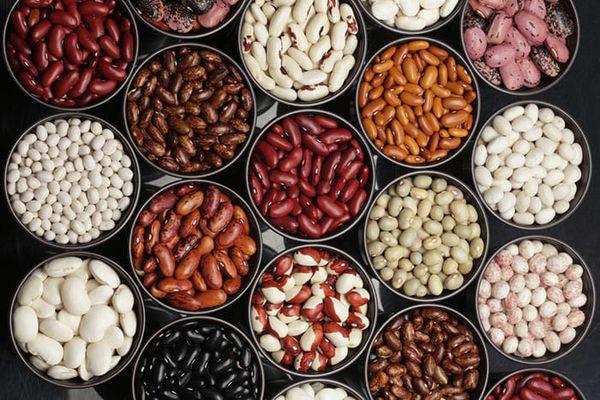
Beans come in a stunning variety of colors. They can be white, yellow, red, purple, or black. The skins of some are spotted, while others are veined.
Inside the beans are seeds, elliptical in shape. Each bean contains between one and three seeds. Like the beans themselves, they come in a variety of colors.
The ripeness of the fruit is determined by the appearance of the pods. They appear dry and split when lightly pressed. They also change color, turning brown.

Black Eyed Peas
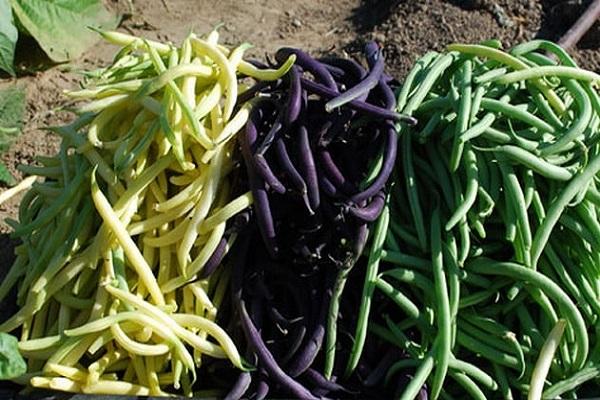
This variety was recently bred and is intended for consumption with the pods, as the name suggests. The pods are eaten unripe. Depending on the variety, the pods are yellow, white, green, or purple.
They are thin, reaching 10-15 cm in length. The flesh is tasty and soft, with a distinct juiciness. The bushes grow compactly in the garden, not taking up much space. Asparagus beans are considered a high-yielding crop.
Royal Purple Pod
The purple pods, 15 cm in length, are suitable for canning. The variety is undemanding, so it grows without problems.
The Deer King
The pods contain white seeds. It is prized for its unique flavor. It produces two harvests per season.
Asparagus Gina
An early-ripening bean variety. The plants reach a height of 0.4-0.5 m. The beans are a delicate green. This variety produces a consistent harvest and is rarely affected by pests.
Fana
This low-growing plant produces fruit well and requires little care from the gardener. It's ideal for winter harvesting.
Panther
The pods of this variety are a rich yellow color. They ripen mid-season. They are suitable for cooking hot dishes and canning for the winter.

Indiana
The seeds of this bush variety are a dazzling white. The skin is covered with a red pattern. It is considered an early-ripening variety.
Pencil Pod
One of the few varieties of green beans eaten fresh. The pods are long and thin, containing black seeds. They are resilient to any weather conditions.
Purple Queen
This mid-early bean variety produces long pods with a rich purple color. They are perfectly straight and slightly curled.
Olga
Another compact bush producing tasty pods. It contains a maximum of nutrients for the human body. Thanks to its strong immune system, it easily overcomes various diseases.

Paloma scuba
The growing season lasts 75 to 80 days. The tallest branches reach 0.5 m and require no support. A 16 cm long pod contains up to 12 beans. The pods are used for cooking, and when dried, only the seeds are released.
Bergold
A delicious green bean whose long pods are used as food. For convenience, they are cut into small pieces and frozen. They are boiled in water before eating.
Green beans
It's also called shelling. The pods of each variety are uniform in color. Some may have a colored, but pale, pattern.
Inside the shoulder blades are yellow, green, purple, and other colored beans. The fruits contain seeds. Green beans, or shelling beans, come in a variety of varieties.

Kenyan
It's considered the most expensive because it's grown in Africa. The pods are no more than 0.5 cm thick and green in color.
When eaten, it reveals nutty notes and a slight sweetness. Due to its soft texture and lack of coarse fiber, it cooks quickly. After a few minutes of boiling, it can be added to various dishes.
Pied Pinto
The beans are white in color. Their surface is covered with red spots, making them attractive. They are characterized by a high iron content.
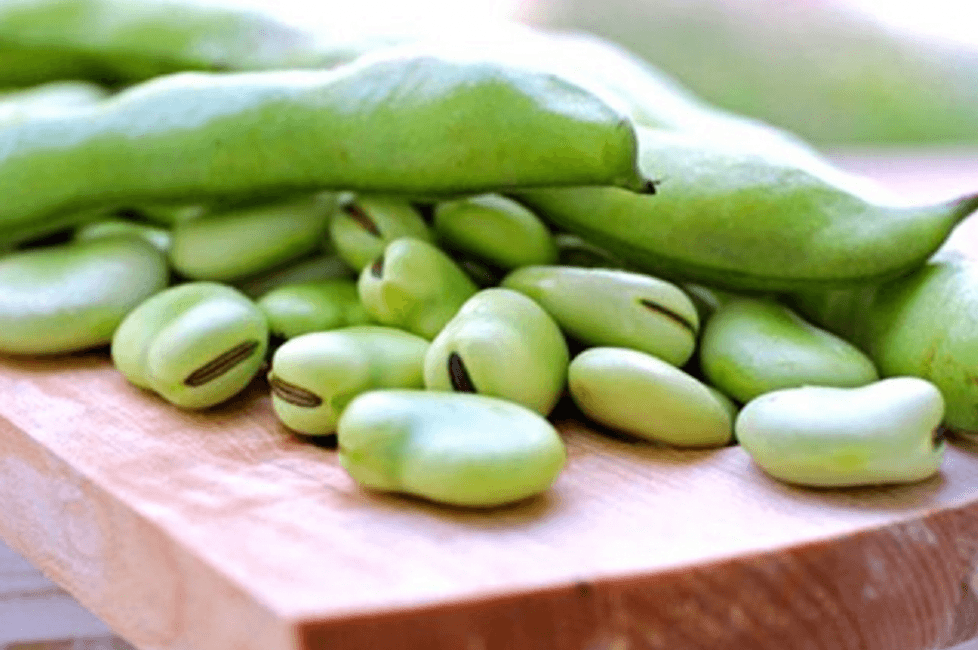
Fava
The pods contain dark brown beans. When ripe, they are eaten along with the pods. When fully ripe, only the beans are used.
Climbing varieties
Beans deserve special attention. Their branches reach 5 meters in length, giving them an advantage over other bean varieties. Planted near a support, the branches twine, thus saving space.
Planted only in warm climates, it has a long growing season and may not ripen before cold weather sets in.
Violetta
This bean variety is prized by gardeners. The vine reaches only 2.5 meters in length. During flowering, deep purple flowers are visible among the dark green leaves. The harvest is 6 weeks after germination.

The Purple Queen
A delicacy variety with incredible flavor. The pods are fleshy, purple, and edible. Green beans produce small, creamy and dark yellow beans.
Gerda
Due to the lack of a parchment layer and tough fibers, the pods are entirely edible. The first fruits appear early. The maximum length of the pods is 30 cm, and their diameter reaches 2.5 cm.
Lambada
The sword-shaped pods are a marbled pink. They have a delicate flavor and are very juicy. The seeds, like the pods, are interestingly colored. The skin is covered with stripes and streaks.
Golden Nectarine
You can recognize the color of the beans by their name. The pods are yellow. It takes two months from germination to full maturity.

Mauritanian
Asparagus beans Early maturing. Medium foliage, shoots reach 3 m in length. Beans are fibrous. High yield.
Fatima
When the beans are ready to eat, they turn light green. The pods are 3 cm wide and 20 cm long. The flesh of the pods lacks a parchment layer.
Winner
This bean variety is used for cooking and as a decorative garden crop. The beans mature within three months. The stems bear red flowers.

Golden Neck
This variety produces black and white beans. The plant prefers sunny sites with light soil and adapts to adverse climatic conditions.
Turk
Often planted for ornamental purposes, but not for its pods. The main attraction is the leaves, which cover the stems abundantly.
Bush varieties
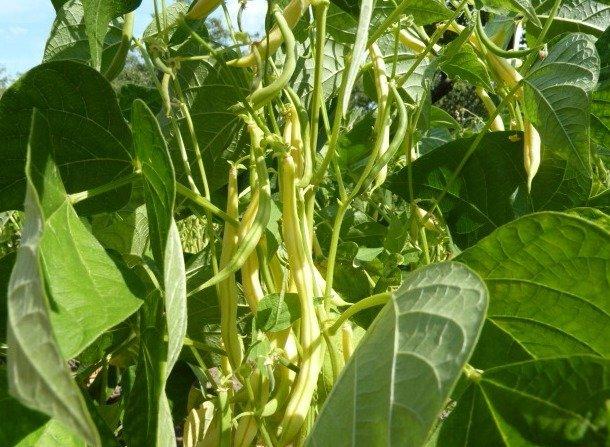
These are typically low-growing bean varieties, 25-60 cm tall. They are selected for large-scale cultivation. The plants produce a steady harvest that ripens quickly. They easily tolerate the coldest days and nights during the growing season.
Popular varieties are:
- Fana;
- Royal Purple Pod;
- The Deer King.
Caramel
The growing season is from May to June. The beans yield gradually, so the pods are harvested over a period of 2-3 months. They are eaten with the pods.
Little Red Riding Hood
The bean has an unusual coloring. There's a large red spot near the eye, while the rest of the bean is white. As it grows, it forms a spreading bush.

Yin Yang
It is unique due to its pattern, which cannot be found on any other variety. It truly bears symbols of feminine and masculine energy.
The Butter King
The variety ripens early—1.5 months after planting the seeds. The yellow pods reach 25 cm in length.
Red beans
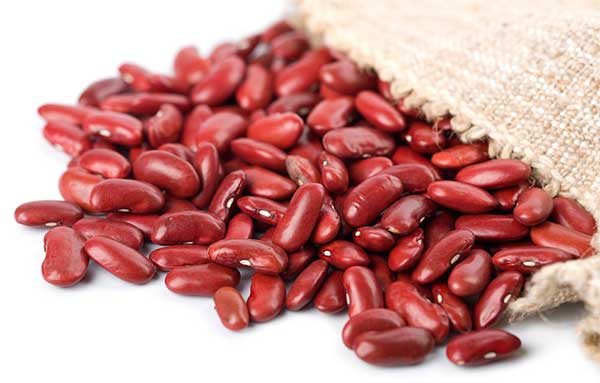
The beans' rich reddish hue is rich in vitamins and other beneficial substances. Their chemical composition has beneficial effects on the body. When cooked, the beans change color slightly, becoming several shades lighter.
Early ripening
The name of this bean variety reflects the speed of ripening. The beans are oblong, 1 to 2 cm in diameter. Most of the skin is pinkish-red. Occasionally, beige speckles are visible.
Tashkent
The crop thrives in warm conditions, so it's planted in southern regions. In temperate climates, it produces a good harvest when grown from seedlings. The variety is characterized by large fruits.
Medium red
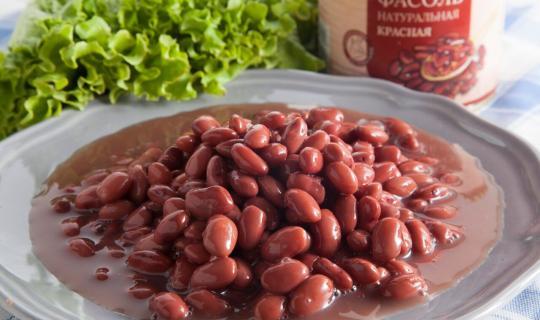
Reddish beans lose little color after cooking. Delicious and healthy.
Tomato
This variety is successfully used for canning and is suitable for Georgian cuisine. The seeds are flattened and oblong.
Azuki
The Himalayas are considered the birthplace of the bean. It is successfully cultivated in South Asia and Japan. The seeds are a rich red color.
Ethiopian
Another variety of red beans. Used for fresh cooking.

White varieties
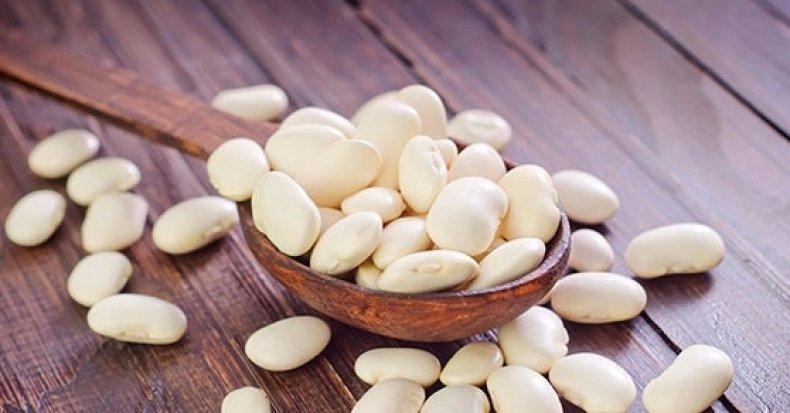
The grains are white, sometimes with a slight milky tint. They generally have a firm texture. They have a high protein content, making them a must-have.
Chali
The variety is characterized by large beans absolutely white.
Black eye
Thin pods with distinctive-looking seeds. There's a black spot near the eye. The seeds cook quickly due to their soft texture.
Navy
They resemble beads in shape due to their small size. They are rich in vitamins.

White flat
An early-ripening bean variety with climbing stems. Produces a high yield at maturity.
Lotus
The low-growing bush is adorned with straight, light-yellow pods. They are fiberless, making them soft and tender.
White mares
They are often found in gardens, but are not as popular as other varieties.
Beloserka
Another variety that is not often remembered by vegetable growers.
Black varieties
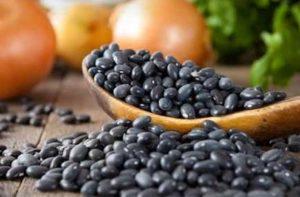
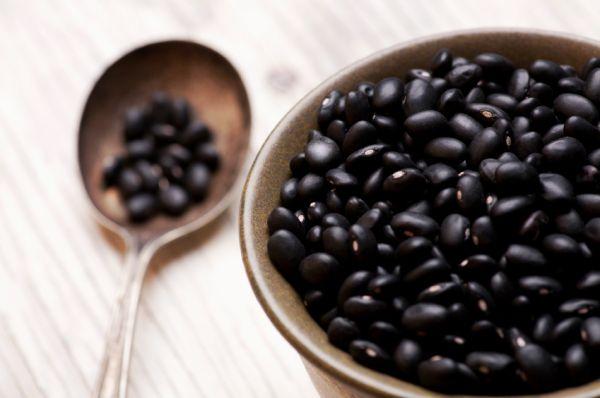
These richly colored beans are rich in vitamins and are popular among chefs in Latin American cuisine. Their flavor offers sweet and smoky notes.
An interesting fact: the darker the color of the beans, the more nutrients they contain. Their rich chemical composition confirms this.
Kidney
The beans are kidney-shaped. Purple and red beans are harvested from a single plant.
Preto
The bean's creamy flesh is covered with a black skin. When cooked, the beans reveal a berry aroma.
Grain beans
Obtained by growing shelling varieties. It is not only nutritious but also very healthy. It can be stored for a long time without any pre-treatment. To speed up cooking time, soak the pods in water for 3-5 hours before cooking. The pods are not used for food.
Chocolate Girl
The plant thrives in sunny areas and produces abundant pods, which in turn contain rich brown beans.
Ballad
The bushy plant is covered with pink flowers and diamond-shaped leaves. The seeds are beige with purple streaks.

A housewife's dream
The compact plant bears flat, green, stringless, parchment-free beans. At maturity, the seeds are white.
Ruby
The seeds are a deep cherry color. The fruits are so beautiful that they seem unsuitable for cooking.
Some varieties of beans are actually used to create decorative items.
Golden
The seed color is completely opposite and doesn't match the name. It's used as a base for main dishes and desserts.

Gribovskaya-92
The beans are white in color. The skin is evenly colored and free of spots and inclusions.
Gorgeous
The compact plant produces a mass of pods containing interestingly coloured seeds.
Large varieties
The seeds extracted from the beans are enormous and double in size when cooked. They are filling and delicious.
Baby Lima
Thanks to the outer shell, the bean's shape is perfectly preserved during heat treatment.
Anniversary
Famous for its beautiful raspberry beans covered with white speckles.

Moscow White
The bushes produce a harvest in abundance and have a universal purpose.
Gardener
The grains are chestnut-colored with reddish spots. The yield is stable and the care is low.
Polaris
Unlike other varieties of beans, it has the shortest growing season.
Pink
The marbled pink beans contain 6-10 grains.

Varieties by ripening time
Like other vegetable crops, they have early, mid and late ripening periods.
Early and mid-early
When harvesting this type of bean, it's important not to miss the right moment. Soft, green pods quickly become tough and change flavor. Regular harvesting promotes the formation of new beans.
Flat long
Dark green beans growing on twining stems.
Belozernaya 361
Despite its early ripening period, it is used for various purposes.
Saxa 615
The beans have a sweet and delicate flavor. Fruiting is prolonged.
Homestead
Ultra-early ripening asparagus beans.

Shahinya
Light green beans reach 10-12 cm in length.
Golden Nectar and Caramel are early ripening varieties.
Average ripening time
Some bean varieties will always be on the table in the first half of summer. They begin to bear fruit after the early ones.
Bush without fiber B-85
The sugar variety is suitable for canning.
Moscow White
Forms small, compact bushes from which it is easy to harvest.
Green-podded B-556
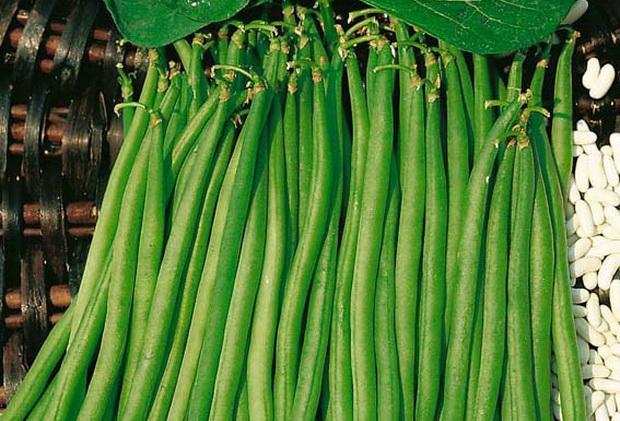
White flowers develop into green pods surrounded by yellow-green, glossy foliage.
Golden Mountain B-632
Unripe pods are yellow in color and contain black seeds.
Wide-handed 92
The pods are harvested as they ripen, as the flesh quickly hardens. The beans are sword-shaped.
Patio
The variety adapts to unsuitable climate conditions and other stressful conditions.

Motolskaya white
A variety of bean originating from Belarus. The pods do not split open when ripening, preserving the seeds.
Jubilee 287
The tip of the pod is curved to the side. The flavor is rated at the highest level.
Fiery red
This vegetable variety is free of coarse fibers. The dark green beans are harvested three months after sowing.
Purple
Bean pods have an interesting feature. When they're growing, the pods are green. When they reach 10 cm in length, the color changes to purple.


Pobeditel is also a bean variety with a medium ripening period.
Late and late-ripening
This category features a variety of cultivars, all bred for areas with warm, long summers.
Beautiful Yas
Planted to harvest dry grain, it grows without support. It thrives in warmth and produces large seeds.
Blue Hilda
One bush produces up to 12 pods per season. Harvesting begins two weeks after the ovary is formed.
Queen Neckar
The plant, 3 m tall, produces white flowers.

Recommendations for different regions
Breeders have developed numerous varieties for outdoor cultivation. Taking into account climate conditions, there are varieties for growing in both warm and cold climates.
For Siberia
Many associate this region with cold. Despite this fact, summers are warm but short. Therefore, varieties with a short growing season are grown in the area.
Sugar variety Green-pod-517
Long pods with brown seeds are used for canning.

Semi-sugar variety Moscow white green-pod-556
It stands out among other varieties for two properties:
- resistance to various diseases;
- adaptation to temperature fluctuations.
The plant grows up to 40 cm without interfering with neighboring vegetables in the garden.
Bush shelling variety Skorospelaya
It is planted to harvest the firm seeds. The pods split easily, allowing the seeds to be separated from the beans.
North Star 690
Due to the rapid coarsening of the shoulder blades, it is unsuitable for canning.
Semi-sugar variety Gribovskaya-92
Despite the fact that the variety is shelling, the pods for consumption are collected at a young age.

Sugar Triumph 764
A high-yielding asparagus bean. Pink flowers produce long, straight beans. Sweet in flavor, without the harsh stringiness.
Siberian size
The variety produces black, regular-shaped seeds. Temperature fluctuations and adverse climatic conditions do not affect the appearance or taste of the fruit.
Yunnan
As its name suggests, the bean's homeland is China. It is often grown in gardens after being improved by Russian breeders.
Saxa without fiber-615
It is an analogue of Saxa, but has one main difference - the absence of coarse fibers, which is clear from the name.

Generous
The harvested beans are used for fresh consumption and canned dishes. The beans are incredibly tasty and healthy.
For the Southern regions
The developed varieties tolerate drought, which does not affect the yield level.
Rachel
A versatile variety that tolerates drought and waterlogged soil. It also tolerates short periods of cold weather. A single plant produces up to 30 beans.
Creole
Suitable for growing on farms and home gardens.
Antoshka
A high-yielding variety with semi-sweet, tender, and soft beans. The stems are curly.
Firefly
Characterized by the clustered arrangement of the shoulder blades. Eaten as seeds, or with the shoulder blades. Suitable for freezing.
Lika
A variety considered among the best for winter preservation. The pod fibers remain soft for a long time. It is a sugar-asparagus type.
Ol-tyn
The long beans are covered with faint purple streaks. The kernels are brown with more intense stripes.
The list of varieties intended for cultivation in the southern regions also includes the vegetable variety Yubileinaya 287.
For the middle zone
This region experiences a wide range of climates. Despite the longer summers, some varieties do not fully ripen.
Fantasy
It achieves its excellent flavor by growing in humus-rich soils. It produces a stable harvest and is suitable for all purposes.
Sakfit
It acquires incredible flavor after cooking. It is resistant to anthracnose and tolerates cold and humidity.
Welt
The pods of the semi-sweet kidney bean are green and medium-sized.
Martin
The grains are white, dotted with purple spots. The pattern appears to depict birds.
Contender
A variety of asparagus bean that produces long, fleshy, and juicy beans. They are tasty, soft, and lack the parchment layer. Ripening occurs 2 weeks earlier than early potatoes.
Borlotto
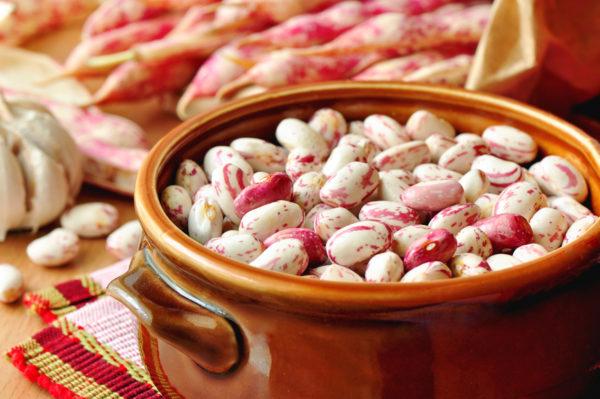
Harvested when the seeds are not yet fully ripe. It has a sweet, light flavor with nutty notes. The seeds are preserved and dried. It is resistant to viral and fungal diseases.
There's a huge variety of legumes, allowing you to choose the perfect one for every vegetable grower. They vary in shape, color, and flavor. Legumes come in both familiar shapes and more exotic varieties.
Related posts:
 Description and properties of the 50 best varieties of asparagus beans, benefits and harms
 How and where beans grow, planting and care rules in open ground
 Health benefits and harms of black beans, varieties, contraindications, and recipes
 Recipes for pickled beans for the winter at home
 The benefits and harms of red beans for the human body: for women, men, and children
 Description of the 20 best varieties of ornamental beans, planting and care
 The best recipes for pickled beans in jars for the winter are so good you'll lick your fingers.
 Recipes for making pickled green beans for the winter at home