
- Description of the variety
- Chemical composition
- What's good about asparagus?
- Protein content
- Vitamin content
- Caloric content
- Seeds
- Leaves
- Roots and rhizome
- Stems
- Berries
- Juice
- Types of asparagus
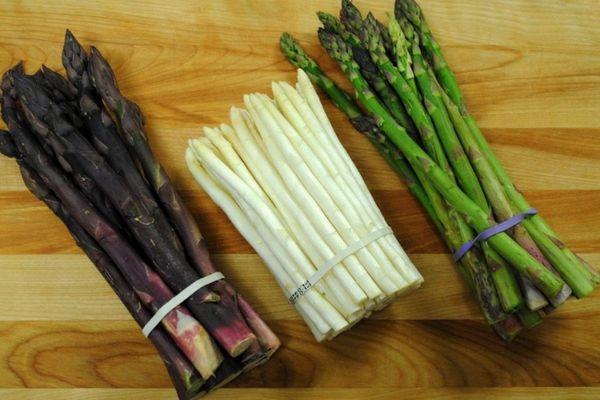
- White asparagus
- Green
- Purple or red
- Soy
- Beans
- Marine
- Varieties
- Glory of Brunswick
- Early Argentine
- Yellow early
- Mary Washington
- Snow head
- Fruitful
- Tsar's
- Dutch Green
- Growing regions
- Growing from seeds
- Propagation by dividing the bush
- Propagation by cuttings
- Forcing asparagus yourself in winter
- Landing
- Spring planting
- Autumn planting
- Into open ground
- In the greenhouse
- Care
- Diseases and pests
- Medicinal properties
- For men
- During pregnancy
- For diabetes mellitus
- Contraindications
- Collection
- Storage
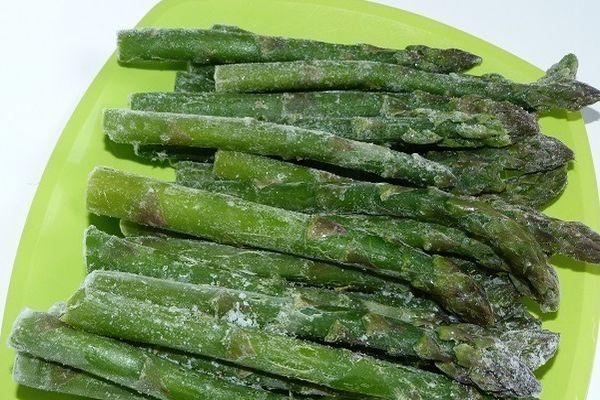
- Freezing
- Recipes for delicious cooking
- Fried asparagus with egg
- Creamy green asparagus soup
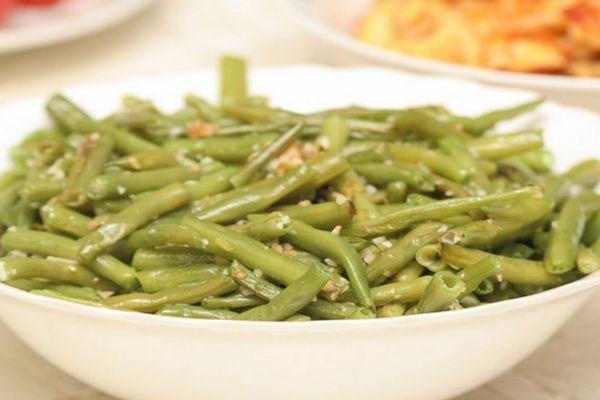
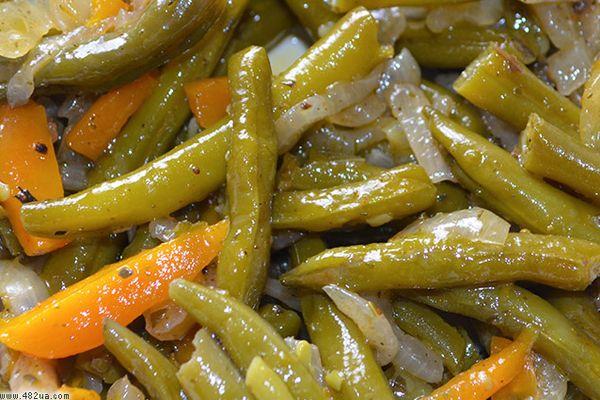
- Boiled green beans as a side dish
- Bake in the oven
- Braised asparagus with chicken
- Salad with fresh carrots
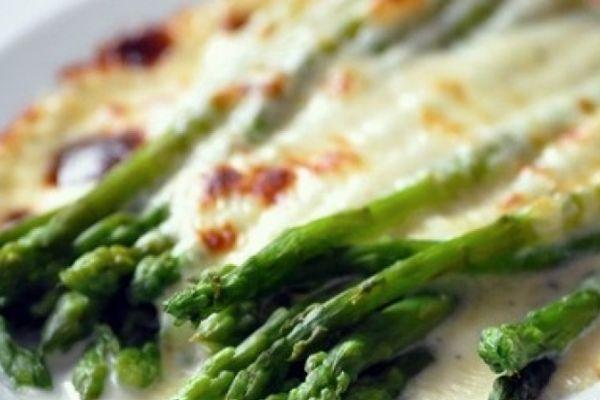
- Baked in a creamy sauce
- Asparagus in Korean
- Marinated asparagus
- Pie
Asparagus is a plant belonging to the genus Asparagus. Its medicinal properties were known as far back as Ancient Greece; Hippocrates even mentioned them. We'll explain what asparagus is and where this healthy vegetable grows.
Description of the variety
The plant is a veritable treasure trove of vitamins and minerals. It has a variety of beneficial effects on the body.
Chemical composition
90% of the composition is water, the vegetable contains a minimal amount of fat (approximately 0.1%), and carbohydrates amounting to 3%.
What's good about asparagus?
Due to the fact that the vegetable contains a lot of dietary fiber, consumption of the product has an extremely positive effect on the functioning of the gastrointestinal tract.
Protein content
Bekov - 1.9 grams per 100 grams.
Vitamin content
The vegetable is rich in the following vitamins:
- B vitamins (thiamine, riboflavin, folic acid, pyridoxine);
- vitamin K;
- vitamin E;
- vitamin PP;
- beta-carotene;
- Vitamin A.
Caloric content
It is low in calories; the vegetable dish contains only 20 kilocalories per 100 grams.
Seeds
It is used as a coffee substitute.
Leaves
It is used to treat alcohol poisoning.
Roots and rhizome
The roots are used to treat diabetes, eczema, and cramps.
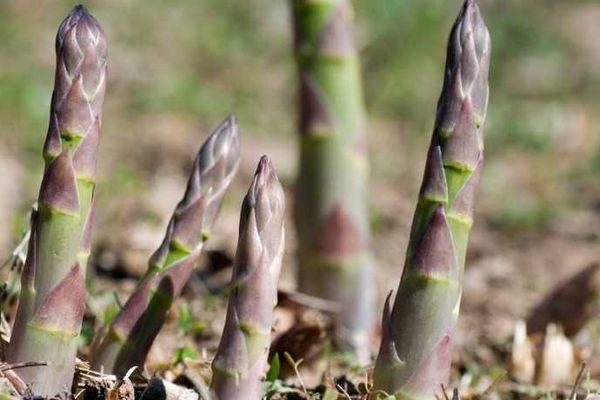
Stems
The stems contain substances that help the functioning of the kidneys, liver and genitourinary system.
Berries
Chinese healers use the plant's berries to treat men's health.
Juice
A strong diuretic (when consumed, dilute with fruit juices).
Types of asparagus
There are several types of vegetables. What types are there and how do they differ?
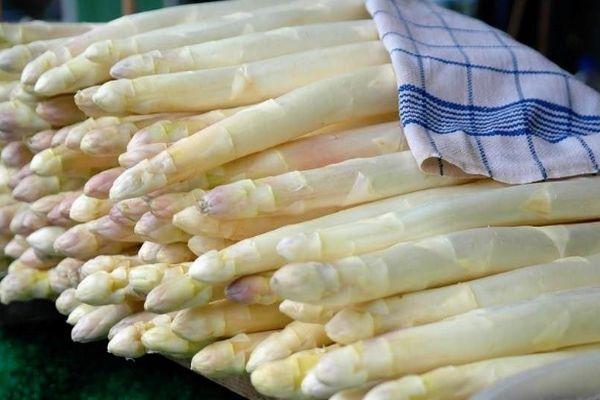
White asparagus
The product's high price is due to the labor-intensive cultivation process. The stems grow under a layer of loose soil. The plant turns white due to lack of sunlight. This variety has a bland taste.
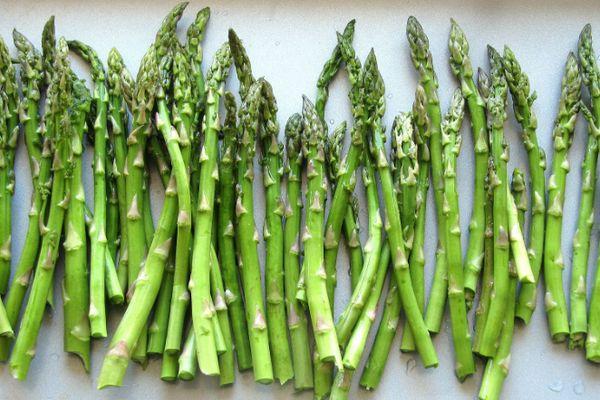
Green
This species is the most widespread of the entire family. The advantage of the green variety is that it contains chlorophyll, which means it supplies the human body's cells with oxygen.
Purple or red
The vegetable receives sunlight only in small doses for short periods of time. This cultivation method causes the plant to produce the pigment anthocyanin, which is responsible for its purple (blue-red) color. It has a slightly bitter aftertaste.
Soy
This product is made from soybeans and does not belong to the Asparagus family. The soybean variety is a semi-finished product, which is actually the film collected during the boiling of soy milk.
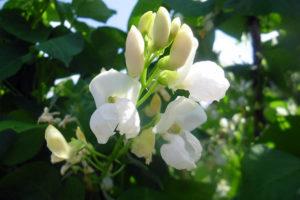
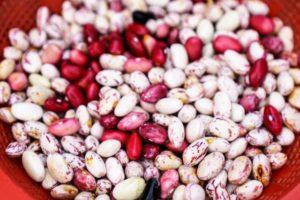
Beans
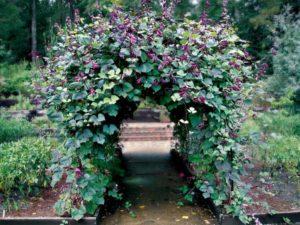
Despite its name, the legume also has nothing else in common with the Asparagus family. The pods of the legume are shaped like asparagus sprouts, which is why the first plant received this name.
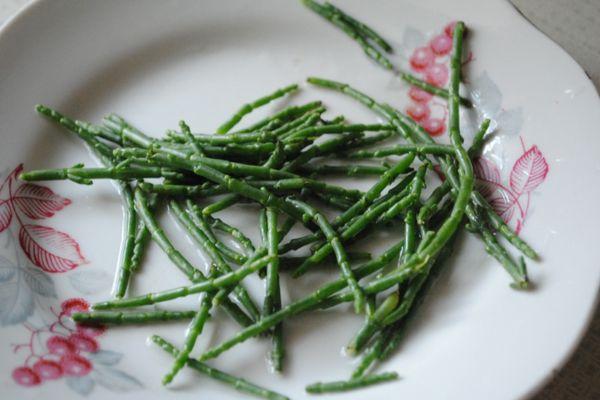
Marine
The product grows along the sea coast. Its texture is similar to that of real asparagus, hence its name.
Varieties
There are several varieties of plants of the Asparagus species.
Glory of Brunswick
A late variety, the shoots are distinguished by their high taste and health qualities and are excellent for canning.
Early Argentine
An early-ripening garden crop. Very popular in Russia.
Yellow early
The shoots of this vegetable variety can be eaten raw.
Mary Washington
A mid-early variety with fairly large, yellowish shoots. It has excellent flavor, regardless of how it's prepared.
Snow head
This is a mid-season variety, and its shoots can be eaten raw or used for preparations.
Fruitful
The variety is distinguished by its high yield; the shoots of the vegetable are large and thick, with pink heads.
Tsar's
The variety is frost- and drought-resistant and rarely affected by diseases and pests.
Dutch Green
This high-yielding variety produces green shoots. It stands out among other varieties for its delicate flavor.
Growing regions
This vegetable has been cultivated in Russia since the 18th century. It grows primarily in the south (Crimea, the Caucasus, and the Krasnodar region) and in the European part of our country. Wild varieties also grow in Siberia, where the plant can survive temperatures as low as -30 degrees Celsius.
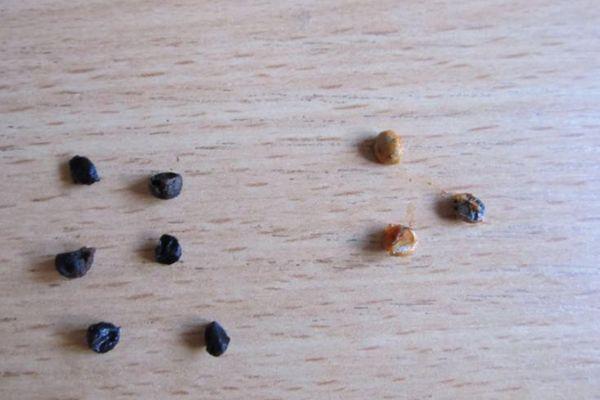
Growing from seeds
This method is the most effective. Seeds of various varieties are readily available at the store. The plant produces its first harvest after three years, after which it can continue to produce for several decades.
Propagation by dividing the bush
The second method of plant propagation is division. This method is recommended in the fall. The mature plant is dug up and the shoots are divided into individual parts. The shoots are planted in pre-prepared holes filled with fertilized soil.
Propagation by cuttings
Cuttings suitable for propagation can be obtained from late winter to early summer. The cuttings should be at least 15 centimeters long. Maintain a temperature of around 20 degrees Celsius.
Forcing asparagus yourself in winter
To obtain succulent shoots, the plant requires winter forcing. This will require a basement or a small greenhouse. The roots should be approximately four years old. To ensure strong shoots, it is essential to maintain temperatures below 10°C (50°F) for the first 10 days and up to 18°C (64°F) for the next 14 days.
Landing
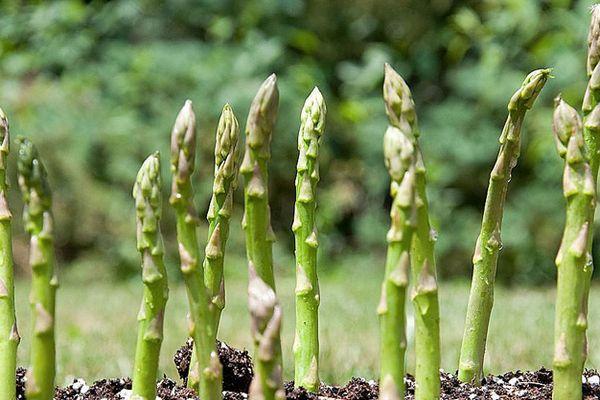
Vegetables are planted in spring or before winter.
Spring planting
Before planting in the spring, the soil must be fertilized with humus. Water the soil generously and plant in a 30-centimeter-long trench. The growing period is until the buds emerge.
Autumn planting
If you're planting asparagus in the fall, dig up the soil and apply superphosphate and potassium sulfate to every meter of soil. When planting, form a small mound to protect the plant from frost.
Into open ground
The preliminary planting material is grown in a mini-greenhouse. The next step is to fertilize the soil in the garden. The soil is dug, loosened, and leveled. The distance between the beds is 35 centimeters. The seeds are planted at a depth of 2 centimeters.
In the greenhouse
The beds are prepared in the fall: the top layer is dug to a depth of 50 centimeters, and the soil is enriched with organic matter and mineral fertilizers. When growing asparagus in a greenhouse, the plant will require frequent fertilizing, loosening the soil, and weed control.
Care
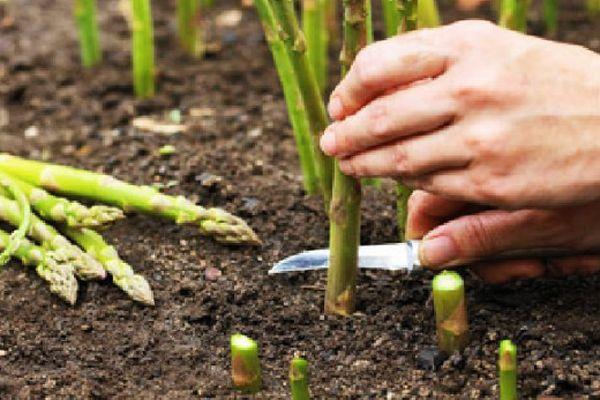
When growing vegetables, a gardener will have to regularly perform three actions: loosening, watering, and weeding.
Diseases and pests
The asparagus beetle larvae are dangerous to the plant. You can protect yourself from the pest by using Karbofos.
Another dangerous pest is the asparagus fly. This pest is controlled by burning damaged plants.
Medicinal properties
The vegetable contains many useful elements that have a therapeutic effect on various diseases.
For men
The vegetable is recommended for consumption by men suffering from:
- problems with urination;
- decreased sexual function;
- inflammation of the prostate gland.
During pregnancy
Influence:
- has a positive effect on the development of the fetus;
- helps to get rid of swelling;
- improves liver function.
For diabetes mellitus
Regular consumption of this product can help control blood sugar, and a regular asparagus diet can normalize insulin production. For diabetics, this product can be consumed in any form: raw, fried, boiled, or stewed.
Contraindications
It is contraindicated to eat this vegetable if you have the following illnesses:
- stomach ulcer;
- diseases of the digestive system;
- rheumatism;
- cystitis.
Collection
Asparagus isn't harvested until the third year. To ensure the shoots retain their quality, they must be harvested within an hour or two.
Storage
The roots are trimmed, the stems are dipped in water, and placed in the refrigerator. The plant will keep in the refrigerator for about 3 days. The plant can be stored in a cellar or basement for several weeks.
Freezing
Frozen asparagus has a shelf life of approximately 300 days. To freeze, follow these steps:
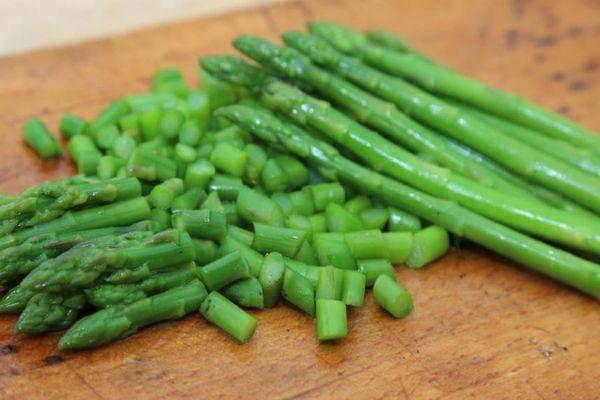
- The vegetable is thoroughly washed, cut into pieces and poured into a colander.
- The pieces are placed in a pan of boiling water and covered with a lid for 3 minutes.
- A colander with pieces of asparagus is lowered into ice water.
- Remove the vegetable from the water, let the liquid drain and place the product in a container, closing the lid tightly.
- The container is moved to the freezer.
Recipes for delicious cooking
How to cook vegetables at home? Check out our selection of the best recipes!
Fried asparagus with egg
Remove the asparagus stems and bring water to a boil. To crisp the asparagus, dip the stalks in boiling water for about 2 minutes, then plunge them into ice water. Fry the asparagus in a preheated pan for 3 minutes. Season with grated garlic, salt, and pepper to taste. In a separate pan, cook a standard fried egg.
Carefully arrange the asparagus on a plate, then top with an egg. Sprinkle with herbs. A healthy breakfast is ready!
Creamy green asparagus soup
Recipe:
- Cut the asparagus spears into small wedges. Chop the onion into small pieces.
- Pour chicken broth into the pan, add asparagus, onion and leave to cook for 10 minutes.
- After cooking, grind the entire mixture with a blender.
- In another saucepan, combine the butter, flour, and spices. Add the asparagus puree and a glass of milk.
- At the end, pour in the cream and cook until done for 20 minutes.
Boiled green beans as a side dish
Preparation:
- Cut the beans into small pieces and cook for 7 minutes.
- Soak the almonds for 7 minutes and remove the outer crust.
- Grind the almonds and garlic using a blender and fry in a frying pan until crispy.
- At the end, add the beans to the pan, pepper and salt to taste.
Bake in the oven
The dish is simple in execution.
Preparation:
- Wash asparagus (0.5 kilograms) thoroughly, especially the tips.
- Preheat oven to 205 degrees.
- Place a plastic bag greased with olive oil (2 tablespoons) on a baking sheet.
- Place the asparagus on a baking sheet, leaving some space between each piece. The vegetable should be coated evenly with oil.
- Add spices to taste.
- Bake the asparagus for 15 minutes.
Braised asparagus with chicken
Preparation:
- Cut the chicken into small pieces and fry in vegetable oil.
- Add washed pieces of asparagus to the pan.
- Add spices to taste and leave to simmer for about 10 minutes.
- Cut the chili pepper into small pieces.
- Cut the tomatoes into small wedges.
- Add the peppers, tomatoes, and tomato paste to the pan and simmer for another 10 minutes. A spicy, hearty dish is ready!
Salad with fresh carrots
To prepare the salad, boil the asparagus spears for 10 minutes, then cut into small pieces and place in a salad bowl. Next, add the green peas (canned, drained). Thinly slice the carrots and simmer in a frying pan over low heat for 10 minutes.
Prepare the sauce: mix vegetable oil (2 tablespoons), grated garlic (2 cloves), and vinegar (1 teaspoon). Mix the vegetables in a salad bowl, season with the sauce, and sprinkle with sesame seeds. The salad is ready!
Baked in a creamy sauce
Let's prepare:
- Place green asparagus pieces on a baking sheet and bake for 15 minutes until golden brown.
- Heat a frying pan and add the cream. Top with grated cheese and stir the sauce thoroughly. Season with salt and pepper to taste and simmer for 3 minutes, until the sauce thickens.
- Carefully arrange the vegetables on a plate and pour the sauce over them. The dish is ready!
Asparagus in Korean
Soy asparagus is used to prepare this dish.
- Cover the dried asparagus with water. Soak for 1 hour.
- Shred the carrots on a coarse grater.
- The next step is to prepare the marinade. For this, combine salt, sugar, pepper, vinegar, and garlic. Place the marinade over the heat and turn off the heat once it reaches a boil.
- Cut the asparagus into even pieces and pour the marinade over it. Let the dish sit in a warm place for 1 hour.
Marinated asparagus
How to do:
- Place the soy asparagus in a deep bowl and pour boiling water over it for a couple of hours.
- After 2 hours, place the asparagus in a colander and drain (it should be stored in a separate container). Cut the asparagus into small pieces.
- In a separate bowl, prepare the marinade: mix vinegar, olive oil, salt, sugar, and spices to taste.
- Chop the onion and add to the asparagus.
- First pour the marinade into the asparagus, and then the water (the remaining liquid from the asparagus).
- We leave the dish for a day, after which it is ready to eat!
Pie
Preparation:
- In a blender, combine the flour, butter, and spices. Finally, add the water and knead the dough.
- We form the dough into a ball and then wrap it in cling film.
- Leave the dough in the refrigerator for half an hour.
- After 30 minutes, roll out the dough into a layer and place it in the pan.
- Peel the tough skin off the asparagus.
- In a separate bowl, whisk together the sour cream, heavy cream, and egg. Finally, add the grated garlic and spices to taste. The dressing is ready!
- Pour the filling into the mold.
- Carefully place the peeled asparagus into the filling.
- Place the pan in the oven and bake for 20 minutes until golden brown.
Related posts:
 How to grow asparagus at home: planting and care guidelines
 Making finger-licking good eggplant caviar with peppers and tomatoes
 Golden recipes for preparing pickled melon for the winter and storing the prepared products
 Descriptions and names of varieties and the best types of radish, planting and care
 Recipes for making pickled green beans for the winter at home
 Canning green beans in tomato sauce for the winter: recipes and storage conditions
 Description of the best pepper varieties for greenhouses and open ground in 2025
 How to freeze and preserve pumpkin for the winter at home in the freezer