
Understanding which beans and in what form are healthier can only be achieved by examining the nutritional content of each variety. The nutritional value of each bean variety varies, but not significantly. They contain many amino acids, vitamins, and minerals that help restore healthy internal organs. To prepare delicious and healthy bean dishes, follow a few guidelines.
What is the difference?
All varieties of beans are a valuable source of protein, vitamins, minerals, and trace elements. Moreover, their beneficial properties are preserved when canned and frozen. Each variety differs in the composition of these beneficial components, taste, size and color of the grains.
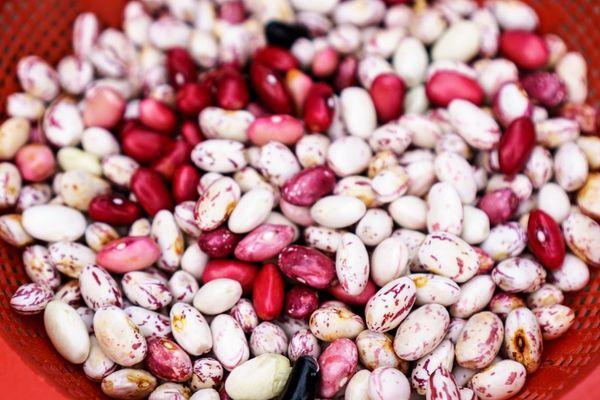
When it comes to growing the plant in your garden, some varieties are suitable for planting outdoors, while others can only be grown in a greenhouse. Growth patterns can range from bushy, semi-climbing, or climbing. The way the resulting harvest is consumed can also vary. Some varieties use only the seeds, while others also use the pods.
Varieties
Among the wide variety of varieties, green beans are the best choice. They are divided into subspecies, each with a different color. Based on how they are eaten, there are three main varieties:
- The shelling (grain) variety is distinguished by its particularly nutritious beans. Only the beans are used for food; the pods are too hard and do not cook well.
- The asparagus (vegetable) variety of the plant can be used in cooking along with the pods. The pods remain soft throughout the growing season.
- Semi-sweet beans are characterized by the fact that the beans can be eaten with the pod until they are fully ripe. At the end of the growing season, the pod hardens and is no longer suitable for consumption.
Depending on ripening time, there are early, mid-season, and late-season varieties of this vegetable crop. Beans can be small, medium, or large in size. Large beans can weigh up to 380 g.
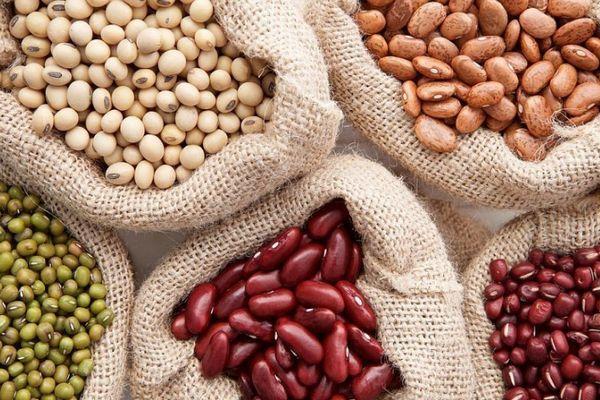
White
The smooth grains are milky white. They contain a high amount of plant protein, similar in composition to beef. Dietary fiber promotes digestive health. Among the macronutrients, potassium and phosphorus are prominent, as are high levels of B vitamins.

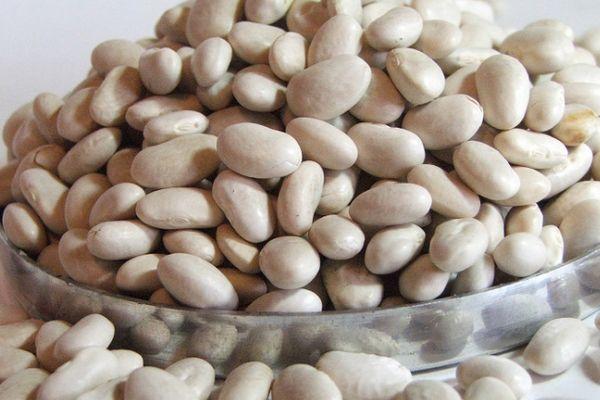
This variety of culture removes harmful cholesterol, strengthens bones, the heart, and blood vessels, calms the nervous system, reduces blood sugar levels, and lowers blood pressure.
Red
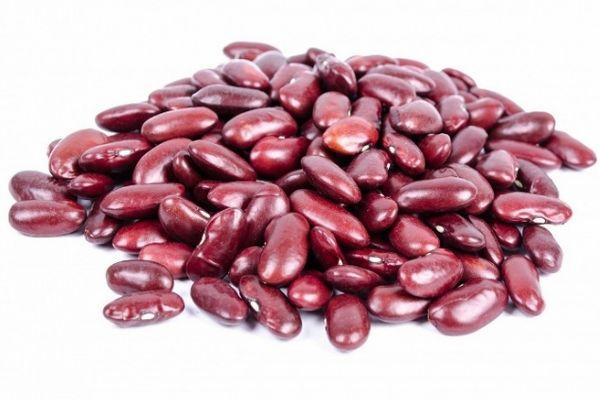
Red kidney beans are high in calories, providing energy and strength. They are low in fat, cholesterol-free, and rich in dietary fiber. A distinctive feature of this variety is its high organic content, especially potassium.
Including red beans in your diet helps strengthen the immune and nervous systems, improves skin condition, and normalizes blood sugar levels. Fiber helps regulate metabolism and eliminate toxins from the body.
Black
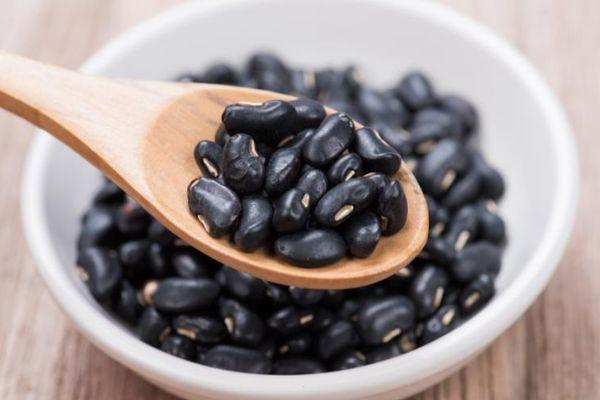
Grains and pod black beans Silky black in color. The beans have a sweet, smoky flavor. This bean is the most calorie-dense of all beans, containing 70 calories more than red beans. They also contain over 23 micronutrients, as well as many vitamins and amino acids.
The health benefits are enormous. Black beans cleanse blood vessels, restore heart function, improve skin condition, remove harmful compounds from the body, normalize blood counts, and stimulate brain function.
Asparagus
Green beans don't contain much protein, but they are rich in vitamins, minerals, and trace elements. 100 grams of fresh green beans contain 45 kcal. They have the least fiber, making them quickly and easily digestible.
Thanks to a whole complex of beneficial components, asparagus improves the functioning of the heart and blood vessels, boosts immunity, calms the nervous system, normalizes sleep, and removes toxins.
Legume
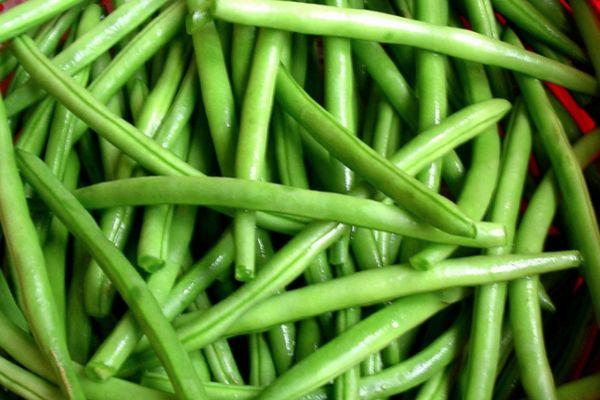
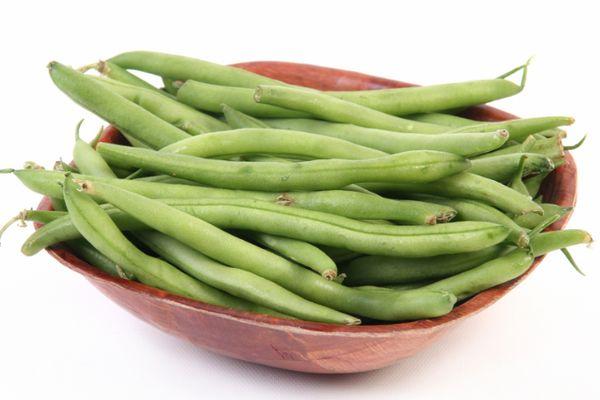
The string bean variety is a common young, immature bean. It contains many beneficial substances, especially folate, vitamin B9, and iron. Its nutritional value is 24 kcal.
Green beans normalize the nervous system, improve metabolic processes, prevent the development of anemia, increase the body's resistance to infections, and cleanse blood vessels.
Which form is healthier?
Any type of bean can be frozen or canned. If you follow all the recommendations, its beneficial properties will be preserved for a long time. You can stew it with other vegetables or boil it with spices. Salads with beans are considered delicious.
Fresh
Only green beans can be eaten fresh; they need to be soaked for 6-8 hours beforehand. However, moderate cooking is best.
Raw meat contains substances toxic to the human body, such as lysine. Only heat treatment can break down these harmful components.
Frozen
Frozen beans retain almost all of their vitamin and mineral content. Amino acids are not destroyed during freezing. Fiber levels also remain unchanged.
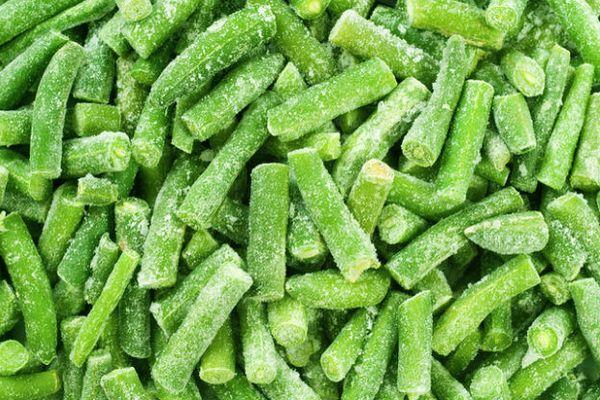
Since all the beneficial properties are retained after defrosting, freezing is an excellent way to preserve beans for a long time. The main rule is not to refreeze beans. If beans are frozen twice, all their beneficial properties are lost.
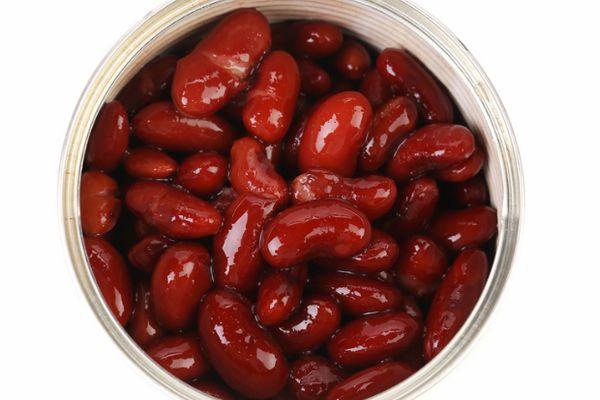
Canned
Canned beans retain many of the beneficial properties of fresh beans. They are also rich in protein, fiber, and micro- and macronutrients. Therefore, they also improve digestive tract function, restore blood counts, and normalize heart function.
A big advantage of this storage method is that they can be used immediately, after being slightly reheated. Canned beans are added to soups and salads. It's best to choose beans that are canned in a glass jar and kept in their own juices.
How to choose correctly
When choosing any When choosing beans, you need to carefully examine their appearanceThe high quality of the product is evidenced by:
- smooth grain surface, without damage, stains or plaque;
- a loose mixture of beans without foreign particles;
- quality grains should be free-flowing and of uniform size;
- the consistency is elastic and dense.
If the product is packaged, the container must be undamaged. Be sure to check the packaging date and expiration date.
Beneficial properties
Beans help to cope with many pathological processes in the body:
- The product lowers cholesterol, normalizes blood glucose levels, and eliminates toxins. All these properties are beneficial for diabetics.
- Fiber restores bowel function, so beans are recommended for inclusion in the diet of patients with irregular bowel movements.
- Micro- and macroelements have a beneficial effect on the cardiovascular system. These and other valuable components reduce stress on the heart, improve circulation, and cleanse blood vessels.
- Plant proteins are fully absorbed by the body without overloading the digestive tract. They provide energy and do not contribute to weight gain.
A healthy product in moderate quantities will improve the functioning of all internal organs.
Composition and caloric content
Beans contain a lot of proteins, minerals and vitamins, which help boost immunity, improve metabolic processes and restore the functioning of all body systems.
Beans contain 20 g of protein, 3 g of fat, and 46 g of carbohydrates. 100 g of raw beans contain approximately 290 kcal, while cooked beans contain 100 kcal.
Benefits and harms
Raw beans should not be eaten because they contain many toxic substances. These toxins are destroyed by heat treatment and proper cooking. Contraindications to eating beans include ulcers, liver disease, stomach disease, and pancreatic disease in the acute stage.
Storage methods
There are three main methods storing beans:
- drying (dried grains are stored at a temperature of -5…+5 degrees in canvas bags, glass jars or cardboard boxes);
- freezing (prepared grains are placed in plastic bags);
- canning.
Each method has its own recommendations for preserving the maximum amount of useful components.
Recommendations for cooking different types
Beans can be stewed, boiled, or added to salads:
- It is recommended to soak many types of beans in water for 6 hours in the refrigerator before cooking.
- You can cover the grains with water, place them on the stove, and cook for 2-3 minutes after boiling. Then cover the container for two hours. After two hours, drain the water, rinse the grains, and cook until tender.
- It is not recommended to mix several types of beans during cooking.
- To slow down the cooking of beans, it is recommended to add cold water during the cooking process.
Each recipe has its own preparation nuances. If you follow the instructions, you'll get a delicious and healthy dish.
Related posts:
 Description of the 90 best varieties of beans for open ground with names
 Description and properties of the 50 best varieties of asparagus beans, benefits and harms
 How and where beans grow, planting and care rules in open ground
 The benefits and harms of red beans for the human body: for women, men, and children
 Planting seedlings and seeds, growing and caring for asparagus beans in open ground
 Health benefits and harms of black beans, varieties, contraindications, and recipes
 The best recipes for pickled beans in jars for the winter are so good you'll lick your fingers.
 What is a bean—a vegetable or not, what does the plant look like, description, and family
Every bean variety is healthy, and I chose them based solely on taste. I grow only white beans, and I always fertilize the seedlings withBioGrow".