
The bean plant is known for its healthy and delicious fruits, which are high in protein. This protein content is comparable to that of fish and meat. Due to its rapid absorption by the body, this product has exceptional nutritional value. Furthermore, it boasts powerful healing properties and is widely used in traditional and alternative medicine.
Features of beans
This popular vegetable is native to South America. It is cultivated in various climate zones, with no strict soil requirements.
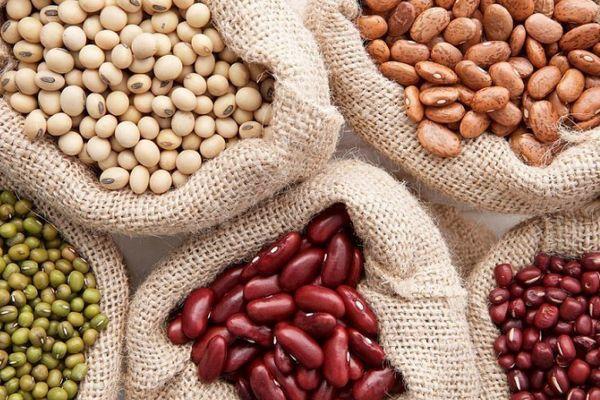
For your information! Over 220 varieties and cultivars of legumes have already been bred, allowing gardeners to choose the most suitable option for their garden.
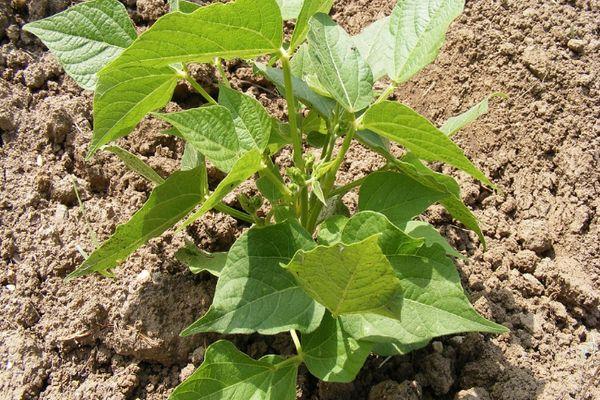
According to the description, the plant belongs to the legume family. The stem depends on bean varieties are climbing, erect, highly branched, and covered with sparse hairs. As it matures, the lower part of the trunk woodies, developing into a taproot with numerous lateral branches. The leaves of this legume are paripinnate and trifoliate. Elongated racemes bear papilionaceous flowers, the color of which depends on the cultivar.
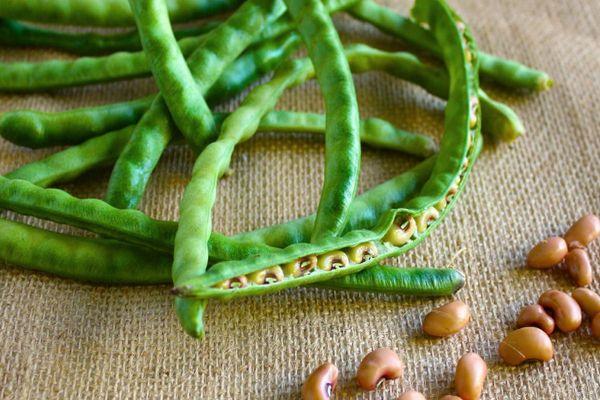
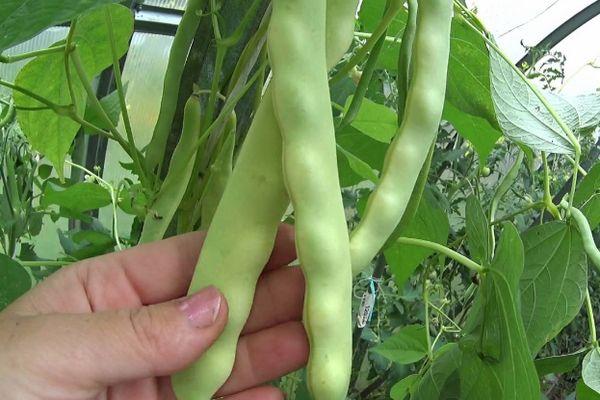
The fruits are long, pendulous pods, 5-20 cm long and 1-1.5 cm wide. Their shape can be straight or curved, and their color ranges from pale yellow and green to dark purple. The seeds contain 2 to 8 seeds. They are 5-15 cm long, elliptical, and white to dark purple in color, either uniform or mottled.
Types and varieties
The following main groups of beans are distinguished:
- Shelling (grain) beans. The fruits of this variety of bean are not suitable for eating green; their fiber is rather coarse. They are widely planted as a table or forage crop. The main thing is to allow the seeds to reach technical maturity.
- Asparagus (sugar) beans. The beans contain a large number of beneficial components and lack a parchment layer or coarse fiber, allowing not only the beans but also the entire pods to be eaten. This versatile legume is suitable for both fresh consumption and culinary creations. It's important to harvest the ripened beans in a timely manner.
- Semi-sweet. The tough fiber of the beans must be removed before eating.
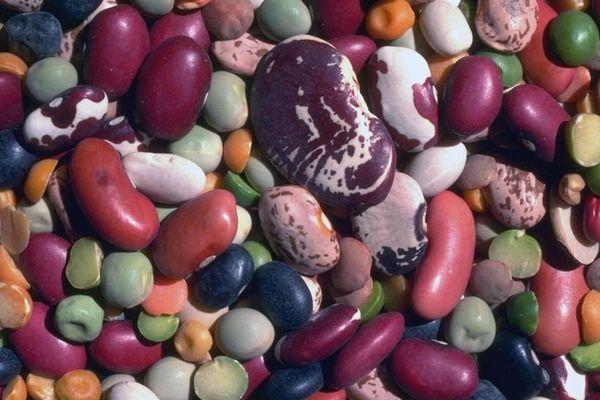
According to varietal characteristics, beans are:
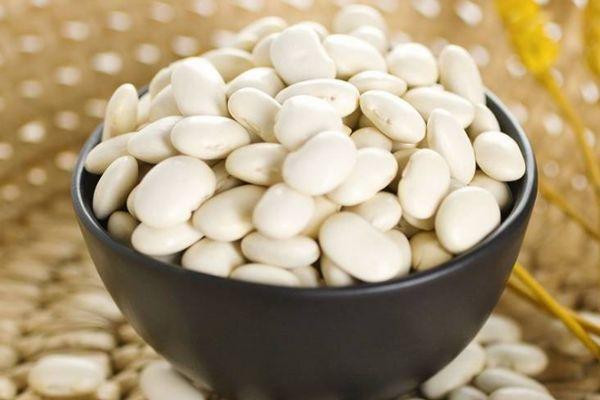
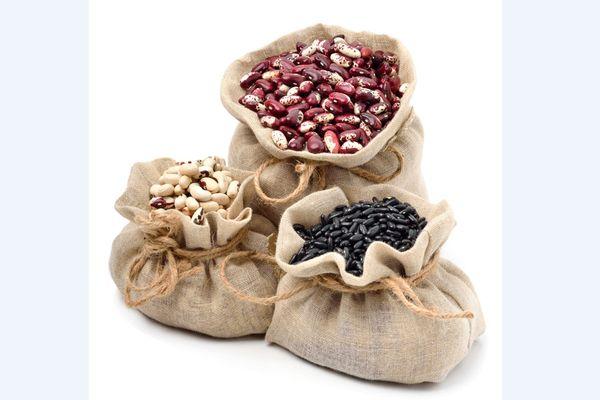
- White. This variety is popular with gardeners. Due to its low protein content (7 g per 100 g of beans) and high iron and fiber content, this product significantly improves cardiovascular health and is especially beneficial for the elderly and overweight individuals. Well-known varieties of white beans: Black eye, Lotus, Little Red Riding Hood.
- Red beans. These are climbing beans, distinguished by their curved pods and red beans. Due to their rich chemical composition, these beans have a beneficial effect on the nervous and immune systems and are also effective in combating skin problems, improving their condition. They are often used in soups, added to salads, or as a side dish.
- Black beans. The beans have a distinctive appearance, with a silky surface and a rich black color. They attract consumers with a smoky flavor with a slight sweetness. Their protein content is not much different from white and red beans, at 9 g per 100 g. Regularly including this product in your diet helps normalize gastrointestinal function. They are used in soups, salads, desserts, and baked goods.
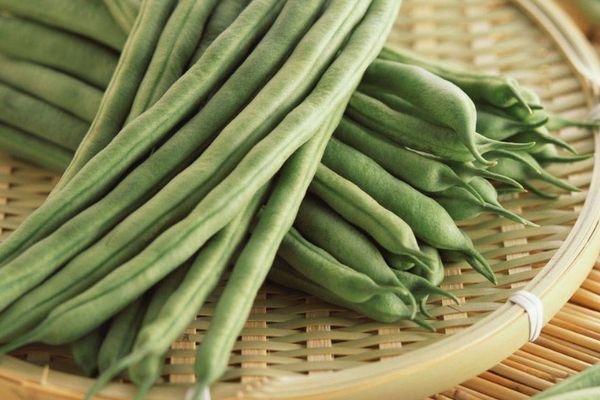
- Green beans. These beans are distinguished by their fleshy, juicy green pods, with tender, pleasant-tasting flesh. They are completely edible. Due to their ample fiber and complex carbohydrates, they are used as a dietary product.
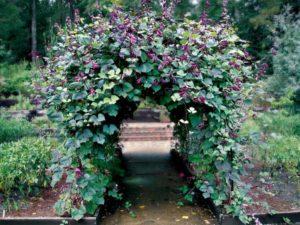
- Ornamental. This bean variety is used to decorate walls, arches, and arbors, as well as to create unique designs in various areas of the garden. The leaves of ornamental beans provide shade on terraces.
According to ripening time, beans are divided into:
- early maturing (up to 65 days);
- mid-early (65-75 days);
- average (75-85 days);
- mid-season (85-100 days);
- late (from 100 days).
Another feature of bean classification is its structure type:
- Bushy. This legume grows up to 60 cm, doesn't require a large area, and doesn't require supports to support the trunk.
- Climbing beans. Besides their nutritious fruit, beans are also prized for their decorative qualities. To speed up the ripening process, gardeners pinch off the top growth point. The beans are distinguished by their unusual coloring and unique shape.
- Semi-climbing. The length of the vines in these varieties does not exceed 2 m.
Among the popular varieties of vegetable beans are:
- Purple Queen. A mid-season bean with black fruits up to 15 cm long. This legume is quite drought-tolerant and highly resistant to viral diseases. The bean flowers are purple or dark purple, clustered in clusters of 2-6.
- Melody. This bean gained its popularity due to its early ripening time and the flat shape of its pods, which are 13 cm long.
- Zhuravushka. This compact pod variety produces tender beans that are versatile. The beans are suitable for freezing and winter preservation.
- The Oil King. This bean has proven itself to be exceptionally productive and has excellent flavor.
Growing bean sprouts
If proper agricultural practices are followed, the legume crop grows and develops normally, and the fruits are tasty and nutritious.
Seed preparation
Before planting, the seedlings are carefully sorted, removing any useless, wilted, or diseased specimens. To ensure that the seeds are healthy, they should be immersed in a container of salted water; empty seeds will float to the surface. A weak solution of potassium permanganate is used to disinfect the seeds, which lasts for 20 minutes. To boost their immunity, the seeds are soaked in a wood ash solution for 2 hours.
Planting dates
To avoid negative consequences and for better germination, legume seeds should be planted in soil warmed to 12 degrees Celsius (54 degrees Fahrenheit). The planting depth should be no more than 10 cm. Daytime temperatures should not fall below 15 degrees Celsius (59 degrees Fahrenheit). It's important to avoid the risk of recurrent frosts. The specific timing of legume planting depends on the climate of the region.
Environmental requirements
To successfully grow beans, experienced gardeners artificially shorten daylight hours (to 12 hours) using opaque material. As a result, the fruiting phase begins earlier, and the crop's productivity increases.
Predecessors for beans
It's effective to plant legumes in beds previously occupied by cucumbers, peppers, eggplants, tomatoes, and cabbage, but only after three years. Good predecessors for beans include potato plants, beets, carrots, cabbage, and onions.
Soil preparation
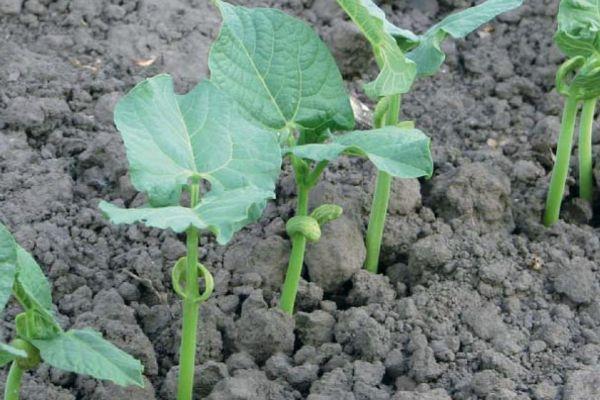
The site for planting legumes should be well-lit and protected from strong winds. Areas with shallow groundwater tables are unsuitable for growing legumes, as they are prone to root rot. In the fall, dig the beds and add organic matter. If acidic soils need to be improved for legumes, liming is recommended.
Sand can be used to loosen the soil. Spreading wood ash over the soil surface has a beneficial effect on bean plantings. Harrow the soil in the spring.
Sowing beans
Pre-treated seeds are placed in furrows 20-25 cm apart, no more than 5 cm deep. The spacing between rows will depend on the varietal characteristics of the specific plant, but ranges from 30-60 cm.
Care
To obtain a bountiful harvest, it is necessary to carry out certain agricultural practices.
Timing of watering beans
The plant can withstand drought, but during the pod formation period, it especially needs watering once every 7 days. The water should be warm and settled.
Fertilizer Features
Throughout the growing season, the feeding procedure is performed three times:
- When the first two leaves appear, apply a fertilizing mixture containing phosphorus and potassium. Apply 20 grams per square meter.
- At the initial stage of flowering, plantings need potassium chloride, 20 g per square meter is used.
- During the ripening period of the blades, phosphorus-potassium mixtures are again added to the soil.
With an excessive amount of fertilizers, the growth of vegetative mass in leguminous crops increases, and the number of ovaries decreases significantly.
Garter beans
Climbing plants require support on trellises or large-mesh netting. Alternatively, string or wire can be strung between two supports.
Diseases and pests
Legumes are most often attacked by downy mildew, anthracnose, legume mosaic, and white rot. Copper-containing products are effective against these diseases. To prevent slugs from attacking crops, remove weeds and maintain soil moisture. Chemical and biological products are used against locusts, whiteflies, aphids, and sprout flies.
Harvesting and storage
Harvesting of legumes begins two weeks after flowering. It's best to cut the pods in the morning using scissors. They can be stored either canned or frozen. If the legumes are used for grain, the stems are cut after they are completely dry, then tied into bundles and hung to ripen.
Growing legumes isn't a particularly complicated or labor-intensive process. The key is to maintain crop rotation, adhere to agricultural practices, and promptly begin treatment when signs of disease are detected.
Related posts:
 Description of the 90 best varieties of beans for open ground with names
 How and where beans grow, planting and care rules in open ground
 Planting seedlings and seeds, growing and caring for asparagus beans in open ground
 Description and properties of the 50 best varieties of asparagus beans, benefits and harms
 Health benefits and harms of white beans, varieties and cultivation
 Planting and growing beans at home on a windowsill step by step for beginners, and controlling diseases and pests
 The health benefits of beans for women and men, harm and contraindications
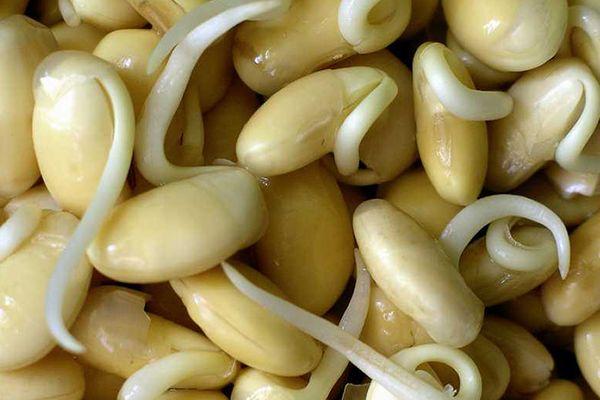
 The benefits and harms of sprouted beans, growing and recipes