
- Description of popular varieties and existing types
- How to choose a variety
- Pre-treatment of seeds
- Timing and technology of sowing
- Landing site and its preparation
- Growing methods
- At home
- In the greenhouse
- Open ground
- Care tips
- Watering
- Weeding and loosening
- Support
- Pinching the shoot
- Top dressing
- Harvesting
- Diseases and pests. Prevention and treatment
Green beans have gained popularity among vegetable gardeners due to their relative undemanding nature regarding growing conditions and environmental factors. Furthermore, the wide variety of varieties makes it easy to select the optimal one. To achieve high productivity of this crop, it's necessary to familiarize yourself with its nuances. growing and caring for asparagus beans.
Description of popular varieties and existing types
Green beans are an annual crop with feather-shaped leaves. They are classified as climbing and bush crops. The plant produces flowers in its axils, and its fruits are bivalve pods containing large, spongy bean pods. This legume is known for its high protein and nutrient content.
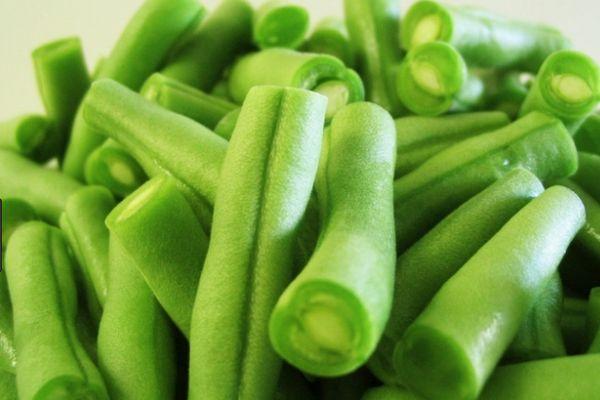
This crop is capable of growing and developing even in low-light conditions and can be planted in semi-shaded areas. Furthermore, it requires no additional pollination, allowing for several varieties of beans to be grown in the garden. Classification is based on the following parameters:
- Ripening periods: early (2 months), mid-early (2.5 months), medium (2.5-3 months), mid-season (up to 100 days), late (from 100 days).
- Type of terrestrial plant: climbing, bushy.
- Taste qualities and areas of application: shelling (grain), sugar, universal (semi-sugar).
Shelling beans are distinguished by their very dense shell; only the beans are used for food. They grow best in warm climates; if planted in temperate climates, the beans won't have time to ripen, and all the effort will be wasted.
Among the popular varieties of grain beans are:
- Ballada, a mid-early ripening variety with a high degree of drought tolerance, has green pods and light yellow seeds with purple highlights.
- Rubin is known for its high productivity and tasty beans. This mid-season variety boasts burgundy-colored fruit.
- Chocolate, with long yellow pods. This mid-season plant can grow up to 1 m in height.
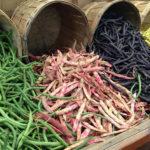
Asparagus beans, or sweet beans, are widely used in cooking; their pods are eaten whole. This is due to the lack of a permanent coating on the pods. Besides their excellent taste, sweet beans can help remove excess fluid from the body.
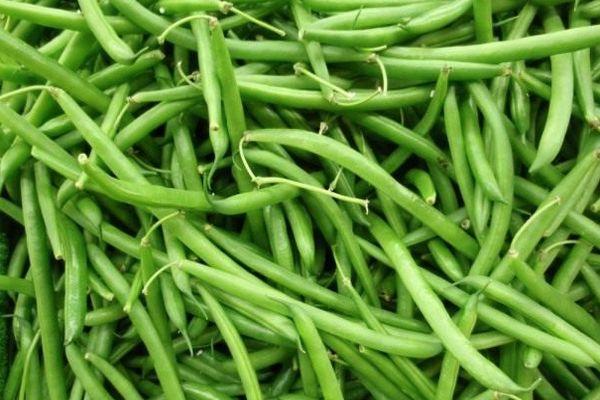
The following varieties are especially in demand:
- The Oil King. This plant is distinguished by its ultra-early ripening period, high yield, and delicate flavor of the pods.
- Ad Rem. This climbing plant produces light pink fruits with a delicate mushroom flavor.
- The plant attracts gardeners with its compact size, stringless pods, and pleasant flavor.
How to choose a variety
Most often, gardening enthusiasts, when choosing a legume crop, are guided by the following main characteristics:
- Yield. The asparagus bean variety must be productive enough to ensure that the grower's labor input is commensurate with the yield.
- Variety ripening. Almost all varieties of asparagus beans are suitable for warmer regions, but for colder climates, it is recommended to choose varieties with early ripening times.
- Low maintenance. It's more effective to plant asparagus bean varieties in your garden that don't require much attention or care and can thrive in any conditions.

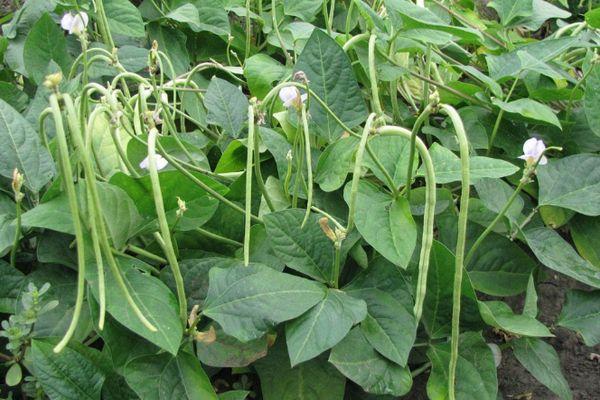
Climbing crops with long pods are planted not only for their tasty and nutritious produce but also as a striking ornamental plant that beautifies garden plots. These plants stand out for their flexible stems and attractive flowers that develop into pods of various colors.
A striking representative of this category of plants is the Japanese cowpea. Bushy varieties of asparagus beans They produce small fruits and are cultivated with other root crops to enrich the soil with nitrogen.
Pre-treatment of seeds
Experienced gardeners use one of the following methods when preparing planting material:
- Planting in well-moistened soil. The asparagus bean seeds are carefully inspected for signs of pests and diseases. The selected seeds are planted in adequately watered soil.
- Pre-soaking. Soaking asparagus bean seeds in a container of hot water for 15 minutes will speed up germination. Sowing should only be done after treating with a weak solution of potassium permanganate.
- Germination. This procedure allows you to achieve the emergence of green bean seedlings even earlier. Selected seeds are spread on a damp cloth and covered with a similar layer of damp cloth. To avoid negative consequences such as the development of rotting, do not over-wet the cloth; it should be moderately moist. After just 24 hours, the first sprouts will appear. Planting should be done with extreme care to preserve the tender sprouts.
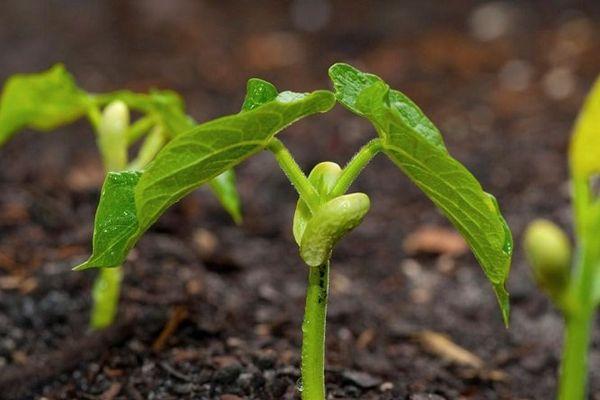
Disinfection of seeds and soil with antiseptics helps to minimize the likelihood of damage to fragile seedlings by parasitic individuals.
Timing and technology of sowing
The timing of planting legumes depends on the climate of a particular region. In open fields, the seeds are sown only when the weather is consistently warm and the threat of spring frosts has passed. In central regions, asparagus beans are planted around the twenties of May, and in the north, in early June. In the southern regions, sowing occurs one month earlier.
If beans are planted in the soil at a late stage, there is a high probability of a decrease in yield indicators.
The soil for planting green beans must be sufficiently warm, at least 10 degrees Celsius. Cold soil negatively affects the beans, reducing their germination rate and causing rotting during swelling and the seedling stage.
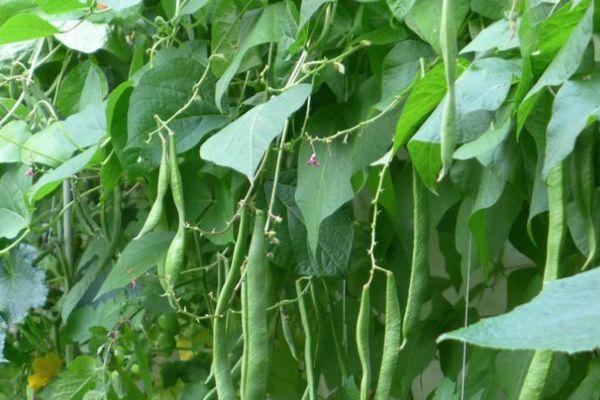
The technology of sowing beans consists of the following steps:
- Selected bean grains are awakened to the beginning of the growing season by soaking them in warm water.
- The soil is moistened in advance.
- Grooves are made 3-4 cm deep. The recommended distance between rows is 40-60 cm. For bush varieties, the holes are made 8-10 cm apart. Climbing varieties, on the other hand, are planted as close together as possible, with supports installed and rope or twine attached to them.
- A handful of wood ash is placed in the holes as a fertilizer.
- They fill it with fertile soil and irrigate it.
Landing site and its preparation
Planting legumes outdoors is most effective in areas with adequate light and free from strong winds. The soil should be light, loose, and neutral in pH. Avoid areas with a high groundwater table, as this can increase the risk of root rot. A bountiful bean harvest has been observed in beds previously occupied by potato plants, tomatoes, and cabbage.

To improve soil fertility, apply organic matter in the fall at a rate of 6 kg per square meter, superphosphate at a rate of 35 g per square meter, and potassium chloride (20 g per square meter). Potassium should be added in the spring, immediately before planting.
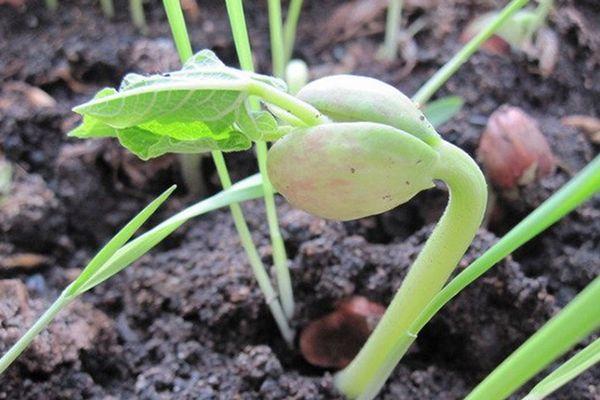
Growing methods
The method chosen for growing legumes will depend on the varietal characteristics of the specific plant. Bush-type plants with sturdy stems are grown in rows, with a spacing of at least 20 cm between plantings. A staggered pattern is effective for planting beans.
The crop is also grown using seedlings. It's important to ensure that temperatures don't drop below freezing. Planting of seedlings occurs after the arrival of stable warm weather, otherwise they will die.
At home
Growing plants on windowsills is less common; early-ripening varieties are used for this purpose. To further enhance the window, climbers are planted. During flowering, clusters of purple, white, or pink flowers form. These vines are superior in decorative qualities to indoor plants.
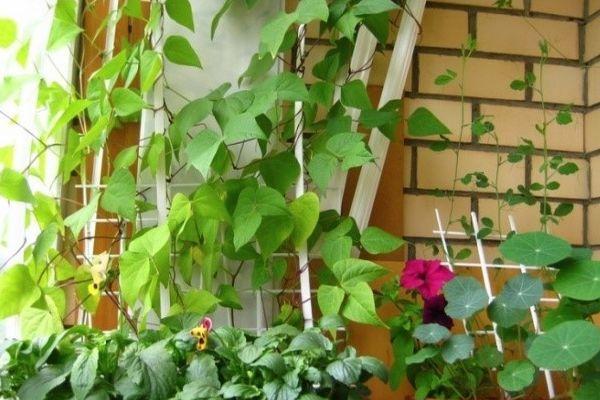
To obtain a bountiful harvest of asparagus beans, use fertile soil. Bushy plants are planted in containers with a capacity of at least 2 liters. Climbing plants are grown in pots with a capacity of over 30 liters. Planting is done using dry or sprouted seeds.
Bean pots should be placed on the south side, where they receive ample sunlight. If there's not enough sunlight, the plant will be weakened and yields will be low. Additionally, asparagus beans require support.
In the greenhouse
To ensure comfortable growing conditions, legumes are planted in greenhouses. This is especially true for climbing varieties. Planting should take place in late February or early March. Initially, sturdy strings are sufficient to support the young seedlings; later, the racks are filled with fertile soil.
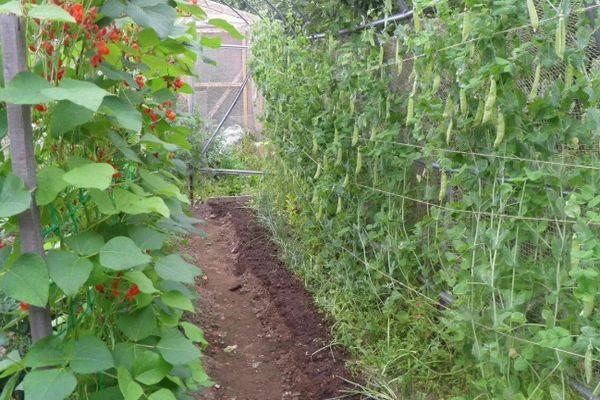
When planting green beans in February in protected soil, additional fluorescent lighting is required. For normal growth and development, the beans require 12 hours of daylight.
Open ground
Heat-loving plants should be planted in the garden only after the weather has become consistently warm. Poor, depleted soils require the application of nitrogen fertilizers, such as ammonium nitrate, in the spring. Only in nutrient-rich soil does a strong root system develop, allowing the plant to better withstand dry weather. Excessive moisture in the asparagus bean bed is unacceptable.
To avoid a long wait for seedlings to emerge, don't plant the seeds too deep. The depth of the trench should be no more than 5 cm.
Care tips
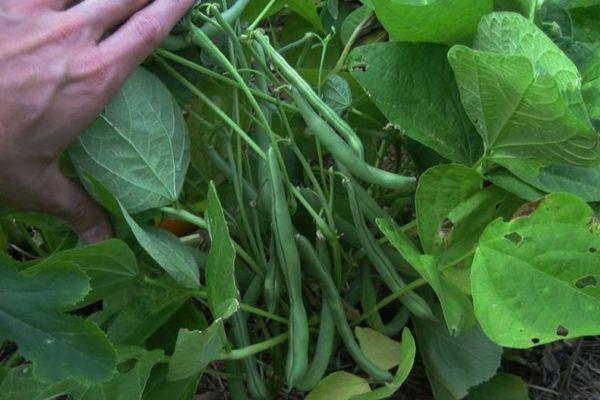
Green beans are very sensitive to sudden temperature fluctuations. If temperatures drop, cover the planting bed with agrofibre. Proper plant care involves weeding, loosening the soil, watering, and adding nutrient mixtures.
Watering
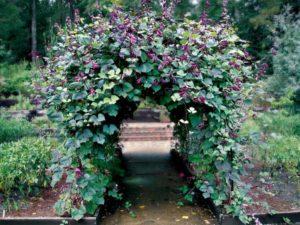
After planting the crop in the soil, water it every other day. The emerging seedlings are watered as the top layer of soil dries. It is recommended to water the roots in the evening.
Weeding and loosening
Avoid allowing excessive weed growth in the area, as it will hinder the growth and development of asparagus beans. Irrigation and loosening of the soil should be carried out after each watering until the plants reach a height of more than 10 cm. The first soil treatment is performed when green bean sprouts reached 7 cm.
Support
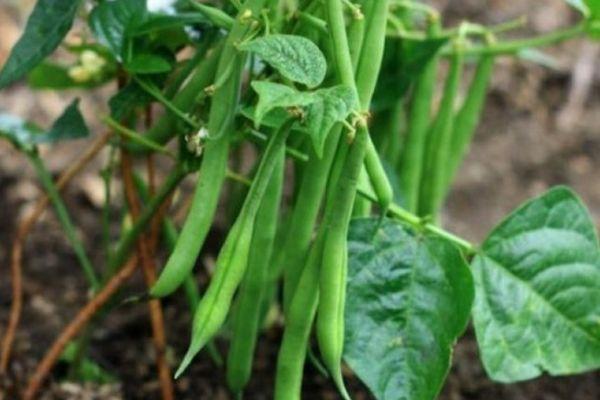
A support is installed for climbing varieties. A strong wire is stretched from the support, which is no more than 1.5 cm high, and the beans are guided along it. The climbing shoots that emerge from the shoots are also guided toward the support.
Pinching the shoot
Hilling of green bean plants is done when they reach a height of over 10 cm. This technique will strengthen the root system and improve nutrition. Pinching off the top growth point is done at a height of 2 m. This technique helps preserve nutrients, resulting in a high-quality and plentiful harvest.
Top dressing
Most often, gardeners use the main Cow manure is used as fertilizer for asparagus beans.There are several ways to use it: for mulching or spraying plantings. When the first leaves appear, apply superphosphate fertilizer. Chemical fertilizers are not recommended; it's better to replace them with organic compounds.
Harvesting
Legume pods ripen in stages. The fruiting phase lasts until the first frost. To prevent overripening, harvesting should be done on time. Asparagus beans begin to set 2-3 weeks after flowering, and the first fruits are harvested 10 days later.
Diseases and pests. Prevention and treatment
Legumes are most susceptible to fungal infections, viral diseases, and parasites. As a result, the root mass of asparagus beans is susceptible to rot. White rot, aphids, and powdery mildew are the most common pests. Anthracnose can also infect them.
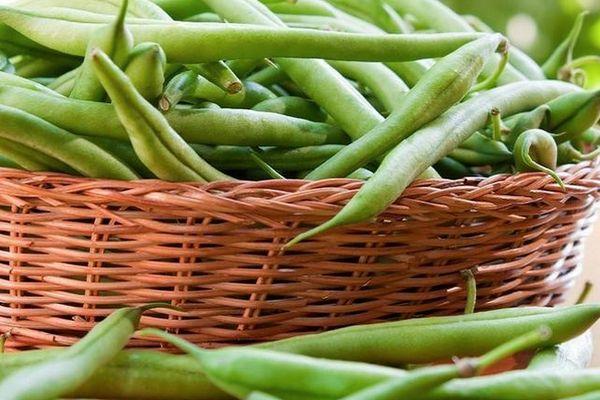
To prevent disease development, seeds must undergo pre-planting treatment before planting. Sowing is permitted only on warm days. storing green beans Steamed with warm air. Agrochemicals may be used once per season, but a broad-spectrum bio-compound should be applied beforehand.
Growing green beans will be successful if you adhere to basic agricultural practices and do not neglect preventative measures.
Related posts:
 Description and properties of the 50 best varieties of asparagus beans, benefits and harms
 Description of the 90 best varieties of beans for open ground with names
 Recipes for making pickled green beans for the winter at home
 How and where beans grow, planting and care rules in open ground
 The benefits and harms of red beans for the human body: for women, men, and children
 The best recipes for pickled beans in jars for the winter are so good you'll lick your fingers.
 The health benefits of beans for women and men, harm and contraindications
 Health benefits and harms of black beans, varieties, contraindications, and recipes