
- Description of the species
- What does it look like?
- Compound
- Calorie content and nutritional value
- Vitamins, micro-, macroelements
- What is useful?
- For men
- For women
- During pregnancy and breastfeeding
- For the gastrointestinal tract
- When dieting and losing weight
- For diabetes mellitus
- Contraindications
- Varieties
- Kidney
- Preto
- Growing and care
- Collection and storage
- Pests and diseases
- Use in folk medicine
- Preparation of infusions
- Decoctions
- Application in cosmetology
- Preparation
- Soak?
- How to cook?
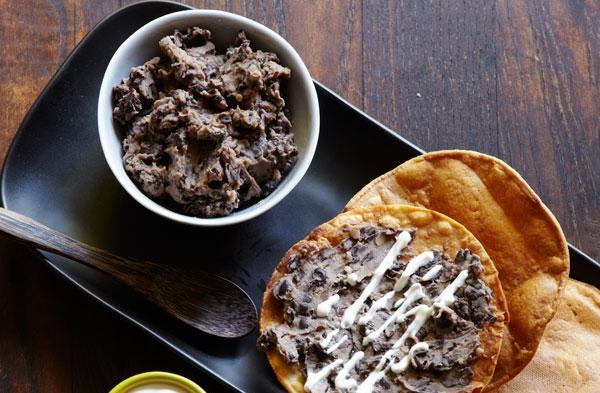
- Hummus puree
- Cooking plan
- Black Bean and Buckwheat Soup
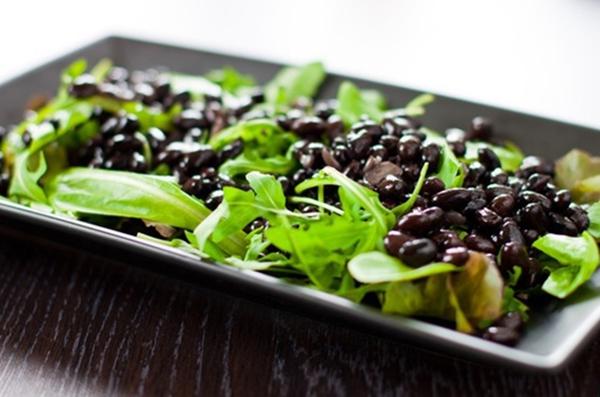
- Black Bean, Pepper, and Tomato Salad
- Bean and sausage soup
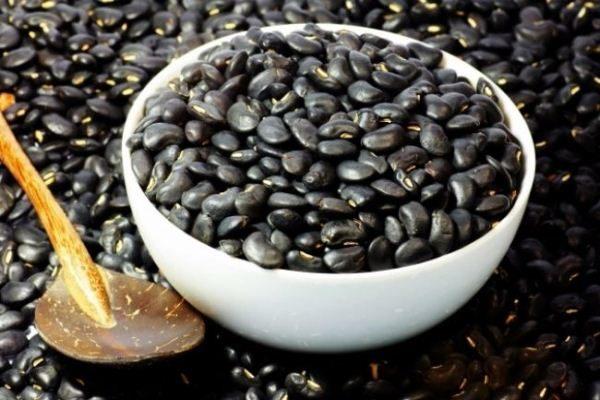
Black beans are considered a unique legume. The ancient Romans and Egyptians were the first to cultivate them. But two centuries ago, they also arrived in Russia, having traveled from South America and France. That's why they're called "French beans."
Interesting to know: Black beans are a staple food for Mexicans and Brazilians.
Description of the species
This annual herbaceous plant belongs to the legume family. This undemanding crop grows in any climate and on a variety of soils. Its distinctive features include its appearance and distinctive flavor with a distinct smoky aftertaste.
What does it look like?
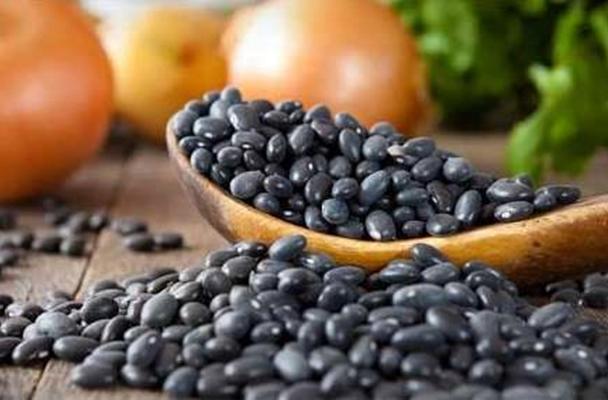
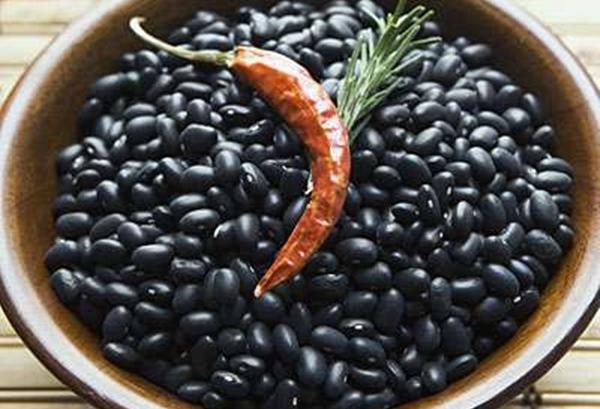
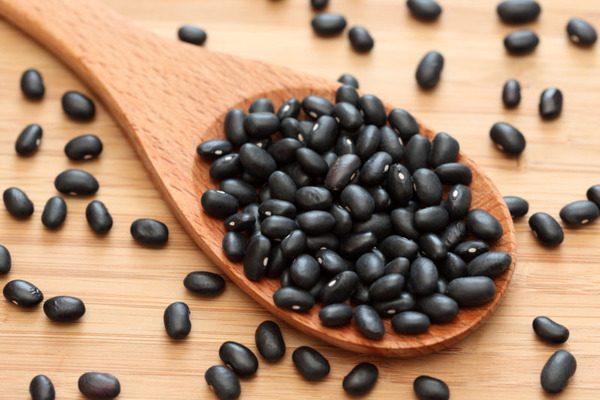
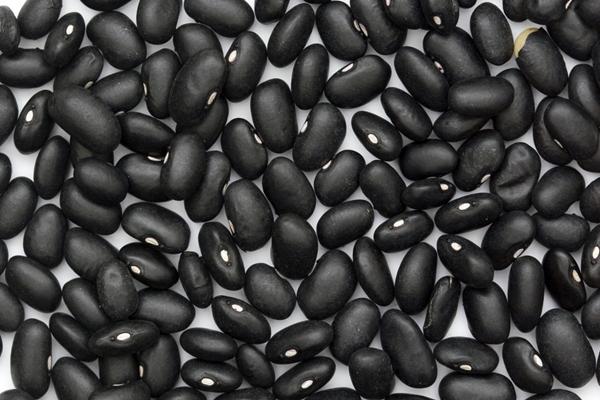
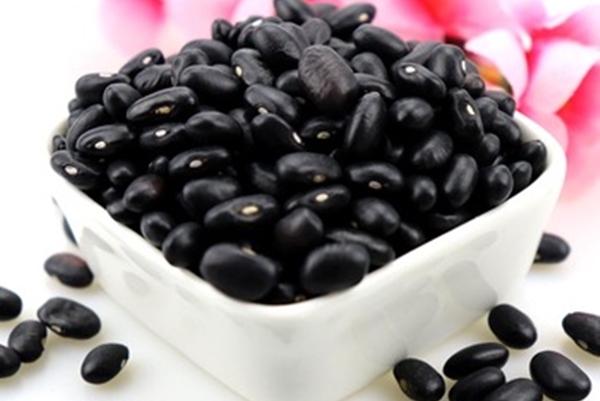
Most beans are dark (black) in color. The exception is the dark burgundy "Kindi" beans. The beans are uniform in size, with a glossy, smooth surface and a dense structure.
Compound
Beans are a treasure trove of nutrients, vitamins, and micro- and macronutrients. Their plant protein is similar to animal protein, making them a popular choice among vegetarians and those who follow a healthy diet.
Calorie content and nutritional value
The main difference between legumes and legumes is their calorie content. 100 grams of legumes contain 341 kilocalories, of which 25% are protein, 2% fat, and 73% carbohydrates.
Vitamins, micro-, macroelements
Legumes enrich the body with essential micro- and macroelements, vitamins and amino acids.
The product contains vitamins E, K, PP and group B.
Beans contain:
- calcium;
- potassium;
- sodium;
- phosphorus;
- iron;
- manganese;
- copper;
- selenium;
- zinc.
The bean shell is rich in flavonoids, omega-3 fatty acids, and hydroxycinnamic acids.
The fiber and vegetable protein present in legumes cover 40% of a person’s need for these substances.
What is useful?
The plant's benefits lie in its chemical structure and nutritional value. Consuming the product immediately boosts energy and eliminates hunger. By moving slowly through the esophagus, legumes stabilize the body's balance of nutrients, increase the number of beneficial bacteria in the gut, and regulate insulin levels.
French beans are grown in industrial quantities in America and China.
For men
The benefits of consuming beans for men are undeniable. Beans improve sexual function, potency, and sperm quality. Beans are important for preventing prostatitis and for gaining muscle mass.
For women
Girls who eat beans will notice improvements in the condition of their skin, hair, nails and teeth.
During pregnancy and breastfeeding
Beans can increase the production of breast milk, enrich it with vitamins, and strengthen the body in the postpartum period.
For the gastrointestinal tract
The benefits of French beans for the gastrointestinal tract are undeniable. Product:
- normalizes the functioning of the digestive tract;
- removes toxins;
- reduces appetite;
- reduces gas formation;
- helps restore the body in the postoperative period;
- helps prevent gastrointestinal cancer.
When dieting and losing weight
Legumes are a staple in weight-loss diets. Their weight-loss benefits include:
- beans take a long time to digest and satisfy hunger;
- cleanse the body of waste and toxins;
- Instantly burns fat.
For diabetes mellitus
People with diabetes need to eat beans to lower blood glucose levels.
Contraindications
It is not advisable to include black beans in the diet of people with certain diseases, including:
- gastritis;
- colitis;
- flatulence;
- gastric ulcer or duodenal ulcer;
- gout.
The product should be used with caution by the elderly, children under 12 years of age, pregnant women, and those with allergies to legumes.

Varieties
There are many varieties of beans. Popular varieties include: "Black Opal," "Mauritan," "Kidney," "Octava," "Protva," "Preto," "Ryabushka," "Snegurochka," "Black Pearl," and "Fatima Plus." They can be climbing, trailing, or bush.
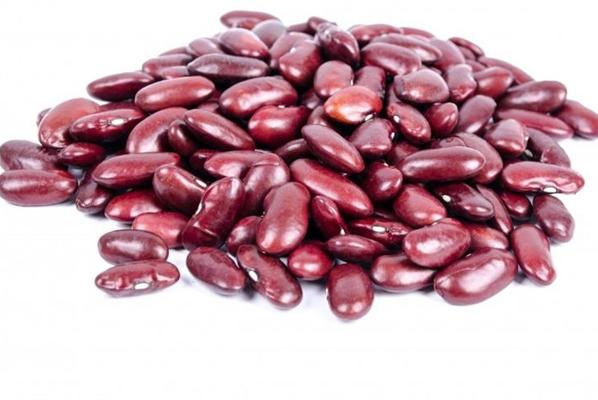
Kidney
The "Kindy" bean variety is a favorite when choosing seeds for planting. It's a medium-sized plant with silky-black beans. These beans have a bready aroma and a sweet, slightly bitter flavor. This variety is suitable for stewing or salads; it takes 120 minutes to cook.
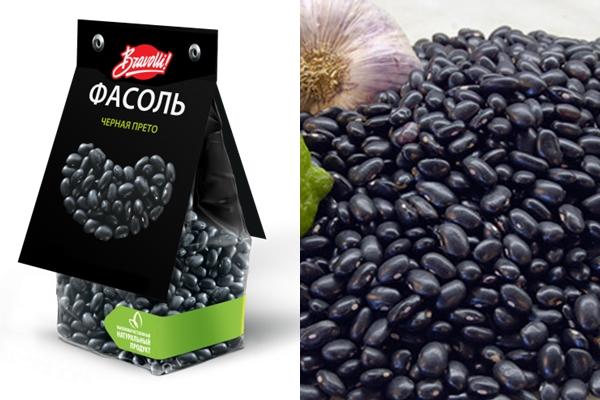
Preto
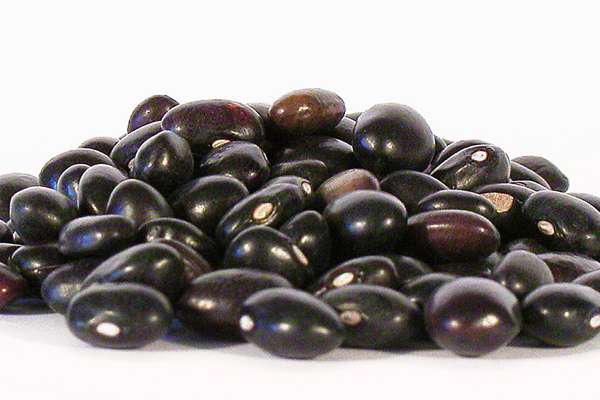
The Pretto bean variety is a medium-sized plant with black beans decorated with a white scar. The interior is creamy. The berry aroma and sweet flavor make them an ideal ingredient for entrees or appetizers. Cooking time is up to 90 minutes.
Interesting fact: The black bean variety "Preto" has been a staple of Brazilian cuisine and the national delicacy Feijoada for over 300 years.
Growing and care
Growing black beans is easy if you:
- Prepare the landing site:
- sufficient light (do not plant in the shade);
- humidity;
- loose soil.
If the temperature is below 10-15 degrees, it is not advisable to plant the seeds, otherwise they will die.
- Prepare the seeds:
- sort the beans;
- soak the seeds in water for 24 hours;
- 5 minutes before planting, dip the seeds in boric acid to protect the crop from pests;
- Prepare the beds, dig them, and water them. Plant the seeds in rows 5 centimeters deep (15-20 centimeters apart).
Plant seeds, taking into account that the plant’s growing season is 80-140 days.
Caring for legumes includes:
- Loosening the soil from the moment the first shoots appear.
- Weeding.
- Top dressing.
- Watering.
- Pest control
Important! When watering, avoid getting water on the bean leaves, otherwise there is a risk of developing fungal diseases and mold, to which the crop is susceptible.
Collection and storage
Harvest the dry, firm beans 90-100 days after planting. For canning, remove the green pods with seeds earlier. Store the beans in a dark, dry place, away from direct sunlight. Place the beans in cloth bags and place a head of garlic inside.
You can quickly open the pods in the following way: place the harvested fruit in a blanket and beat it gently with a stick. All that's left to do is sort the fruit and store it.
Pests and diseases
Beans are most often affected by viral, bacterial, and fungal infections, including powdery mildew, anthracnose, white rot, root rot, and mosaic. Bean pests include aphids, sprout flies, and whiteflies. Bean weevil infests beans during long-term storage.
To protect the harvest, it is necessary to remove weeds in a timely manner, control soil moisture, and use copper-containing products.
Use in folk medicine
The legume is used in folk medicine to prepare decoctions, infusions, and mixtures. The beans have a diuretic effect and are helpful in the treatment of pancreatitis, diabetes, wound healing, burns, gastritis, and atherosclerosis.
Preparation of infusions
An infusion prepared according to the instructions is considered an effective remedy for strengthening health.
Ingredients:
- Beans (chopped) – 50 grams.
- Water – 0.4 liters.
Preparation:
Grind the beans into a powder using a coffee grinder and pour boiling water over them. Let the mixture steep for 12 hours in a thermos and strain through cheesecloth.
Take the infusion 3 times a day 30 minutes before meals.
Decoctions
Otruki is often brewed to lower blood sugar levels and treat edema. Preparing the decoction is simple, following the instructions.
Ingredients:
- Bean pods – 1 kilogram.
- Water – 3 liters.
Instructions:
Boil the chopped beans in water for 30 minutes. Strain and cool. Drink one glass daily on an empty stomach for a month.
Application in cosmetology
Black beans have also gained popularity in cosmetology. A simple mask is made from boiled beans, blended, combined with lemon juice and vegetable oil.
When applying the mask twice a week for 20 minutes, you will immediately feel the rejuvenating effect on your facial cells.
Preparation
Black beans are used as the main ingredient in salads, soups, main courses, desserts or side dishes.
Soak?
Before cooking, soak the beans in cold water for at least 8 hours.
How to cook?
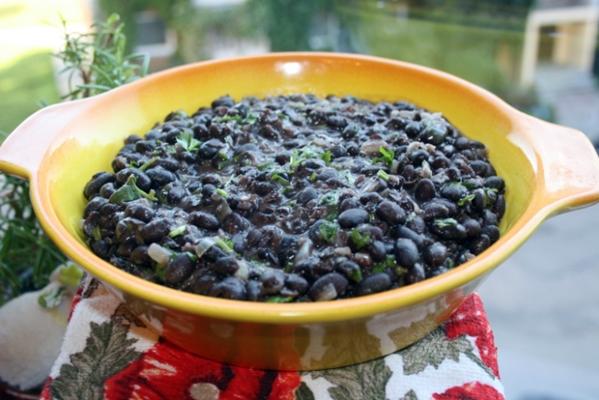
After soaking, drain the beans in a colander and rinse. Transfer the beans to a saucepan and simmer for 1.5-2 hours over low heat until soft.
Hummus puree
Ingredients:
- Beans – 1.5 cups.
- Garlic – 1 clove.
- Onion – 1 head.
- Chili pepper, paprika, turmeric, cumin - 0.5 teaspoon each.
- Lemon – ½ part.
- Water – 50 milliliters.
Cooking plan
Boil the beans until tender, cool, and transfer to a blender. Add the spices, lemon juice, and water to the blender. Blend until smooth.
Serve the puree with garlic croutons.
Black Bean and Buckwheat Soup
Ingredients:
- Broth – 0.5 liters.
- Beans – 350 grams.
- Olive oil – 17 grams.
- Onion – 150 grams.
- Bell pepper – 200 grams.
- Buckwheat – 150 grams.
- Chili pepper – 3 grams.
- Corn – 1 cup.
- Carrots – 200 grams.
- Bay leaf – 1 piece.
- Broccoli, spinach and kale – ½ cup.
- Lemon – 0.5 pieces.
- Black pepper, red pepper, salt – to the cook’s taste.
Instructions:
- Boil the broth and beans.
- Fry the onions and bell peppers. Add the buckwheat and chili peppers. Steam for 5 minutes.
- Pour the fried mixture into the pan with the broth, then stir in the beans, corn, carrots, and bay leaf. Cook for 3 minutes.
- Add 500 milliliters of water to the broth. Season and season with salt. Cook for another 20 minutes. Three minutes before the end of cooking, stir in the broccoli, spinach, and kale mixture.
- Season the soup with lemon juice, let it steep and serve.

Black Bean, Pepper, and Tomato Salad
Ingredients:
- Tomatoes – 300 grams.
- Yellow bell pepper – 200 grams.
- Celery (greens) – 1 bunch.
- Sour cream – 50 milliliters.
- Salsa sauce – 120 grams.
- Boiled beans – 250 grams.
- Salt and pepper – optional.
Step-by-step preparation:
- Chop the tomatoes and bell peppers into cubes.
- Wash and chop the celery.
- Prepare the dressing by mixing sour cream with sauce, pepper and salt.
- Add boiled beans to the vegetables. Stir and pour over the sour cream dressing.
Serve the dish with rye croutons.
Bean and sausage soup
Ingredients:
- Broth – 0.5 liters.
- Beans – 200 grams.
- Green onions – 1 bunch.
- Salami – 200 grams.
- Tomatoes – 1 kilogram.
- Garlic – 1 clove.
- Sunflower oil – 1 tablespoon.
- Corn – 1 can.
- Marjoram – 2 stems.
- Salt and pepper – to taste.
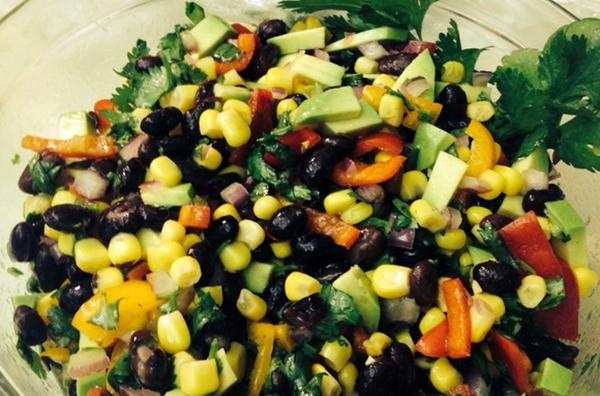
Preparation:
- Prepare meat broth, boil beans.
- Chop the green onions. Dice the sausage and tomatoes.
- Chop the peeled garlic cloves.
- Fry onion and garlic in oil.
- Add corn, broth, and tomatoes to the vegetable frying pan.
- Bring the soup to a boil. Add the sausage and beans. Simmer for 20 minutes.
- Two minutes before the end of cooking, sprinkle the soup with marjoram. Season with salt and pepper.
Let the first course sit for 10-15 minutes and serve.

Related posts:
 Description and properties of the 50 best varieties of asparagus beans, benefits and harms
 Description of the 90 best varieties of beans for open ground with names
 Recipes for pickled beans for the winter at home
 The best recipes for pickled beans in jars for the winter are so good you'll lick your fingers.
 The benefits and harms of red beans for the human body: for women, men, and children
 The health benefits of beans for women and men, harm and contraindications
 Recipes for making pickled green beans for the winter at home
 The health benefits and harms of beans for diabetes, which ones to choose, and recipes