
- The beneficial properties and calorie content of legumes
- Preparing the main ingredient
- Delicious bean recipes for the winter
- A classic recipe for canning white and red beans
- Canned without tomato
- Method of cooking in its own juice
- With vegetables, monastery style
- With tomatoes
- Stewed with herbs
- Baked
- Spicy beans with pepper
- Pickled
- How to store jars of preserves
There are many recipes for preserving beans in glass jars for long-term winter storage. The advantage of home-canned beans over frozen or dried ones is that they provide the family with ready-made salads, side dishes for meat or fish dishes, and ready-to-cook ingredients for all kinds of salads, soups, and side dishes. Depending on their intended use, canned beans can be eaten either cold or warm.
The beneficial properties and calorie content of legumes
Beans, which originated in Latin America and are a staple in Russian cuisine, are rich in vitamins (A, C, and B vitamins), trace elements, fats, sugars, and proteins. Besides being eaten daily, they are also suitable as a Lenten food, replacing meat during religious fasts, and for vegetarians.
The calorie content of beans depends on how they are prepared: natural canned beans, without added sugar, contain 16 kilocalories per 100 grams; adding vegetables, tomato sauce, marinade, and sugar increases the calorie content. For canned beans, the calorie content is listed on the labels; when preparing homemade canned beans, you can calculate the calorie content yourself based on the ingredients and quantities.
Preparing the main ingredient
Beans contain coarse fiber and sugars that impede digestion and absorption. Fiber requires extensive cooking.
To speed up the preparation of canned beans, it is necessary to pre-prepare them.
Raw beans are soaked for 24 hours, changing the water regularly. The water, released by the sugars and starch, begins to ferment rapidly. The sugars and starch dissolve and are extracted from the beans, the fiber softens, and the cooking time is reduced.

Delicious bean recipes for the winter
Beans are prepared at home, in simple conditions, in various ways: pickling, baking, stewing, canning, boiling in their own juice, preparing ready-to-eat salads, or semi-finished products used for further preparation of first and second courses.
The best recipes, following the rules:
- preservation processes;
- pre-processing of vegetables;
- washing and sterilizing dishes;
- hermetic sealing;
- pasteurization;
- storage;

will provide the family with tasty and healthy canned vegetables for a long time.
A classic recipe for canning white and red beans
Red beans have a distinct flavor, compared to the neutral-tasting white variety. Both varieties can be canned using the classic recipe. The addition of tomato sauce with fried onions makes this salad versatile, suitable for both appetizers and hot dishes (soups, side dishes).
The beans are soaked for 24 hours, drained and refilled with fresh water several times, and stirred to dissolve the starch and polysaccharides. The soaked beans are boiled in unsalted water until softened, adding salt at the end of cooking. Tomatoes are heated in boiling water to separate the skins from the pulp. Once cooled, the tomatoes are peeled and mashed.

Peeled and chopped onions are fried in hot oil until softened. Add tomatoes, salt, a small bay leaf, pepper, sugar, garlic, and herbs, and cook until thick. The tomato mixture is mixed with the beans, vinegar is added, and the salad is simmered for a short time to give the salad a rich and harmonious flavor.
Canned food is packaged in 0.5-0.75 liter containers and pasteurized for at least half an hour at 80-90 WITH.
Canned goods are hermetically sealed.

Recipe:
- beans, tomatoes - 1 kilogram each;
- onion – 1 piece;
- garlic cloves, peppercorns, bay leaf, salt, sugar – to taste;
- 9% vinegar solution – 50 milliliters;
- parsley, basil, dill - to the taste of the hostess;
- sunflower oil – 100 grams.

Canned without tomato
Canned beans without tomato sauce have a mild flavor and are suitable for those who experience heartburn from tomato sauce. This preparation makes a ready-made dressing for bean soup; when reheated, it can be served with fried or stewed meat and fish, or used as a base for salads with the addition of cooked smoked sausage, croutons, and fried mushrooms.
The beans are soaked, boiled, and salted. The vegetables are washed, peeled, chopped, and fried in hot oil until soft. Finally, they are seasoned with salt, pepper, and sugar.
Combine the fried vegetables with the beans, add the broth (in which the beans were cooked), and simmer until the desired consistency is reached. Place the vegetable mixture into pre-sterilized 0.75-liter jars and pasteurize for 40 minutes at 90°C. If the volume of the vegetable mixture in the jars decreases, top up the jars with boiling vegetable broth. Seal the jars hermetically using a mechanical sealer and check for leaks.

Recipe:
- beans – 1 kilogram;
- onions, carrots, bell peppers – 2 pieces each;
- salt, sugar, spices;
- vegetable oil – 100 grams.
Method of cooking in its own juice
Beans can be cooked like store-bought beans, in their own juice. These canned beans can be used to make any salad, soup, or side dish. They can be combined with sautéed vegetables and dressed with mayonnaise, olive oil, or sunflower oil.
Soaked beans are boiled in plain water without salt (if boiled in salted water, beans will remain tough), salted, and cooked until soft. Hot canned beans are packaged in sterile containers, the broth in which the beans were boiled is poured into the jars, and pasteurized for half an hour at 80-90 C. Hermetically sealed.

Recipe:
- beans – 1 kilogram;
- salt – to taste.
With vegetables, monastery style
A bean salad can be made as a vegetable platter. Use whatever vegetables are on hand. The amount of vegetables is determined by taste: you can add more garlic or tomatoes, hot or sweet peppers, vinegar or sugar, or even eggplant, zucchini, or carrots. The more varied the vegetable selection, the tastier the salad—everything is chosen at the discretion of the cook and the family's eating preferences. This salad is so delicious, you'll be left wanting, as they say, to lick your fingers.
Soak and cook the beans in advance. Blanch the ripe tomatoes and bell peppers, peel them, and cut them into wedges. Soak the eggplant rings in salt. Chop the vegetables with a vegetable peeler or by hand.

Heat a deep frying pan or cauldron, pour in the oil, and heat until smoking. Add the onion to the frying pan with the oil and quickly fry until golden brown. Next, fry the carrots, add the sweet and hot peppers, tomatoes, garlic, and eggplant. Simmer until the vegetable juices evaporate and a thick mixture forms. Add the cooked beans to the thickened mixture, add salt, sugar, and vinegar. Stir and simmer until the flavor is harmonious, adding seasonings and spices if necessary. Place in sterile jars and pasteurize for 30 minutes at 80-90°C. WITH.
Recipe:
- beans, tomatoes, eggplants, bell peppers, carrots, onions – 1 kilogram each;
- sunflower oil – 300 grams;
- garlic – 1 head;
- hot pepper – 1 pod;
- sugar – 100 grams;
- salt – 60 grams;
- table vinegar 9% solution – 75 milliliters.


Salt, sugar, vinegar – adjust to your taste.
With tomatoes
Boiled beans can be covered with metal lids. with blanched tomatoes or freshly prepared tomato juiceThis semi-finished product is used to make bean-tomato soup, a side dish, and salads with various ingredients. The beans are soaked, boiled until tender, and salted just before finishing cooking.
Warm the tomatoes, peel them, cut them into wedges, cook until soft and smooth, and add salt to taste. Fill sterile jars 2/3 full with hot boiled beans, pour in the tomato mixture, cover with lids, and pasteurize (0.75-liter jars) for 40 minutes at 80-90°C. C. Seal with metal lids, check for leaks, store at room temperature.
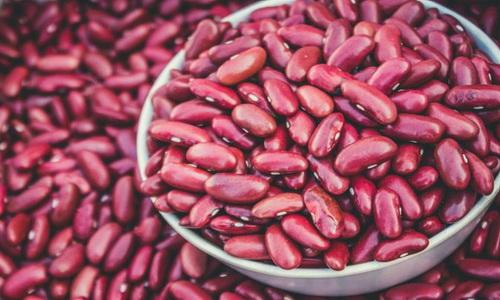
You can squeeze the tomato juice from the tomatoes using a food processor or juicer. Cook the juice until the foam disappears from the surface. Pour the boiling tomato juice over the hot beans. In this case, wrap the sealed jars and let them cool.
Recipe:
- boiled beans – 1 kilogram;
- tomatoes – 1 kilogram or more, for making tomato juice.

Stewed with herbs
Green beans can be stewed with vegetables. This preparation is a vegetable stew—a dietary dish. If you add less vegetable oil to the canned beans during cooking, the salad will be low-calorie. When paired with meat or fish, it's suitable for those on a balanced diet, a high-protein diet, or trying to lose weight.
Trim the ends of the pods, cut the long pods in half, and remove the short pods whole. Place them in a colander and pour boiling water over them. Make a cross-shaped cut on the tomatoes and drop them into boiling water—this will make it easier to peel them. Peel the softened tomatoes and cut into wedges.
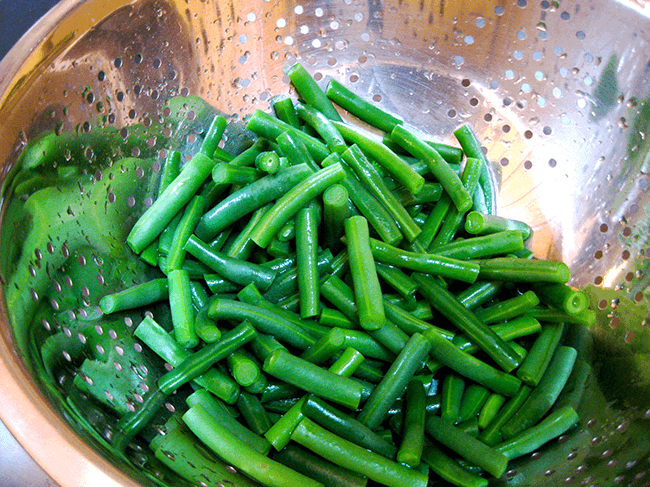
Peel and chop the carrots and onions with a vegetable peeler or by hand. Vegetable peelers will save you the tears of chopping onions and the cuts of shredding hard carrots. In a roasting pan with oil heated until smoking, first sauté all the prepared and chopped vegetables. Then cover tightly and simmer until the vegetables are tender, the raw flavor disappears, and the stew acquires the full flavor of the finished dish.
Rinse sprigs of fresh herbs—parsley, dill, basil—with water. Pick the leaves from the sprigs and add them to the vegetables. Pour in the vinegar and heat for a few minutes. Ladle the finished stew into sterilized jars, seal them tightly, turn them upside down on their lids, wrap them tightly (for additional pasteurization), and let them cool.
Recipe:
- green beans – 1 kilogram;
- carrots, onions - 1 each;
- tomatoes – 3 pieces;
- sunflower oil – 150 milliliters;
- salt – 30 grams;
- sugar – 70 grams;
- dill and parsley;
- 9% solution of table vinegar – 30 milliliters.

Baked
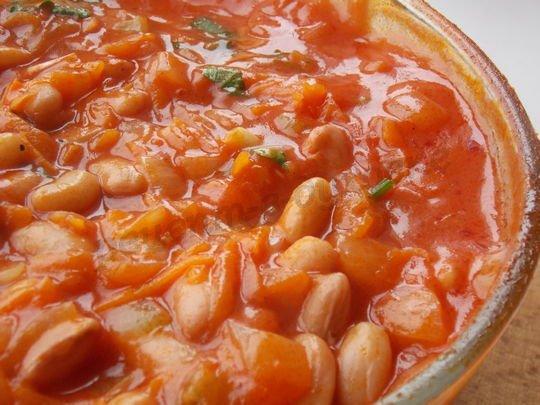
Baked beans with a selection of vegetables, cooked in the oven, yield fluffy beans, as if baked in a country oven. This dish makes a delicious side dish. Soak the beans and cook until half-cooked. Peel the tomatoes and puree them in a blender; you can also mash them with a potato masher. Peel the onion and cut into half rings. Heat oil in a cauldron, add the onion, fry, then add the tomatoes and garlic. Fry until the raw tomato and garlic smell disappears. Season with salt.
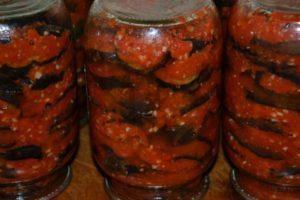
Add the cooked beans to the sautéed vegetables, stir, cover, and place in a preheated oven. Cook until thickened, being careful not to burn the vegetables. Pour vinegar into the roasted vegetables, stir, and then pack the jars. Seal them using a mechanical sealer. Check for leaks and cover, as the preserves were prepared without pasteurization.
Recipe:
- boiled beans – 1 kilogram;
- tomatoes – 3 pieces;
- onions – 2 pieces;
- garlic – to taste;
- vegetable oil – for frying vegetables;
- salt – to taste;
- vinegar 9% – 2 tablespoons.
Spicy beans with pepper
For those who enjoy spicy appetizers, you can make bean preserves with hot peppers. This salad is called a Greek appetizer. Wash, peel, and chop all the vegetables as desired. Boil the soaked beans until soft.
In a frying pan with hot sunflower oil, fry the onions and carrots (until soft), add the tomatoes, sweet and hot peppers, garlic, salt, simmer for 30 minutes, add the beans, simmer until thick, pour in the vinegar, and place in prepared jars.
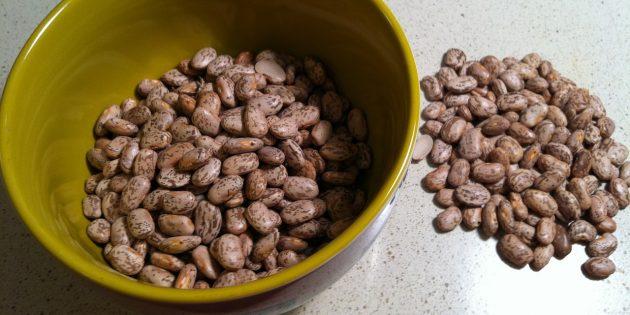
We seal the Greek appetizer tightly. This salad stores safely at home, as hot peppers have strong antibacterial properties and prevent fermentation in canned food.
Recipe:
- boiled beans, carrots, onions - 1 kilogram each;
- tomatoes – 5 pieces;
- bell peppers – 5 pieces;
- dessert peppers (medium hotness) – 2 pods;
- garlic cloves – 5 pieces;
- salt – 30 grams;
- vinegar – 30 milliliters;
- sunflower oil – 250 grams.

Pickled
Green beans are harvested when the pods are in the milky stage of ripeness. The pods are soft and juicy, easy to chew, and contain a lot of sugar. The pods are pickled in jars, and in winter, they are used to make a vegetable stew, a delicious quick meal for the family, served with sausages or frankfurters. You can also make a vegetable stew with meat.
Trim the ends of the pods and their stalks, then plunge them into boiling water to kill any microorganisms. Remove them with a colander or slotted spoon and arrange them in vertical bunches in sterile containers. Pour the boiling marinade into the jars containing the pods, seal them tightly with metal lids, turn them over, and check for leaks. Cover with a blanket to prolong the pasteurization process.

Recipe:
- green beans (pods).
Marinade:
- water – 1 liter;
- salt – 60 grams;
- granulated sugar – 50 grams;
- bay leaf, mustard seeds, peppercorns;
- vinegar 9% solution – 30 milliliters.
How to store jars of preserves
Homemade canned goods, prepared according to all the rules and technology, allow for long-term preservation. One of the conditions that guarantees airtight canning is the use of high-quality mechanical sealing machines, which facilitate the sealing process and preserve the canned goods.
Canned food prepared without pasteurization is stored in cool rooms, cellars, and refrigerators.The pasteurization process of canned goods extends their shelf life and allows them to be stored at room temperature in kitchen cabinets or pantries, away from heating systems and heating appliances.
Related posts:
 TOP 40 Hot Dish Recipes for New Year 2020: What to Cook
 When to harvest leeks from the garden for storage, ripening times
 Recipes for making pickled green beans for the winter at home
 TOP 40 New Year's 2020 Meat Recipes Using Pork, Beef, Chicken, and Lamb
 Description and properties of the 50 best varieties of asparagus beans, benefits and harms
 The benefits and harms of red beans for the human body: for women, men, and children
 Description of the 90 best varieties of beans for open ground with names
 Health benefits and harms of black beans, varieties, contraindications, and recipes