
- Composition and calorie content of beans
- Benefits and harms of the plant
- For men
- For women
- For children
- Varieties of red beans
- Growing and care
- How to properly store red beans
- Can I have beans?
- Pregnant women
- For nursing mothers
- For those losing weight
- For gastrointestinal diseases
- Folk remedies
- In cooking
- What goes well with red beans?
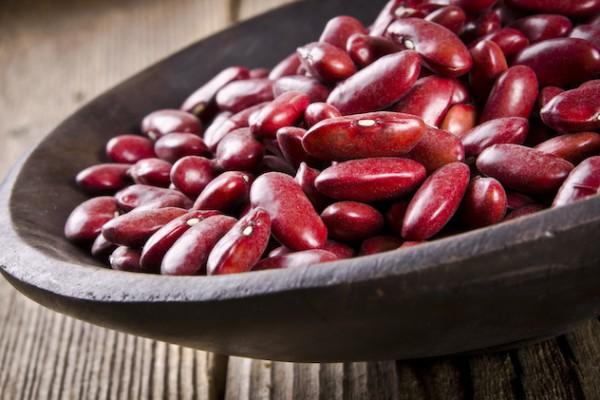
There are many varieties of red beans: Adzuki, Kidney, Skorospelka, Tomato, and others. They differ in appearance and taste, as well as in growing conditions and care. Before planting red beans, it's important to research the plant's benefits and risks. Any variety is beneficial for the human body, as it contains a large amount of plant protein.
Composition and calorie content of beans
The nutritional value of red beans is simply enormous. They contain numerous components essential to the human body. Thanks to their composition, they could replace various foods, including meat.
Red beans have a very rich chemical composition. They contain:
- Vitamins A, B, C. It also contains vitamin E, which has good antioxidant properties.
- Minerals—potassium, iron, magnesium, and others—are essential for the normal functioning of the body.
- Amino acids. It contains tryptophan, which calms the nervous system and relieves insomnia. It contains arginine, which has a positive effect on reproductive function in women. Lysine strengthens the immune system and helps fight various diseases. Tyrosine maintains a healthy weight and has a positive effect on endocrine function.
Beans are high in protein. Eating 800 grams of beans per week will provide the required amount. They also contain fiber, a dietary fiber that nourishes the microorganisms in the large intestine, helping to normalize gastrointestinal function.
Benefits and harms of the plant
What are the benefits of beans?It has a comprehensive effect on the body, improving the functioning of all systems and organs:
- It restores cardiovascular function. After consumption, the body receives enzymes essential for heart muscle. Including this legume in the diet will be beneficial for people suffering from hypertension and other heart conditions.
- Improves blood composition. The seeds contain a large amount of iron, which normalizes blood quality and accelerates its circulation through the vessels.
- Restores metabolism. Cells receive sufficient oxygen through the blood, which speeds up all processes within them. Therefore, beans are beneficial for diabetes.
- It has a positive effect on the genitourinary system. It promotes the removal of kidney stones. This reduces tissue swelling and facilitates urination.
Moreover, its beneficial properties allow it to be used in cosmetology. It is used to make nourishing masks for the face and hands.
Regular consumption of beans restores the human body as a whole. However, before including them in your diet, it's important to consider possible contraindications. It's not recommended to prepare dishes with them if you have certain health conditions:
- Flatulence. Stimulates increased gas production. However, to avoid this negative effect, you can add mint to the water in which you cook the beans.
- Gout. The seeds contain purines, which, when broken down, produce uric acid. This acid cannot be processed by the kidneys, which can lead to an exacerbation of the condition.
- Gastrointestinal diseases (ulcers, gastritis). It is difficult to digest, so after eating it, you may feel a heaviness in the stomach.
Beans are a very healthy food. However, if contraindications are ignored, they can be dangerous and harmful to the body.

For men
Legumes promote muscle growth. They also improve potency in men. Beans are recommended for inclusion in the diet for those over 50, when problems with male potency arise. They are also beneficial for those with sedentary jobs, as they help prevent obesity.
For women
The healing properties of beans encourage women to use them to create rejuvenating masks. The high calcium and magnesium content improves the condition of hair, nails, and skin. Furthermore, the arginine it contains restores a woman's reproductive capacity.
It is recommended to use it during pregnancy.
This reduces the symptoms of toxicosis and is a good preventative for anemia in pregnant women. Beans have a positive effect on intrauterine development.
For children
Beans are especially recommended for children. They stimulate the development of growing bodies. They contain essential acids, which are essential for babies. Even after cooking, they retain up to 85% of their beneficial nutrients.
However, it is not recommended for children under three years of age. It causes increased gas production, which can lead to colic. This is accompanied by stabbing abdominal pain, causing the baby to cry constantly. In rare cases, it can lead to constipation.
Beans should be introduced into a child's diet gradually. Initially, they should be given ground, pureed, or in soups. After some time, whole beans can be introduced. Beans are difficult to digest, so a single serving should not exceed 100 g.
Varieties of red beans
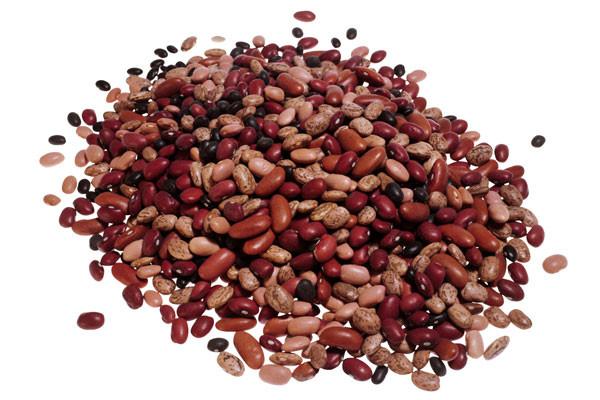
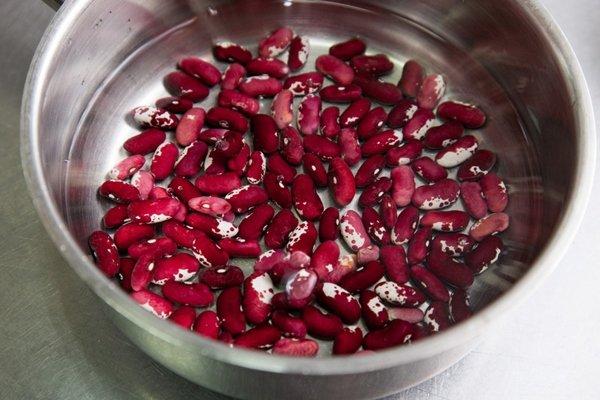
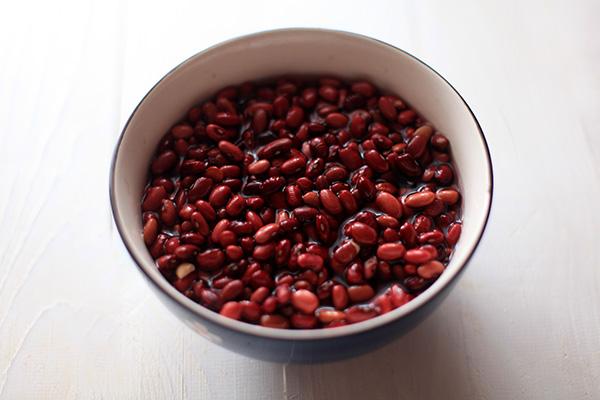
Red beans are very common due to their high protein and antioxidant content. However, they are toxic when raw, so they should never be consumed without first cooking. Many recommend soaking these beans for 1-2 hours before cooking.
There are quite a few varieties of red beans:
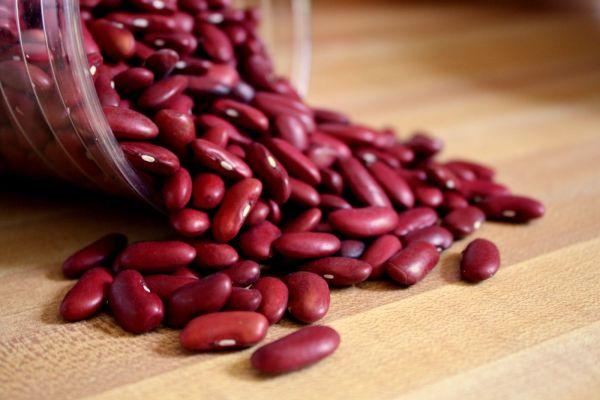
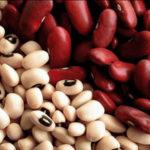
- Kidney beans. They are dark burgundy when raw, but turn red after cooking. They are kidney-shaped and are divided into American and Asian varieties. Red Kidney beans are grown in America, while purple Kidney beans are grown in Myanmar.
- Adzuki beans were developed in Japan. The beans are primarily red, but other colors are rare. They are characterized by a sweet taste and a distinct bean aroma. The seeds are small, with white stripes down the center.
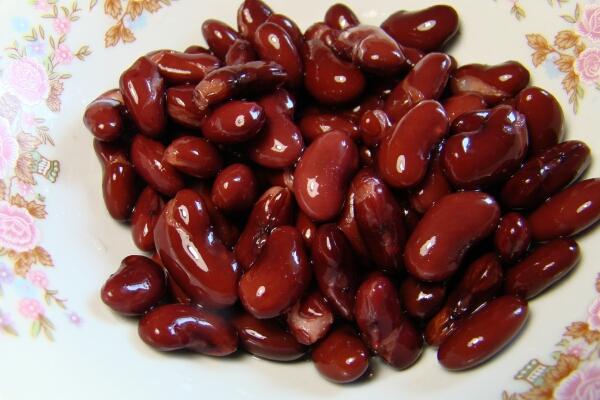
- Early ripening. The beans are quite large and oblong. They are reddish-pink, with numerous white flecks.
- Corolada. These beans are completely red or red and white. They are oblong and quite small. They cook quickly and have a sweet taste.
- Tomato. It has oblong, dark-red seeds that are slightly flattened on the sides. It doesn't overcook, making it ideal for canning.
- Tashkentskaya. The fruits are elongated, thin, slightly flattened, and burgundy in color. This variety prefers a warm climate, so it's best grown in southern regions.
When choosing a red bean variety, it's important to consider its characteristics. It's important to know how to properly care for the plant to ensure a good harvest.
Growing and care
Planting beans The planting should be done in early or mid-May, depending on the weather. The soil should warm up to 12-15 degrees Celsius. The site should be open and well-drained.
Beans grow well in fertile soil with moderate acidity. After the first shoots appear, watering should begin, but no more than once a week. The soil should also be loosened to ensure good aeration. Once the plants begin to flower, watering should be stopped.
It can be resumed only after the bean plants have finished flowering. When the plants reach a height of 10-15 cm, they need to be hilled.
Beans can be either climbing or upright. The former requires staking. For this, 1.5-meter-high supports are constructed and wire is stretched across them. The grown bean shoots are then tied to the supports with thread.
Take a look Also
To ensure a good harvest, you can apply fertilizer. Superphosphate is used during the formation of the first leaves, and potassium salt is used during budding. when the beans are already beginning to ripen, plants can be fed with ash.
How to properly store red beans
It is also necessary to know, How to properly store red beansAfter harvesting, the beans must be threshed to release the seeds. Then, they should be placed in a cloth bag or a tightly sealed box and stored in a dry place.
Can I have beans?
Red beans have few contraindications. However, it's important to know whether beans are safe to eat during pregnancy and breastfeeding.
Pregnant women
Many doctors not only allow beans to be consumed during pregnancy, but also recommend including them in your diet. This is due to the following reasons:
- It stimulates bowel function, which is a good preventative for constipation, which is common during pregnancy.
- Fiber promotes the rapid elimination of waste and toxins from the body. Therefore, morning sickness will be much less of a problem.
- B vitamins will have a positive effect on the nervous system of the mother and child.
- The body will receive sufficient iron, and hemoglobin levels will remain within normal limits. This will prevent the development of anemia.
In addition, beans prevent the appearance of edema in the last months, as they have a mild diuretic effect.
For nursing mothers
When breastfeeding, any legumes should be consumed with caution. It is not recommended to introduce them into the baby's diet until he or she is four months old. After that, beans can be eaten, but no more than once a week. If your baby becomes restless after eating them or after feeding, it is best to avoid beans.
For those losing weight
Beans can be included in weight loss diets because:
- It takes a long time to digest, so you won't feel hungry for long after eating it. A small portion is sufficient.
- It contains tyrosine, which maintains weight within normal limits and prevents obesity.
- Plant protein is highly nutritious but low in calories.
- Legumes slow down the digestion of other foods.
- It lowers blood cholesterol, making it beneficial for diabetics. It also stabilizes blood glucose levels, preventing weight gain.
For gastrointestinal diseases
However, people with gastrointestinal conditions should consume beans with caution. Otherwise, not only will they not lose weight, but they can also lead to various complications.
To maintain a healthy weight, beans should be consumed even after losing weight. They can be eaten on their own or added to soups and salads. Beans can also be used to make bean broth. To do this, boil the seeds, drain the liquid, and let them cool. Take them with lunch and dinner.

Folk remedies
The numerous medicinal properties of beans allow them to be used in various traditional medicine recipes. Specifically:
- Kidney bean flower tea. To prepare it, take 2 tablespoons of dried or fresh flowers, pour a cup of boiling water over them, and let steep for 5 minutes. Then strain. Take 50 ml 4 times daily a few minutes before meals. This tea is effective in removing kidney stones.
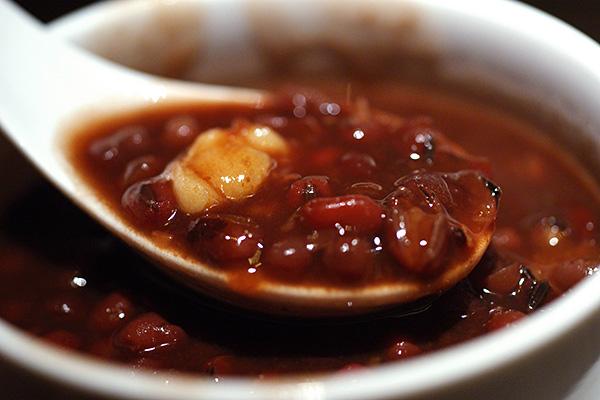
- A decoction of the seeds. Pour 1 tablespoon of red beans into a glass of water, bring to a boil, and simmer for half an hour. Strain and take 2 tablespoons after meals.
- Bean flour. To make it, grind the beans in a coffee grinder. Apply the flour to wounds to speed healing. Repeat until the wound is completely healed. Bean flour can also be added to hair and face masks. It can be mixed with milk, honey, or natural yogurt. Apply to the affected area, leave for a few minutes, then rinse with warm water.
- Puree. Boil the beans thoroughly until they're soft. Then puree them in a blender. Apply the resulting paste to your face as a mask.
But before using any folk remedy, it is recommended to consult a doctor.
In cooking
Before preparing any bean dishes, it is necessary to study the rules for preparing the main product:
- It's a good idea to soak the beans in water beforehand. This will help them cook faster.
- To avoid flatulence, you can add a small amount of baking soda to the soaking water.
- You can cook beans quickly (1.5-2 hours) or slowly (up to 12 hours).
Before buying green beans, pay attention to their appearance. They should have the correct shape and a smooth surface. The outer skin should be free of damage or signs of rot. Green beans should be the correct color, smooth throughout, and produce a loud crunch when broken.
The main ingredient can also be purchased frozen. However, the packaging should not contain any whole ice cubes. However, canned beans are not recommended, as all the beneficial micronutrients have been removed by the addition of preservatives.
What goes well with red beans?
It's delicious as a side dish; you can add fresh onions marinated in vinegar and drizzle with vegetable oil. It pairs well with pork dishes, so you can add lard or cracklings during cooking. Fresh vegetables go well with it—cucumbers, tomatoes, radishes, and onions. It also goes well with pickled vegetables and fruits (apples, watermelon).
Related posts:
 Description of the 90 best varieties of beans for open ground with names
 Description and properties of the 50 best varieties of asparagus beans, benefits and harms
 How and where beans grow, planting and care rules in open ground
 The health benefits of beans for women and men, harm and contraindications
 Health benefits and harms of black beans, varieties, contraindications, and recipes
 The best recipes for pickled beans in jars for the winter are so good you'll lick your fingers.
 Recipes for making pickled green beans for the winter at home
 Planting seedlings and seeds, growing and caring for asparagus beans in open ground