
- What are beans: the history of their origin
- Where and how beans grow: producing countries
- Properties and chemical composition of beans
- Types of beans and their characteristics
- Red
- White
- Black
- Legume
- Asparagus
- Which form is healthier?
- Fresh vs. Frozen Green Beans: Which is Healthier?
- Prepared - boiled, stewed, baked
- Canned
- Benefits to human health
- For men
- For women
- During pregnancy and breastfeeding
- For children
- Use for treatment and prevention of diseases
- For diseases of the heart and blood vessels
- Diseases of the stomach, kidneys, bladder
- Joint damage, nervous system disorders
- Insulin dependence
- Skin diseases, wounds, cracks, ulcers
- Rheumatism and gout
- Oral diseases
- Male diseases
- Normalization of body weight and weight loss
- Application in cosmetology
- Culinary uses of beans
- Storage conditions and methods
- Contraindications, possible side effects, harm
- Conclusion
Gardeners often grow beans and other legumes in their gardens. Like other plants, beans have both health benefits and potential health risks. Therefore, before growing them, it's important to understand the characteristics of this legume and its uses.
What are beans: the history of their origin
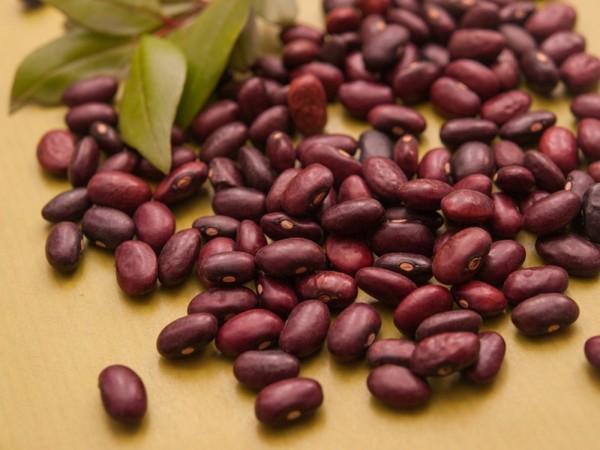
Beans are a legume grown by many gardeners. They are most often planted in the garden for their fruits and seeds, which can be used in cooking. They are also used medicinally, as legumes are beneficial for the human body.
The exact year in which beans were discovered is unknown. However, the first mentions of them appeared in the works of the Spanish historian and missionary Bernardín de Sahagún. He mentioned the plant in his works on Aztec culinary and cultural traditions. His books contain information about how beans were actively cultivated by the Indians. They planted white, chestnut, black, purple, and small varieties.
It has not been possible to determine the exact date when beans were introduced into Native American agriculture. However, many scientists believe that the legume was first cultivated approximately 6,000-7,000 years ago. This is supported by plant remains discovered during excavations in Mexico.
Where and how beans grow: producing countries
Today, fields planted with legumes can be found in almost every country. However, there are certain countries that grow bean seedlings in greater numbers than others. They most often grow in countries with the most suitable climate conditions. Growing beans requires fertile soil, ample sunlight, temperatures above 20°C, and moderate humidity. There are many regions with this climate, and therefore legumes are grown in many countries. Among them are the following:
- Canada;
- Brazil;
- Mexico;
- Argentina;
- China;
- Egypt.
However, the above-mentioned countries are not leaders in bean exports, as they grow beans for domestic sale. Exporting countries that grow beans for sale include Italy, Portugal, Bolivia, France, and Belgium.
Properties and chemical composition of beans
Before growing bean seedlings, it's important to determine their health benefits. This will require a detailed study of the composition and beneficial properties of beans. Legumes contain the following components:
- vegetable fiber;
- myosin of plant origin, which is more than 80% absorbed by the human body;
- arginine, tyrosine, as well as other amino acid and organic components;
- iodine;
- mineral salt;
- fructose.
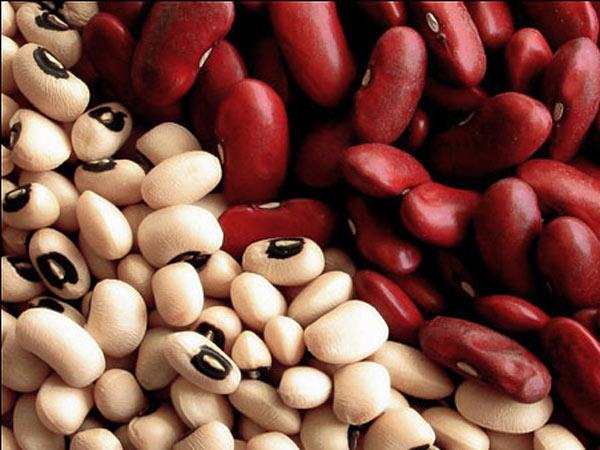
Beans also contain numerous vitamins E, C, K, A, and B. These are considered natural antioxidants, which are responsible for normalizing metabolism and improving the body's defenses. Other beneficial properties of beans include:
- elimination of swelling;
- lowering blood sugar levels;
- prevention of the development of diseases that impair the functioning of the heart;
- cleansing blood vessels of toxins;
- improved vision;
- normalization of the digestive system and activation of gastric juice production.
The low calorie content and nutritional value of ripe peas makes it suitable for weight loss.
Types of beans and their characteristics
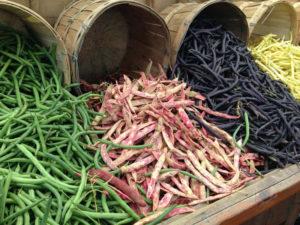
Before you begin planting beans, you need to familiarize yourself with the main varieties of this legume. There are five main types, each with its own characteristics.

Red
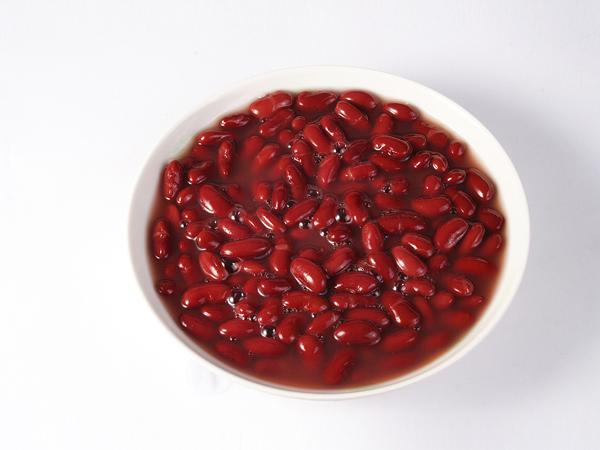
This plant's distinctive features include the red color of its bean pods. When grown under optimal conditions, each bean pod reaches 15 cm in length. Ripe red beans can be eaten raw or cooked.
White
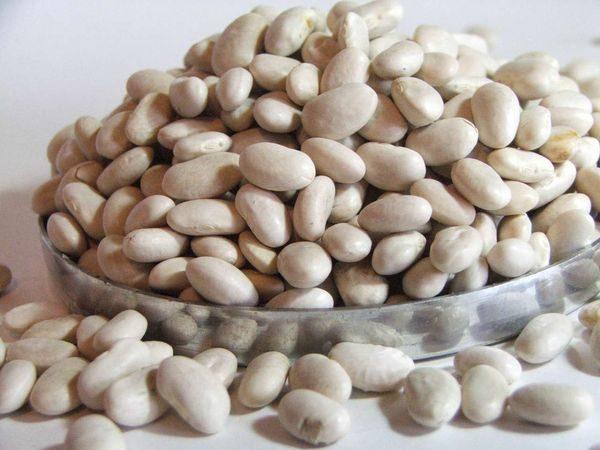
White varieties are recommended for weight loss. Their low protein content promotes weight loss. White beans are also beneficial for older adults with heart problems.
Black
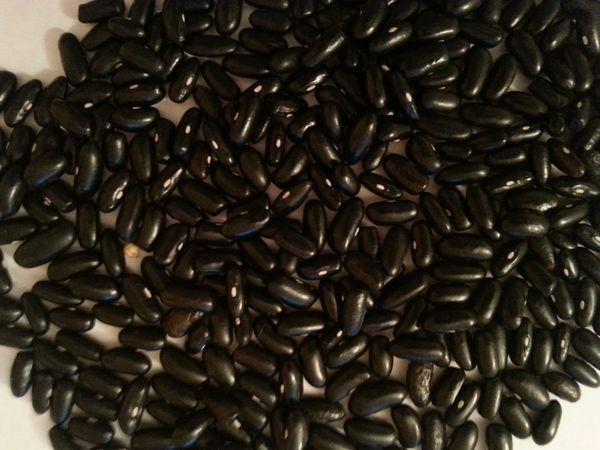
Many gardeners plant black beans in their gardens, which are very healthy. They contain a lot of protein, so dishes made with these beans can replace meat. Regular consumption of these beans also normalizes the chemical balance in the stomach.
Legume
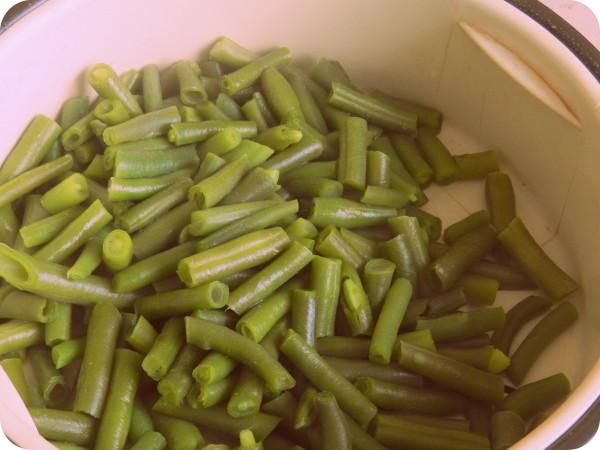
Legumes are used medicinally to alleviate the symptoms of diabetes. They contain arginine, which helps diabetics lower their blood sugar levels. Legumes also contain tyrosine, which promotes protein absorption.
Asparagus
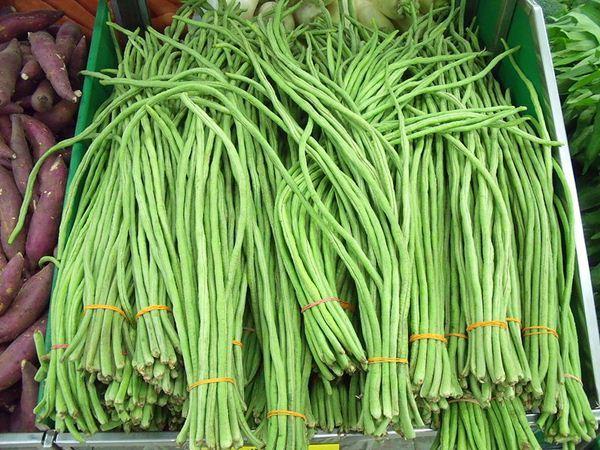
Asparagus varieties are known for their beneficial properties and nutritional value. Nutritionists recommend eating asparagus beans to prevent obesity and promote weight loss. They also help improve digestive health.
Which form is healthier?
Some claim that only raw beans provide nutritional benefits. However, cooked beans can also be beneficial.
Fresh vs. Frozen Green Beans: Which is Healthier?
Many people are interested in what frozen peas are healthier Or fresh. Freezing causes the plant to lose most of its beneficial properties, as low temperatures destroy some micronutrients. Therefore, in medicine, it is recommended to use beans fresh.
Prepared - boiled, stewed, baked
Heat treatment destroys the beneficial properties of any plant. Therefore, baked, stewed, or boiled beans are not as nutritious as fresh ones. However, even cooked beans are used for medicinal purposes.
Canned
Canned peas are very healthy, as they retain most of their beneficial properties. Canned peas contain fiber and protein. Because of this, canning them improves digestion and helps improve blood circulation and heart function.
The most beneficial beans are those that were canned not in regular water, but in their own juice.
Benefits to human health
Beans, whose benefits have been repeatedly proven, are often used in medicine. It's recommended to familiarize yourself with their effects on the human body beforehand.
For men
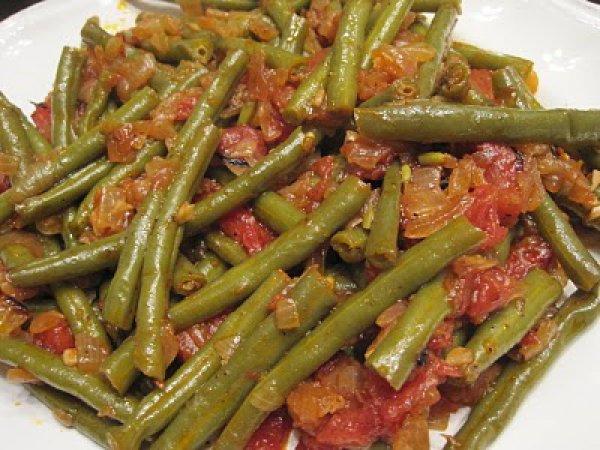
Bean dishes are beneficial for men who frequently engage in heavy physical labor. They help relieve fatigue and improve well-being. Peas are also healthy because they contain protein, which promotes muscle growth.
For women
Legumes are beneficial for women's health, which is why many women use bean-based remedies. A special cream made from this plant promotes skin rejuvenation and strengthens hair roots. Beans contain vitamin E, which significantly increases the chances of getting pregnant.
During pregnancy and breastfeeding
The healing properties of beans make them suitable for pregnant women. This legume protects the fetus from pathologies and the expectant mother from anemia and toxicosis. It also prevents the development of seizures.
However, pregnant women should be careful when eating legumes, as large quantities can cause flatulence.
For children
Some people believe that peas can be harmful to babies, but this is not true. They can be given to babies as young as 5-6 months. Bean dishes improve children's immune systems, making them less likely to get sick.
Use for treatment and prevention of diseases
The plant's medicinal properties allow it to be used to treat many ailments. Before using beans for medicinal purposes, it's important to understand the conditions for which they are used.
For diseases of the heart and blood vessels
To prepare an effective bean remedy for cardiovascular diseases, pour a liter of boiled liquid over 100 grams of beans and simmer for about 20 minutes. Strain the liquid and drink it daily before meals.
Diseases of the stomach, kidneys, bladder
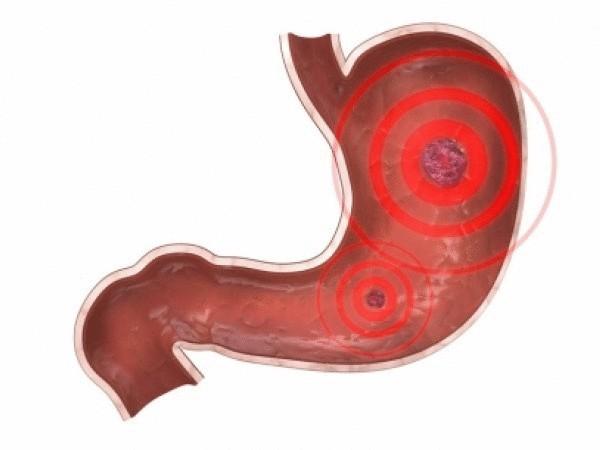
People suffering from cystitis, gastritis, and other common stomach ailments can use peas for treatment. To prepare the remedy, finely grind the plant in a blender, then add water and boil. Drink at least 500 ml of the solution daily.
Joint damage, nervous system disorders
For those with nervous system and joint problems, bean dishes are recommended. Therefore, more salads, soups, and other vegetable appetizers are added to the diet.
Insulin dependence
Many doctors advise diabetics to eat more beans, as they are considered an excellent insulin substitute. Therefore, eating peas improves heart rate, lowers blood sugar, and strengthens blood vessels.
Skin diseases, wounds, cracks, ulcers
Bean seeds are used to make an effective remedy for wounds. To prepare it, the beans are ground, and the resulting powder is then sprinkled on the wounds.
Rheumatism and gout
To alleviate the symptoms of such diseases, prepare a medicinal solution. To make it, add 95 grams of crushed peas to a liter of water and bring to a boil. Then strain the solution through cheesecloth, pour it into another container, and drink it twice a day.
Oral diseases
People with oral inflammation should use bean rinses. To make your own, steep about 100 grams of beans in a container of boiled water. Once the liquid has cooled, rinse your mouth with it 3-4 times a day.
Male diseases
Beans effectively combat conditions that disrupt the genitourinary system. Men who experience erectile dysfunction should regularly eat legumes.
Normalization of body weight and weight loss
Dishes made with green peas are popular among those trying to lose weight. They are low in calories, making them ideal for shedding excess weight and reducing body weight to a healthy level.
100 grams of the product contain only 30 kcal, making absolutely any dish ideal for a diet. However, they should be cooked in a small amount of vegetable oil to avoid them being too fatty and calorie-dense.
Before starting such a diet, it is better to consult a nutritionist so that he can create the right diet.

Application in cosmetology
Many cosmetologists recommend using bean masks and decoctions to rejuvenate the skin. To create rejuvenating masks, boiled beans are strained through a sieve and then blended. Olive oil and lemon juice are added to the resulting paste. The mixture is thoroughly mixed until smooth and applied to the face. After half an hour, the mask is washed off, and the face is thoroughly dried with a towel.
The positive result is immediately noticeable, as after the first use, pores are noticeably narrowed and wrinkles are smoothed out.
To get rid of rashes on the surface of the skin, use bean flour. The powder is mixed with water, honey, and oil. The mixture is then applied to the affected skin.
Culinary uses of beans
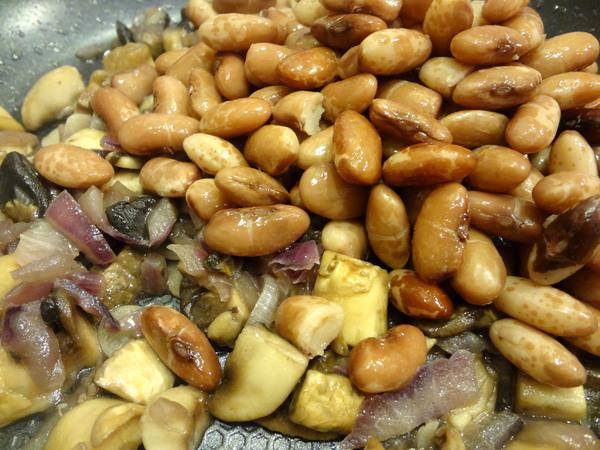
Bean dishes are numerous, and each one is unique, as they use a variety of ingredients. This plant is considered versatile, pairing well with many foods. Experienced home cooks pair beans with cheese, mushrooms, eggs, and nuts. The plant's flavor also pairs well with herbs such as basil, parsley, and rosemary.
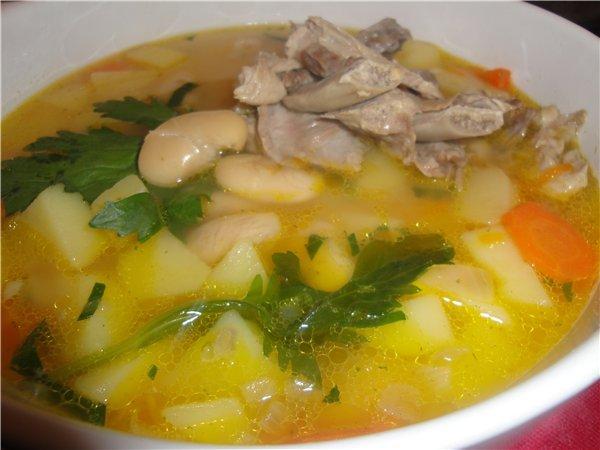
One of the most delicious dishes made with beans is soup. Peas are also often added to borscht to make it more flavorful and filling.
Storage conditions and methods
Harvested legumes must be stored in suitable conditions to prevent spoilage.
First, the entire harvest is carefully inspected to separate the damaged beans from the whole pods, as they are unsuitable for long-term winter storage. The selected beans are then thoroughly dried in the sun, after which they are placed in a bag and refrigerated. In winter, beans can be taken out balcony.
When storing beans on a balcony, ensure the conditions are suitable. Beans should be stored in rooms with humidity no higher than 45%. Also, the temperature should not drop below 5 degrees Celsius. If stored in conditions of high humidity, peas will quickly spoil.
Contraindications, possible side effects, harm
It's recommended to familiarize yourself with the contraindications for consuming bean dishes in advance to avoid harming the body. Patients with gastritis, acute ulcers, or colitis should avoid beans. People with bean allergies should also avoid them.
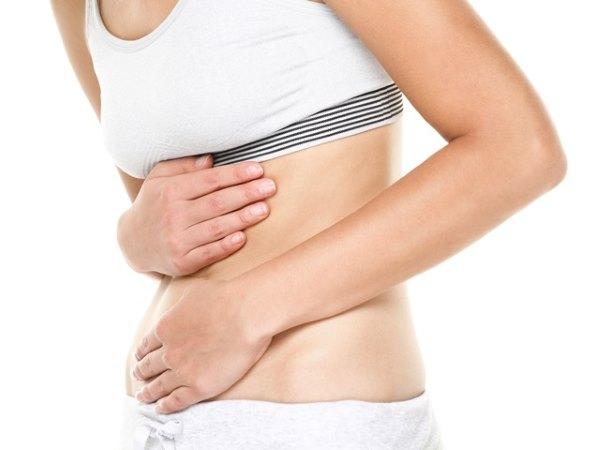
Beans can be harmful if people ignore contraindications and eat them anyway. In such cases, people may experience a feeling of heaviness in the lower abdomen and bloating. They are also harmful for those with flatulence, as eating legumes can exacerbate the condition.
To avoid dangerous side effects after eating peas, you need to make sure in advance that it is not contraindicated.
Conclusion
Many gardeners who enjoy legumes grow beans. Before planting beans and preparing dishes with them, it's important to understand their characteristics and health benefits.
Related posts:
 Description of the 90 best varieties of beans for open ground with names
 Description and properties of the 50 best varieties of asparagus beans, benefits and harms
 The benefits and harms of red beans for the human body: for women, men, and children
 How and where beans grow, planting and care rules in open ground
 Health benefits and harms of black beans, varieties, contraindications, and recipes
 The best recipes for pickled beans in jars for the winter are so good you'll lick your fingers.
 Recipes for making pickled green beans for the winter at home
 Planting seedlings and seeds, growing and caring for asparagus beans in open ground