
Freezing vegetables, fruits, and berries is a popular way for many housewives to preserve all the beneficial properties of the produce for the winter and reduce processing time. green peas, which is then used in vegetable dishes and salads. Storing it in the freezer allows you to fully preserve the flavor and nutrients. There are no particular difficulties in preparing the semi-finished product, but before freeze green peas for the winter, it is recommended to understand all the subtleties and tricks of the process.
Can you freeze peas for the winter?
If you ask a good, experienced home cook about freezing peas, the answer will be clear: not only is it possible, but it's even necessary. Low temperatures preserve all the nutrients that these peas are so rich in. Another advantage of freezing is that it completely preserves the peas' flavor and color.
Which peas are best for freezing?
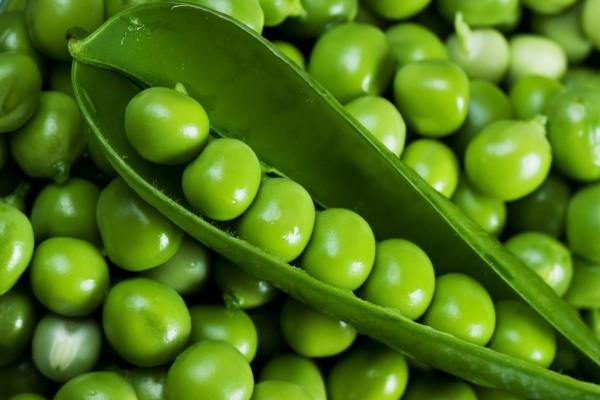
It's recommended to store young peas in the freezer for the winter. Choose fully formed, bright green pods.
There should be no signs of damage or rot; these indicate that the raw materials are of poor quality, which can affect the taste of the finished dish.
It's important to remember that green peas that aren't heat-treated in a timely manner lose their marketable appearance. The peas will shrivel and their color will become duller. Freezing should be done immediately after harvesting.
Preparing the refrigerator
The first step before harvesting green peas is preparing the freezer. Since storage will be long, it's recommended to completely defrost the freezer and clean the shelves and drawers. Turn the freezer back on only after it's completely dry. If you're storing a large amount of peas, empty the drawer. If you're planning a small amount, a small corner of the freezer will suffice.
How to freeze green peas at home
There are several ways to prepare semi-finished products, each with its own advantages. Freezing can be done:
- raw;
- pre-blanch the pods;
- Blanch the shelled peas.
Decide in advance how you'll use the produce. If you plan to prepare soups or entrees, it's best to stock up on raw vegetables. For salads, freezing and blanching them first is the easiest way.
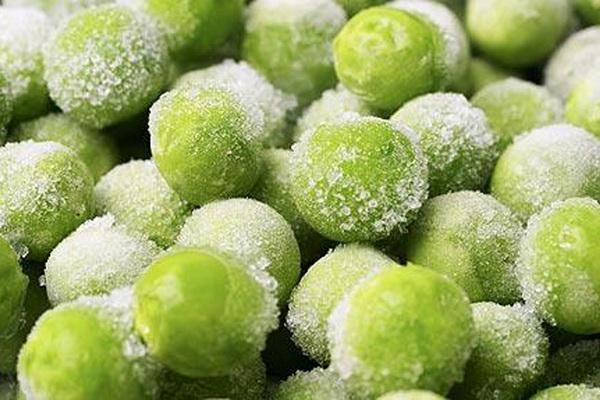
Freezing raw peas
The easiest way to stock up on this healthy ingredient is to freeze fresh peas. The process is simple and takes little time:
- Rinse the pre-sorted pods thoroughly under cold running water.
- Dry the pods on a napkin, allowing the liquid to drain.
- Once the peas are shelled, there is no need to wash them, which significantly reduces processing time.
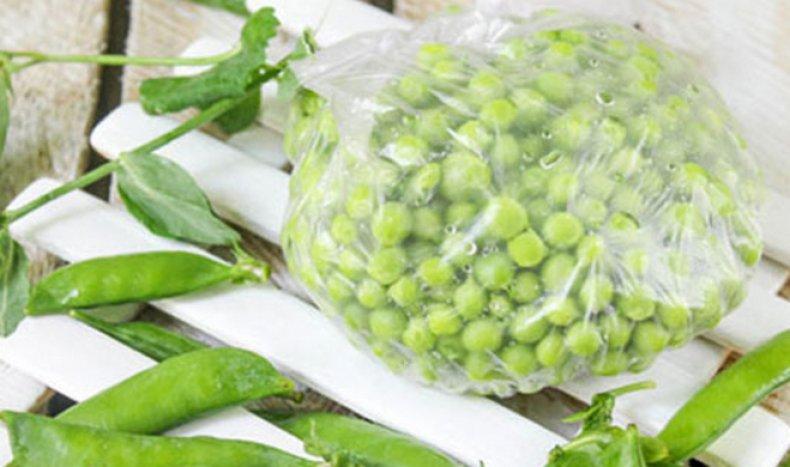
- Place the finished products into small bags or containers.
- Place in freezer.
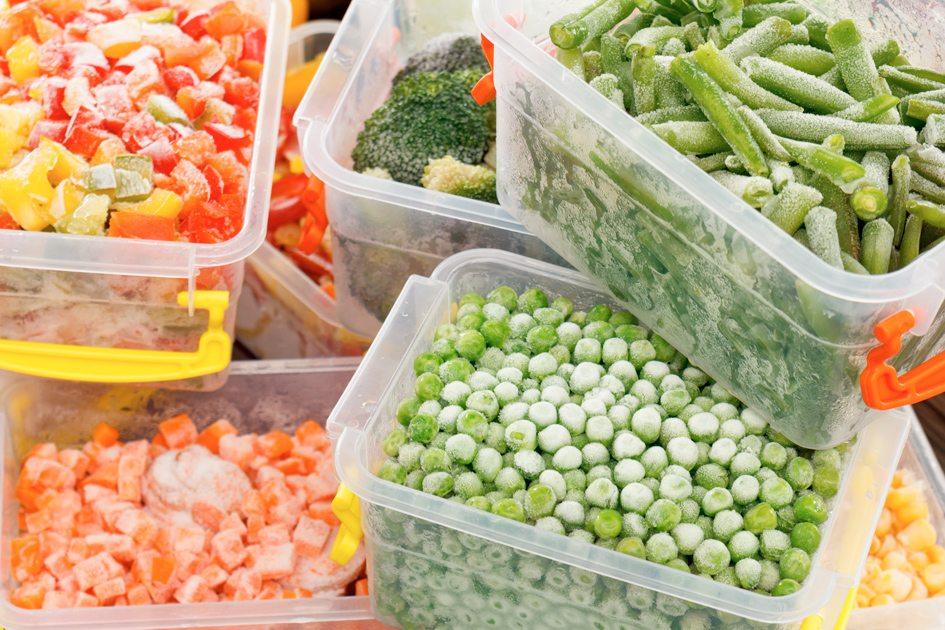
While freezing, stir the peas several times to prevent them from clumping. This will significantly simplify cooking, eliminating the need for defrosting. Add the required amount of peas to the soup, and return the rest to the freezer.
Pre-blanched in pods
A more labor-intensive method for preparing green peas is to blanch the pods first. This method is recommended only for sugar pea varieties, which lack the tough membrane inside the pods.
Step by step process:
- Wash the pods, sort through them, remove any damaged ones, those starting to rot, or those that are spoiled.
- Remove the stems (from both sides) with a sharp knife, cut any pods that are too large into 2-5 pieces.
- Blanch in small portions (2-4 minutes), after boiling water immediately place in cold water (this will prevent loss of bright color).
- After a quarter of an hour, remove the raw material onto a napkin to remove any remaining moisture.
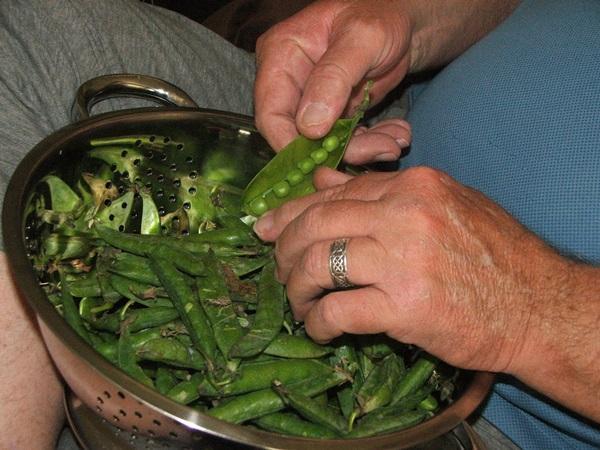
After drying, pack the pods into small containers and place them in the freezer. While freezing, stir regularly to prevent the pods from freezing.
In ice cube trays
Ice cube trays are also recommended for freezing semi-finished products. This method is suitable for small peas; pre-heating is not necessary.
Step-by-step preparation of freezing:
- Shell the peas, rinse, no need to dry.
- Fill the molds with prepared raw materials.
- Boil and cool water and broth.
- Pour the liquid over the peas (keep in mind that the liquid will increase in volume when frozen, do not fill the molds to the top).
- Place in the freezer for 24 hours.
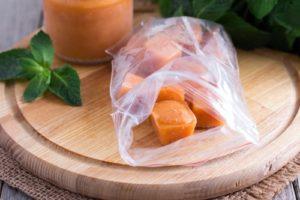
- Remove the finished cubes from the molds and place them in thick bags or containers.
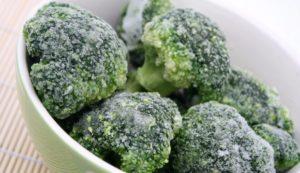
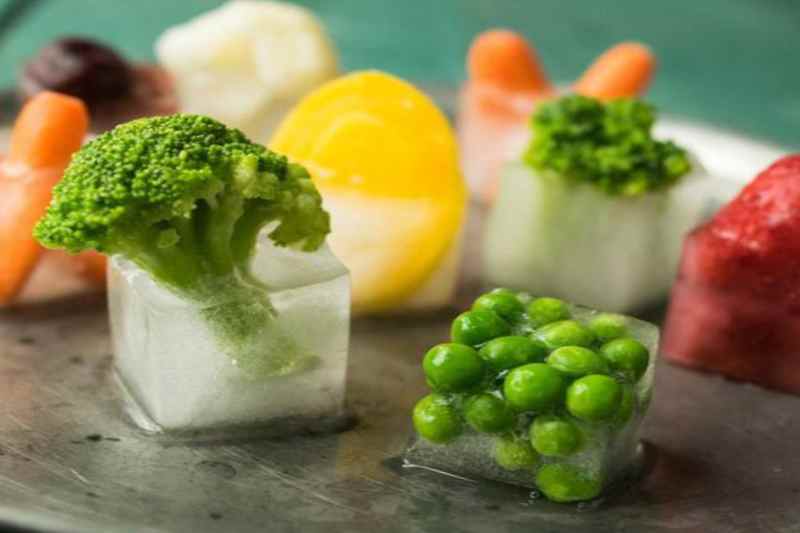
Place the cubed containers in the freezer. To prepare the dish, simply add them to the pot or pan and cook until done.
Shelf life and storage rules for frozen products
The shelf life of peas, regardless of whether they were cooked before refrigeration, is no more than 10 months. To avoid errors with the dates, it's recommended to label the peas by writing the exact date on the packaging. Even if you managed to harvest a large amount, you'll have to throw out the leftovers if you didn't use them all within the recommended timeframe. To avoid throwing expired peas in the trash, it's important to determine in advance how many peas you'll need for the winter.
The recommended storage temperature for peas is no lower than 18 degrees Celsius. At lower temperatures, irreversible processes occur in peas—some compounds are destroyed, which affects the taste and significantly reduces the nutritional value of the product.
When storing peas, be sure to avoid temperature fluctuations in the freezer, as this will inevitably cause the peas to freeze. If you need to defrost the freezer, ensure that this won't affect the peas' storage by moving them to a cooler location.
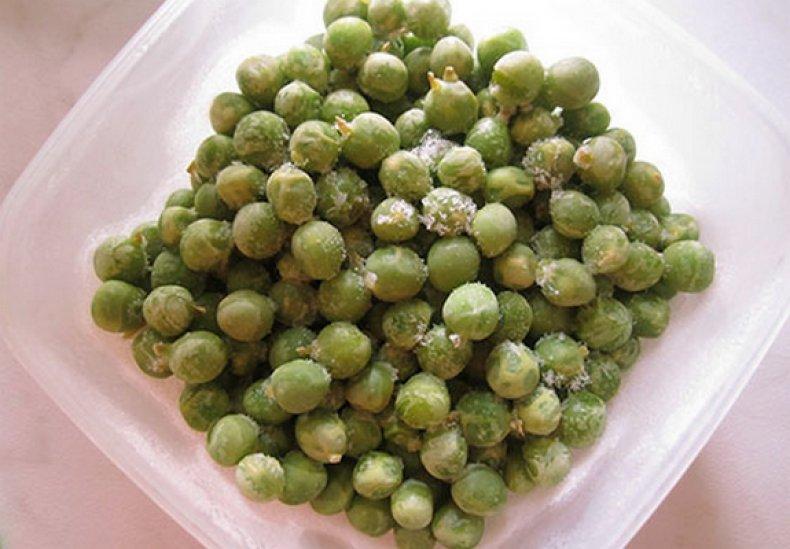
Frozen peas can be defrosted only once and then used immediately. Therefore, it's recommended to freeze them in small containers, allowing you to use a single serving.
During storage, it's not recommended to remove containers of peas from the freezer for long periods of time, as this will cause condensation. Moisture inside the container will quickly turn loose peas into a lump. This will have a negative impact on subsequent cooking—you'll have to defrost all the ingredients and immediately add them to soups or salads.
How to properly defrost peas
Using peas in cooking is easy, especially if you froze them pre-blanched. In such cases, add them to soup or entrees straight from the freezer; no defrosting is necessary. After boiling, simmer for 2-4 minutes over low heat. The peas will be fully cooked.
To prepare salads, peas will need to be defrosted. It's recommended not to do this at room temperature; it's better to use the bottom shelf of the refrigerator. Remove green peas from the freezer well in advance; they will take about 24 hours to completely thaw.
If defrosting peas, use only the refrigerator. At room temperature, they will become soft, tasteless, lose their green color, and become pale. When adding frozen peas to a dish during cooking, keep in mind that cooking time will be longer than with shelled peas. Boil soups and stews for at least ten minutes.
Green peas are a must-have addition to the most popular salads and delicious soups. There's no need to spend money on this healthy ingredient; you can easily prepare frozen peas yourself. For great results, you just need a little knowledge—how to properly prepare the peas, which recipes are best to use, and how to properly store them. The results are sure to please; the peas will be just as good as store-bought, with one difference: they'll retain far more nutrients.
Related posts:
 The health benefits and harms of green peas, composition, calorie content, and properties
 Recipes for canning green peas for the winter at home and storage
 Description and characteristics of the best seeds of pea varieties and types
 The best recipes for freezing vegetables at home for the winter
 Is it possible to grow an apricot tree from a seed in your garden? How to plant and care for it?
 Methods for planting and propagating cherries at home
 The health benefits of beans for women and men, harm and contraindications
 Can you freeze bananas for the winter? Top 10 homemade recipes