
During the summer, there's a plethora of seasonal fruits available – ripe, flavorful, in a variety of varieties, and at affordable prices. During the colder months, finding them isn't as easy; they're expensive, and their flavor often leaves much to be desired. Fortunately, there are ways to preserve summer fruit until next year. Learn how to freeze fresh peaches for the winter to preserve their maximum flavor and nutritional value.
Peculiarities of freezing peaches for the winter
Housewives freeze raspberries, strawberries, currants, and, much less frequently, peaches and nectarines.
There's a concern that after defrosting, fruit will lose its shape, become too soft, and tasteless. To prevent this, you should:
- carefully select fruits for freezing;
- observe all the nuances during the preparation process;
- choose the right containers.
Selecting and preparing fruits
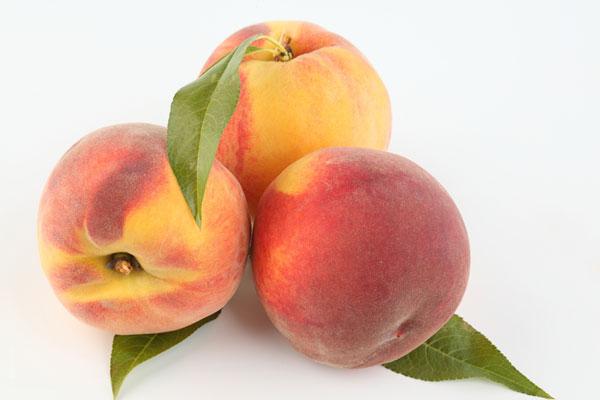
Select only ripe peaches that are firm enough, not overripe, and free of bruises, marks, or damaged areas. Damaged or overly soft peaches are best used in jam or compote. If they are slightly tart, this will only increase after freezing; choose sweeter varieties.
Be sure to thoroughly wash and dry the fruit. Inspect each one from all sides for damage. Different recipes call for leaving them whole or cutting them and removing the pits, but in any case, the fruit should be clean.
For preparation, you need to use bags or containers suitable for the freezer, provided that they close tightly.
Recipes for freezing peaches at home
Depending on the type and size of fruit, your free time and other reasons, there are different freezing methods.
Whole peaches with pits
The easiest method, good for small fruits in which the pit is difficult to remove.
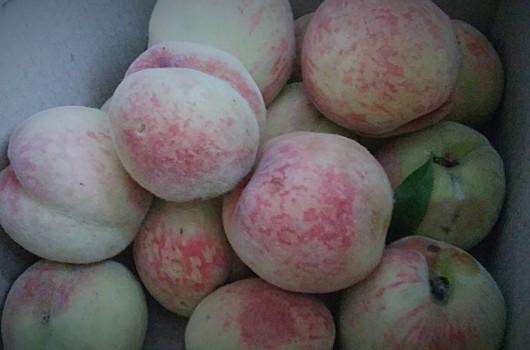
Wash the fruits and dry them thoroughly. Wrap them in clean white paper, place them tightly in plastic bags, and store them in the freezer.
In slices without skin
These peaches are convenient to use in desserts, baked goods, or for decoration, although freezing itself requires more time and effort.
To quickly remove the skin, fruit is blanched—dipped briefly in boiling water. This preserves the fresh flesh and allows the skin to peel off easily.
- Place a large pot of water on the stove to boil.
- Wash the fruit and make a cross-shaped cut on the top of each one.
- Place the peaches in boiling water for 30 seconds, making sure each one is completely covered with boiling water.
- Prepare a separate bowl of ice, pour some cold, clean water into it, and place the blanched fruit in it. After a minute, remove and arrange on a cutting board.
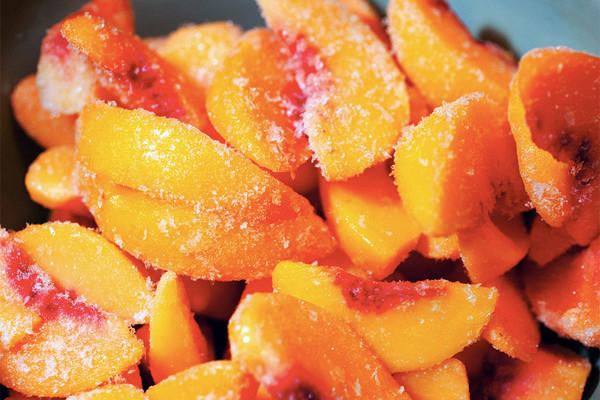
- Now the skins will be easy to peel off the peaches. Peel them and cut them into wedges.
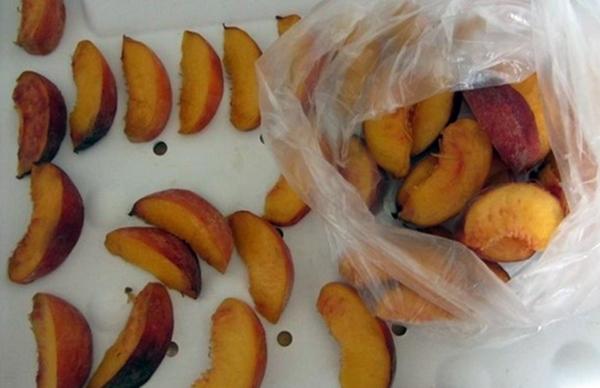
- Place the slices on a silicone mat or parchment paper, cover with cling film and place in the freezer for 6-8 hours or overnight.
- After this time, remove the frozen slices and place them in an airtight container where they can be stored all winter.
It is better to defrost the slices in the refrigerator if you want them to retain their shape as much as possible.
With parchment
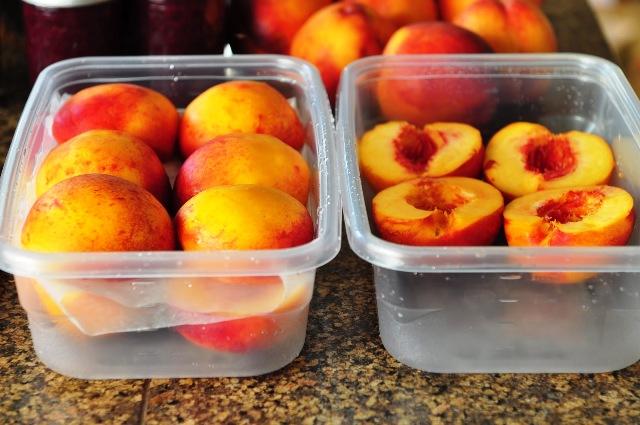
Sheets of parchment paper will help you freeze peaches properly in layers in deep containers.
Wash and dry the peaches. Cut them in half and remove the pits. Peach flesh darkens quickly when exposed to air. To prevent this, spray the cut surfaces with diluted lemon juice or a weak citric acid solution. This step is optional, as the darkening effect is only cosmetic and does not affect the flavor of the fruit.
Cut shapes out of parchment paper to fit the inside of the container. Place a layer of peaches, cut side up, on the bottom, cover with parchment, then another layer, and so on until you reach the top of the container. Cover tightly with a lid and freeze.
Peaches in bulk
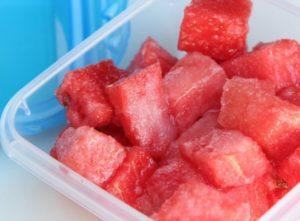
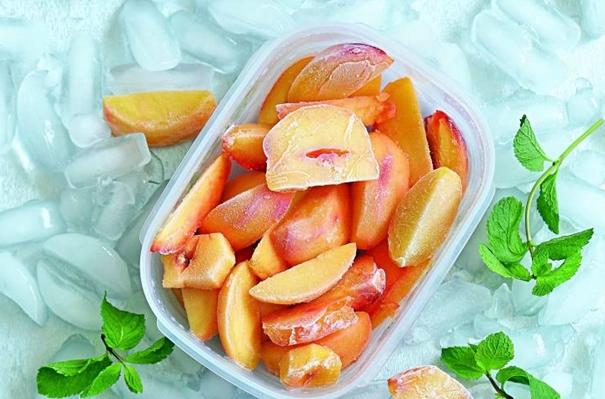
You can freeze fruit slices, halves, or any other pieces, skins included. To do this:
- Wash and dry the fruits well.
- Remove the pits. Cut into pieces of the desired size. You can sprinkle them with lemon juice solution.
- Place the sliced vegetables on a parchment-lined board or silicone mat. Cover with plastic wrap or place in a sealed bag. Freeze overnight.
- Remove the fruit, place it in bags or containers, seal tightly and return it to the freezer.
With sugar
Frozen fruits and berries are usually used to prepare certain dishes or eaten in combination with other products, such as cottage cheese. If you plan to use peaches in baked goods, drinks, or desserts, you can preserve them with sugar. This natural preservative will ensure the quality of the fruit after defrosting and simplify subsequent preparation.
You can freeze peeled pineapple slices with sugar. To do this, wash and dry the pineapple, separate the pulp from the pits, and cut into slices of the desired size. You can remove the skins using the boiling method in the "Skinless Slices" freezing recipe.
Place the sliced pieces in bags or containers, sprinkle the layers with sugar. Seal the containers tightly and place in the freezer.
In syrup
Peaches frozen in sugar syrup make a great filling for sponge cakes. Even soft, overripe peaches are suitable for this method.
You will need:
- a solution of 100 milliliters of lemon juice and 900 milliliters of water;
- 1 kilogram of peaches or nectarines;
- 300 grams of sugar;
- 1 liter of water;
- 1 tablespoon lemon juice or a pinch of citric acid.
Preparation:
- Cut clean fruit into slices and dip them into a lemon juice solution.
- Make the syrup: pour the sugar into a saucepan, add water, bring to a boil, and simmer over low heat until the liquid begins to thicken. No need to stir! Add lemon juice or acid and remove from heat.
- Prepare small containers for freezing - it is better to consume the finished product in one go.
- Place peach slices in each container and pour syrup over them. The total volume of the mixture should not exceed 3/4 of the container, as the liquid expands at sub-zero temperatures.
- Place containers of peaches in syrup in the freezer.
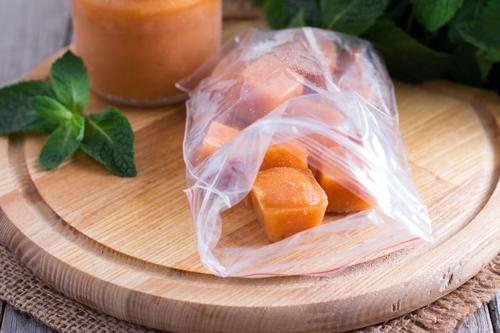
Peach puree
Not only whole fruit pieces are frozen for the winter, but also peach puree. It takes up less space in the freezer and is suitable for making desserts or feeding young children.
Make a cross-shaped cut in each peach. Blanch the peach for 1 minute in boiling water, then plunge into ice water. Peel and slice.
Puree the pieces using a blender. You can add sugar – 100 grams per kilogram of fruit. Pour the puree into plastic containers, but not quite to the top, seal tightly, and place in the freezer.
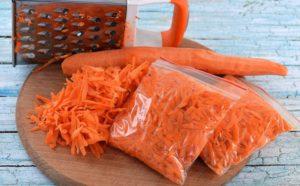
Puree can also be frozen in bags, provided they are hermetically sealed. Bags should be folded horizontally; once frozen, they can be stored as desired.
Further storage
The typical refrigerator freezer temperature is around -18°C (-18°F). Peaches can be stored in these conditions for 6-8 months. After this time, they won't spoil, but they will gradually lose their flavor, aroma, and nutritional value. After a year, they shouldn't be stored.
Frozen fruits easily absorb odors, so it is recommended to keep them tightly closed, if possible in separate boxes or simply away from spicy plants and processed fish.
To help you remember when your preparation was made, attach a date sticker to each bag or container or write it directly on the container with a marker.
How to defrost peaches
Take care to prepare frozen fruit in advance – the slower this process is, the better the consistency, the stronger the taste and aroma.
Ideally, move the container of peaches to the bottom shelf of the refrigerator 6-8 hours before eating. They also defrost well at room temperature.
If time is short, you can defrost fruit in a microwave or steamer, but be prepared for it to release a large amount of liquid and be almost tasteless. Thawing at high temperatures is not recommended for all fruits and vegetables.
The larger the fruit pieces, the longer it will take to defrost. Do not refreeze thawed fruit!
Related posts:
 How to properly store peaches at home for the winter
 Description and characteristics of the 45 best types of peaches, growing rules
 17 Best Homemade Peach Preserves for Winter
 The health benefits and harms of peaches, as well as contraindications for the body
 Simple recipes for compote from peaches and nectarines with and without pits for the winter, with and without sterilization
 Simple recipes for making pitted peach jam
 Simple recipes for peach jam and preserves with lemon slices for the winter
 7 Best Recipes for Preserving Peaches in Syrup for the Winter