
- Chemical composition
- Nutritional value and calorie content
- Beneficial properties
- For women
- For men
- For children
- During pregnancy and breastfeeding
- Can they help with weight loss?
- Features of use
- For diabetes mellitus
- For pancreatitis
- For gastritis and ulcers
- The benefits and harms of various foods
- Conservation
- Dried or cured
- Seeds and leaves
- Juice
- Comparative analysis of peach and nectarine
- Contraindications for use
- How to choose and store correctly
- Application in cosmetology
Peaches are always associated with the warm southern sun and the gentle sea. These delicious, juicy fruits quench thirst, invigorate the body, and can curb hunger. Everyone loves peaches, but let's take a closer look at the health benefits and risks of these beautiful and delicious fruits.
Chemical composition
To understand who is recommended to eat peaches and who is strictly prohibited from doing so, it is necessary to understand the composition of the fruit, which is rich in vitamins and other beneficial substances:
- Vitamin A has a beneficial effect on vision, strengthens bones, and improves the condition of hair and nails. It also helps improve thyroid function and reduces the risk of cancer.
- B vitamins play a direct role in metabolic processes throughout the body. For children, vitamin B is essential for growth and development. For adults, it supports heart function, restores proper digestive and nervous system function, participates in cell regeneration, and increases resistance to stress and fatigue.
- Ascorbic acid, or the famous vitamin C, is responsible for cholesterol levels in the body, boosts immunity, helps fight colds and viral diseases, and protects the body from the development of cancerous tumors.
- Vitamin E is the body's primary protector against malignant tumors, normalizes blood pressure, reduces the risk of varicose veins and thrombophlebitis, and rejuvenates and improves skin elasticity.
- Vitamin P reduces the risk of heart attacks and strokes, helps maintain vision, and strengthens blood vessels.
As for nutrients, it's easier to recall the periodic table, which is present in almost its entirety in peaches. Phosphorus, calcium, sulfur, zinc—and this is far from the entire list of macro- and microelements found in peaches.
Important! It's especially worth noting that the fruits contain over 360 mg of potassium per 100 g of fresh fruit.
Nutritional value and calorie content
Peaches are considered a low-calorie food, recommended for dietary nutrition and weight loss. 10 grams of fresh fruit contain 35 to 50 kcal, up to 9 grams of carbohydrates, less than 1 gram of protein, 0.1 grams of fat, and 2 grams of dietary fiber.
The nutritional value and calorie content of fruits may vary depending on the varietal characteristics of the ripe fruits.
Take a look Also

Beneficial properties
Peaches have been cultivated for thousands of years, so the properties of the fruit have been well studied by official science and folk healers.
For women
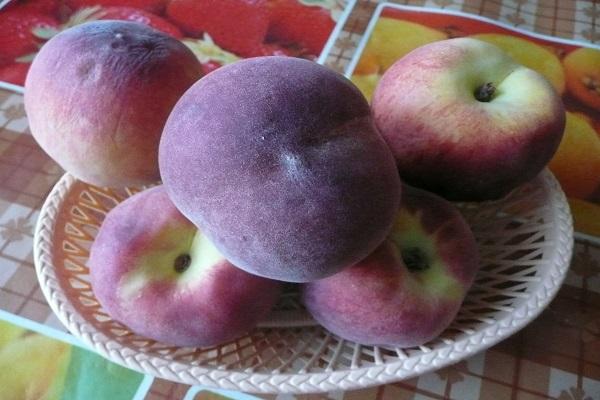
The vitamins and minerals contained in the fruit promote skin rejuvenation, improve hair structure, and alleviate discomfort during menstruation and menopause. Peaches also support the digestive system, cleanse the body of harmful deposits and toxins, and restore heart function and bone tissue.
Tip! To maintain a woman's body in good health, it's enough to include just 2-3 healthy fruits in your daily summer diet..
For men
Peaches are also particularly valuable for men's health. The substances they contain help relieve fatigue, reduce the risk of heart and vascular disease, restore the nervous system, and are used in the comprehensive treatment of male disorders.
Fruits are especially useful after stress, depression and physical exertion.
It is not recommended to include fruits in the diet of men with urolithiasis.

For children
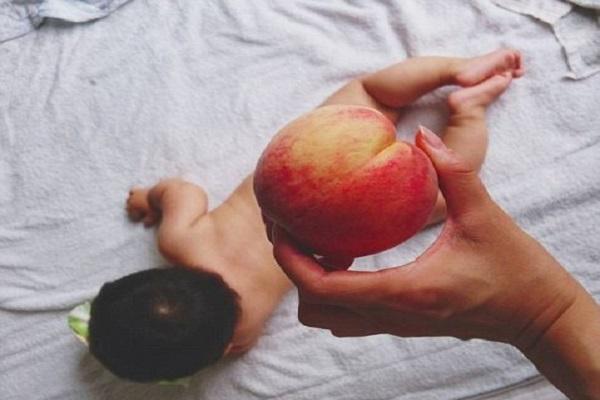
Growing bodies always require increased vitamins, minerals, and nutrients. It's recommended to introduce peaches into babies' diets from 7-8 months of age. The fruit's juicy and soft flesh makes it easy to make fruit purees for babies.
The fruits contain a large amount of phosphorus, which promotes the development of brain activity, improved memory, and the formation of bone tissue in children and adolescents.
For children, just 0.5-1 fruit per day is enough to provide the body with all the necessary nutrients. For teenagers, the daily norm of peaches is 1-2 fruits per day.
Important! The fuzzy skin of fruits often becomes a strong allergen in people with food intolerances and can cause serious allergic reactions.
During pregnancy and breastfeeding
Peaches are recommended for pregnant women at any stage of their pregnancy:
- At the beginning of pregnancy, introducing fruits into the daily diet helps to avoid severe attacks of toxicosis.
- If you suffer from persistent constipation, fresh fruit juice will help you quickly and painlessly get rid of this unpleasant problem.
- Thanks to their excellent diuretic properties, peaches will relieve swelling, naturally removing excess fluid from the expectant mother's body.
- Magnesium, which is part of the fruit, completely relieves nervous stress and tension.
- Vitamin B9 is responsible for the development of the nervous system of the unborn baby.
- With the help of folic acid, the placenta and the baby develop.
Important! The daily intake of peaches for expectant mothers is no more than 2-3 fruits per day. Otherwise, the fruit may trigger dysbiosis.
Can they help with weight loss?
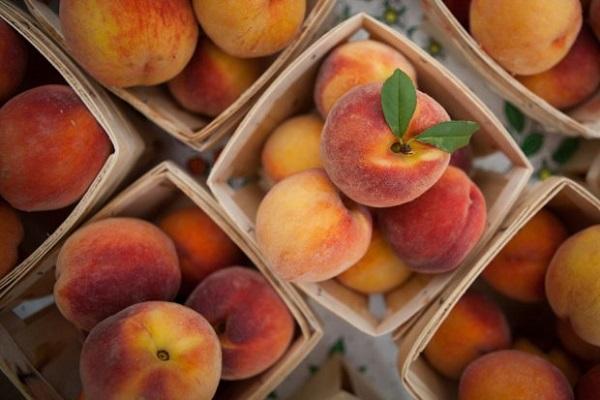
Due to their low calorie content and fiber, peaches are considered an ideal food for dieting and weight loss. Renowned nutritionists use peaches to create special weight loss diets.

Fiber quickly eliminates hunger and helps speed up metabolic processes in the body.
When losing excess weight, juicy fruits can be consumed even at night.
Features of use
Unfortunately, tasty and healthy foods don't always bring only benefits. Some people should consult with a health professional before consuming summer fruits.
For diabetes mellitus
Although peaches are sweet, this sweetness is completely safe for people with high blood sugar. The fructose in the fruit is safe for diabetics in small amounts. The recommended daily intake of fruit is no more than 1-2 peaches.
Important! It's best to avoid overripe and overly sweet peaches.
For pancreatitis
During an exacerbation of the disease, peaches are strictly prohibited from being included in the daily diet. At other times, consumption of the fruit is recommended with extreme caution.
After an exacerbation of the disease, it is best to cook jelly or kissels from fruits.
For gastritis and ulcers
During periods of illness exacerbation, peaches are completely eliminated from the diet. During recovery after attacks, it is recommended to gradually introduce compotes or jelly made from fresh fruit into the diet.
The benefits and harms of various foods
Peaches are seasonal fruits, and finding fresh ones in winter is a real challenge. Therefore, these healthy fruits are preserved, dried, cured, juiced, and made into nectars.
Conservation
Fruits preserved in syrup have a long shelf life and have an excellent dessert taste.
Canned peaches are useful for toxicosis and digestive disorders, and the vitamins and nutrients in canned fruits are completely preserved.
Since the fruits are canned with the addition of sugar syrup, this dessert is not recommended for diabetics.

Dried or cured
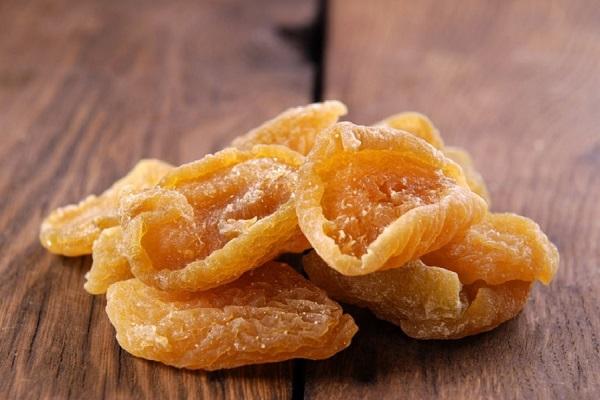
Any dried or cured berries and fruits cannot be considered dietary products due to their high calorie content.
Dried peaches contain over 250 kcal per 100 g of product. Therefore, they are not recommended for those overweight or on a diet.
But for strengthening blood vessels and proper functioning of the heart muscle, dried and cured fruits are irreplaceable.
Seeds and leaves
Peach kernels produce a beneficial oil that is widely used in cosmetology.
Peach leaves are used to make healthy infusions and decoctions that help with severe joint pain and headaches, and are used in the complex treatment of cystitis, chronic constipation, and digestive disorders.
Important! The fruit seeds contain hydrocyanic acid, which is dangerous to the body, so the kernels should not be eaten.
Juice
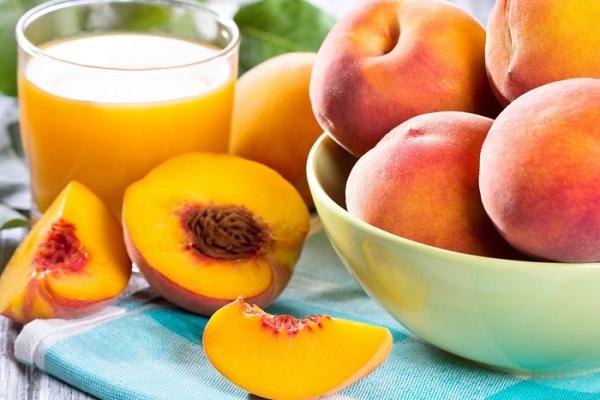
Peach juice preserves all the beneficial properties of fresh fruit and is also beneficial for the body. Fresh peach juice is excellent for constipation and is recommended for gastritis with low acidity.

It is recommended to drink juice from fresh fruits only after meals.
Comparative analysis of peach and nectarine
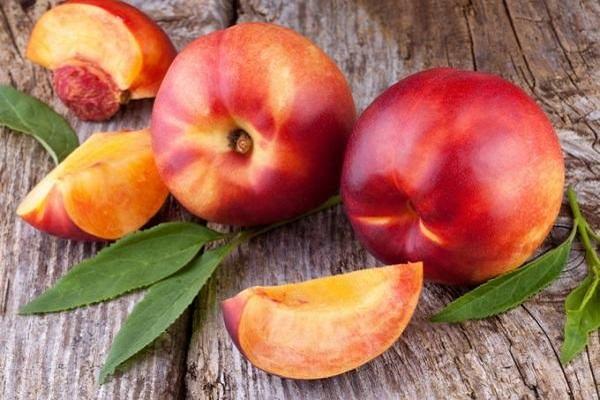
Nectarines are a hybrid form of peach, developed through natural pollination and mutation. They differ from peaches in that they have smooth, fuzz-free skin, making them less allergenic.
Also, some varieties of nectarine have been found to contain higher levels of vitamins A and C.
Contraindications for use
Unfortunately, this delicious southern fruit is far from safe for those with certain health conditions and can cause even more harm to already compromised health:
- It is not recommended to include the fruit in the diet of people prone to food allergies and those with individual intolerance to the product.
- Peaches are also contraindicated in severe stages of diabetes.
- Peaches are also not recommended for consumption in case of frequent diarrhea and gastrointestinal tract problems.
- If you are overweight or have any stage of obesity, the amount of fruit consumed should be minimal.
- For people with high acidity, fruits will also not bring any benefits, but can cause serious health problems.
Important! Any liver dysfunction should not be considered when consuming fresh fruit.

How to choose and store correctly
When choosing a ripe peach, first of all pay attention to the appearance of the fruit:
- The pods must be free of damage and punctures of the delicate skin.
- The fruit should be brightly colored, without dark spots or dents.
- The place where the stalk was located is bright pink or yellow.
- The stone in the pulp is well developed and moist, without cracks or signs of rot.
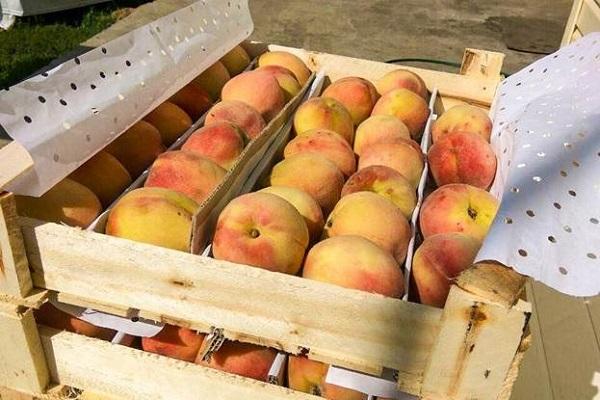
Store fruit in the refrigerator for no more than 5-7 days. If the fruit is unripe, extend the storage period until the peaches are fully ripe.

Application in cosmetology
Excellent lotions, creams, and masks are made from the oil extracted from peach kernels, juice, leaves, and fruit pulp. These cosmetics rejuvenate and improve skin elasticity, improve hair structure, and strengthen nails.
Cosmetologists and perfumers use peach oil to create unique series of perfumes and cosmetics.
Related posts:
 How to properly store peaches at home for the winter
 Description and characteristics of the 45 best types of peaches, growing rules
 17 Best Homemade Peach Preserves for Winter
 How to freeze peaches at home for the winter: the best recipes with and without sugar
 Simple recipes for compote from peaches and nectarines with and without pits for the winter, with and without sterilization
 7 Best Recipes for Preserving Peaches in Syrup for the Winter
 The benefits and harms of apricots for the human body, properties and contraindications
 Simple recipes for peach jam and preserves with lemon slices for the winter