
- Composition and nutritional value of fresh apricots
- Vitamins
- Minerals
- Caloric content of the fruit
- Basic rules for eating
- What form of fruit is healthier to eat?
- Daily intake
- The benefits and harms of apricots for the human body
- For women
- For men
- For children
- For the elderly
- Nuances of product use by pregnant and lactating women
- Is it possible to lose weight on the apricot diet?
- Harmful effects of apricots and contraindications
Wild apricots are found in the Caucasus, China, and Kazakhstan, and cultivated throughout the country. Children and adults alike love these orange fruits for their tender flesh, juiciness, flavor, and aroma. Whether they grow these sunny fruits in their gardens or purchase them from retailers or bazaars, consumers consider the health benefits and risks of apricots.
Composition and nutritional value of fresh apricots
Despite its rich, sweet flavor, apricots are low in calories. The fruit's juiciness comes from water, which makes up 83% of its mass. Its nutritional value (BZHU) is high in carbohydrates—9.2%—and low in protein—0.9%. Its fat content is negligible—0.1%. The benefits of the fruits are provided by the vitamin and mineral complex, the content of dietary fiber, plant sterols, and organic acids.
Vitamins
The orange color indicates the fruit's keratin content. Converted into vitamin A in the body, this substance, along with ascorbic acid, is involved in all biochemical processes in the body and strengthens the immune system.
100 g of fruit covers a third of the body's daily requirement for vitamin A.
Apricots contain vitamins P, PP, B1, B2, B15, B17, E.
B vitamins are responsible for muscle and nerve function, emotional well-being, and minimize the risk of vascular accidents. Bioflavonoids, which give apricots their aroma and flavor, cleanse blood vessel walls of "bad" cholesterol and prevent capillary fragility.
Tocopherol has antioxidant properties, normalizes reproductive function, and regenerates skin cells. Nicotinic acid prevents blood clots.
Ascorbic acid, in a concentration of 10 mg per 100 g, is involved in metabolism, stimulates the synthesis of collagen and elastin, strengthens the body's defenses, and slows down the aging process.

Minerals
Apricots are beneficial due to their high potassium content, which normalizes heart function. 100 g of the fruit contains 259 mg of this substance. They are also rich in phosphorus, calcium, and magnesium. They also contain lesser amounts of sodium, zinc, copper, selenium, and manganese.
Caloric content of the fruit
The energy value of 100 grams of fresh apricot is 44 kcal. This value classifies the fruit as a dietary product, which cannot be said of dried apricots or dried apricots. The concentration of sugars during evaporation of water increases the calorie content to 200 and 280 kcal, respectively.
Basic rules for eating
Before consuming apricots, adhere to the recommended intake, as high carbohydrate content can lead to weight gain.

When choosing a product in a retail chain, it is recommended to give preference to fresh fruits or canned goods, which retain more beneficial elements.
What form of fruit is healthier to eat?
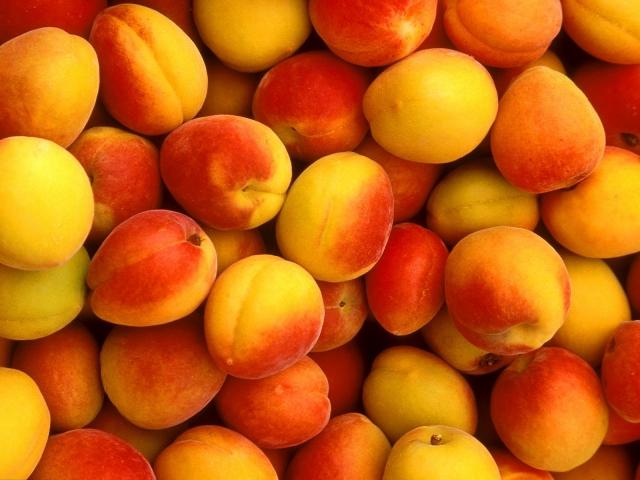
Undoubtedly, the healthiest apricots are fresh. Whole dried apricots stored in a dark place lose minimal amounts of vitamins. Contrary to popular belief that frozen apricots retain all their nutrients intact, scientists have proven otherwise. Slow freezing causes ice crystals to form in the intercellular spaces of the pulp, destroying the structure of the fruit. Even rapid freezing at -25°C doesn't preserve 100% of the beneficial properties, with 20% of the vitamin C lost.
The nutritional value of canned apricots decreases proportionally to the duration and temperature of cooking. The vitamins most susceptible to destruction are ascorbic and nicotinic acids.
After cooking, their content is 10–30% of the original. In compotes, preserves, and marmalades, only the fiber content remains unchanged. In addition to the pulp, apricot kernels are used in cooking. The product is added to baked goods, ice cream, and salads. In addition to the beneficial oleic and linoleic acids, which lower cholesterol and neutralize free radicals, the kernels of orange fruits contain hydrocyanic acid. Therefore, consumption is limited to ten apricots for adults and five for children.

Daily intake
There are no strict guidelines for apricot consumption. The daily dose is calculated based on the recommended fructose intake. A healthy person of normal weight can safely eat 20 apricots, which contain 25 grams of fruit sugar. For people with diabetes or obesity, the recommended daily intake is halved.
The benefits and harms of apricots for the human body
The fruit's composition, including a range of vitamins, minerals, organic acids, and pectins, makes apricots beneficial for the human body, regardless of gender or age. The fruit's beneficial effects include the following:
- intestinal peristalsis is enhanced, constipation and flatulence are eliminated;
- waste products are removed;
- the process of hematopoiesis improves;
- the lumen of blood vessels increases, cholesterol is removed;
- the functions of nervous, muscle and bone tissue are normalized;
- psycho-emotional states are stabilized;
- normal kidney function is maintained, excess fluid is removed, and swelling is relieved;
- metabolic processes are accelerated;
- relieves acute symptoms of respiratory diseases, facilitates the removal of sputum when coughing;
- the development of cancerous tumors is inhibited due to the cyanide content in vitamin B
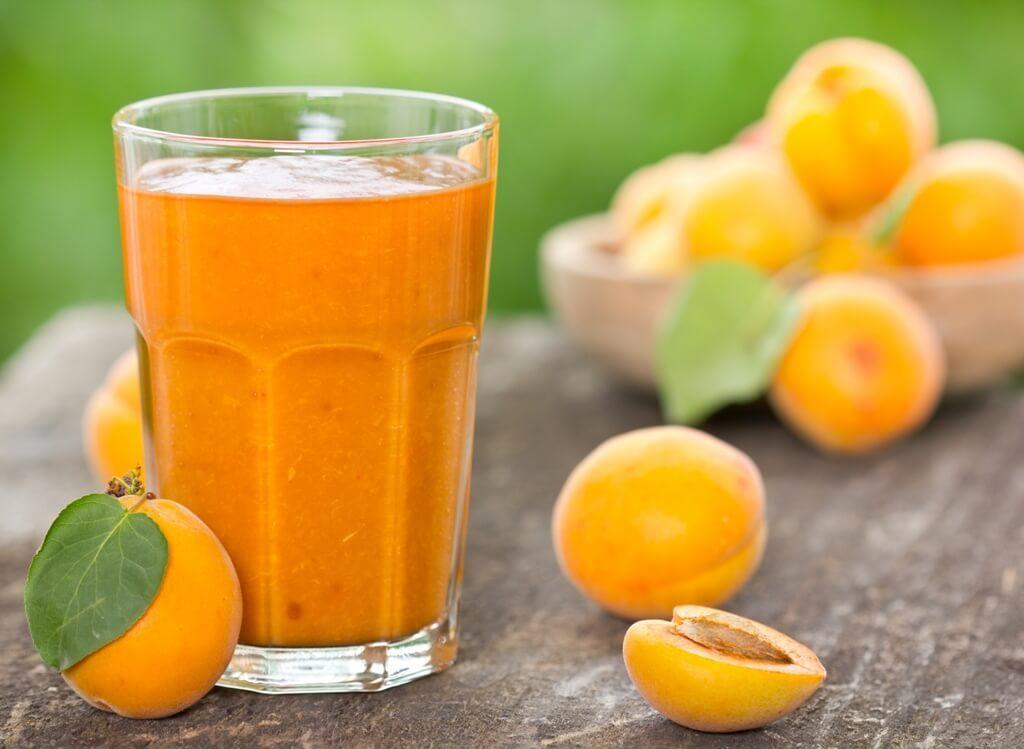
The properties of orange fruits help boost the body's defenses, prolong youth, and normalize the function of internal organs and systems. Like other fruits rich in fiber, natural sugars, and acids, apricots are harmful when consumed in excess and can cause chronic diseases.
For women
The iodine in the product improves thyroid function, which is responsible for hormonal balance, and women's health. Due to the low calorie content of apricots, the fruit can be consumed without compromising your figure, and, if necessary, a short-term apricot diet can be used to help shed excess weight.
Take a look Also
Due to their high antioxidant properties, fruits are used in cosmetology to normalize dry, sensitive and aging skin.
Apricot extract in creams and masks improves elasticity thanks to ascorbic acid. Potassium provides hydration, and retinol reduces inflammation and flaking.  Apricot kernel oil is used pure or mixed with other essential oils for facial and body skin care. It rejuvenates the skin, removes the upper keratinized layer, and improves complexion.
For men
Men over 40 suffer from poor cardiac and vascular function. Apricots have a beneficial effect on cardiac muscle function and prevent the formation of cholesterol plaques that narrow blood vessels.
Regular consumption of sunny fruits reduces the risk of vascular accidents.
Normalizing blood flow, eliminating capillary fragility, and increasing nutrition and oxygen delivery to tissues, including the genitals, reduces the risk of prostate disease, and increases libido, erectile function, and the duration of intercourse.
For children
A growing organism needs to build up muscle tissue, normal development of the musculoskeletal system, all systems, and the brain.
Apricot, containing a complex of vitamins and minerals, promotes the harmonious development of the child.
Fresh fruit helps relieve constipation. Parents use apricot kernel oil to treat colds. Skin care for infants helps relieve prickly heat and seborrheic dermatitis.

For the elderly
In old age, biochemical processes and metabolism slow down. Apricots speed up metabolism, removing harmful waste and toxins from the body. They also support healthy heart, kidney, and intestinal function.
Fruit consumption reduces the incidence of colds thanks to its antioxidant properties and immune-boosting properties. The high calcium content prevents osteoporosis. Magnesium normalizes blood pressure, and phosphorus stimulates brain function, preventing dementia.
Nuances of product use by pregnant and lactating women
Unless contraindicated, doctors recommend that pregnant women eat fresh apricots, drink apricot juice with pulp, or add pieces of the fruit to fermented milk drinks. These foods are healthy and don't raise blood sugar levels, unlike dried apricots, compotes, and jams, as long as the dosage is not exceeded.

Benefits of fruits for pregnant and lactating women:
- reduction of toxicosis symptoms;
- increasing hemoglobin in the bloodstream, eliminating anemia;
- stabilization of the emotional background of expectant mothers;
- strengthening the nervous system;
- relief from swelling;
- normalization of sleep, which is important when a growing belly makes it difficult to choose a suitable position in bed;
- increasing lactation;
- heartburn relief;
- combating constipation in mother and baby;
- enrichment of breast milk with nutrients necessary for the full development of the child.
Morning sickness can be alleviated by eating 100 grams of apricots in the morning on an empty stomach. For constipation and flatulence, eat 10 apricots at night.

Restrictions on the consumption of apricots:
- in case of diarrhea, avoid eating fruits on an empty stomach and immediately after meat dishes;
- You should not eat more than 8–10 fruit seeds;
- It is not recommended to drink cold water with fruits;
- In case of bradycardia, the fruits are consumed after the doctor’s permission.
If your skin is dry, your nails are brittle, your hair is splitting and falling out, it means you're lacking vitamin A. In this case, apricots are added to cream and sour cream, as the carotene found in large quantities in fruits is only absorbed with fats.

Is it possible to lose weight on the apricot diet?
The apricot diet is suitable for those who cannot give up sweets. Nutritionists recommend eating 800 grams of fruit daily for three days, divided into five meals. Other foods are excluded during the diet. It is recommended to drink water an hour and a half before and after meals. Unsweetened green or herbal tea and mineral water can be included in the menu.
The expected weight loss result is a weight loss of up to 5 kg.
A diet based on other foods can lead to depression and sleep disturbances. Apricots, on the other hand, increase serotonin levels, improve mood, and normalize sleep.
Losing excess weight with the help of fruits is contraindicated for pregnant women, patients with diabetes, gastritis, and irritable bowel syndrome.
Harmful effects of apricots and contraindications
Apricots are not recommended for consumption in the following diseases and conditions:
- gastritis, stomach ulcer, intestinal ulcer;
- underactive thyroid gland;
- diabetes;
- obesity:
- hepatitis;
- pancreatitis.
Exceeding the recommended daily dose may cause dizziness, arrhythmia, and diarrhea. Apricots are not recommended for people with an individual intolerance to the fruit.
Apricots are a delicious, juicy, and healthy food that lifts your mood and provides the body with beneficial elements that participate in various biochemical reactions. Despite the fruit's rich vitamin and mineral content, it's recommended to adhere to consumption guidelines and be aware of any contraindications.
Related posts:
 14 Best Step-by-Step Recipes for Making Apricot Jam for the Winter
 What to cook with apricots for the winter and 19 best step-by-step recipes
 How to make apricot compote for the winter, recipes with and without pits, for a 3-liter jar
 TOP 12 recipes for preparing apricot slices in syrup for the winter
 7 Best Recipes for Making Fanta with Apricots and Oranges for the Winter
 Simple step-by-step recipes for thick apricot jam for the winter at home, with and without pits
 TOP 10 recipes for freezing fresh apricots for the winter in the refrigerator and freezer
 Description of the 11 best winter-hardy apricot varieties for the Urals, planting and care