
- Botanical description
- Beneficial properties and contraindications
- Planting and growing at home
- Methods and technology for planting feijoa
- Seeds
- Cuttings
- Root shoots
- How to care for an exotic plant
- A suitable place
- Air temperature and humidity
- Required soil composition
- Fertilizers
- Watering rules
- Transfer
- Pruning and crown shaping
- Pollination
- Diseases and pests, their control
- Features of planting and growing in open ground
- Agricultural techniques for a good harvest
- Reproduction of culture
- Popular varieties and types in Russia
Growing and caring for feijoa indoors must meet the plant's specific requirements. The plant prefers southern regions and reaches a height of 6 meters. However, with proper care, it can be grown as a houseplant. Moving the pot outdoors during the summer can yield a harvest.
Botanical description
This plant, which grows as a shrub or tall tree, reaches 4 meters. It belongs to the Myrtaceae family and the genus Feijoa. It is an evergreen plant with dense green leaves. The leaves are opposite and venous. The leaves are covered with a fine wax on the upper surface and gray pubescence on the underside. The branches are covered with gray-brown bark.
Feijoa blooms for a long time, about 20 days. The flowers are white, turning crimson toward the center. The core contains more than 70 stamens. Insect pollination is necessary for ovary formation.
The fruits are medium-sized, green, juicy berries containing seeds. The flavor is reminiscent of pineapple, strawberry, or kiwi. The inside flesh is translucent and gelatinous. The outside has a bumpy, green skin.
Beneficial properties and contraindications
Feijoa fruits are rich in nutrients. They contain tannins, vitamins C and B, healthy fats, trace elements, and a high iodine content. The fruit has therapeutic and beneficial effects on humans:
- antioxidant;
- replenishes iodine deficiency;
- helps fight colds;
- strengthens the walls of blood vessels;
- stimulates the immune system;
- cleanses blood vessels from cholesterol.

Feijoa leaves are also rich in microelements and can be brewed as tea.
This product has virtually no contraindications. It is hypoallergenic and does not cause allergies. Feijoa should not be consumed by people with individual intolerance to its ingredients, a tendency toward seafood allergies, or those with excess iodine in the body.
Planting and growing at home
Feijoa is a tall, large tree. It might seem difficult to grow it indoors. Many experienced gardeners practice this method of cultivation. With favorable conditions and proper care, feijoa takes on the appearance of a small indoor bush.
Methods and technology for planting feijoa
Feijoa bushes can be planted in several ways: by seeds, cuttings, or root suckers. Each method has its own characteristics.

Seeds
Seeds are extracted from fresh feijoa fruits. The dried seeds retain their viability only for the first year. The optimal planting time is January or early summer. The procedure is as follows:
- The feijoa fruit is cut in half and the seeds are removed with a spoon.
- They are placed on a cotton pad or a piece of paper and placed in a dark place for 5 days to dry.
- Prepare a container with suitable soil.
- Dry seeds are scattered on the surface of the pot.
- They water it.
- Cover with cling film or glass.
- After 4 true leaves appear, the seedlings are transplanted into separate containers.
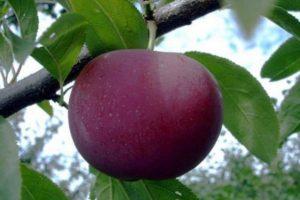
 Important! Do not cover the seeds with soil during germination, as they are small and their germination will not be visible.
Cuttings
In the fall, take cuttings up to 10 cm long. Trim off all leaves except the two apical ones. Place the cuttings in a Kornevin solution for 14 hours. Then transplant them into a pot with moistened soil. Cover with a transparent plastic bag and leave in a warm place until rooting occurs. Air the cuttings for half an hour once a day.
Root shoots
Planting feijoa from root suckers is easier than other methods. When repotting a mature plant, trim the lateral roots and move it to a new pot. Cover the new pot with plastic or glass, mist it periodically, and ventilate it.

How to care for an exotic plant
When optimal conditions are created, feijoa is grown as a houseplant. Site selection, watering and fertilizing, and timely repotting are all important factors.
A suitable place
The plant prefers constant, filtered sunlight. If the pot is placed on the south side, it should be shaded in the afternoon. A sheet of paper or dark netting will do the trick. If the feijoa is placed on the north side, it should be provided with additional illumination using special phytolamps.
Important! During winter, provide additional lighting to prevent leaf shedding.

Air temperature and humidity
Although the plant is tropical, it copes well with subzero temperatures. In summer, it is recommended to move it outdoors or onto an open balcony. In winter and spring, ensure temperatures range from 12 to 20°C.
Maintain humidity at 80%. Spray the bush daily with water from a spray bottle. Proper watering and proper maintenance will help ensure a productive harvest and abundant flowering.
Required soil composition
Feijoa is easy to grow in soil. You can purchase a ready-made soil mix at the store labeled "For flowering plants." You can also prepare your own. To do this, mix:
- leaf soil 1 part;
- turf 1 part;
- humus or compost 1 part;
- peat;
- river sand.

Mix all the ingredients together. Then place them on a baking sheet and bake in the oven at 150°C for 20 minutes. This is necessary to disinfect the mixture from harmful bacteria.
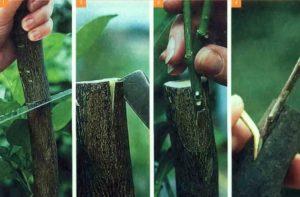
Important! Place pebbles at the bottom of the pot to create drainage.
Fertilizers
Fertilizing the plant is especially important during the flowering and growth period. Feijoa is fed with organic or mineral fertilizers every two weeks. Before fertilizing, the plant is thoroughly watered. It absorbs well:
- superphosphate;
- potassium salt;
- nitrogen fertilizers;
- 1% mullein solution;
- wood ash.

All compounds are applied one at a time. They must not be mixed, as this can put additional stress on the plant.
Watering rules
During hot weather, feijoas need to be watered generously. Place the pot in a deep bowl to catch excess water. There's no need to dump it; the plant will gradually absorb it into the soil. Watch the soil for signs of drying out; only then should you water.
Too much liquid will encourage infection and root rot.
During winter, the plant enters a dormant period, so watering is reduced sharply. Water the plant as the soil dries out. Use pre-prepared water for this procedure. It's either left to stand for several days or filtered.

Transfer
During the first three years of its life, a young tree is repotted every season in May or April. The pot is enlarged by 8-10 cm in diameter. A ceramic or clay container is suitable.
Mature feijoas are repotted once every three years. Avoid burying the roots too deeply, as this disrupts the plant's normal development.
Feijoas are repotted by transferring them from one pot to another. Care must be taken to ensure the root ball is not damaged during the transfer. If disease or rot is detected, the soil should be scraped off the roots, the damaged areas removed, and treated with potassium permanganate before repotting.
Pruning and crown shaping
Crown formation on a young tree begins when it reaches 15-20 cm in height. The main shoot is pinched. It produces two new shoots, which are also pruned. These shoots will produce two more shoots, which are also removed. This process is continued for 3-4 years. This will help maintain the tree's compact size.
When the feijoa begins to bloom, crown formation ceases. The condition of the branches is monitored, and diseased, dry, and old ones are removed.
Important! If left unpruned, feijoa will grow to a height of one meter or more.

Pollination
Feijoa requires pollination to produce fruit. This can be achieved by growing the plant outdoors. Pollination occurs when the tree comes into contact with pollinating insects. It's virtually impossible to produce fruit indoors.
Diseases and pests, their control
If the crop is not properly maintained, its immunity weakens, and it becomes susceptible to fungal infections and pests. Diseases noted include:
- powdery mildew;
- rust;
- gray rot.
To control diseases, feijoa bushes are sprayed with fungicides. The plant is susceptible to the following pests:
- mealybug;
- red spider mite;
- false scale insect.


To control them, feijoa foliage is sprayed with insecticides designed for woody plants. The insects die within 2-3 days. Repeat the treatment if necessary.
Features of planting and growing in open ground
To grow feijoa outdoors, you need to create optimal conditions and provide the plant with proper care. This tree can be planted in the Moscow region and central Moscow. It needs to be well covered for the winter so it can recover by spring. The south is the best region for it. Certain conditions must be met:
- Choose a place with good lighting and no drafts, with shade in the afternoon.
- The soil should be fertile with an acidity value of 6.5.
- You shouldn't plant shrubs nearby, as their roots will become intertwined.
- Provide sufficient watering when the soil in the tree trunk circle dries out.
- Conduct regular fertilization, every 2 weeks, with at least 40 liters of fertilizer solution.
- Perform formative and sanitary pruning.
- Collect the fruits in a timely manner.

Agricultural techniques for a good harvest
Feijoa begins to bear its first fruits 3-4 years after planting in open ground. Flowering lasts over 20 days, after which ovaries form. The fruits ripen by mid- to late-season. It's important to create conditions that allow the feijoa to secure its fruit to the branch and prevent it from falling off prematurely. To do this, you need:
- Fertilize the tree with phosphorus and potassium.
- Monitor the health of the plant.
- Water the crop regularly.
- Remove damaged and dry branches.
- Loosen the area around the tree trunk and remove weeds.
Important! Treating wood with copper sulfate helps rid the plant of harmful insects.

Reproduction of culture
There are several ways to propagate feijoa:
- by cuttings;
- seeds;
- basal shoots.
Popular varieties and types in Russia
The most popular feijoa varieties in Russia are:
- Besson;
- Andre;
- Coolidge;
- Light;
- Firstborn;
- Early aroma;
- Superba;
Depending on the variety, feijoa can be grown in the central and southern regions. There are also varieties bred for cultivation in northern regions.
Related posts:
 11 Best Feijoa Compote Recipes for Winter
 12 of the most delicious feijoa jam recipes for the winter
 8 Best Recipes for Making Feijoa Puréed with Sugar for the Winter
 40 of the best recipes for delicious homemade winter preserves
 The best eggplant varieties for growing in a polycarbonate greenhouse: planting and care
 Methods for planting and propagating cherries at home
 Growing and caring for hazelnuts in open ground, rules for planting hazelnuts
 Causes and treatment of eggplant pests and diseases, how to combat them at home