
- The best frost-resistant varieties for the Urals
- Mountainous Abakan
- Khabarovsk
- Northern lights
- East Siberian
- Siberian Baikalova
- Manchurian
- Chelyabinsk early
- Kichiginsky
- Spicy
- Snezhinsky
- Uralets
- Rules for growing apricots
- Choosing a landing site
- Early planting
- Pruning rules
- Protection from spring frosts
- Tree grafting
- Choosing the right rootstock
- Specifics of planting and caring for the crop
- Selecting seedlings
- Step-by-step planting of apricot
- How to fertilize a tree
- Seasonal work
- Crown shaping and pruning
- Treatment and prevention of diseases and insects
- Preparing apricots for winter and protecting them from rodents
- Potential problems when growing apricots
- It doesn't bloom
- Does not bear fruit
- Recommendations and advice from gardeners
Today, numerous winter-hardy apricot varieties are known for cultivation in the Urals. They differ in taste, fruiting period, tree size, and other characteristics. To achieve good results in cultivation, it is necessary to provide comprehensive and high-quality care. This includes timely pruning, fertilizing, and protection from diseases and pests.
The best frost-resistant varieties for the Urals
There are many apricot varieties that thrive in harsh climates. However, gardeners generally prefer self-fertile varieties.
Mountainous Abakan
This cultivar is characterized by a spreading crown, reaching a height of 3 meters. It is a frost-hardy variety that produces flattened, yellow-green fruits. They have a sweet and sour flavor and juicy flesh. Prolonged thaws can cause the fruit buds to fall off. A single tree can yield up to 15 kilograms of fruit.
Khabarovsk
The harvest begins in the fourth year. The tree requires regular care. It has a spreading crown. A mature plant can yield up to 35 kilograms of delicious fruit. The tree tolerates even severe frosts well.

Northern lights
This is an elite apricot variety characterized by excellent frost resistance. However, the fruit is susceptible to rot. The fruits weigh approximately 30 grams and have medium-firm flesh.
East Siberian
This early variety is distinguished by its frost resistance. A prolonged thaw can cause root collar rot, leading to frost damage. The fruits have excellent flavor.
Siberian Baikalova
This is a wonderful variety that can withstand even the most severe frosts. A mature tree produces up to 25 kilograms of apricots. They are large in size and have a sweet flavor.

Manchurian
This variety is characterized by a tall tree, reaching 12 meters. The fruits have a tart flavor and are ideal for preserves. Moreover, the plant easily tolerates the severe frosts of the Urals.
Chelyabinsk early
This versatile variety is considered partially self-fertile. The fruit ripens fairly early. The tree is medium-sized and has an open crown. The fruits weigh 16-22 grams and have light orange flesh.
Kichiginsky
This mid-late variety is considered self-sterile. It boasts excellent frost resistance. It produces small, round, yellow fruits, weighing 12-15 grams.

Spicy
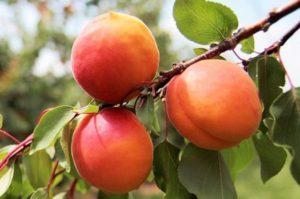
This versatile variety is considered mid-late. It is partially self-fertile. The tree is medium-sized and has a spreading crown. The fruits are round and weigh 16 grams. Inside, there is yellow, aromatic flesh.
Snezhinsky
This mid-early variety is considered partially self-fertile. The plant is characterized by high frost resistance. The tree reaches 3 meters in height. The fruits are round and weigh 17-22 grams. The flesh is moderately firm and sweet.
Uralets
This variety is considered mid-early. The fruit is versatile. The tree is medium-sized and has a spreading crown. The fruit is round and yellow. Inside, the flesh is tender and sweet.

Rules for growing apricots
To achieve success growing apricots in the Urals, it's important to properly plant the trees and provide them with quality care.
Choosing a landing site
When growing apricots in open ground, it is necessary to choose the right place for planting the plant:
- It must have good drainage. This will ensure proper root development.
- Apricots don't tolerate groundwater well, leading to root rot and decay.
- It is recommended to plant the plant at an elevated location.

Early planting
Apricots in the Urals should be planted early due to the short growing season.
If the crop is planted in the spring, the plant will have time to reach 50 centimeters during the summer, forming wood and growth buds.
It is recommended to carry out planting work at the end of March or the beginning of April, when the soil has thawed a few centimeters.
Pruning rules
When pruning trees, you should be guided by the following features:
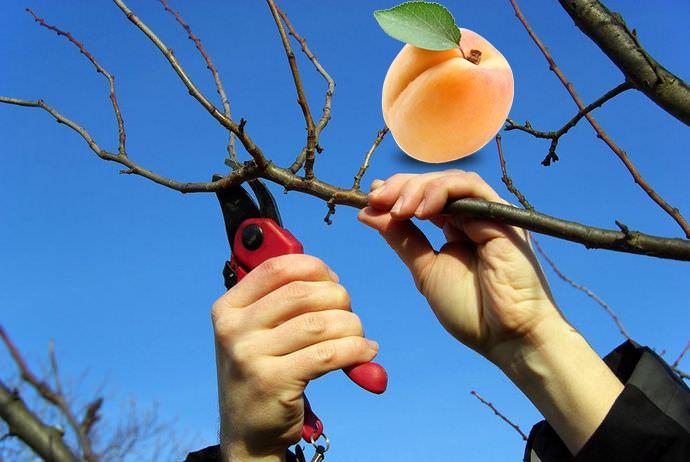
- The key principle of the formative procedure is to reduce the crown to 3 meters. This simplifies harvesting and increases winter hardiness.
- During crown formation, the central conductor should be raised to the desired height. When establishing multiple tiers of skeletal branches, it is recommended to prune it. Vertical shoots should be shortened more than horizontal ones.
- Lower branches should be pruned more heavily than other parts of the crown. This helps stimulate tree growth and has a positive effect on yield.
- Short shoots measuring 2-7 centimeters, if they have flower buds, should not be removed. If there are no buds on the shoots, they should be cut back in May.
Protection from spring frosts
There are many protective measures that can help prevent damage from recurrent frosts:
- It's recommended to plant apricots at elevated sites, near shelterbelts or other vegetation. This will help protect the crop from cold air.
- The plant grows well near rivers and ponds.
- In the Urals, it is worth planting only resistant, zoned varieties.
Tree grafting
Grafting apricots allows you to achieve a number of positive results:

- Accelerate fruiting. Grafted apricots begin to bear fruit in just 2-3 years.
- Increase frost resistance and reduce the likelihood of rotting.
- Preserve the varietal characteristics of the plant.
- Avoid replanting the plant.

Choosing the right rootstock
When choosing a rootstock, vigor and frost resistance are important factors. It should also be compatible with the locally grown crops.
It's best to choose common or Siberian apricots. Sloe and plums are also suitable.
A good practice is to grow your own rootstock. This can be obtained by sowing wildings or localized varieties. Then, graft cuttings from Siberian varieties onto 2- to 3-year-old seedlings.
Specifics of planting and caring for the crop
To achieve success in growing the crop, it is recommended to choose the right variety and provide the tree with good care.

Selecting seedlings
First of all, it's important to pay attention to the selection of seedlings. Only winter-hardy varieties are used for this purpose. When doing so, consider the following recommendations:
- It is recommended to purchase seedlings exclusively from specialized nurseries.
- When purchasing, carefully inspect the roots. They shouldn't be frozen or too dry. There shouldn't be any damaged areas or other lesions on the root system.
- Cultivated varieties of apricots do not have thorns.
- The seedlings should be 1-2 years old.

Step-by-step planting of apricot
To get a good harvest, it is necessary to carry out a number of procedures when planting the plant:
- Make a planting hole. Its diameter depends on the size of the plant. On average, the hole is 80 by 80 centimeters.
- It's recommended to place a drainage layer at the bottom. Apricots don't tolerate excess moisture well.
- A nutrient solution is added to the drainage. It includes a cup of ash, 10-15 kilograms of humus, 700 grams of superphosphate, and 400 grams of potassium sulfide.
- Add ordinary soil onto the nutrient soil.
- Place a peg in the center of the hole.
- Place the seedling and straighten its roots.
- Cover with soil and water. The root collar should be located 4 centimeters above the soil surface.

It's recommended to compact the soil around the plant thoroughly and form a ridge around the trunk. Apply 2 liters of water per tree. Afterward, mulch the area around the trunk. The seedling should be tied to a stake.
How to fertilize a tree
Fertilizers are selected based on the plant's age. It's important to remember moderation. Excessive fertilizers negatively impact the plant's development, reducing disease resistance and delaying fruit ripening.
When the tree reaches 2 years of age, 15 kilograms of organic matter are added using 130 grams of superphosphate, 50 grams of ammonium nitrate and the same amount of potassium chloride.
For 4-5-year-old plants, double the amount of fertilizer. For 8-year-old apricots, triple the amount of fertilizer.

Seasonal work
When growing an apricot tree, it's recommended to carry out seasonal maintenance in a timely manner. In the fall, it's time to prepare for winter. To do this, it's recommended to create suitable conditions.
After harvesting, the base of the trunk should be whitewashed to help protect the bark.
In March or April, pruning is done. This will stimulate shoot development and increase yield.
Crown shaping and pruning
These procedures are recommended to be performed in the spring. When pruning, it's important to remove inward-facing branches. This will stimulate the development of new shoots, which will produce a good harvest.

Typically, it is recommended to form the crown in a sparse, tiered pattern. Branches are spaced 25-40 centimeters apart. Maximum fruiting occurs on shoots 2-3 years old.
Treatment and prevention of diseases and insects
Apricots are most often attacked by aphids. An infusion of tobacco or ash can help combat these pests. Bordeaux mixture can kill the caterpillars of the hawthorn butterfly and the black rhinoceros beetle. This remedy also helps combat moniliosis and other fungal infections.
Preparing apricots for winter and protecting them from rodents
To protect the tree's root system, it is recommended to dig around it 1-2 meters. Place a 10-20 centimeter layer of leaves, peat, or humus on top. Straw, corn, and reeds are also added on top. The trunk should be wrapped in burlap.

Potential problems when growing apricots
Growing apricots in the Urals is fraught with various problems. It's important to detect them early.
It doesn't bloom
Lack of timely flowering may be due to the following factors:
- wrong choice of variety;
- tree damage by frost or pests;
- improper care.
Does not bear fruit
The absence of fruits may be due to the following reasons:
- deficiency of useful elements;
- lack of pollination;
- influence of frost;
- characteristic of the variety.
Recommendations and advice from gardeners
To grow apricots in the Urals, consider the following:
- Make sure that no snow remains in the hole in the spring.
- Protect the tree from spring frosts. Smoke is used for this purpose.
- Apply fertilizers on time.
- Engage in disease and pest prevention.
Growing apricots in the Urals is quite a complex process. To achieve good results and a bountiful harvest, it's essential to select the right variety and provide it with proper care.
Related posts:
 Descriptions of the 20 best cherry varieties for the Moscow region, their planting and care
 Description and characteristics of the 27 best plum varieties for the Urals, planting and care
 Description and cultivation of the 15 best cherry plum varieties for the Moscow region, planting and care rules
 Methods for planting and propagating cherries at home
 The best grape varieties for growing in the Urals, planting and care rules in summer
 How to plant walnuts, care for them, and grow them at home
 Description of the 25 best cherry varieties for the Urals and Siberia, planting and care in open ground
 Peach tree care and agricultural secrets, pest control