
- History of variety selection
- Description and distinctive qualities
- Tree dimensions
- Pollination, flowering period
- Productivity, fruiting and ripening time
- Application of fruits
- Characteristics of culture
- Drought resistance, winter hardiness
- Immunity to diseases and pests
- Landing specifics
- Optimal timing
- Choosing a suitable location
- What to plant next to it
- Step by step process
- What kind of care does the culture require?
- Watering
- Fertilizing fruit trees
- Pruning and crown shaping
- Preventive treatments
- Preparing a tree for winter
- Reproduction
- Seeds
- Graft
- Cuttings
- Gardeners' reviews of the variety
The sunny summers and mild winters of the southern regions facilitate the widespread distribution of apricots and their fruitful cultivation. However, thanks to the intensive work of breeders, residents of the central part of the country also now have the opportunity to enjoy this incredibly tasty fruit grown in their own gardens. The unique Tsarsky variety is resistant to low temperatures, producing delicious apricots even in harsh conditions.
History of variety selection
Breeder L. A. Kramarenko spent many years developing various apricot varieties for the Central Region at the Botanical Garden. In 1986, the unique Tsarsky variety emerged as a result of open pollination across several generations of seedlings. However, work on the hybrid continued for several more years, and it was only in 2004 that it was added to the State Register.
Description and distinctive qualities
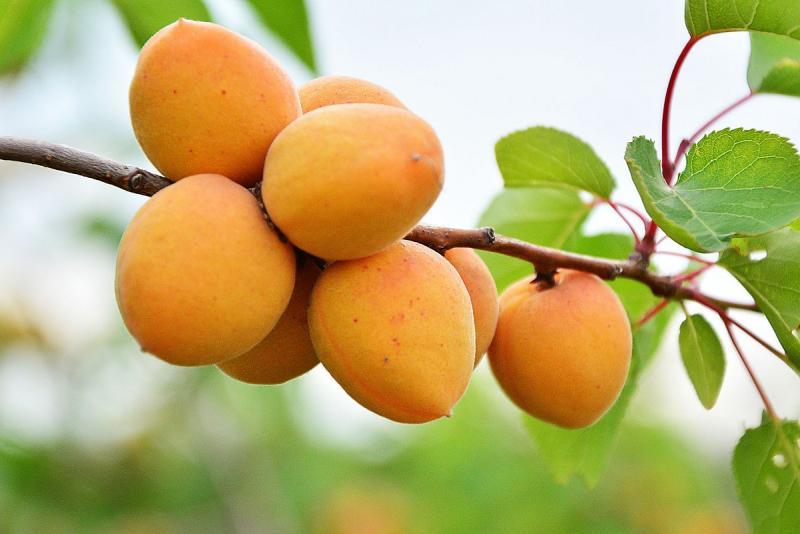
The Tsarsky apricot produces white-pink blooms before the foliage emerges. It's notoriously low-yielding, but its fruit flavor and consistent yield are noteworthy.
Tree dimensions
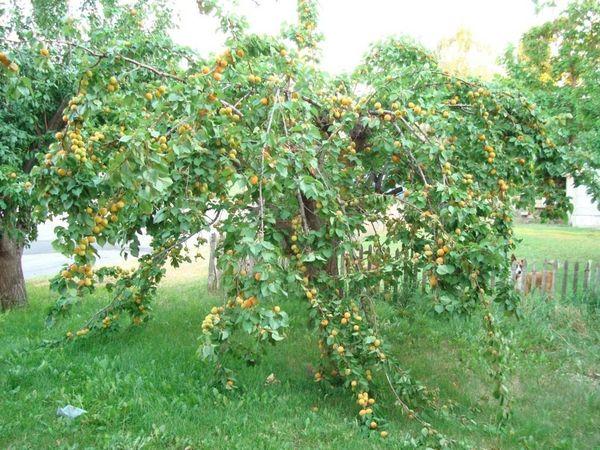
This variety is characterized by slow growth, reaching no more than four meters in height. During growth, it forms a small number of ascending shoots with moderate branching. The shoots have a reddish tint and a smooth surface. Large, dark green, rounded leaves grow from them.
Pollination, flowering period
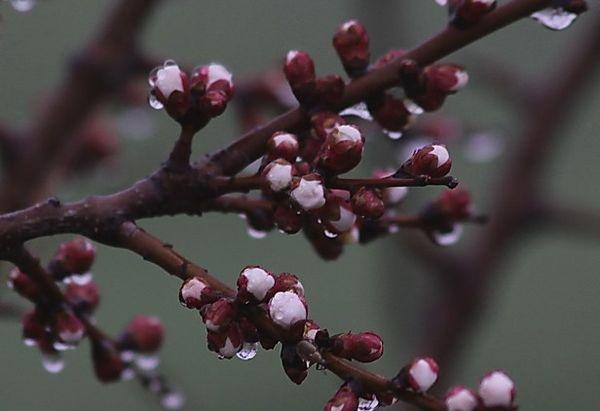
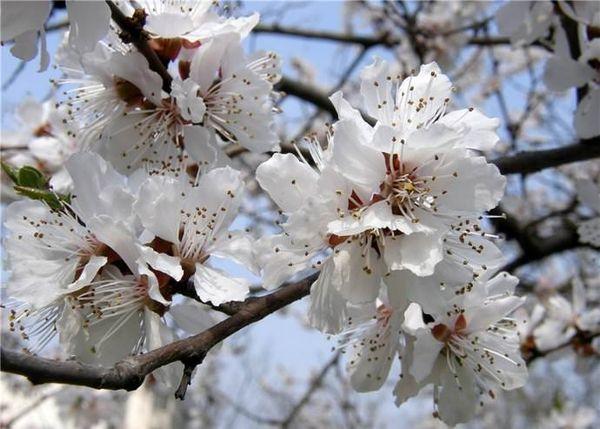
The apricot tree begins blooming in early April with large white flowers. Its early bloom eliminates the need for honey-producing insects. Pollination between flowers occurs naturally, driven by the wind. The variety requires no pollinators and produces fruit well when planted alone. This quality is especially helpful for owners of small garden plots, where finding space for several identical trees can be challenging.
Productivity, fruiting and ripening time
The Tsarsky variety begins bearing fruit at three years of age. Under favorable ripening conditions and meticulous care, a single mature tree can yield up to 40 kg of fruit. This yield is not achieved until the tree is five years old.
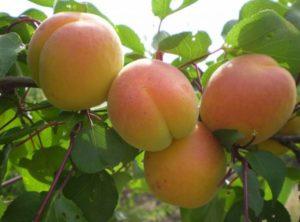
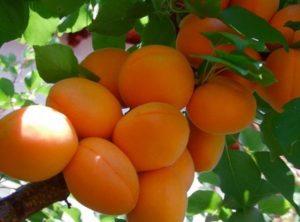
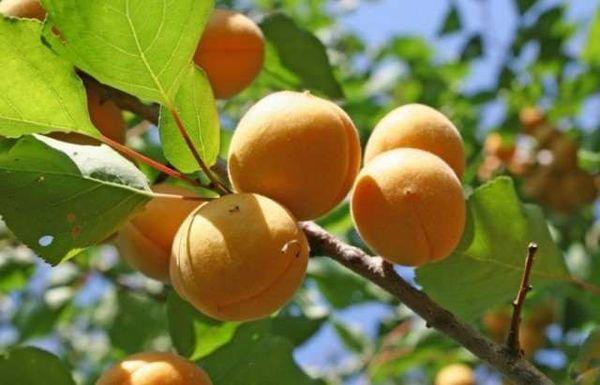
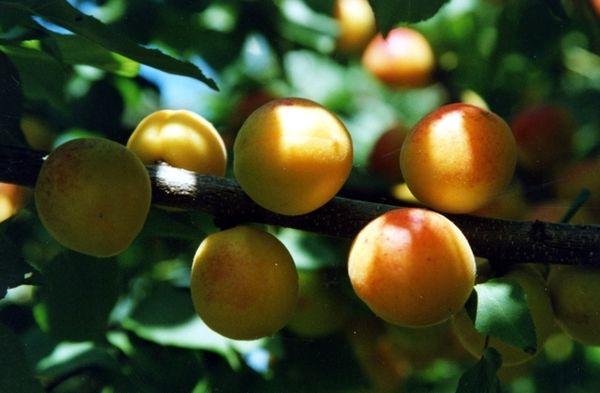
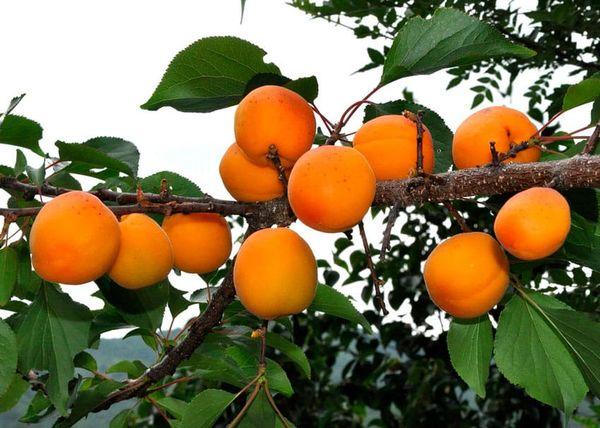
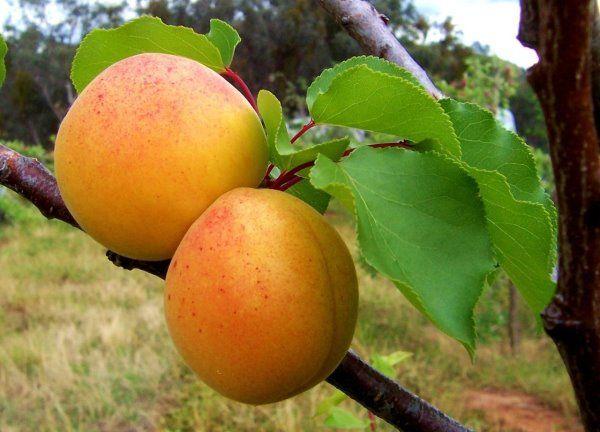
This variety produces oval, yellow fruits with dense, heavily pubescent skin, up to 3.5 cm in diameter, and weighing approximately 22 grams. The pit is small and easily separated from the pulp. Under favorable conditions, the harvest ripens in early August. During cool summers with minimal sunshine, the ripening period can be delayed by up to two weeks.
Application of fruits
These versatile apricots have juicy flesh and are rated 4.5 stars. They are eaten fresh and canned. Compotes, juices, jams, and many other preserves made from the Tsarsky apricot have a pleasant flavor and aroma. The fruits are also suitable for frozen storage.
Characteristics of culture
Gardeners prefer this variety for its unique characteristics. Apricot Tsarsky:
- takes root and bears fruit well in any climate zone;
- self-fertile;
- has excellent immunity and rarely gets sick;
- frost-resistant.
It begins bearing fruit at a young age and continues to do so until age 42, increasing its yield each year. However, after a fruitful year with abundant harvests, it typically experiences periods of dormancy.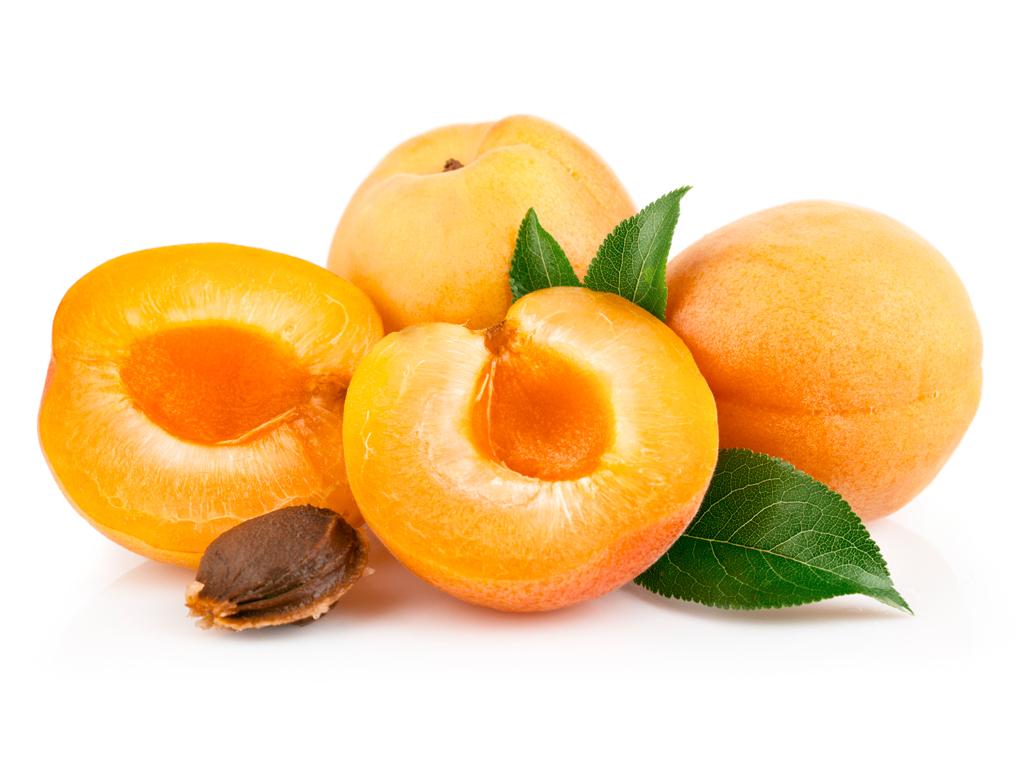
Drought resistance, winter hardiness
It is distinguished by its increased drought tolerance. In summer, rains frequently occur in central Russia. This moisture is quite sufficient for a mature tree: it can easily survive without artificial watering and can easily withstand droughts lasting up to 2.5 months.
The tree tolerates temperatures down to -40°C, but requires shelter in regions with prolonged frosts. The variety is insensitive to sudden temperature fluctuations.
The Tsarsky apricot is susceptible to recurrent frosts, which cause irreparable damage to the harvest. Due to early flowering, in central regions, annual damage to the inflorescences is observed. To preserve the fruit, gardeners monitor the weather forecast and cover the tree with lutrasil or other covering material in advance.
Immunity to diseases and pests
The variety has a strong immune system and is resistant to common diseases. Apricots are only susceptible to fungal diseases, which become active and attack the tree during periods of prolonged rainfall. Many pests, including plum aphids, black sawflies, codling moths, and spider mites, love the succulent young foliage of the apricot tree.
Landing specifics
Planting the Tsarsky apricot is no different from other varieties.
Optimal timing
In central regions, planting is done in early spring, before the buds have opened. Late planting of saplings with buds already open often results in failure. The exact timing depends on local conditions and ranges from late March to mid-April.
In southern regions with a long autumn, mild winters and an absence of low temperatures, planting work can be carried out in the fall, at the beginning of October.
Choosing a suitable location
Apricots require full sun. A sunny site away from tall trees is ideal. Stagnant water in the spring can cause root collar rot, so low-lying areas are unsuitable. Apricots also dislike groundwater: it should be at least 3.5 meters deep.
What to plant next to it
A small sapling grows into a powerful tree that shades the area and severely depletes the soil. Apricots prefer solitude. They do not grow well in the same space as stone fruits. They dislike the following plants growing nearby:
- raspberries;
- currants;
- walnut;
- apple tree;
- peach;
- pear;
- cherries;
- cherries.
The only plant it gets along well with is dogwood.
Step by step process
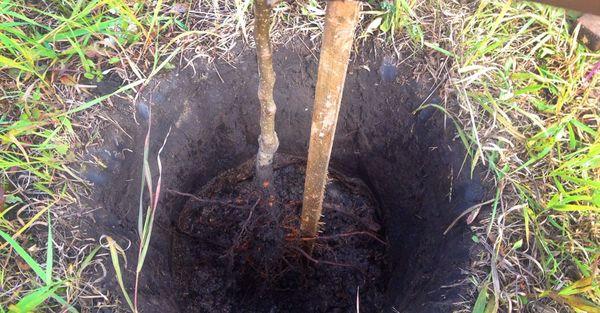
The apricot planting hole is prepared in the fall. It should be at least 70 cm long and deep. A drainage layer at least 5 cm high is installed at the bottom of the hole. Manure is added to the excavated soil, the necessary fertilizers are applied, and the soil is returned to the planting hole. The type and amount of fertilizer used depend on the soil characteristics and structure.
Planting is carried out in the following sequence:
- They inspect the roots, cutting off rotten and damaged ones.
- The roots are dipped into a clay slurry.
- A small mound of earth is formed in the planting hole, over which the roots are evenly distributed.
- The seedling is covered with soil, leaving the neck on the surface at a height of 1.5 cm.
- They tie it to a peg.
- The planting hole is watered with plenty of water with the addition of a rooting agent.
Mulching the tree trunk circle with sawdust, straw or hay will help retain moisture in the soil and prevent the formation of weeds.
When planting several seedlings, leave at least five meters between them.
What kind of care does the culture require?
The Tsarsky variety is undemanding in terms of care, but timely watering, fertilization, pruning, and protection from severe frosts will allow you to grow a healthy, high-yielding tree.
Watering
Apricots tolerate long periods of drought well, but require periodic irrigation to produce large crops. The frequency of irrigation depends on weather conditions. At least three good irrigations are needed throughout the growing season. Moisture is especially necessary in late May for tree growth and fruit set, two weeks before the harvest ripens, and during preparation for winter.
Fertilizing fruit trees
In the third year, apricot trees begin to receive additional fertilizer. Mineral fertilizers are applied annually in the spring. Organic fertilizers are applied every four years. Throughout the season, many gardeners spray the apricot trees on the leaves with potassium and phosphorus-containing fertilizers.
Pruning and crown shaping
In the first years of life, the tree is pruned for formative purposes, leaving the six strongest and healthiest shoots. All branches located below half a meter from the ground are pruned.
In the spring, perform a health pruning, removing all damaged and frost-damaged areas. Due to the unique crown, the Tsarsky apricot requires virtually no thinning pruning.
Preventive treatments
In rainy summers, apricot trees can become infected with moniliosis. To treat the disease, remove all damaged areas and spray the tree with fungicides. Insecticides are used to control the insects.
Preparing a tree for winter
Preparing for winter involves pruning the tree and whitewashing its trunk. Whitewashing will protect against insect and rodent infestations. In regions with prolonged periods of low temperatures, apricot trees are covered with fabric. Covering is especially important for young trees.
To protect the roots from freezing, the area around the trunk is mulched with humus to a thickness of at least 20 cm.
Reproduction
You can propagate apricot on your plot using seeds, grafting or cuttings.
Seeds
Growing apricots from seeds is one method of propagation, but this method does not preserve the varietal qualities. For planting, the seeds are thoroughly washed and planted outdoors in the fall. They germinate the following year. When the plant reaches 20 cm, the tops are pinched. From this point on, lateral shoots begin to develop, which also require pinching. The following year, the grown trees can be transplanted to their permanent location.
Graft
Grafting allows you to grow several varieties on one tree and is an ideal option for propagating apricots for small garden plots.
The timing of grafting varies by region and is carried out before the sap begins to flow. The most effective method for grafting apricots is onto a wild apricot or a mature stone fruit tree. For grafting, use cuttings no larger than 8 cm in diameter, prepared in the fall. Fresh cuttings should not be used, as they will quickly begin to grow without having time to take root.
If the scion and rootstock are the same size, the apricot is grafted using copulation. This is done by making identical cuts on the scion and rootstock and aligning them. The junction is carefully coated with garden pitch and secured with electrical tape.
Cuttings
To propagate apricots by cuttings, green cuttings are taken in late June. Each cutting should have at least four buds. They are placed in moist sand to germinate. By early September, the cuttings will have formed roots and can be transplanted to their permanent location.
Gardeners' reviews of the variety
According to numerous gardeners, the Tsarsky apricot is an ideal choice for central Russia, as it tolerates frost well. Although the tree doesn't produce a large harvest, it ripens evenly every year.
The Tsarsky apricot is an excellent choice for beginning gardeners. Its unique qualities allow you to grow juicy, delicious apricots every year not only in the south but also in temperate climates with their unstable climate and late, recurring frosts.
Related posts:
 Planting and caring for apricots in the middle zone, description of the best varieties
 Is it possible to grow an apricot tree from a seed in your garden? How to plant and care for it?
 Description and cultivation of the Manchurian apricot variety
 Description and pollinators of the Saratov Rubin apricot variety, planting and care
 Description of the Melitopol apricot variety and cultivation technology
 Description and characteristics of the Lel apricot, planting technology and care
 Description and growing guidelines for the 15 best apricot varieties for the Moscow region
 Description and rules for growing the Black Velvet apricot variety