
- Description of the apricot Lel
- Plant characteristics
- Drought resistance, winter hardiness
- Pollination, flowering period and ripening time
- Productivity, fruiting
- Application of fruits
- Resistance to diseases and pests
- Advantages and disadvantages of the variety
- Growing recommendations
- Planting dates
- Choosing a suitable location
- What shouldn't be planted next to each other?
- Selection and preparation of seedlings
- The landing process
- Care tips
- Watering and fertilizing
- Pruning the crop
- Preparing for the winter period
- Tree diseases and pests
- Harvesting and storage of crops
- Gardeners' reviews
Cultivation of this heat-loving crop in Russia's Central Region has increased since domestic breeders developed the Lel apricot variety. These fruit trees attract gardeners not only for their frost resistance but also for their excellent taste, confirmed by a 5-star tasting score.
Description of the apricot Lel
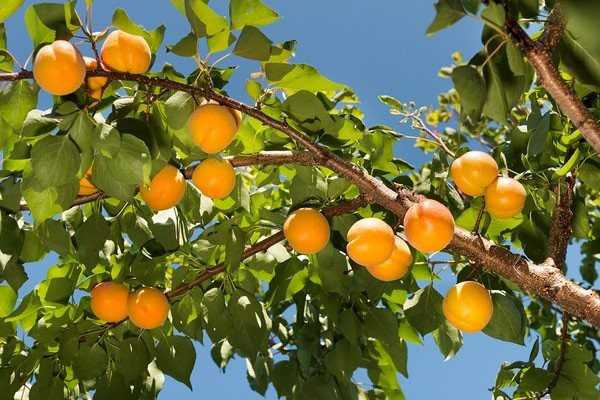
The Lel apricot is beautiful at any time of year except winter. In spring, the 3-meter-tall tree with a compact crown is the first to open with white or pink inflorescences, consisting of two or three fragrant flowers. A little later, dark green, egg-shaped leaves with pointed tips appear.
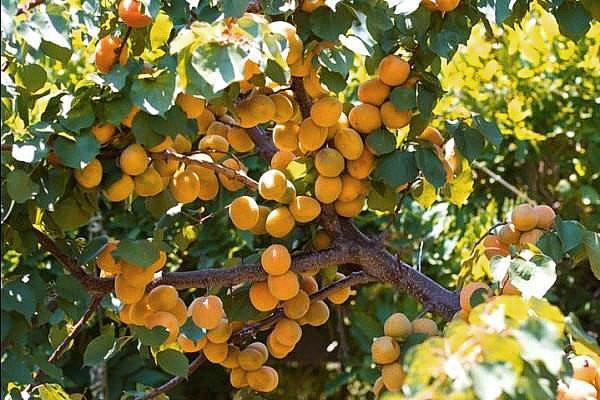
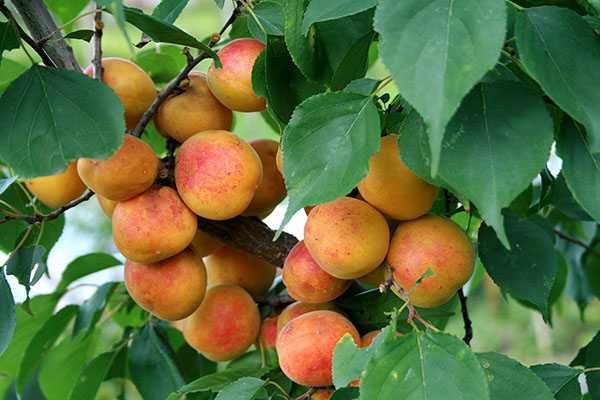
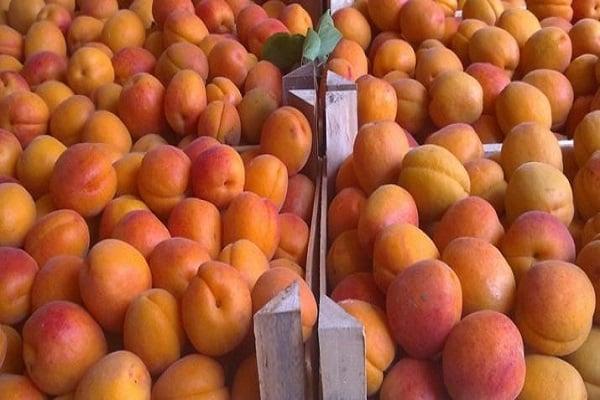
In summer, orange-colored fruits weighing 20 g ripen on the tree without a blush. The pulp of the fruit is juicy and dense, the skin is glabrous and glossy.
The fruits of the Lel apricot variety are valued for their aroma, harmonious combination of organic acids, natural sugars and high potassium content.
Thanks to the coloring of the leaves in different shades of red, the plant retains its decorative and attractive appearance in autumn.
Plant characteristics
The compact, low-growing Lel apricot tree offers a key advantage for gardeners in central Russia: frost resistance. This fruit tree not only tolerates harsh winters well, but also requires little watering and is resistant to diseases and insect pests.
Drought resistance, winter hardiness
Apricots can withstand winter frosts down to -27°C, and their buds are resistant to freezing during subsequent frosts. These factors make it possible to grow this fruit tree not only in the Central Federal District but also in the Northwestern Federal District. The crop tolerates drought without harming its yield.
Pollination, flowering period and ripening time
The Lel apricot is self-pollinating, but for a bountiful harvest, it's recommended to plant 1-3 more trees nearby. The crop blooms in early May, with the fruits reaching full maturity in mid-July.
Insects do not play a significant role in pollination, since bees are inactive at the beginning of May.
Productivity, fruiting
The grafted cultivar begins bearing fruit in its third or fourth year. Yields are average, moderate, but consistent. A single tree can yield up to 20 kg of apricots.
Application of fruits
Apricots are eaten fresh, dried, and frozen. These "sunny" fruits are used to make jam, preserves, and compotes.
Nutritionists recommend using the fruit in a short-term diet, when you need to lose up to 5 kg of excess weight in 3 days.
In cosmetology, the antioxidant properties of apricots are used, including pulp extract in creams and masks for facial and body care. A fragrant, beneficial oil is extracted from the fruit's seeds and applied to the skin of newborns to combat seborrheic dermatitis and prickly heat.
Resistance to diseases and pests
Apricots are moderately resistant to clasterosporium and 99% resistant to aphid attacks. For normal development and fruiting, the crop requires preventative treatments with fungicides and insecticides.
Advantages and disadvantages of the variety
The advantages of the Lel apricot include:
- early ripening of fruits;
- a low trunk and a compact crown of the tree, which makes it easier to care for the crop and harvest;
- dessert taste, awarded 5 points by the tasting committee;
- keeping quality;
- stability of fruiting;
- self-fertility;
- undemanding to watering;
- frost resistance.
Gardeners note the following disadvantages:
- small fruits;
- large bone size;
- low yield;
- average resistance to diseases and pests.
The advantages of this crop significantly outweigh the disadvantages. The small size of the fruit is compensated by its flavor, and damage from diseases and pests can be prevented with timely treatments and proper tree care.
Growing recommendations
Before planting the Lel apricot, decide on the timing and location, dig a hole in advance, and prepare the soil. The yield depends on the quality of the seedling purchased, its neighbors, and the planting protocol.
Planting dates
Since winter arrives relatively early in the central regions, it's preferable to plant fruit trees in the spring before the leaves open, but with buds already swollen. If planting fruit trees is postponed until fall, plan the planting so that there are at least two months before frost.
Choosing a suitable location
The ideal location for the Lel apricot is an open, sunny slope protected from drafts. The plant does not thrive in cold northern winds. Planting trees in low-lying areas is unacceptable, as it can cause root rot.
The plant prefers loose and fertile soil, including sandy loam and loam. If suitable soil is not available on the site, an artificial mound is created.
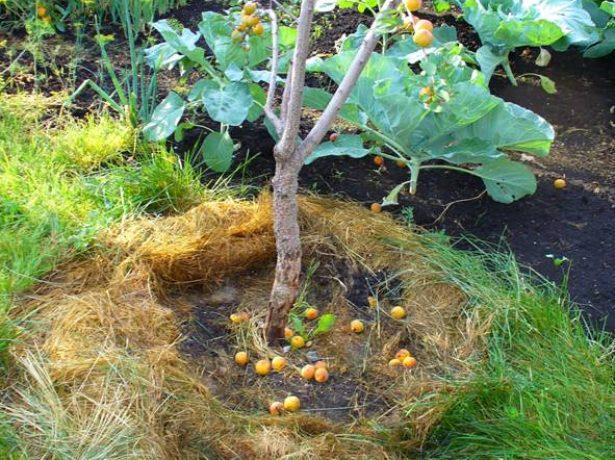
What shouldn't be planted next to each other?
Common diseases, competition for light and nutrients lead to incompatibility of apricot with the following crops:
- cherries;
- peach;
- cherries;
- walnut;
- apple tree;
- pear.
It is recommended to combine plants with different nutrient absorption times, shallow and deep root systems, light-loving and shade-tolerant plants on the site.
The apricot tree doesn't like nearby fruit bushes, preferring to live on its own. Primroses such as daffodils, primroses, and tulips don't bother the tree.
Selection and preparation of seedlings
A suitable Apricot Lel seedling for planting is a two-year-old standard tree grafted at least 1.2 m from the root. Such plants survive the winter better.
Before purchasing planting material, inspect the rootstock; it should be branched and at least 20 cm long. If rot spots or dried bark are visible on the smooth trunk, discard the plant.
 Trees are not suitable for planting if there is no growth on the trunk, which is typical for a grafted plant..
The landing process
When growing Lel apricots on an industrial scale, maintain a distance of 4 m between seedlings within a row and 6 m between rows. Planting more than 1–2 trees in a garden plot is not recommended, as the roots of the crop grow to a diameter twice the size of the crown, sucking moisture and nutrients from neighboring beds.
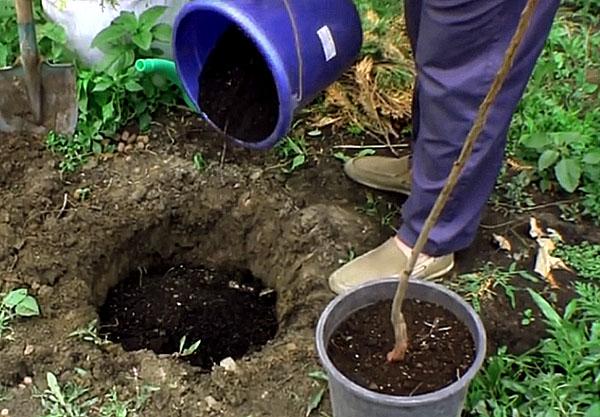
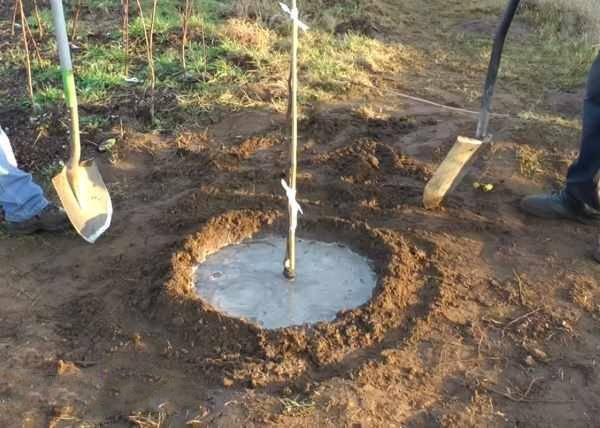
In the fall, prepare a planting hole measuring 70 x 70 cm. If the tree's root ball is larger, widen the hole. Combine the topsoil with two buckets of compost, add 500 g of nitrophoska, and 1 kg of ash.
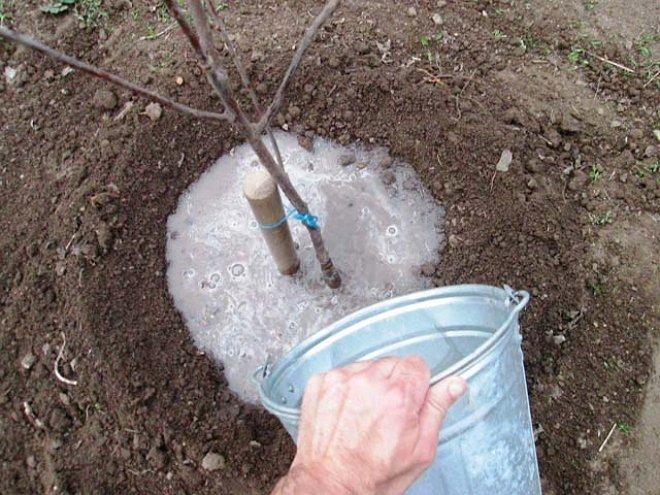
Apricot seedling planting technology:
- a drainage layer is placed at the bottom of the planting hole if the soil is heavy, and clay if it is sandy;
- a support is driven into the center, rising above the surface by at least 1 m;
- holding the trunk vertically, straighten the roots;
- fill with prepared substrate;
- lightly compact and water generously.
Take a look Also
The root collar should rise above the surface by 4–5 cm.
Care tips
The taste of the fruit and the yield of the crop depend not only on the chosen apricot variety but also on proper care, including irrigation, fertilizing, and pruning. To prevent diseases and pests from damaging fruiting, preventative and curative treatments are used.
Watering and fertilizing
Since the plant has a shallow root system, water the Lel apricot tree not under the trunk, but in trenches dug around it. The first trench is made half a meter from the trunk, and the second and third 30 cm from the first.
Apricot trees especially require irrigation during flowering and fruit formation. A month before harvest, soil irrigation is suspended.
The required volume for a mature plant is 4–5 buckets of water. The tree is given a final, generous watering of 7 buckets in the fall to protect the roots from freezing.
Before bud swelling, apply foliar fertilization with urea. To prepare the solution, dissolve 2 tablespoons of dry urea in a bucket of water.
During the apricot blossom season, use a 1:20 solution of chicken manure in water. At the same time, 1 kg of ash is added to the area around the trunk to alkalize the soil and fertilize it with magnesium, calcium, and potassium.
After flowering, to form ovaries, the apricot is fed with a mixture that includes:
- 2 tablespoons of potassium sulfate and superphosphate;
- 3 tbsp. ammonium nitrate;
- a bucket of water.
To avoid burning the roots, fertilizers are applied to pre-moistened grooves around the trunk.
Pruning the crop
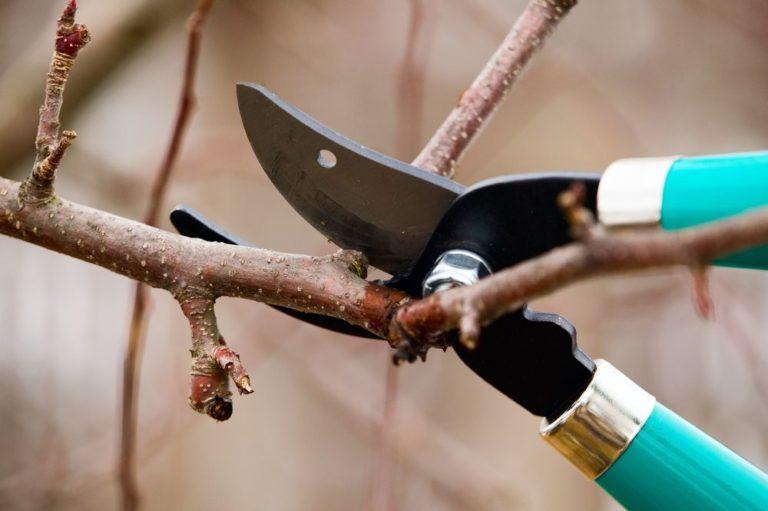
A sparse, compact crown consisting of three tiers is formed over three years. If desired, a four-tiered crown can be formed in four years. Each year, two to three skeletal branches of the next tier are left, spaced evenly at an angle of 50–80° to the tree's conductor.
The central shoot of the apricot tree is shortened every year so that it rises 25 cm above the upper tier. The distance between tiers is maintained at 60 cm.
Second- and third-order branches on each tier are regularly pruned by half if they are longer than 70 cm, and by a third if they are shorter. Young shoots are removed.
The result is a sparsely tiered crown that ensures uniform illumination and fruit ripening.
Preparing for the winter period
Preparatory measures for preparing the Lel apricot for winter include:
- cleaning of plant debris, loosening of soil in the tree trunk circle;
- abundant watering;
- sanitary pruning;
- whitewashing the trunk and lower branches with lime with the addition of copper sulfate, clay and glue to protect against rodents;
- mulching the soil adjacent to the trunk with a 20-centimeter layer of humus, peat, and spruce branches.
To insulate the tree, wrap the trunk with roofing felt, burlap, or lutrasil. To prevent the tree from rotting in the spring, choose a covering material that is breathable.
Tree diseases and pests
Tips on how to get rid of pests and diseases on the Lel apricot tree will help prevent them.
Diseases and treatment methods that cause significant damage to crops:
- Moniliosis. Gray bumps containing spores form on the bark. The ovaries dry up and fall off, and the leaves become thinner. The surviving fruits dry out unripe. Affected parts of the apricot are removed, and the tree is treated with Bordeaux mixture, copper sulfate, and Gamair.
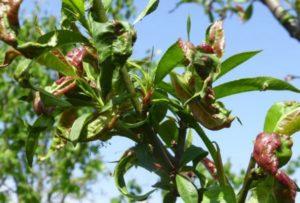
- Clasterosporium. Pathogens that overwinter in apricot buds become active after flowering. Signs of the disease include red spots on the fruit and leaf blades. After the affected area rots and dries, holes form in the leaf. In the initial stages, clasterosporium is treated with copper-containing products and Poliram.
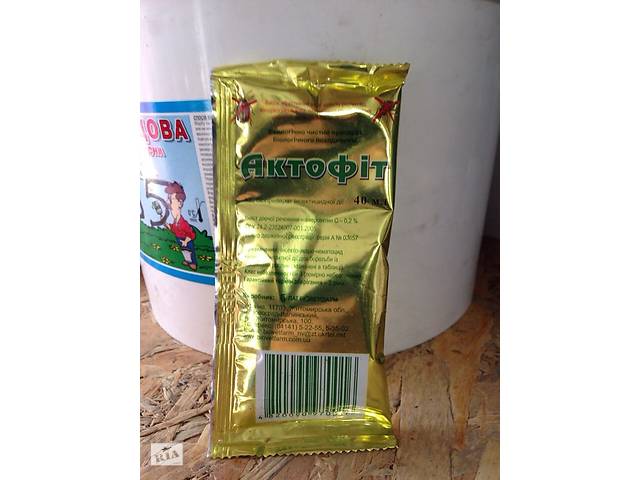
- Fusarium wilt. Spores develop during the flowering stage. Brown spots, initially appearing on the leaves, spread to the fruit, causing desiccation. Fusarium wilt most often affects apricots with mechanical injuries. Treatment includes biological agents such as Actofit, Fundazol, and Previkur.
Of the insect pests, apricot is most often attacked by the weevil, which eats flower buds, the hawthorn caterpillar and the leaf roller, which damage the leaves.
Insects are repelled by strong-smelling plants, such as garlic, onions, dill, and lavender, planted nearby. Sticky traps are installed. Trees are treated with Desant, Binom, Decis, and Fitoverm.
 During the flowering period of the Lel apricot and a month before harvesting, chemical preparations are not used..
Harvesting and storage of crops
Apricots don't ripen after harvest, so those intended for personal consumption are allowed to ripen on the vine. The fruit is harvested exclusively by hand, carefully separating the stems.
Fresh fruit will keep untouched in the refrigerator for 2–3 weeks in airtight bags. At room temperature, it will stay fresh for up to three days.
If the fruit is wrapped in parchment and placed in a wooden box in a cool place with 50% humidity, the fruit will retain its original appearance and taste for up to three weeks.
Halved, pitted apricots can be frozen for up to eight months. The downside of this method is that the flesh loses its firmness when defrosted, making it suitable only for baking.
Gardeners' reviews
Gardeners note the positive properties of the Lel apricot, the dependence of fruiting on the application of fertilizers and proper care.
Tatyana, 37 years old, Moscow
The apricot tree has been growing at our dacha for seven years. Perhaps in the southern regions the fruits are larger and sweeter, but we Siberians are satisfied with the small but very tasty fruits of the Lel variety.
Petr Vitalievich, 62 years old, Voronezh
The Lel apricot tree has bloomed in the front yard for the first time in three years. This means the buds survived the far from mild winter well. I'm looking forward to the harvest, as I've been following the care instructions for a reason. I watered the tree generously the first year. Since the second year, I've been feeding it. I also haven't forgotten about formative and sanitary pruning.
Vladimir Grigorievich, 52 years old, Kuban
The Lel apricot tree grows slowly, but has been producing fruit consistently since its fourth year. To increase yield, I apply nitrogen in the spring, suppress emerging shoots in July, and apply potassium and phosphorus to the soil through foliar application.
Related posts:
 Is it possible to grow an apricot tree from a seed in your garden? How to plant and care for it?
 Description of the Melitopol apricot variety and cultivation technology
 Description and technology of growing the Tsarsky apricot variety
 Planting and caring for apricots in the middle zone, description of the best varieties
 Description and subtleties of growing the Champion of the North apricot variety
 Description and cultivation of the Manchurian apricot variety
 Reasons why apricot trees may not bear fruit and what to do about it
 Description of the best columnar apricot varieties, planting and care