
- Description, external features
- Growing regions
- The best columnar apricot varieties for central Russia
- Star
- Prince Mart
- Sunny
- Gold
- What you need to know about planting columnar varieties
- Tree planting dates and patterns
- Site and soil composition requirements
- Preparing the planting hole
- Planting seedlings
- Care
- Watering
- Top dressing
- Trimming
- Diseases and pests
- Wintering
The columnar ornamental apricot not only delights with its harvest of delicious and nutritious fruit, but also beautifies any garden plot. The tree's unusual, columnar shape saves space and makes it possible to grow the crop even in small spaces. Thanks to the efforts of breeders, new varieties have been developed that are suitable for cultivation even in harsh climates, where heat-loving fruits were previously only a dream.
Description, external features
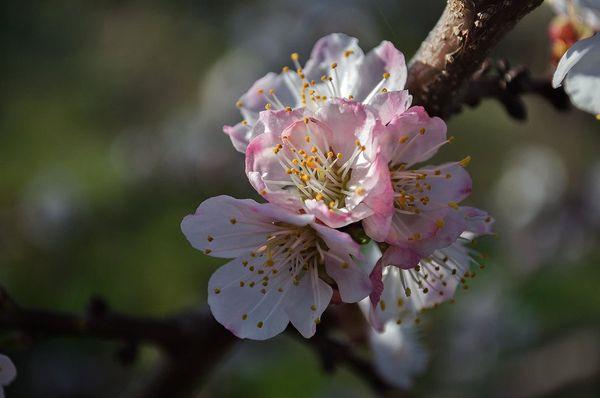
This unusual variety of apricot is distinguished by its crown, which is strongly reminiscent of a column. The tree's trunk is straight, with side branches no longer than 20 cm extending from it. A mature plant reaches no more than 3 m in height. In early spring, white or pink buds open. The foliage tends to taper upward.
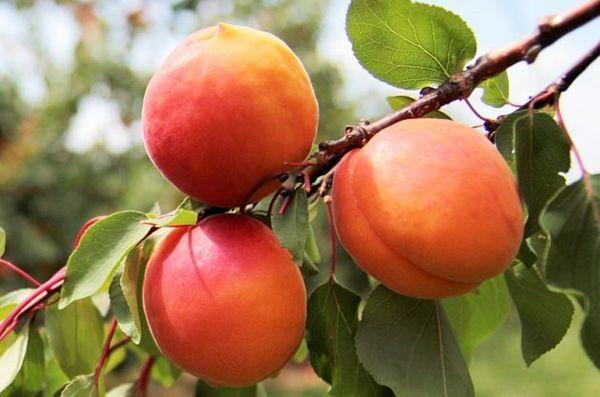
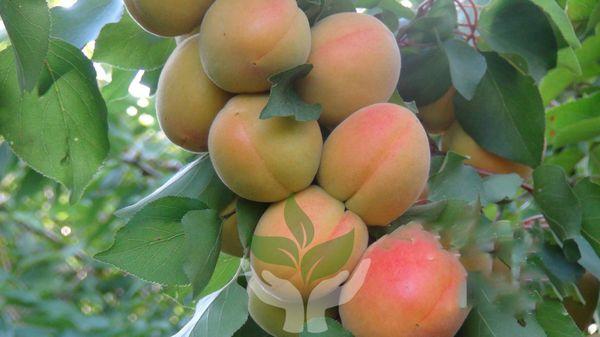
Fruiting occurs on lateral shoots. When ripe, the fruits turn yellow, orange, or red. Their weight depends directly on the variety and growing conditions. For full development and harvest, a columnar apricot requires no more than 1 m.2 area. The main advantages of this type are:
- compactness;
- universal use of the crop;
- high yield rates;
- decorative qualities of wood;
- ease of fruit picking.
Apricot trees begin to yield a rewarding harvest three years after planting. These plants are characterized by excellent immunity to common diseases and are rarely affected by pests.
A characteristic feature of columnar trees is the need for regular pruning and crown shaping, without which yields drop sharply.
Growing regions
Columnar apricot varieties are grown everywhere where agriculture is developed. However, it's worth noting that the Kuban region's favorable climate and fertile soils allow for the cultivation of any variety and cultivar of the stone fruit. For the Moscow region and other regions with harsher weather, however, only cold-hardy, late-blooming varieties are selected.
The best columnar apricot varieties for central Russia
With such a wide variety of columnar apricots, summer residents and professional gardeners can choose the one that best suits their plot. Furthermore, breeders continue to develop new varieties that boast distinctive fruit color, flavor, and frost resistance.
Star
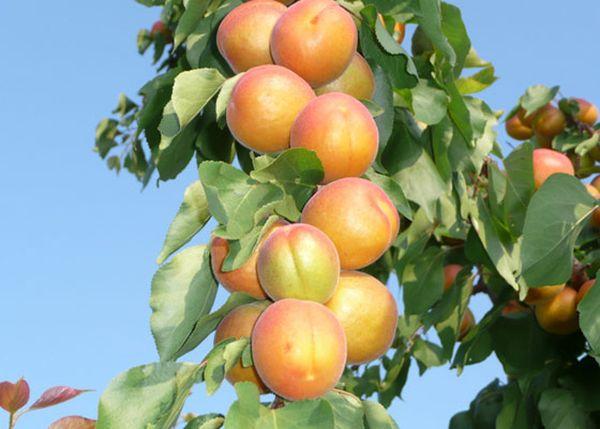
A frost-hardy columnar apricot variety with large fruits. Harvest time is average. The plant is self-fertile and characterized by high yields. When ripe, the fruits are yellow with a beautiful red blush on the sides. The flesh is dense, sweet, and delicious. The skin is thin.
Prince Mart
This variety has only recently been cultivated in temperate climates. Trees begin bearing fruit at two years of age. The tree is highly frost-hardy, disease-resistant, and self-pollinating. The maximum height of a mature apricot tree does not exceed 2 m, making it suitable for cultivation even in greenhouses in cold northern climates. Ripe, bright orange fruits weigh up to 60 g.
Sunny
This variety can withstand winter temperatures down to -35°C. Harvesting occurs in August. When ripe, the fruits acquire a beautiful golden color and weigh up to 60 g. A distinctive feature of this apricot is that it requires the planting of pollinator varieties nearby. The tree grows to a maximum height of 2.5 m, but produces up to 1.5 buckets of fruit annually.
Gold
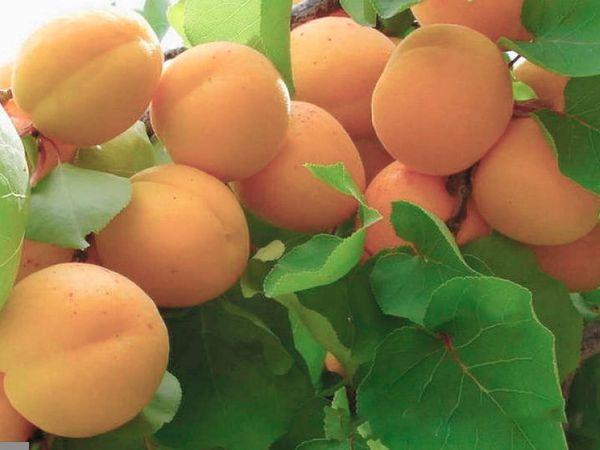
The Gold apricot tree grows to over 2 meters tall. It tolerates winter temperatures down to -34°C and is suitable for growing in temperate climates. The fruits are oval and develop a beautiful pink blush when ripe. They weigh up to 60 grams. Harvest occurs in August. A pollinator must be planted nearby.
What you need to know about planting columnar varieties
The process of planting columnar apricots in a plot has its own characteristics, which must be taken into account in order to obtain stable and high-quality harvests.
Tree planting dates and patterns
In the south, columnar apricot seedlings are planted in spring (April) and fall (October). Cold weather doesn't arrive here until December, so the young trees have time to strengthen and become well-established by then. In temperate climates, however, planting is only done in late spring or even early summer, as frosts are common in this region, which even the hydrometeorological center can't predict.
Columnar apricots are planted 1 meter apart from each other or from other nearby plants. The same distance is left between rows.
Site and soil composition requirements
Columnar apricots are very demanding of sunlight. If there's not enough light, not only does yield decline, but the quality of the fruit also deteriorates, becoming small and tasteless. In shady areas, trees rarely bloom. The site chosen for planting apricots should be protected from drafts and cold winds.

Avoid planting seedlings in low-lying areas where melt and rainwater often stagnate, and where damp, cool air accumulates. Apricots thrive at the foot of gentle slopes.
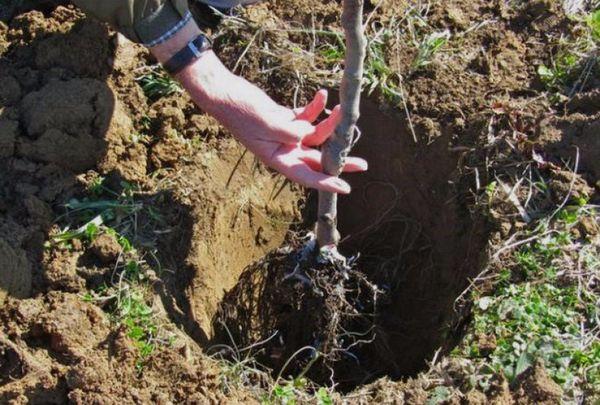 For growing columnar varieties, loose, well-drained soil is preferred. Loamy, gray, and black soils are suitable.
Preparing the planting hole
The planting hole for columnar apricots should be prepared in the fall. Its depth and width are approximately 0.6-0.7 m. To prevent water from becoming acidic, a 4 cm thick layer of fine crushed stone or expanded clay is placed on the bottom. Wood ash, potassium nitrate or superphosphate, and urea are then added.
Next, mix the top layer of soil with river sand and humus and pour this mixture into the planting hole. Then cover the hole and leave it like that until spring.
Planting seedlings
It's preferable to purchase planting material from nurseries located in your area. The plants will be immediately adapted to the local climate and will take root more easily. Avoid buying trees grown from seeds. The grafting site should be clearly visible.
With the arrival of spring, the pre-prepared hole for planting the apricot is opened, a small mound is made at the bottom, and the seedling is placed on it. The root system is carefully spread out, covered with soil, and lightly compacted.
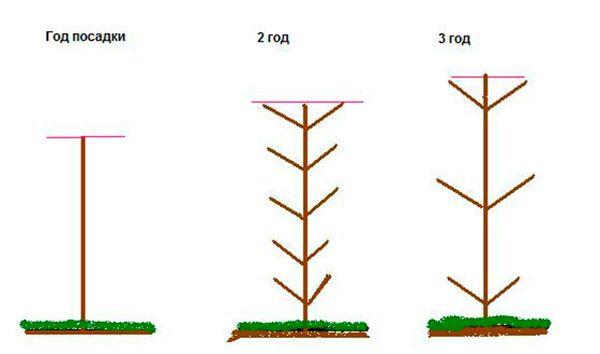
The root collar should be 5 cm above the soil surface. The tree is watered with 2 buckets of water, and the area around the trunk is mulched with straw and peat. The apricot tree is secured to a pre-installed support (stake).
Care
The quantity and quality of the harvested fruit depend on proper subsequent care. Columnar apricots don't require much attention, but they respond gratefully to care.
Watering
Columnar apricot trees should be watered once every two weeks, but not more often. If dry and hot weather persists for a long time, installing a sprinkler system is advisable. If one isn't available, apply up to 50 liters of water under each tree. Also, before the onset of cold weather, water the soil around the tree to replenish moisture. It is important to remember that apricots can withstand drought, but die when water stagnates.
Top dressing
Fertilize columnar apricots monthly throughout the growing season. Chicken manure, 1 kg of which is diluted in 3 buckets of water, is the preferred organic fertilizer. The trees also require potassium, nitrogen, and phosphorus. Nitrogen-containing fertilizers should not be used in the fall, as they can stimulate premature growth of young shoots, which will not have time to mature and will die by winter.
Take a look Also
Trimming
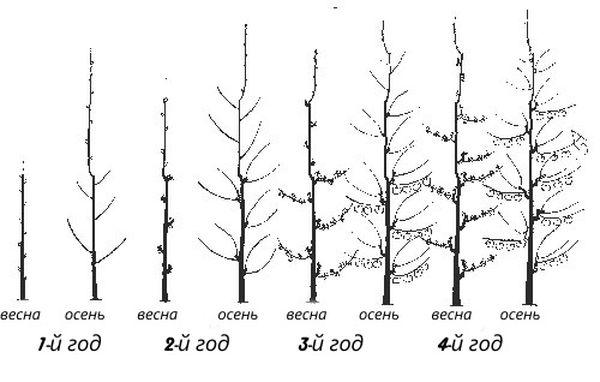
After the crown of a columnar apricot has been trained, the shoots are pruned annually to a length of no more than 20 cm. At least three buds are left on each shoot. Withered branches must be removed. The same procedure is followed for shoots that have stopped producing fruit. Pruning is done in March and October, when the apricot tree is dormant.
Diseases and pests
During the growth of the ascomycete fungus on columnar apricots, fruit rot can spread. Symptoms of this disease include falling flowers, drying shoots and leaves, and wilting ovaries. In damp and rainy weather, trees suffer from moniliosis and holey spot. Preventative measures to prevent the development of columnar apricot diseases include:
- spraying with a solution of copper sulfate;
- treatment with Bordeaux mixture;
- destruction of mummified fruits;
- pruning dried shoots;
- removal of blackened leaves and dead bark;
- digging up the soil in the tree trunk circle.
The first treatment of apricots is carried out before the buds awaken, and is repeated after the ovaries have formed.
If signs of the disease have already appeared, it is necessary to spray the trees with fungicides:
- Horus;
- "Kuproskat";
- "Malkin";
- "Signum".
If cracks or wounds appear on the trunk or branches, they are cleaned out, removing some healthy wood. The damaged areas are disinfected with copper sulfate or a potassium permanganate solution, and then sealed with Rannet paste or regular garden varnish.
Wintering
Before preparing a columnar apricot tree for winter, it's essential to water the soil to replenish moisture. Also, before the onset of cold weather, carefully dig up the soil around the tree's trunk, being careful not to damage the roots located close to the soil surface. The area around the trunk is mulched with a thick layer of sawdust, hay, or humus. The apricot tree's trunk is wrapped in a thick, yet breathable material to protect the tree from rodents.
Related posts:
 Description and characteristics of the Lel apricot, planting technology and care
 Is it possible to grow an apricot tree from a seed in your garden? How to plant and care for it?
 Description of the Melitopol apricot variety and cultivation technology
 Description and subtleties of growing the Champion of the North apricot variety
 Reasons why apricot trees may not bear fruit and what to do about it
 How and whether it is possible to graft an apricot, the choice of rootstock, timing and methods of budding
 Causes and treatment of apricot diseases, what to do, and how to get rid of pests
 Description and rules for growing the Dessert apricot variety