
- Description and characteristics of the Shalah variety
- Relatives
- Pineapple Tsyurupinsky
- Columnar pineapple
- Advantages and disadvantages of the Shalah apricot
- Landing
- Selection and preparation of planting material
- Requirements for the location
- Planting hole
- Shalakh apricot planting scheme
- Care
- Pruning the Shalah apricot tree
- Top dressing
- Watering
- Whitewash
- Preparing for winter
- Tree trunk circle
- Diseases and pests of the Shalah apricot
- Harvesting and storage
- Reviews of the Shalah apricot
The Shalah, or "pineapple," apricot variety is a creation of Armenian gardeners. This variety has become popular in Russia and other CIS countries due to its abundant yields, low maintenance, and resistance to diseases and beetles. The fruit can be grown for sale or for personal consumption. To successfully plant the tree, it's important to understand all the agricultural requirements.
Description and characteristics of the Shalah variety
The Shalah apricot was bred in Armenia and first appeared in the Nikitsky Botanical Garden in the early 20th century. It is recommended for cultivation in warmer climates. The trees are medium-sized with wide, rounded but not dense canopies. The shoots are large, curved, and thick. The inflorescences are large, cream-colored with a light pinkish tint. The leaves are heart-shaped and emerald in color.
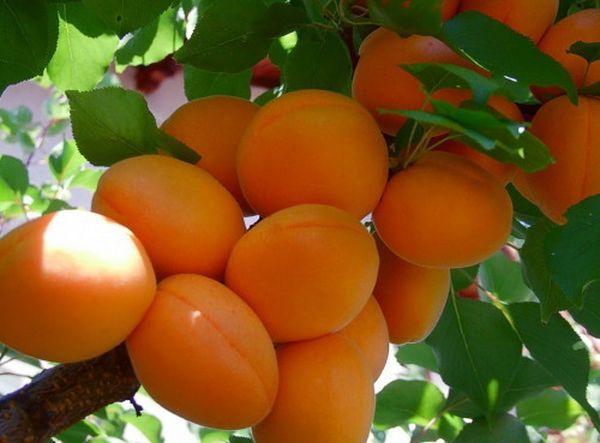
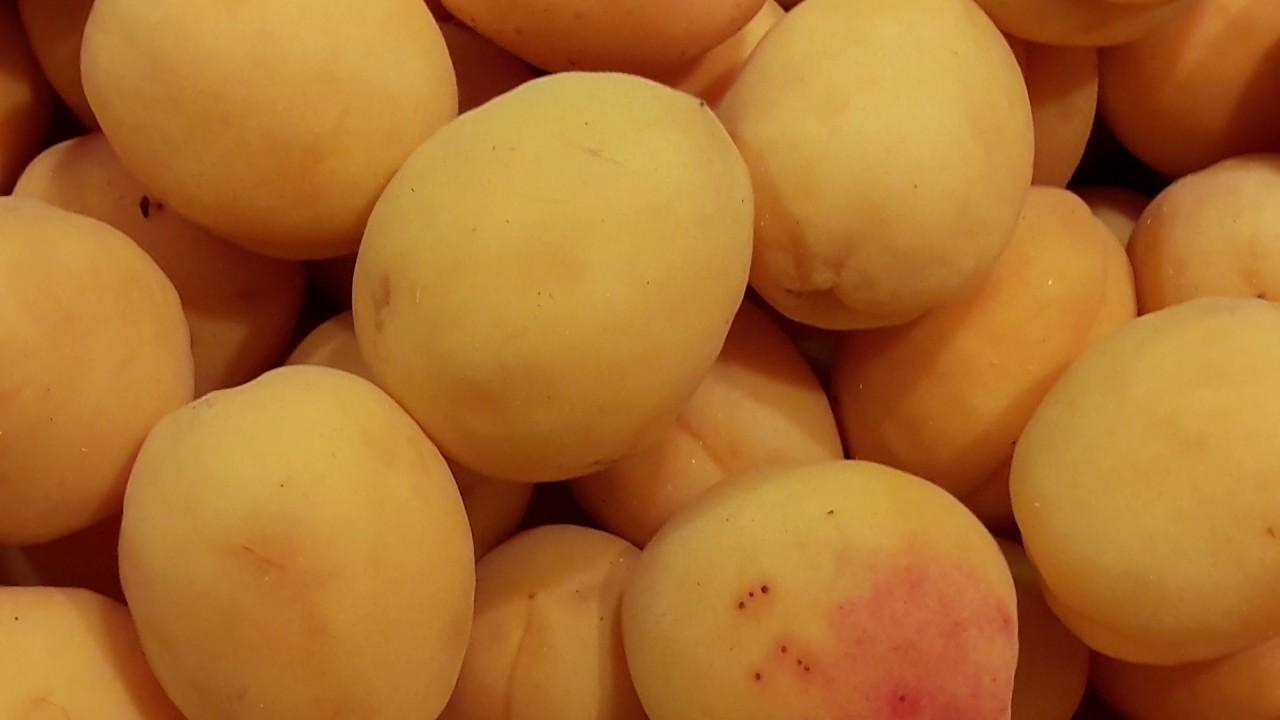
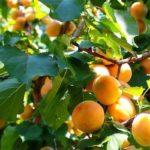
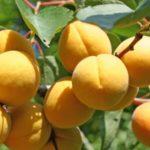
The apricots are large, weighing about 50 grams. They are yellow with a reddish blush and orange flesh. The flavor is slightly tart, but mostly sweet and quite aromatic.
One tree yields 100-200 kg of fruit. With careful care, an apricot tree can yield 350-400 kg of fruit. The fruit ripens early, and the harvest is in late June.Trees can withstand temperatures down to -25°C (-25°F), but are not recommended for growing in Siberia and other regions with freezing winters. They are highly resistant to fungal diseases.
Relatives
The Shalah apricot was used by breeders to develop new varieties, the Tsyurupinsky Pineapple and the Columnar Pineapple. These were obtained by selecting seedlings from orchards in the Kherson region.
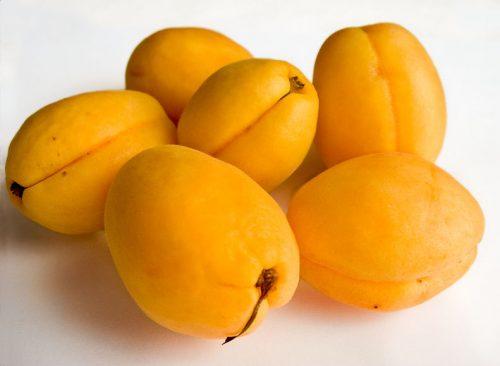
Pineapple Tsyurupinsky
The Ananasovy Tsyurupinsky apricot is inferior to the Shalakh variety. Its fruits are small, fall off easily, and their quality is significantly impacted by the environment. The yield is lower, and the productive period lasts 25 years.
Columnar pineapple
The trees grow up to 2.5 meters in height. Due to their shallow growth habit, apricots can be grown in containers. Fruit buds form directly on the main trunk.
Advantages and disadvantages of the Shalah apricot
The Shalah apricot has many advantages. There are some downsides, but they are few.
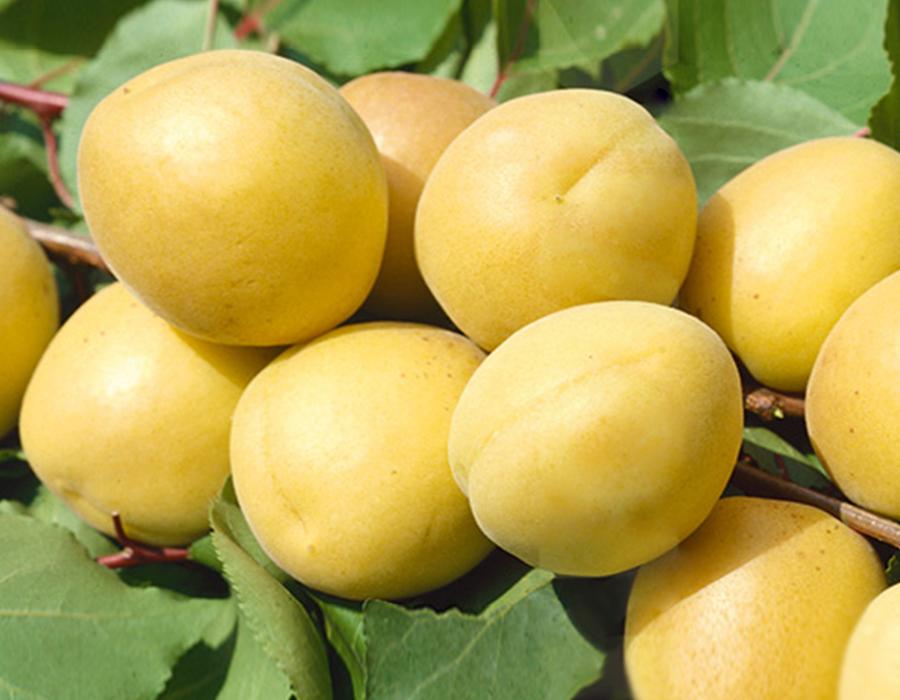
| Pros | Cons |
| Increased resistance to diseases and harmful bugs | Tendency to thicken the bush |
| Abundant fruiting | Rapid shedding of fruits during ripening |
| Possibility of long-term transportation and long-term storage in the refrigerator | |
| Early maturity | |
| Commercial appearance of fruits, large sizes | |
| Increased resistance to cold |
Landing
The planting method for this apricot is similar to the Dobele variety. The trees are self-fertile and are planted in late April or mid-September. There are no other special cultivation techniques.
Selection and preparation of planting material
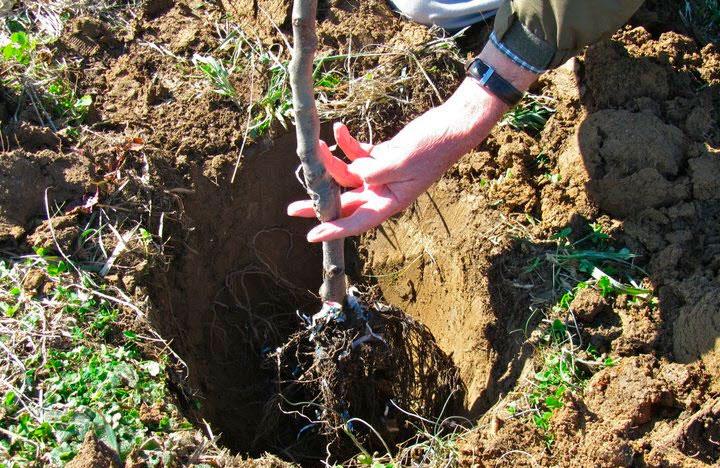
Saplings should be purchased from reputable sellers at markets or nurseries. The trees should be undamaged, with a strong trunk and rich green leaves. They should be 60-70 cm tall, with 2-3 shoots. The root system is branched, with 2-3 taproots. If the plant has thorns, this indicates that the variety is semi-wild and should not be purchased.
Before planting, the rhizome is dipped in a growth stimulating solution such as Matador or Epin for 2 hours.
Requirements for the location
It's best to plant the Shalah apricot in loamy soils with a neutral pH. Clay or heavy loam soil will reduce yield and may kill the plant.The optimal location on the plot is an area where the sun shines regularly and there are no drafts.
Planting hole
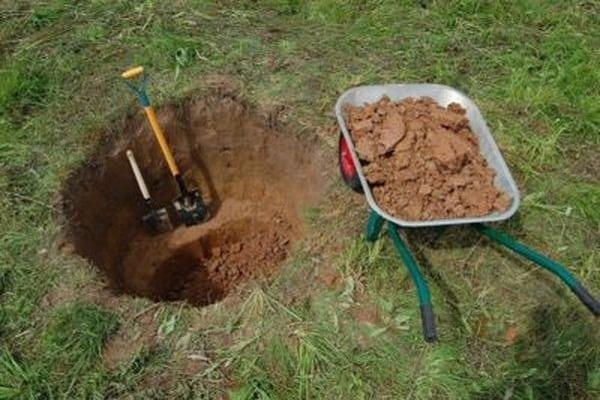
The hole is prepared in August for fall planting, or after the snow has melted if planting is planned for March. The hole should be 70 x 70 x 70 cm in size. A stake is inserted into the hole to support the apricot tree.
Shalakh apricot planting scheme
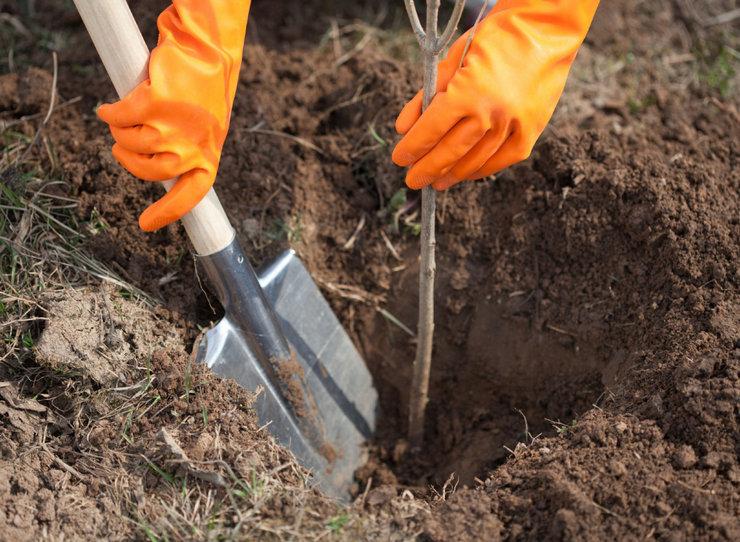
Place branches and gravel at the bottom of the prepared planting hole to a depth of 20 cm. Add superphosphate, humus, potassium salt, 1 kg of wood ash, and the same amount of lime. Then, plant the seedling, carefully smoothing the rhizome by hand. Tie the tree to a stake. Fill the hole with soil, compact it slightly, and water with 20 liters of water. Place half a bucket of peat and sawdust around the trunk to a depth of 15 cm. The mulch will warm the rhizome and fertilize it.
Care
Caring for the Shalah apricot is easy; even an inexperienced gardener can handle it. It requires regular watering, whitewashing, treatment for diseases and bugs, and fertilization. Regularly shape the bush, maintain the trunk area, and prepare the trees for winter.
Pruning the Shalah apricot tree
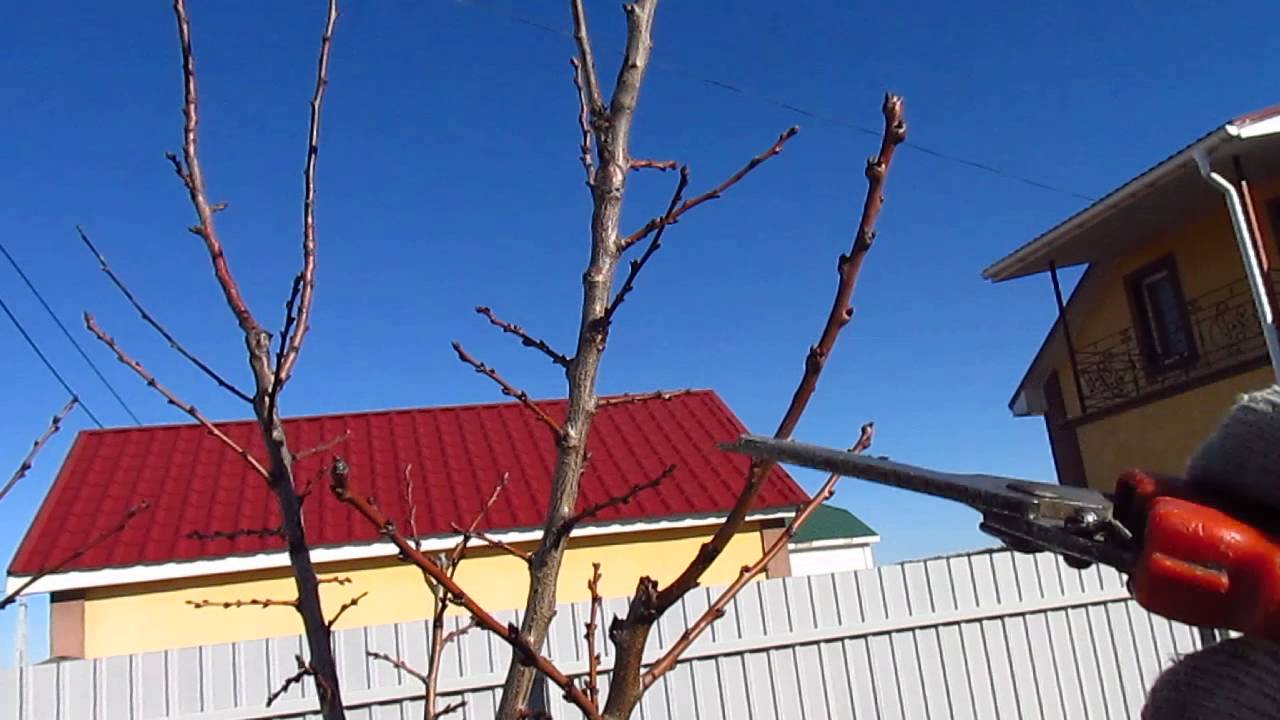
Crown pruning is the most important procedure for the Shalah apricot variety. The tree grows vigorously, producing numerous new shoots. The canopy is pruned twice: in spring and fall.
To prune the crown correctly, cut off the central conductor before the branching with shoots, shortening them by 1/3.
In the second or third year, it is regularly pruned, stimulating the growth of lateral branches. Three to four skeletal shoots are left on the trunk, with the same number of semi-skeletal branches on each. Excess shoots are trimmed to a ring. This creates a cup-shaped clump, suitable for sun-loving apricots. Next, regular monitoring of the shoot count is required. Any inward-growing, intertwining shoots should be removed. To prevent the tree from contracting viral diseases, pruning shears should be disinfected and cuts treated with garden pitch.
Top dressing
Apricot trees are fertilized to stimulate yield. Nutrients are added every 1-2 months throughout the growing season. The first treatment is done to accelerate leaf development. It is carried out in March, with urea and ammonium nitrate applied under the rhizome. In the summer, potassium and phosphorus compounds are added twice. Every 2-3 years, usually in the fall, apricots are fed with organic matter during soil tillage.
Watering
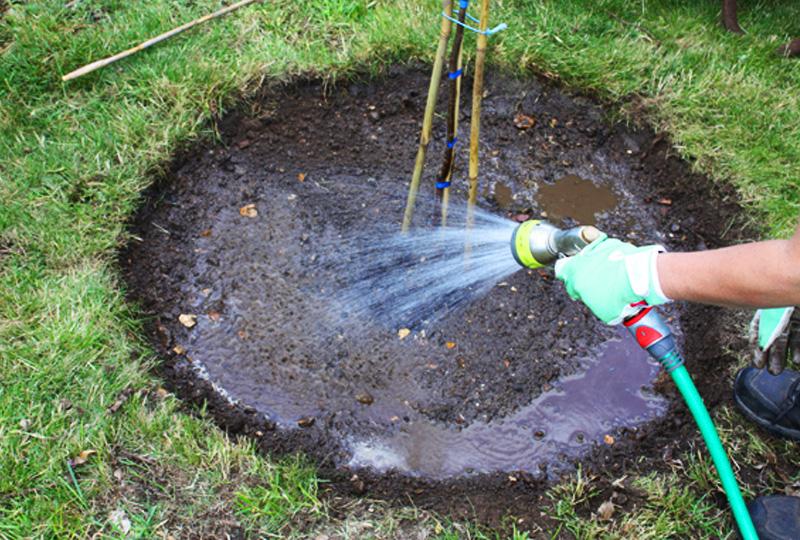
The Shalakh apricot variety requires watering only during the hot season. This is done when the fruit ripens, after the leaves have fallen. Small trees are watered directly at the base of the trunk until it fills, while mature trees are watered in a trench dug 1 meter around the trunk. The trench should be 15 cm deep and 20 cm wide.
Whitewash
Particular attention should be paid to autumn agricultural practices: a lime mixture is used to kill harmful insects hiding in bark cracks and prevent burns to the trunk and shoots. When applying spring fertilizer, copper and iron sulfate are added to the solution—slaked lime is diluted with water to the consistency of thin sour cream. Two full tablespoons of copper sulfate are added to the mixture per 5 liters of the mixture. This promotes the healing of frost cracks and prevents harmful beetles from climbing up the trunk. Whitewashing should be done on the trunk, including the base of skeletal branches.
Preparing for winter
The Shalah apricot tree survives winter frosts well, but experienced gardeners recommend protecting it from the cold. While the tree is still young, it can be completely wrapped in synthetic or natural materials such as burlap or polypropylene film. Mature apricot trees are fertilized with organic matter, the trunks are whitewashed, and tied with artificial materials or pine branches to protect them from rodents.
Tree trunk circle
Weed the soil around the trees periodically, removing weeds and improving aeration. After planting the apricots, mulch the area around the trunks, repeating this process annually. Mulch is applied year-round or just for the winter or summer to protect the rhizomes from drought and frost. Apply the mulch thickly, to a depth of 7-10 cm.
Diseases and pests of the Shalah apricot
The Shalakh apricot variety is virtually immune to insect attacks and diseases. If not properly cared for or the bark is damaged, gummosis may occur.
To prevent disease, treat all cuts and wounds with garden pitch. Work only with disinfected tools.
Every two months, apricot trees are treated with antifungal compounds and insecticides. Plants are sprayed during dry, windless weather.
- Plum aphid. This insect destroys young foliage, causing it to shrivel and wither. If a problem is detected, trees are sprayed with insecticides such as Fitoverm or Bitoxibacillin, following the instructions. As a preventative measure, dig up the area around the tree trunk in spring and fall to prevent ant nests from forming under the tree. Plum codling moths are controlled in the same way.
- Yellow plum sawfly. It attacks the pits and pulp, preventing damaged apricots from developing. Prevention includes whitewashing with lime and copper sulfate and installing trapping belts. Insecticides are used to kill the beetle.
- Leaf roller. The caterpillar destroys flower buds, prevents fruit from developing, and attacks foliage. It is eliminated in the same way as the beetles mentioned above.
Provided that preventative measures are taken, the apricot tree will not get sick.
Harvesting and storage
Apricot trees begin bearing fruit three to four years after planting. Harvesting begins in several stages, beginning in mid-July, in dry, windless weather. Harvesting should be done immediately, as the apricots quickly fall off. Hand picking is preferred, without shaking the shoots, as falling fruit deteriorates their quality.
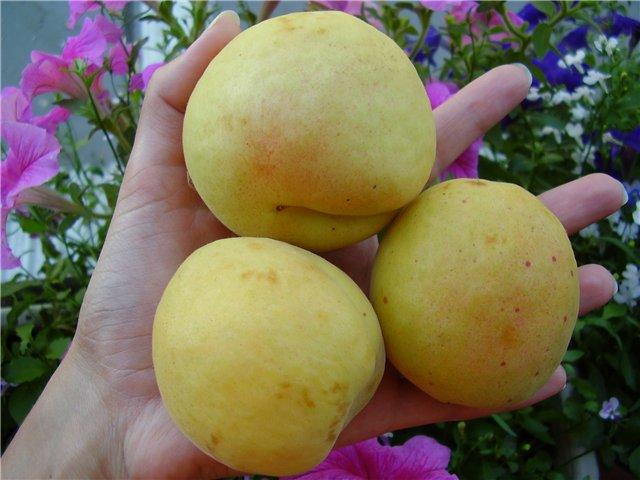
The harvested apricots are placed in cardboard or wooden boxes. Store the apricots in a cool place, such as a basement. They can be eaten fresh, added to baked goods, or used as garnish for desserts. Refrigerated, apricots will keep for 10 days. If you need to store them longer, pick them unripe. Shalakh apricots are used to make dried apricots and frozen, which allows them to have a much longer shelf life.
Reviews of the Shalah apricot
Gardeners' reviews of the Shalakh apricot variety will help you understand the nuances and make a confident choice.
Larisa Ovcharenko, 50 years old, Dneprorudnoye
Hello! I grow Shalah apricots in my garden for sale. I harvest about 120 kg of fruit from one tree. They sell out quickly and are always praised. I recommend this variety to everyone, as the trees rarely get sick and tolerate cold well.
Viktor Dronov, 45 years old, Energodar
Hello everyone! I learned about the Shalakh apricot tree online and decided to buy some seedlings. I planted the trees in 2011, and since then, I've been producing a huge amount of fruit every year. The harvest is stable, and I use the fruit for personal consumption. They don't store well, but freezing them solves the problem.
Anastasia Gashenko, 69 years old, Vinnytsia
Hello! I've been growing apricots at my dacha since 1990. I grow several varieties, but my favorite is Shalah. The fruits are juicy and slightly tart. I add them to baked goods, eat them fresh, and freeze them for the winter. The trees were attacked by aphids and weevils. I killed them with Fitoverm insecticide.
Related posts:
 Description and pollinators of the Saratov Rubin apricot variety, planting and care
 Is it possible to grow an apricot tree from a seed in your garden? How to plant and care for it?
 Description and technology of growing the Tsarsky apricot variety
 TOP 12 recipes for preparing apricot slices in syrup for the winter
 Description of the Krasnoshchyok apricot variety, planting technology and care
 Description and cultivation of the Manchurian apricot variety
 Description and characteristics of the Lel apricot, planting technology and care
 Description and rules for growing the Dessert apricot variety