
- Description and characteristics of the red-cheeked variety
- History of selection
- Drought resistance
- Winter hardiness
- Pollination of red-cheeked apricot
- Flowering period
- Ripening time
- Productivity and fruiting of red-cheeked apricot
- Application area of the crop
- Resistance to diseases and pests
- Advantages and disadvantages
- Landing features
- Recommended timeframes
- Choosing a suitable location
- Negative neighborhood
- Selection and preparation of planting material
- Planting diagram
- How to properly care for a red-cheeked apricot
- Watering
- Top dressing
- Trimming
- Mulching
- Rodent netting
- Shelter for the winter
- Regional cultivation features
- Fruit collection and use
- Diseases and pests
- Reviews
The Krasnoshchyok apricot variety is distinguished by its low maintenance, marketable fruit, and unrivaled flavor. With proper care, the tree produces a bountiful harvest. It can be grown for personal consumption or for sale. It's worth familiarizing yourself with all the farming requirements beforehand.
Description and characteristics of the red-cheeked variety
The tree is renowned for its spreading habit, reaching a height of 4 meters. With timely crown training, it will remain compact. The name was coined based on the red-cheeked color of ripe apricots. This variety is long-lived, producing fruit for up to 50 years. The bark is thick, and the branches are spreading and densely structured. It is resistant to strong winds. The thick bark protects the trees from pests and diseases. Apricots prefer full sun. During flowering, the trees become a stunning addition to the garden.
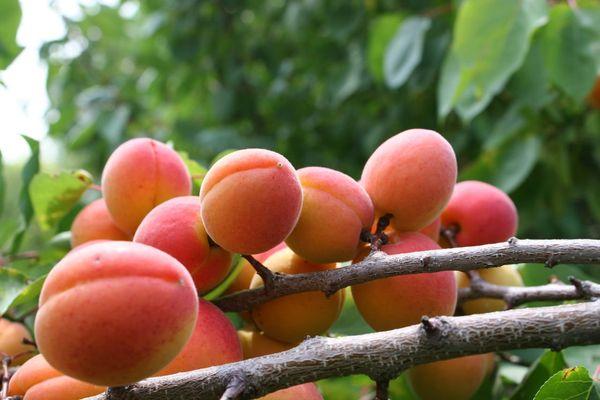
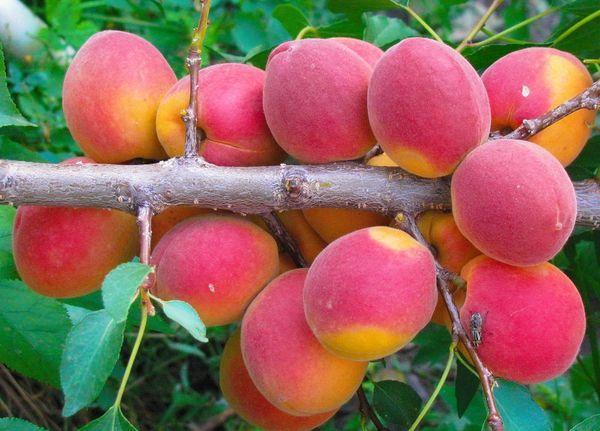
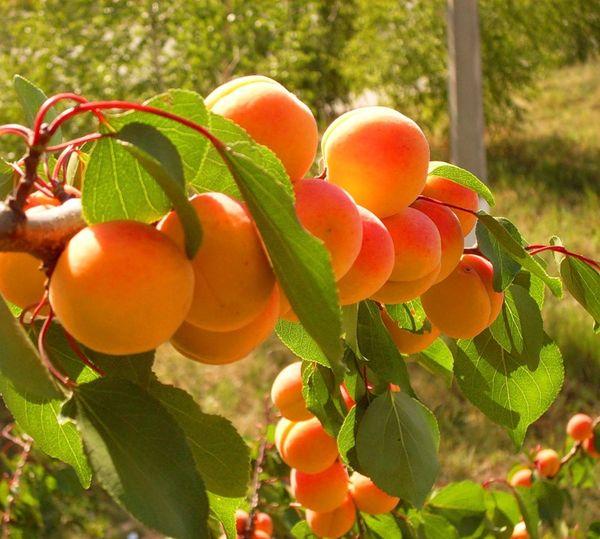
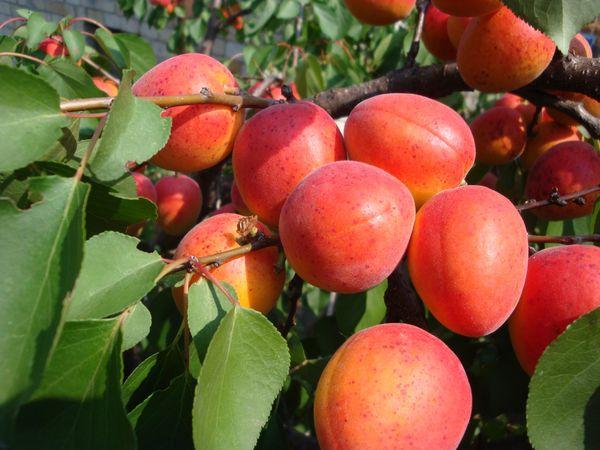
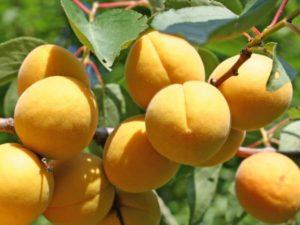
The Krasnoshchyok Brother apricot fruit weighs 50 grams, is round, and has juicy flesh. They are covered in a medium-thick, fuzzy skin. Ripe fruits are golden-orange with a blush. The flavor is sweet and sour, and the pit is easily removed. The fruits are easily transported over long distances, with a shelf life of about 10 days.
History of selection
The apricot variety was first discovered in the Asian mountains and was later cultivated in Armenia. The red-cheeked variety was given a new lease of life after the war by breeders from the Nikitsky Botanical Garden in Crimea. Numerous hybrids—sons and brothers of the red-cheeked apricot—were developed from it. The trees are grown throughout Russia and the former Soviet Union.
Drought resistance
Trees can withstand relatively long dry periods and do not require frequent watering. Young seedlings require more moisture than mature trees.
Winter hardiness
The red-cheeked apricot can withstand temperatures down to -45°C, but it's advisable to cover it for the winter. The trees can tolerate temperatures as low as -20°C without damage.
Pollination of red-cheeked apricot
This apricot variety doesn't require pollination. It can be planted in a plot of land devoid of other fruit trees, and it will bear fruit successfully.
Flowering period
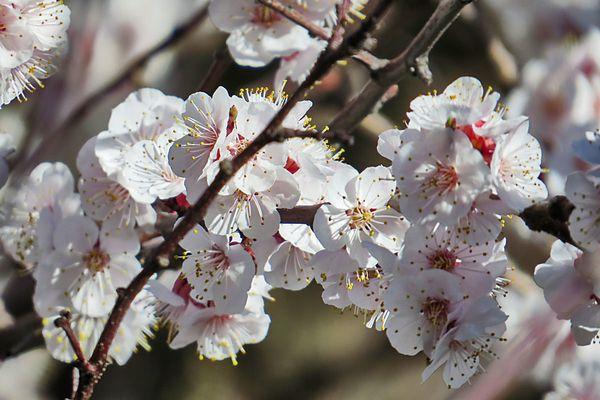
Flowering occurs in early to mid-April, with snow-white and pinkish inflorescences. They are small, create a romantic atmosphere in the garden, and attract bees.
Ripening time
Apricots ripen between July 15th and 20th. The harvest is 2-3 times due to uneven ripening of the fruit.
Productivity and fruiting of red-cheeked apricot
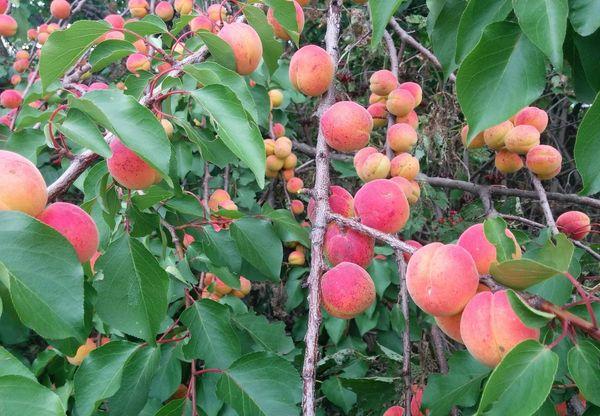
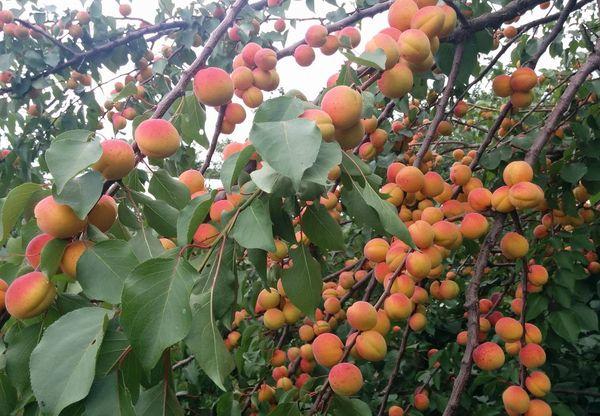
The fruits begin to ripen 3-4 years after planting. A single tree produces about 10 buckets of fruit.
Application area of the crop
Red-cheeked apricots can be eaten fresh, used to make preserves, jellies, compotes, and used to decorate desserts. fruits are suitable for freezing for the winter.
Resistance to diseases and pests
Trees are sometimes susceptible to fungal diseases such as moniliosis, clasterosporium, and brown spot. Unfavorable weather conditions, such as dampness, lack of sun, and cool temperatures, increase the risk of infection.
Advantages and disadvantages
The red-cheeked apricot has many positive features, but there are also negative sides.
| Pros | Cons |
| Early ripening | Frost resistance is average |
| No pollinators required | Dependence of crop abundance on weather |
| High yield | Susceptibility to fungi due to dampness |
| Excellent taste | |
| Resistance to spring frosts |
Landing features
It's best to plant apricots at specific times. Prepare a hole in advance and add beneficial soil nutrients.
Recommended timeframes
In the south, apricots are best planted in September or early October. This allows the plant time to establish roots before the cold weather sets in. In colder regions, planting is done in the spring, after the snow melts and before the buds swell. In temperate regions, planting is done in the fall or spring, depending on weather conditions.
Choosing a suitable location
The site should be on a flat or elevated surface, as lowlands often experience water stagnation. Light, well-drained soil is considered optimal. The pH should normally be neutral or slightly alkaline. Acidic soil should be diluted with lime. Apricots are planted in sunny areas.
Negative neighborhood
It's not recommended to plant this crop near raspberries, apples, currants, walnuts, cherries, plums, and pears. Different varieties of apricots can be planted in the same plot, spaced 4-5 meters apart. Shade-tolerant grasses are planted under the tree.
Selection and preparation of planting material
It's recommended to purchase red-cheeked apricot seedlings from nurseries. Choose a one-year-old plant with a well-developed rhizome. Inspect it for signs of disease, cracks, and beetle attacks.
Before planting, seedlings are dipped in a mixture of water and clay. The mixture should have the consistency of thin sour cream.
Planting diagram
The vigor of tree growth depends on following planting guidelines. Saplings are placed in a hole, with roots allowed to protrude along the edges.
- Before planting, dig a hole the size of the seedling’s rhizome, approximately 45*45 cm.
- Fill the bottom with fertile soil and water generously. Bury the tree so that the root collar is slightly covered with soil. Lightly compact the soil around the planting, water again with 30 liters of settled water, and insulate with fallen leaves.
A week after planting, fertilize the tree with a complex mineral composition..
How to properly care for a red-cheeked apricot
Proper care of an apricot tree includes timely watering, fertilizing, weeding, and pruning. Mulching, insect and beetle control, and winter protection are also included.
Watering
Apricot trees especially need moisture during the active growth of green mass in the spring, fruit set, and ripening, when they reach the size of a walnut. Three- to four-year-old seedlings require 10-15 liters of water. Mature trees require 70 liters. In the first year after spring planting, the soil is moistened once a week, and in hot weather, every three days at the roots.
Moisture-recharging irrigation is recommended to help apricots prepare for winter properly. This is done in late October if the autumn is warm and dry. Watering the bark is not recommended, as water can transmit many fungi. The optimal irrigation method is using circular furrows or between rows.
Top dressing
The red-cheeked apricot responds well to fertilizer. Since nutrients are applied before planting, they last for three years. Then, in early April, add humus and well-rotted compost every two to three years at a rate of 5-7 liters per square meter around the trunk. The soil should be loosened at the same time. When the trees reach 10 years of age, the rate is increased to 12-15 liters per square meter.
After two weeks, to stimulate "awakening" and active growth of green mass, add mineral nitrogen-containing compounds such as urea. Apply 10-15 grams per square meter. This dose can be divided into 2-3 applications or applied all at once.
The final feeding is done before the buds open. After this, apricots no longer require nitrogen. Excess nitrogen negatively impacts the plant's protective properties. Negative effects such as gum flow and reduced yield are possible.
 Fruits need phosphorus and potassium substances.
Before harvest, the tree is fed twice more. After the petals have fallen from the inflorescences, an infusion of fresh cow manure, bird droppings, dandelions, or nettles can be used. Add 2 tablespoons of superphosphate and potassium sulfate per bucket to the mixture. Four weeks before harvest, a comprehensive fertilizer is applied.
The final fertilization is done one month after the end of fruiting—at the end of August. To successfully prepare the crop for winter, potassium and phosphorus are required. There are also special nitrogen-free fertilizers, such as Autumn and AVA. The fertilizer can be applied dry or as a solution.
Trimming
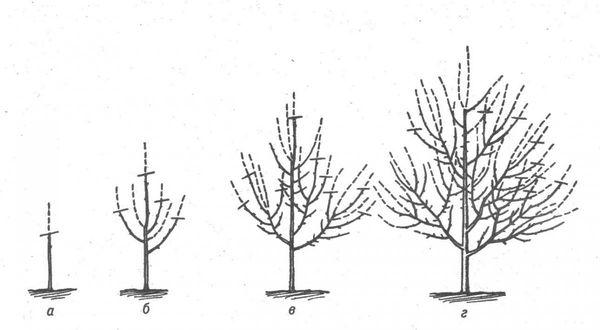
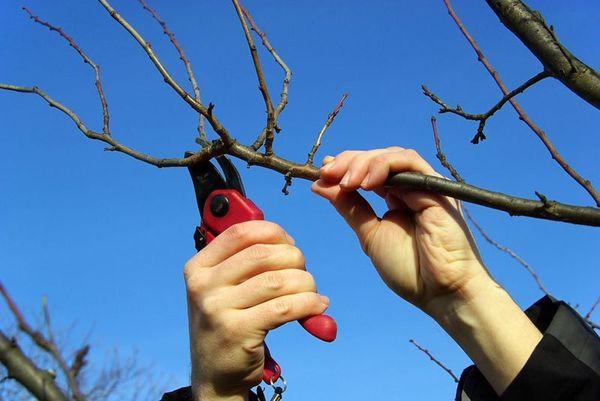
Apricot trees need shaping Bushes. Pruning is carried out according to a plan, with branches shortened in two stages: spring and summer. Dead, damaged, old, and diseased trees are removed with disinfected pruning shears. Leaving wounds on trees is not recommended, as they are a source of infection and fungus. These are sealed with garden pitch.
Mulching
The area around the apricot trees is mulched with fallen leaves, spruce branches, and peat. The soil is first loosened to a depth of no more than 10 cm. This procedure helps retain moisture and prevents bugs and diseases.
Rodent netting
The tree crowns are covered with netting to prevent rodent attacks. Beforehand, the soil is weeded and the weeds are removed.
Shelter for the winter
It is recommended to cover trees for the winter. First, the area around the trunk is cleared of fallen leaves and broken branches. It is loosened and re-mulched with a 10-cm-thick layer. The crown is treated with oil paint or whitewash with copper sulfate to repel rodents, beetles, and diseases. This procedure is carried out in October or early November.
The shoots are tied up and covered with a cardboard box filled with sawdust and finely shredded newspaper. A tent-like structure is built around it—a frame of slats covered with burlap, lutrasil, or spunbond.
Regional cultivation features
In the Moscow region, apricots are planted on the southern side of buildings and fences. This allows the trees to receive more heat. They are covered for the winter using the standard method. In the spring, the trees are watered with nitrogen-containing fertilizers. When the apricots ripen, potassium is added, which improves their flavor.
In the Urals, the taste of apricots differs from those grown in the south. The region experiences prolonged cold spells, spring frosts, sudden cold snaps, and frequent precipitation. Trees must be thoroughly treated against fungi 5-6 times during the growing season.
Take a look Also
The buds are fumigated with smoke from burning straw to protect them from the cold. A drainage layer of crushed stone is placed at the bottom of the hole, as moisture from precipitation often remains in the surrounding trunk.
In temperate climates, it's important to choose the right planting site, fertilize regularly, and prune branches. The main problem is spring temperature fluctuations, which can cause trees to freeze. Particular attention should be paid to preparing for winter. Treat trunks with lime and earth up the soil, and mulch the soil with compost.
Fruit collection and use
Apricots are harvested in dry weather, in the morning between 10:00 and 11:00 AM. Harvesting takes place in the evening after 5:00 PM. Fruits harvested in cold or hot weather lose their flavor and aroma. It's best to pick unripe apricots; they'll keep longer.
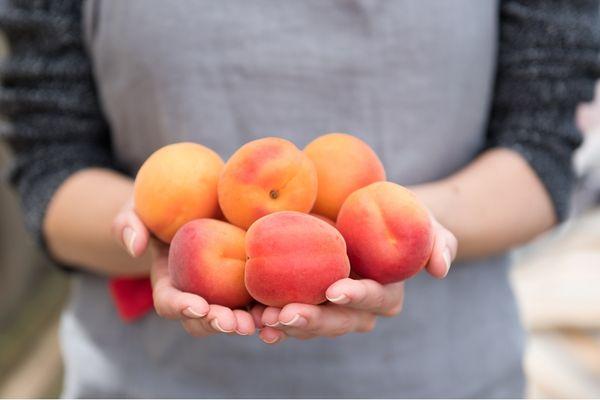
The fruit is consumed fresh or processed, with any unsuitable specimens showing signs of rot or disease discarded. Red-cheeked apricots are used to make delicious dried apricots.
Diseases and pests
Preventative treatments for apricots should be carried out to prevent coccomycosis, clasterosporium, and moniliosis. Spray with Bordeaux mixture or Horus. This treatment is carried out in the fall after leaf fall and in the spring before flowering. Since fungi spread quickly by the wind, one diseased tree can infect an entire orchard.
During bud break, treat apricots against harmful beetles and monilial blight with a 1% solution of Bordeaux mixture or its substitutes. Repeat immediately after flowering. If hole spot, fruit rot, aphids, gall midges, May beetles, or weevils are detected, spray the tree with insecticides such as Anti-Zhuk or Stop-Zhuk. A 1% Bordeaux mixture can also be used.
Reviews
Reviews of the red-cheeked apricot are mostly positive. They will help you gain a clear understanding of the variety.
Viktor Afanasyev, 59 years old, Zaporizhzhia
Hi everyone! When I bought my dacha, I already had a tree growing there with red-cheeked apricots. It's over 20 years old. It's low-maintenance, other than frequent watering. I use about 70 liters per tree.
Valeria Romanova, 54 years old, Zhitomir
Hello! I've been growing red-cheeked apricots in my garden since 1999, and the fruits are incredibly delicious. This is my favorite variety. The harvest is abundant, about 10 buckets from one tree. I make jam from the fruits and add them to baked goods.
Oleg Ivanenkov, 70 years old, Bila Tserkva
Hi everyone! The red-cheeked apricot is my favorite variety. I use it to make jams, pies, and compotes. I get a good harvest. I treat my coworkers to red-cheeked apricots, and they love them.
Related posts:
 Description and technology of growing the Tsarsky apricot variety
 Description and pollinators of the Saratov Rubin apricot variety, planting and care
 Is it possible to grow an apricot tree from a seed in your garden? How to plant and care for it?
 Description and characteristics of the Triumph Severny apricot variety, planting and care
 Description and cultivation of the Manchurian apricot variety
 Description and characteristics of the Lel apricot, planting technology and care
 Description and characteristics of the Shalah apricot, relatives and cultivation
 Description and characteristics of the Black Prince apricot variety, planting and care