
- What varieties of apricot are best to plant in the Moscow region?
- Climatic conditions of the region
- Variety selection criteria
- The best apricot varieties for the Moscow region
- Early ripening
- Early
- Laureate
- Late-ripening crops
- Honey
- Favorite
- Frost-resistant
- Northern Triumph
- Manchurian
- Red-cheeked
- Bullfinch
- Russian
- Self-fertile varieties
- Alyosha
- Lel
- Hardy
- Columnar varieties
- Prince Mart
- Star
- Low-growing and dwarf varieties
- How to plant and grow apricots in the Moscow region
Thanks to the efforts of breeders, it has become possible to grow this heat-loving fruit in regions with variable climates. It's important to choose the right regional variety and follow proper agricultural practices. Let's explore the intricacies of growing various apricot varieties for the Moscow region, highlight the best ones, and explore the nuances of agricultural practices and planting guidelines for this southern favorite.
What varieties of apricot are best to plant in the Moscow region?
When choosing an apricot tree for growing in the Moscow region, it's important to consider the variety's frost resistance, winter hardiness, and fruit ripening time. The Moscow region's weather is variable, with the risk of "cool summers" and harsh winters. Apricot trees must have strong immunity and be able to withstand winters with little snow.
Climatic conditions of the region
The Moscow region has a temperate continental climate. Seasons are distinct: winters are cold, summers are hot. During the warmer months, precipitation falls as moderate-intensity rain. The terrain is flat, with marshy areas in the east.
Variety selection criteria
To choose the right apricot tree, it is necessary to study the varietal characteristics according to the following criteria:
- resistance of the species to temperature changes;
- ability to bear fruit in short summer conditions;
- winter hardiness and frost resistance;
- the speed of tree awakening during the beginning of spring thaws;
- plant immunity to fungal diseases.

Variety descriptions always include breeders' recommendations for growing apricots in specific regions of our country. Apricots should be zoned and recommended for cultivation in the Moscow region. Self-fertile apricots are the best option for cultivation in the Moscow region.
The best apricot varieties for the Moscow region
Growing apricots in the Moscow region has become a popular pastime for local residents. Understanding the classification of recommended varieties is easy – the crops are divided into four groups based on the ripening time of the fruit and the type of crown: early-ripening, late-ripening, columnar, and dwarf.
Early ripening
The fruits of these trees reach technical maturity as early as midsummer. Popular early-ripening apricots for the Moscow region include Laureat and Ranniy.
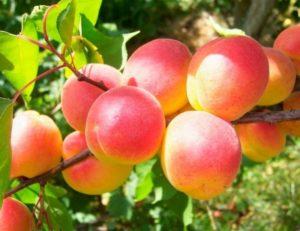
Early
A representative of the large-fruited apricots. The tree is vigorous, with a spreading crown. When fully ripe, the fruits are yellow with a pink side. The taste is excellent, the flesh is yellow and aromatic.
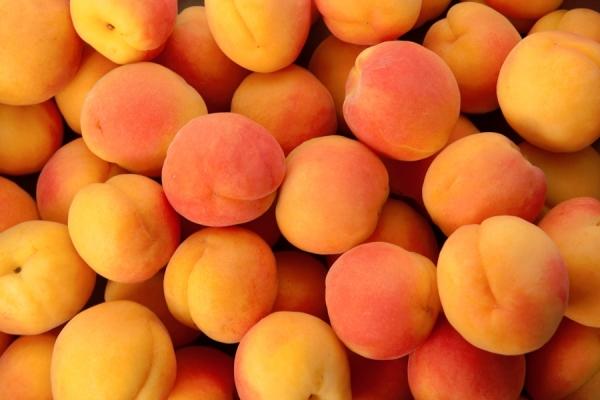
Laureate
A domestically bred variety recommended for cultivation in the Central Region of our country. Suitable for amateur cultivation, it is characterized by abundant yields, high bark winter hardiness, and moderate frost resistance of the buds. Laureate is resistant to damping-off. Ripe fruits are yellow.
Late-ripening crops
These crops are harvested in the fall. The fruits typically have a longer shelf life and are suitable for transportation.
Honey
A Russian-bred variety from Chelyabinsk, the trees form a spreading crown, producing versatile fruits that are excellent for canning. The variety can withstand temperatures down to -40°C. Yields are average but consistent. Ripe fruits are yellow, weighing up to 15 grams.
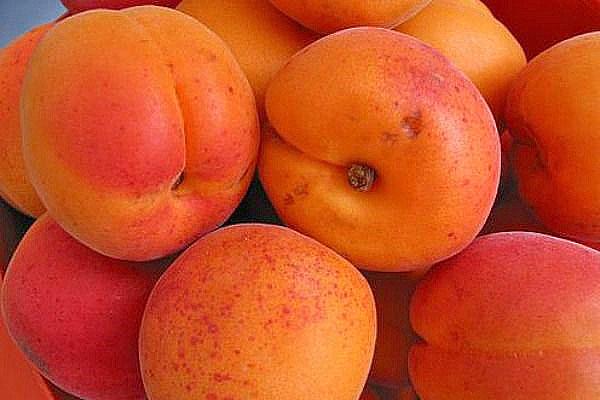
Favorite
Recommended for cultivation in the Central Region, but is a heat-loving tree with average winter hardiness. The fruit ripens late, and the plant is susceptible to holey spot. This self-fertile apricot tree has orange ripening fruit with a red blush.
Frost-resistant
A definite advantage of apricots grown in the Moscow region is their winter hardiness. Let's look at popular winter-hardy varieties.
Northern Triumph
The Triumph Severny apricot is frost- and heat-resistant. Its advantages include large fruits, self-pollination, and early fruiting. In winter, it tolerates temperatures down to -33°C, but once flowering begins, its resistance to spring frosts is limited. This variety is characterized by alternating fruiting seasons.
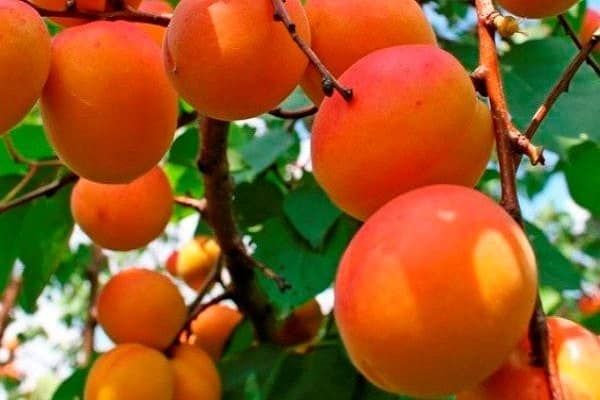
Manchurian
A deciduous plant of the Prunus genus. It resembles a blooming cherry tree. It is listed as a rare species in the Red Book. Manchurian apricot This tree is highly decorative. Its crown is spreading and requires support. It is suitable for growing in Siberia and the Far East. It tolerates temperature fluctuations and drought well. It produces a high yield, and the tree can grow and bear fruit for up to 100 years.
Red-cheeked
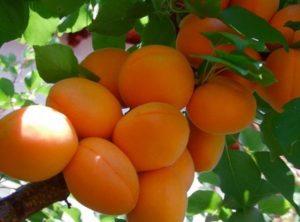
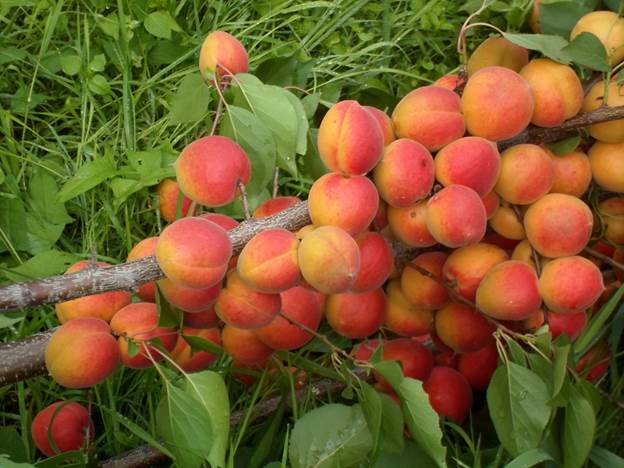
An easy-to-care-for, self-pollinating, and frost-resistant variety bred in Crimea, it begins bearing fruit as early as its third year. The fruit does not fall from the tree; a ripe harvest can remain on the tree for up to three weeks. Its immunity is average, but it is susceptible to a number of fungal diseases, such as moniliosis. The fruit is orange with a red side, and the skin is velvety to the touch.
Bullfinch
A drought-resistant and winter-hardy variety recommended for growing in the Moscow region. It tolerates temperatures down to -40°C. It is a self-pollinating, late-flowering variety. It produces a medium yield, with consistent fruiting. It is susceptible to pinhole spot. The fruits are small, a delicate cream color, with a red flank.
Russian
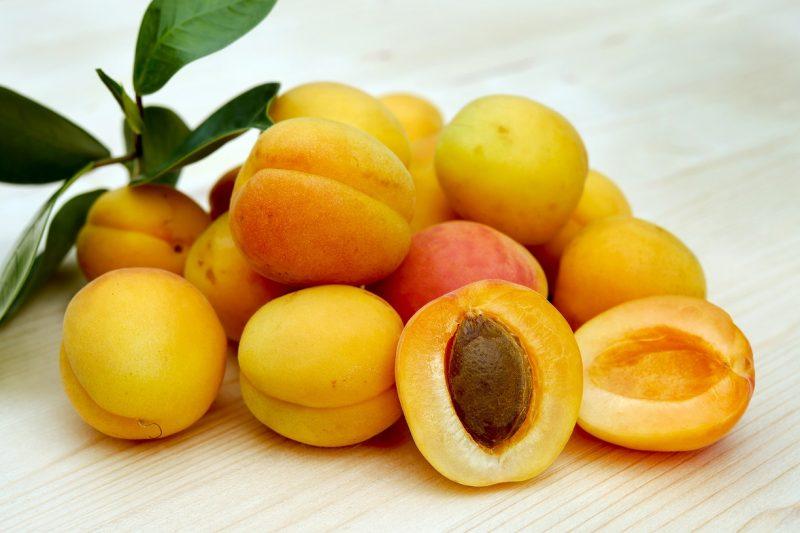
Adapted to growing in regions with cold, variable climates, the tree forms a spreading crown with a robust root system, reaching a height of up to 4 meters. It is not currently listed in the State Register. The fruits are large, aromatic, and easily separated from the pit. Self-fertile, the fruit ripens in early summer. It is characterized by strong immunity.
Self-fertile varieties
The main advantage of this group is self-pollination. There is no need to plant pollinator trees near apricot orchards. For cultivation in the Moscow region, it is recommended to choose self-pollinating apricot varieties.
Alyosha
An early variety bred domestically. The mature plant reaches 3.5 meters in height. The fruits are small, weighing up to 15 grams. Alyosha tolerates drought and frost well.
It requires no additional watering and is highly resistant to holey spot and fruit rot.
The taste of the fruit is excellent, but there is one small drawback: the large size of the pit.
Lel
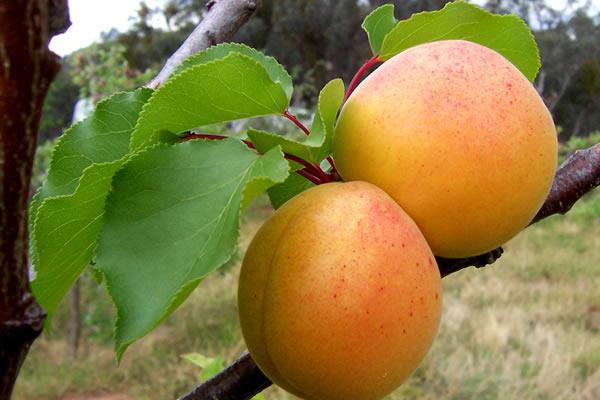
An early-ripening apricot of Russian selection. The tree reaches a height of no more than 3 meters. Ripe fruits weigh up to 20 grams, are rich yellow, sweet, and aromatic. The yield is high. Recommended for cultivation in the Moscow region and Siberia. It bears fruit every season. Disease-resistant, virtually immune to aphid attacks.
Hardy
A self-fertile variety, resistant to temperature fluctuations and frost, with the buds, bark, and flowers being able to withstand cold. It is a high-yielding variety, beginning to bear fruit in its fifth year. The fruits are round, weighing up to 50 grams.
Columnar varieties
Trees in this group are characterized by their compact size and low height. They are suitable for growing in small plots, summer cottages, and private gardens. Columnar varieties establish quickly and are rarely susceptible to fungal diseases.
Prince Mart
The tree grows to a height of 2 meters, with a diameter of 30 centimeters. The fruits are orange and weigh up to 60 grams. They tolerate temperatures down to -40°C. Harvesting can begin in early August.
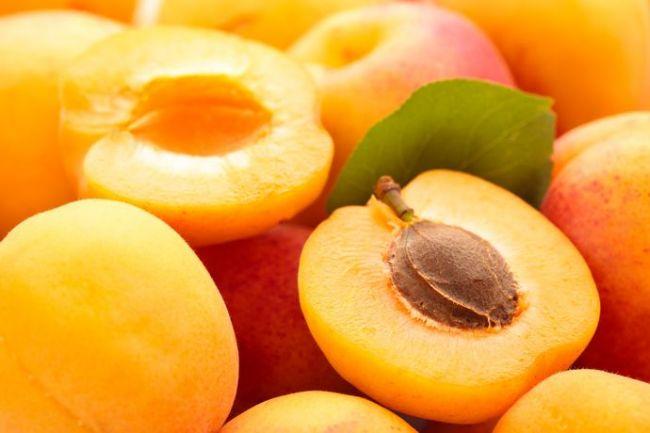
Star
Large-fruited columnar apricot, a self-fertile variety. Ripe fruits have excellent flavor, and can weigh up to 100 grams. They are highly winter-hardy and rarely susceptible to fungal diseases.
Take a look Also
Low-growing and dwarf varieties
Trees grafted onto dwarf rootstocks do not form a spreading crown and reach a height of no more than two meters. Dwarf apricots have a lifespan of approximately 20 years.
Note: the root system is not very developed compared to the main varieties, so watering is essential for such plants.
Popular varieties of dwarf apricots include:
- Cup;
- Black mouse;
- Black Prince.
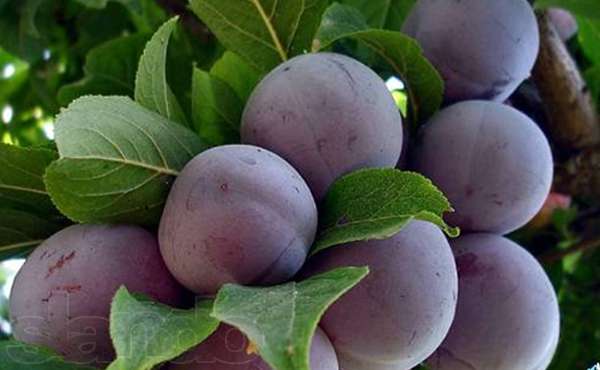
These trees are easier to care for; they are compact and take up less space on the plot, while the yield of low-growing apricots is high.
How to plant and grow apricots in the Moscow region
Growing apricot orchards in the Moscow region isn't difficult; it's important to choose the right variety and follow proper agricultural practices. Here are the basic rules for growing, planting, and caring for the plants:
- Choose healthy seedlings from trusted producers.
- Maintain the distance between bushes; for medium-sized plants it is 8 meters.
- Avoid choosing elevated locations for plants – the tree may freeze.
- Planting of seedlings is carried out in early spring.
- During the period of bud formation, trees are treated prophylactically against insect pests and fungal diseases with fungicides and insecticides.
- Some varieties require winter protection.
- Choose self-pollinating varieties.
- The tree trunk circles are loosened and mulched with humus mixed with ash.
- In spring and autumn, the trunks are treated with a lime solution.
With proper care, heat-loving plants produce good yields even in temperate climates. For smaller farms, choose low-growing or columnar varieties.
It is important that the selected variety is zoned and recommended for cultivation in the Central Region and the Moscow Region.
Related posts:
 Description of the 30 best plum varieties for the Moscow region, planting and care
 Description and technology of growing the Tsarsky apricot variety
 Planting and caring for apricots in the middle zone, description of the best varieties
 Descriptions of the 20 best cherry varieties for the Moscow region, their planting and care
 Is it possible to grow an apricot tree from a seed in your garden? How to plant and care for it?
 Description and pollinators of the Saratov Rubin apricot variety, planting and care
 Description and characteristics of the Lel apricot, planting technology and care
 Description and cultivation of the Manchurian apricot variety