
- History of selection
- Pros and cons of apricot
- Description of the culture
- Dimensions and height of the tree
- Fruiting
- Flowering and pollination
- Ripening time and yield
- Collection and use of fruits
- Characteristics of fruit crops
- Drought resistance, winter hardiness
- Immunity to diseases and pests
- Landing specifics
- Deadlines
- Choosing a suitable location
- Favorable and undesirable neighbors of apricot
- Selection and preparation of seedlings
- Landing technology
- Plant care
- Watering
- Fertilizer
- Loosening and mulching the tree trunk circle
- Crown formation
- Preventive treatments
- Shelter for the winter
- Propagation of ornamental apricot
- Seeds
- Cuttings
- Gardeners' reviews of the variety
Growing fruit trees in central Russia, Siberia, and the Urals is challenging due to cold winters and recurrent frosts. Manchurian apricot, zoned for these zones, has good winter hardiness and drought tolerance. Gardeners have come to love this young variety for its low maintenance, consistent productivity, and exceptional ornamental value.
History of selection
The Manchurian apricot was registered as a variety in 2005. The initial goal of breeders was to develop a Russian subspecies of sakura.
The wild Manchurian apricot, which grows in China in certain areas of the Primorsky Krai and is listed in the Red Book, was used as the “parent”.
The resulting variety retained the best qualities of the wild variety.
Pros and cons of apricot
In terms of ornamental qualities, the Manchurian apricot is comparable to the Japanese cherry, transforming into a cloud of pink petals in spring. Gardeners are delighted not only with its picturesque blooms but also with its abundant, consistent fruiting. It is considered an ornamental fruit tree.
The Manchurian's advantages outweigh his disadvantages:
- Harvesting for 30-40 years.
- Fruits that are easy to store and transport.
- It is not demanding in terms of growing conditions, with one exception: it does not tolerate shade.
- Powerful root system.
- It has immunity to viral and fungal infections.
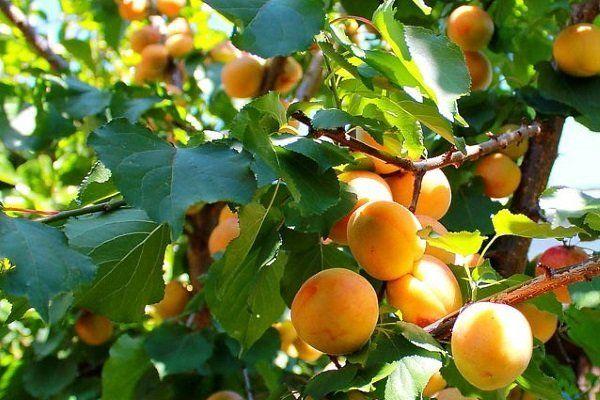 The disadvantages concern the fruit's taste and ability to produce shoots. Apricot flesh has a bitter taste. Beginning in the fifth year, the tree produces suckers. The crown quickly becomes dense without thinning.
Description of the culture
The Manchurian apricot is used as a landscape design element: in spring, it is covered in pink flowers, in summer, it stands amid dark green foliage, and in autumn, it is adorned with yellow and red foliage. Leaves appear after flowering and fall with the onset of sustained frosts (late October, early November). The plant lives for 100 years, producing abundant shoots after 10 years.
Dimensions and height of the tree
The trunk reaches 15 meters in height. The crown is spreading and dense. Young trees have smooth, light-brown bark. As apricots age over 10 years, the bark becomes rougher, darker, and develops cracks and furrows. The trunk's maximum thickness reaches 0.4 meters.
Fruiting
The first apricots appear when the tree reaches the required weight and reaches 2 meters. Starting from the sixth year, the Manchurian apricot tree enters the period of sustained fruiting.
Flowering and pollination
The apricot tree blooms in April-May, depending on temperature conditions. The flowers are up to 2 centimeters across, with pink petals, borne singly or in clusters, on short stalks. The flowering period lasts about two weeks. It is self-pollinated by wind and insects.

Ripening time and yield
The fruits are ready for eating and processing 2-2.5 months after the ovaries are formed. On average, a single tree yields up to 40 kilograms of fruit. Apricots range in size from 3 to 4 centimeters.
Collection and use of fruits
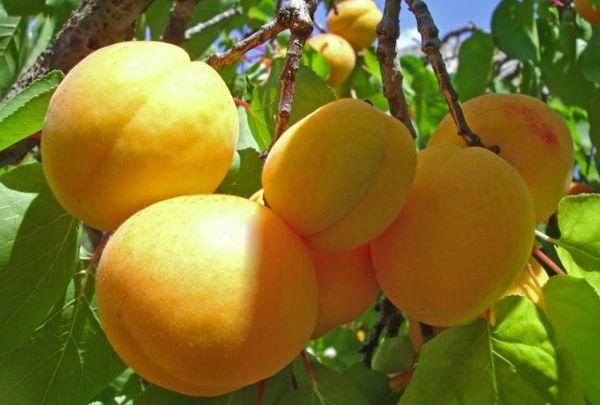
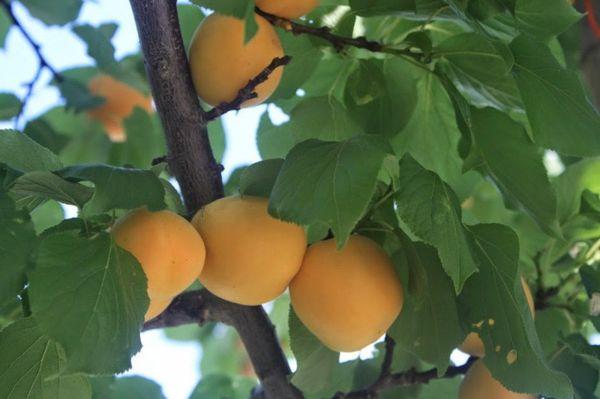
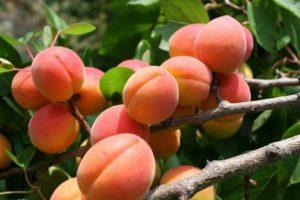
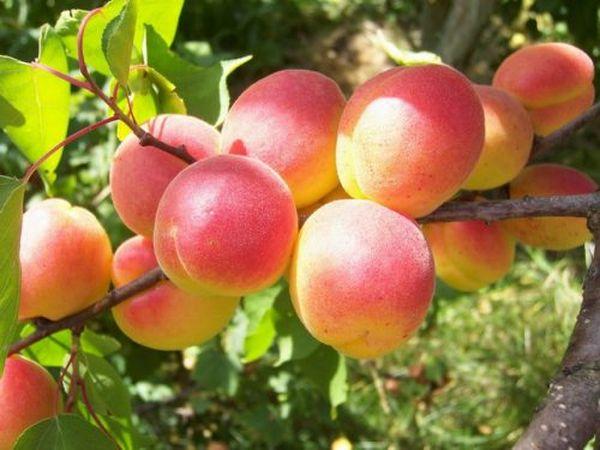
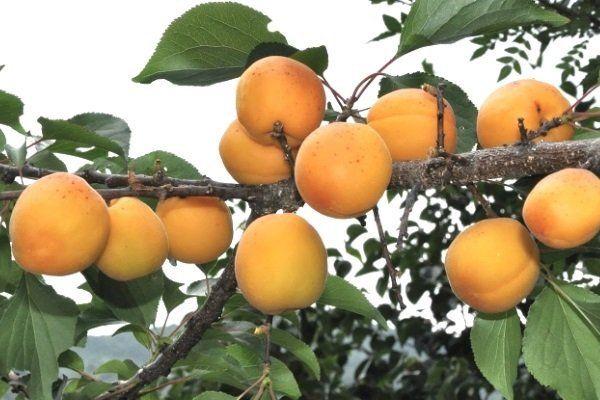
The harvest is in July. Ripe apricots are yellow-orange with a pink tint. The flesh is juicy, sweet and sour, with a slightly bitter taste. Unripe apricots ripen in 2-3 days after harvest. The fruit is eaten fresh and processed into compotes, preserves, and jellies. Oil is extracted from the pits.
Characteristics of fruit crops
Manchurian apricot is an unpretentious tree.
Drought resistance, winter hardiness
The development of a strong root system provides the plant with moisture from a large surface and depth. Thanks to this, the apricot tree can withstand long periods without precipitation. However, this requires at least five years. Before then, young trees can suffer from drought.
The Manchurian apricot can withstand winter frosts of -30°C (-90°F) without wind. Early thaws can damage flower buds and reduce yield.
Immunity to diseases and pests
A healthy tree is rarely attacked by pests, with the exception of aphids, which attack apricots in June during hot weather. Favorable conditions for fungal infections occur during the flowering period. In April and May, cold snaps down to 5°C (41°F) with rain and wind are common, awakening fungal spores. Without timely control, the degree of damage to the bark and flowers will increase.
Landing specifics
The Manchurian apricot is a long-lived fruit tree. The planting site is chosen so that it doesn't interfere with other crops or suffer from discomfort due to the growing conditions.
Deadlines
The time for planting a Manchurian variety seedling is determined by weather conditions (the soil must be sufficiently warm) and the condition of the buds (they must be dormant).
Choosing a suitable location
Apricots thrive on sun and require wind for pollination. The tree will produce higher yields in structured soil. To prevent the bark and buds from freezing, plant the Manchurian variety in a site protected from northerly winds.
Favorable and undesirable neighbors of apricot
The Manchurian apricot grows well with other varieties of apricots.
It doesn't thrive near raspberries, currants, and walnuts. Stone fruits and pome fruits will be stunted nearby, as their root systems won't be able to withstand competition from the Manchurian.
Selection and preparation of seedlings
For planting, a two-year-old seedling of the Manchurian variety is selected.
The plant should have:
- smooth, shiny bark;
- well developed roots;
- conductor not less than 1 meter;
- two or three branches.
To prevent the roots from drying out, prepare a slurry of clay and manure. Add about a kilogram of soft clay and fresh manure to 5 liters of water. Mix thoroughly to form a suspension. Immerse the Manchurian apricot root system in the slurry for a few minutes. Remove and allow to dry. Repeat this process 2-3 times until a protective crust forms.
Landing technology
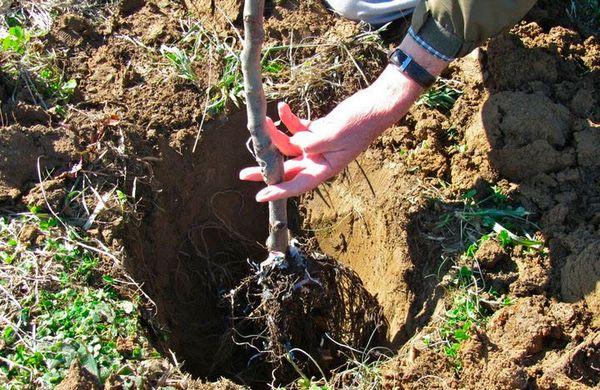
The planting hole is prepared in the fall to allow the soil to warm up faster in the spring. It should be 50 centimeters deep and 50 centimeters in diameter. A 5-centimeter-thick layer of broken brick is placed at the bottom. A mound of compost mixed with ash is then piled on top.
The layer height is determined by the size of the Manchurian apricot seedling. After placement in the planting hole, the root collar should be 2-3 centimeters above the soil surface. The roots are evenly distributed over the mound and covered with fertile soil, lightly compacted. Water generously with settled water.
Plant care
After planting, the Manchurian apricot requires support to ensure the seedling takes root and grows. Subsequent care consists of preventing and controlling shoot growth.
Watering
Young plants are watered once a week at temperatures up to 25 degrees Celsius. In hotter weather, the soil should be moistened more frequently, monitoring its condition. Watering is reduced from late August to prevent the Manchurian apricot from freezing over the winter.
Mature trees are watered if hot, dry weather persists for about a month. The recommended watering rate is 10-20 buckets, depending on the plant's weight. A similar amount of watering is necessary during a dry autumn, after the Manchurian apricot sheds its leaves.
Fertilizer
During flowering, phosphorus-potassium fertilizers or wood ash are applied to preserve fruit buds. In the fall, humus is added to the tree trunk area. Summer fertilizing depends on the specific micronutrient deficiencies.
Loosening and mulching the tree trunk circle
Loosening the soil around the tree trunk is essential not only to improve aeration. Many pests live or lay eggs in the root zone. Apricot roots extend deep into the soil, allowing for effective cultivation.
Mulching is useful for one- and two-year-old seedlings to prevent overwatering. Dry pine needles, which are pest-resistant, are a good mulch.
Crown formation
Pruning is done in early spring, before the buds swell, and in autumn, after the leaves have fallen.
With its help the following are removed:
- damaged, dried branches;
- spinning tops;
- shoots growing inside the crown.
Trunks are shortened to 3-4 meters. The crown diameter is adjusted to the same size. Excess branches are pruned to the ring. When shaping the crown, lateral branches are left on the skeletal branches, removing the conductor to the bud. Pruning is completed by treating the cuts with garden pitch.
Preventive treatments
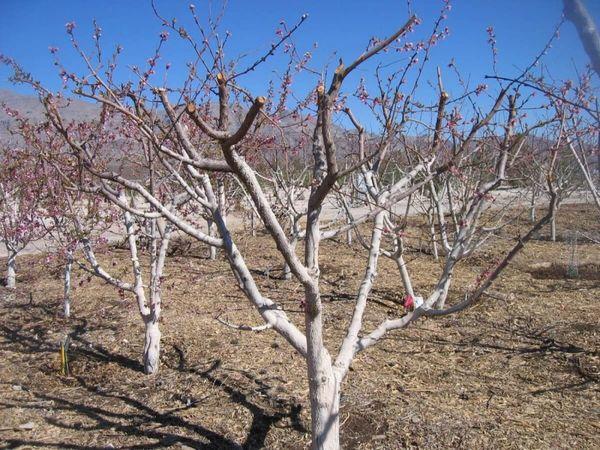
In spring, the trunk is whitewashed with a solution of slaked lime and copper sulfate. This is especially important for older trees, whose bark develops grooves that can lead to cracks. Spraying with Bordeaux mixture before the flowers bloom will protect the apricot tree from fungal infections.

Shelter for the winter
The Manchurian variety is winter-hardy, but this doesn't apply to young trees with thin bark and shallow root systems. A layer of spruce branches around the trunk and compacted snow are the best insulation methods.
Propagation of ornamental apricot
You can propagate the fruit-ornamental Manchurian variety yourself using seeds and cuttings.
Seeds
To obtain seedlings, take the seeds from overripe fruits. Germination is determined by placing them in a container of water. Any seeds that float to the surface are removed. Those that sink to the bottom are placed in damp sand and kept for three months at 0°C (32°F).
Manchurian apricot seeds are planted in a greenhouse nursery. A furrow 1 centimeter deep is dug in fertile soil. The pits are placed at the bottom of the furrow, spaced 40 centimeters apart. The soil is kept moist until the sprouts emerge. The seedling grows in the greenhouse for 2-3 years, after which it is planted outdoors in its permanent location.
Cuttings
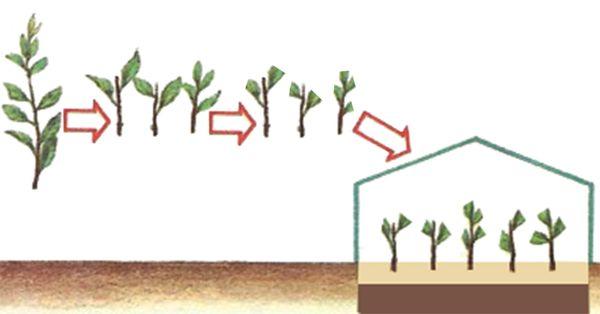
The cutting is taken from a young, strong branch. The shoot is two internodes long, with two leaves at the tip. The lower cut is at an angle, the upper cut is straight, 1 centimeter from the bud. Scratch the bark at the bottom to facilitate root growth.
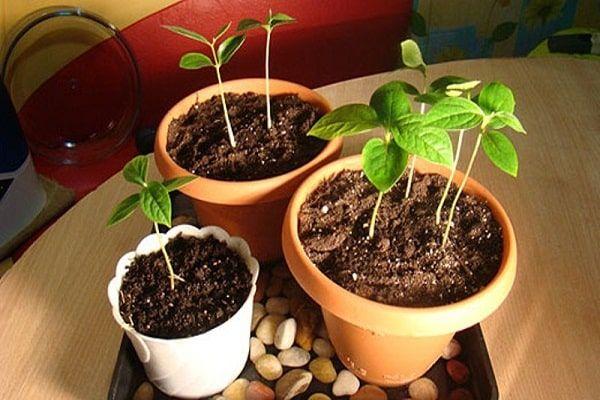
Place the cutting in a growth stimulant solution for 12 hours, then place it in a mini greenhouse. The nutrient substrate is prepared from peat, sand, and moss. The cutting is buried 1/3 of the way down, compacting the substrate well. Further care consists of maintaining a temperature of 24 degrees Celsius, keeping it moist, and avoiding direct sunlight.
Gardeners' reviews of the variety
Karina M.:
"An unusual variety. Several trunks grow low to the ground, like a bush. I pruned it to make it easier to pick the apricots. In the spring, when it blooms, it looks like pink smoke in front of the house. Very beautiful. It's a shame there's no room for another tree."
Valentina S.:
"Apricots are bitter, even when very ripe. But jam and compote are made from this unusual flavor."
Sergey P.:
"Peaches don't grow in our climate. Southern varieties are sold green in stores. They may not be large and have a bitter taste, but they're ripe, fresh from the vine."
Related posts:
 Is it possible to grow an apricot tree from a seed in your garden? How to plant and care for it?
 Description and characteristics of the Lel apricot, planting technology and care
 Description of the Melitopol apricot variety and cultivation technology
 Description and technology of growing the Tsarsky apricot variety
 Description and characteristics of Manchurian clematis, cultivation techniques
 Description and subtleties of growing the Champion of the North apricot variety
 Description of the best columnar apricot varieties, planting and care
 Description and rules for growing the Black Velvet apricot variety