
- The history of the Aquarius apricot
- Pros and cons
- Description and characteristics of the culture
- Tree dimensions
- Pollination, flowering period and ripening time
- Fruiting and yield
- Scope of application of fruits
- Frost and drought resistance
- Immunity to diseases and pests
- Landing features
- Optimal timing
- Selecting a suitable site
- What to plant next to apricots
- Preparing the seedling and planting hole
- Landing technology
- Specifics of caring for the variety
- Watering mode
- What fertilizers does apricot prefer?
- Crown shaping and pruning
- Protection from diseases and insects
- Shelter for the winter
- Methods of reproduction
- Gardeners' reviews
Apricots are renowned for their delicious and juicy fruits. However, growing them in the central regions with their long, cold winters can be challenging. Breeders have addressed this. They have developed regionalized apricot varieties capable of bearing fruit in harsh conditions—Vodolay is one of them. It not only tolerates frosts well but is also resistant to recurrent frosts.
The history of the Aquarius apricot
The Lel variety was bred by L. A. Kramarenko in 1986 and became the basis for many varieties. It also gave rise to the Vodolay variety, which appeared in 1996 and was registered in the State Register in 2004.
Pros and cons
The advantages of the variety are as follows:
- stability of yields;
- winter hardiness;
- taste qualities of fruits;
- self-fertility;
- increased immunity.
The main disadvantages include the height of the tree and the short shelf life of the fresh fruit.
Description and characteristics of the culture
Fruitful cultivation of the Vodolay apricot in a country plot is possible only by taking into account its basic characteristics and paying close attention to its weaknesses.
Tree dimensions
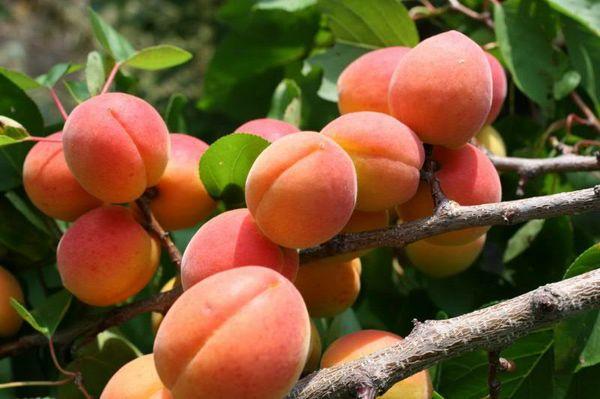
The small apricot sapling "Vodolay" grows into a tall tree. It often reaches six meters in height. It grows quickly, with an upright crown and sparse branches. This structure facilitates pruning and harvesting. The thick, straight shoots have a dark red hue.
Pollination, flowering period and ripening time
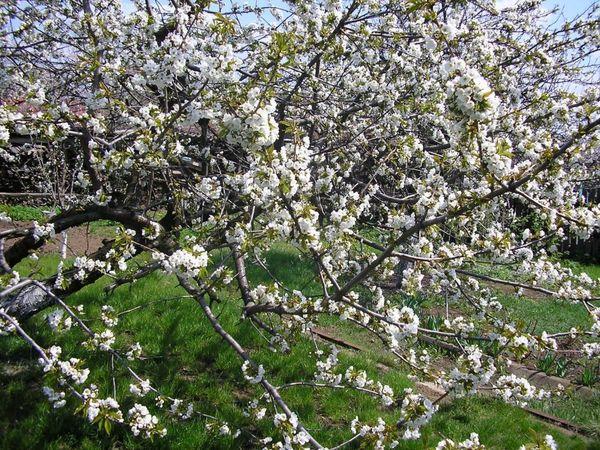
The apricot tree blooms before the leaves emerge, producing white flowers 2.8 cm in diameter. During this period, the tree becomes a stunning addition to any garden. It begins bearing fruit in the third year. It is self-fertile. It produces excellent fruit when planted alone. The harvest begins in the second half of August.
Productivity is usually high.
Fruiting and yield
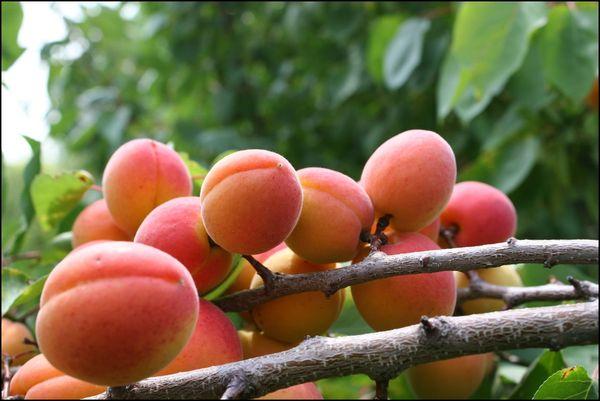
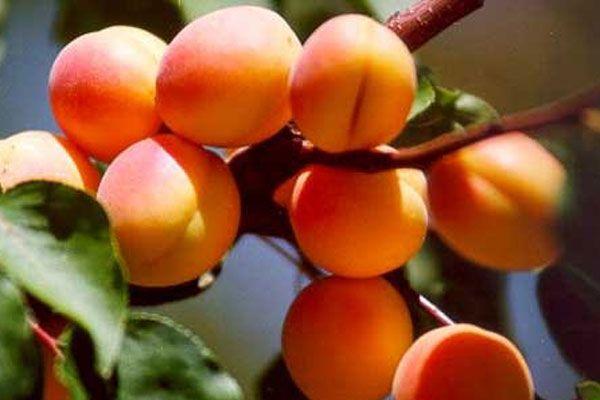
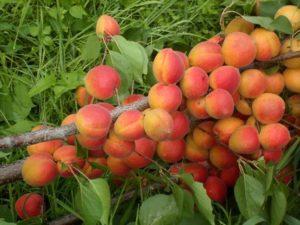
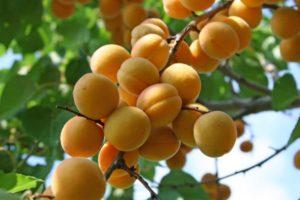
The Aquarius produces yellow fruits with a light reddish blush and slight pubescence. They weigh 25 grams. The flesh is tender, medium-firm, and has a sweet and sour flavor. It is rated 5 stars. The pit is small and separates easily from the flesh. A mature tree can yield up to 30 kg of fruit. Fruiting is regular and consistent. With careful attention and care, the fruiting period lasts up to 20 years.
Take a look Also
Scope of application of fruits
The fruits are delicious fresh, but their shelf life is short due to the juicy and fleshy pulp. The Vodolay variety is most often grown for various preserves. It produces delicious and aromatic juices, preserves, jams, sauces, and compotes. Apricots are often dried for dried fruit.
Frost and drought resistance
This variety is resistant to severe winter frosts and spring frosts. According to the stated characteristics, it tolerates temperatures down to -35°C in winter and down to -3°C during the flowering period. However, when grown in the Central region, where low temperatures can persist for extended periods, freezing is still possible, and it is advisable to insulate the tree. Insulation is especially important for young plants under three years old.
It also tolerates prolonged drought well. Natural watering is sufficient for the apricot to ripen its harvest in the central regions.
Immunity to diseases and pests
This variety has a strong immune system and rarely gets sick. It is occasionally affected by clasterosporium leaf spot. Aphids dislike its leaves.
Landing features
Following recommendations for planting seedlings will contribute to fruitful cultivation and obtaining large harvests.
Optimal timing
In early spring, when the snow has melted and the buds have not yet opened, begin planting seedlings in open ground. The exact timing of planting depends on the local conditions.
Don't delay planting. If the seedling's buds begin to open, it will take much longer and be much more difficult to establish. In this case, the likelihood of failure is high.
Selecting a suitable site
Apricot trees thrive in the sun. An open clearing with full sun throughout the day is ideal. Groundwater levels above 3.5 meters are detrimental to mature trees and are a common cause of their death.
What to plant next to apricots
Apricot trees thrive best when planted alone. They don't tolerate the following trees and shrubs nearby:
- currants;
- raspberries;
- pear;
- cherries;
- cherries;
- peach;
- apple tree.
It gets along well only with dogwood.
Preparing the seedling and planting hole
To ensure a seedling's rooting, it's purchased from specialized nurseries with a closed root system. Such a plant requires no preparation. To facilitate its removal from the container, simply water it generously.
In the fall, a 70 x 70 cm planting hole is prepared for the seedling. The necessary fertilizers are added to the soil.
Landing technology
The seedling is lowered into the prepared hole, leaving the root collar exposed. It is covered with soil and thoroughly watered with settled water with some Kornevin added. The seedling is tied to a stake.
Specifics of caring for the variety
Caring for the Vodolay apricot is similar to other varieties and involves shaping the crown, applying fertilizer, and preparing the tree for winter.
Watering mode
Apricot trees are watered based on weather conditions. They are drought-resistant, so they require moisture only in the spring to stimulate growth and fruiting, before the harvest ripens, and in late fall.
What fertilizers does apricot prefer?
Young plants are fed with organic fertilizers, superphosphate, and potassium chloride. Ammonium nitrate is added to fertilize fruit-bearing trees.
Crown shaping and pruning
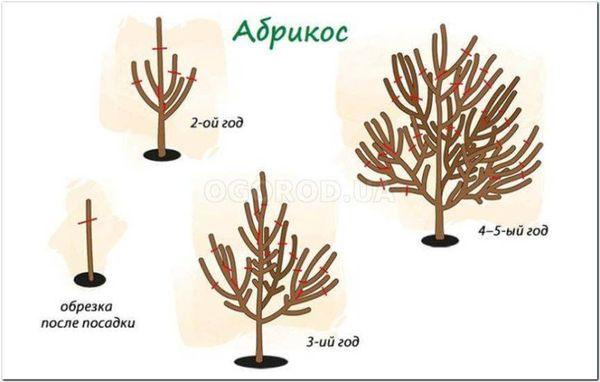
Each spring, formative pruning is performed to achieve a sparse, tiered crown. This allows for free sunlight penetration and prevents shading. Low-growing branches are removed.
Protection from diseases and insects
To prevent possible diseases, apricots are sprayed with fungicides. To control insects, insecticides are used.
Shelter for the winter
According to the stated characteristics, the Vodolay apricot does not require shelter. However, when growing this variety, frost damage to the crown and roots has been observed in some years. To prevent frost damage, gardeners protect the tree with covering material.
A good protection for the root system from freezing is a layer of mulch of at least 20 cm made of humus.
Methods of reproduction
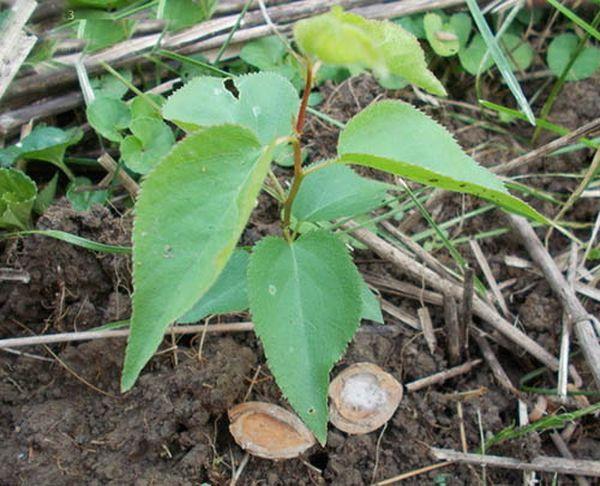
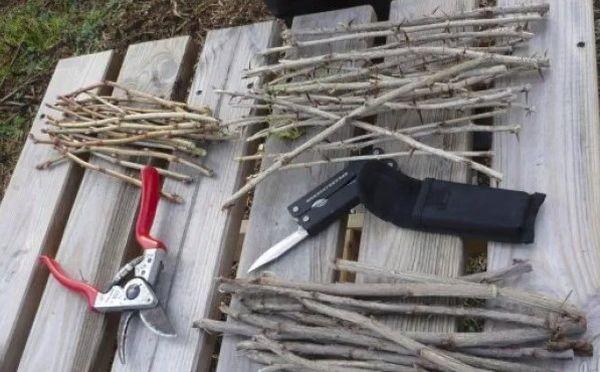
You can propagate the Aquarius apricot on your own plot using seeds, grafting or cuttings.
Cuttings are the most common option.
To do this, green cuttings are taken at the end of June and placed in damp sand to germinate. By early autumn, sprouts will appear on the cuttings and they are transplanted to a permanent location.
Gardeners' reviews
According to gardeners, the Vodolay apricot is an excellent choice for the Moscow region and surrounding areas. Thanks to its winter hardiness and frost resistance, it easily withstands harsh winters and produces annual harvests.
Winter hardiness, self-fertility, high yield, and delicious fruit are qualities that have earned the Vodolay apricot its place among many gardeners. Thanks to these characteristics, it has become widely popular in gardens throughout the Central Region.
Related posts:
 Description and technology of growing the Tsarsky apricot variety
 Is it possible to grow an apricot tree from a seed in your garden? How to plant and care for it?
 Description and pollinators of the Saratov Rubin apricot variety, planting and care
 Planting and caring for apricots in the middle zone, description of the best varieties
 Description and cultivation of the Manchurian apricot variety
 Description and characteristics of the Lel apricot, planting technology and care
 Description of the Melitopol apricot variety and cultivation technology
 Description and rules for growing the Black Velvet apricot variety