
- A bit of history
- Advantages and disadvantages
- Varietal characteristics
- The appearance of the tree
- Flowering and pollination period
- Description of fruits
- Ripening time
- Productivity
- Tasting qualities and scope of application
- Characteristic features of Zhiguli souvenirs
- Drought resistance, winter hardiness
- Resistance to diseases and pests
- Landing specifics
- Deadlines
- Choosing a suitable location
- What to plant next to it
- Rules for planting operations
- Caring for fruit crops
- Watering
- Trimming
- Fertilization
- Preparing for winter
- Diseases and pests: treatment and prevention
- Reproduction of the variety
- Reviews
The Zhigulevsky Souvenir apricot variety is very popular among gardeners. To achieve success in growing this crop, it's important to plant it carefully and strictly adhere to proper agricultural practices. These include watering, fertilizing, and pruning. Protection from diseases and pests is also crucial.
A bit of history
This apricot variety was named after the city of Zhigulevsk, where it was originally bred. The plant became a souvenir for scientists, as it was developed by people without specialized training. The plant's creator was V.V. Bessmertnov, a resident of the Saratov region.
Advantages and disadvantages
The advantages of this variety include the following:
- frost resistance;
- self-fertile characteristics;
- high yield;
- excellent taste and excellent appearance of fruits;
- long-term storage capability and excellent transportability;
- early ripening period.
The plant's disadvantages include low resistance to spring frosts, high humidity and high temperatures.
Varietal characteristics
Before planting a crop, it is worth studying its main varietal characteristics.
The appearance of the tree
The tree has certain characteristics:
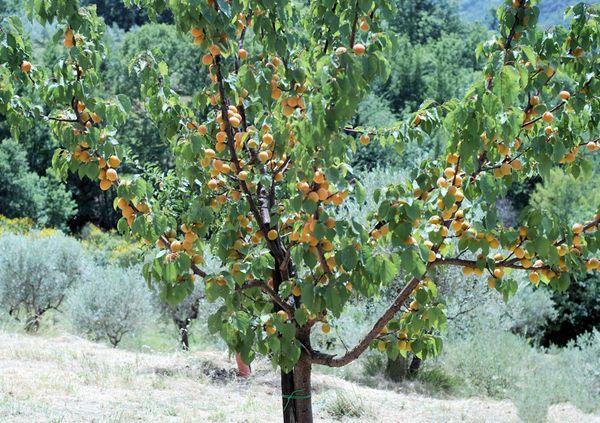
- the plant is considered medium-sized – its height is 3-4 meters;
- the culture develops relatively quickly and forms a round or pyramidal shape, which is characterized by medium density;
- shoots are covered with smooth light brown bark;
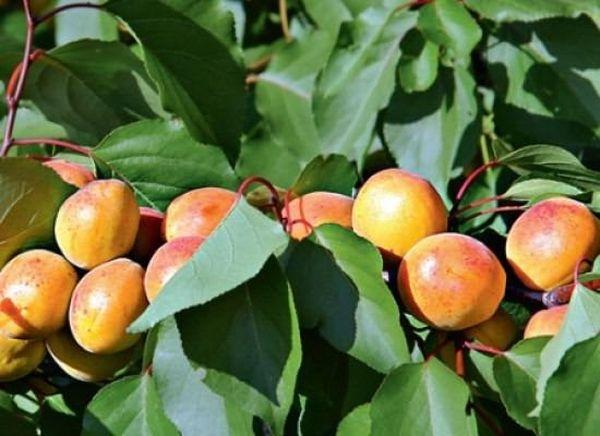
- the leaves are large in size, have a rounded base and a pointed tip;
- the leaf blades are flat, light green in color and covered with a small fluff;
- The petiole is of medium size.
Flowering and pollination period
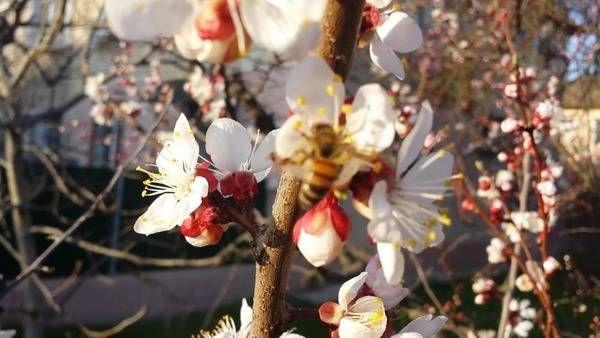
The inflorescences contain two white-pink flowers. Flowering begins in May.
Description of fruits
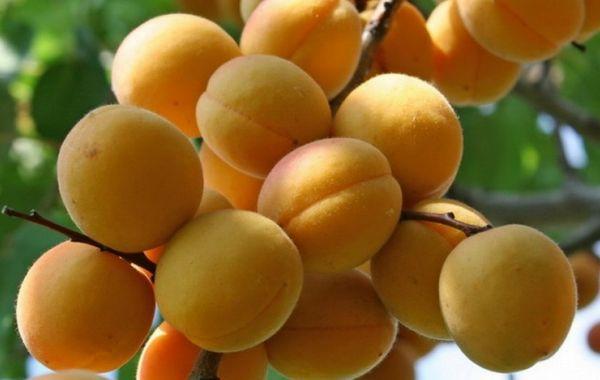
The fruits are characterized by the following features:
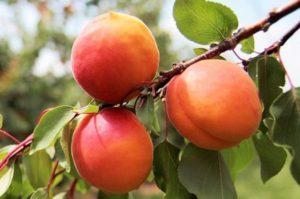
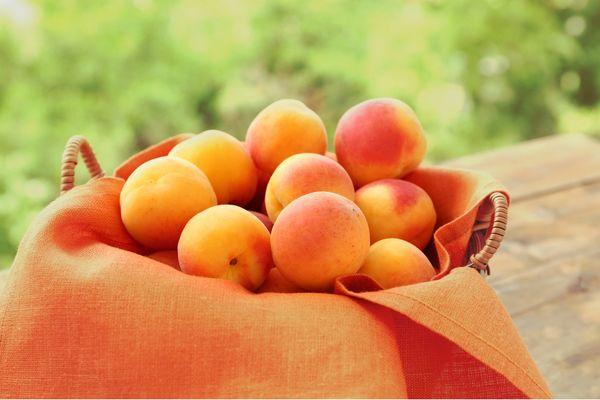
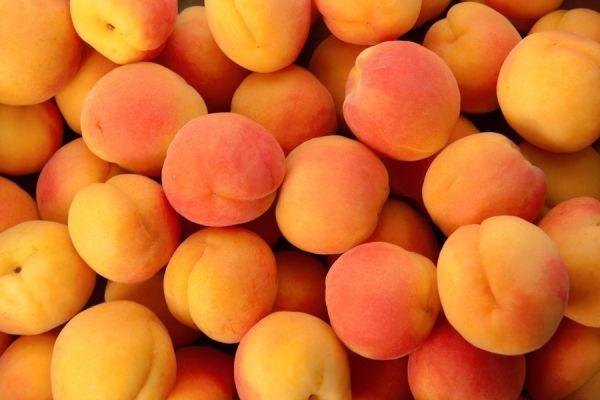
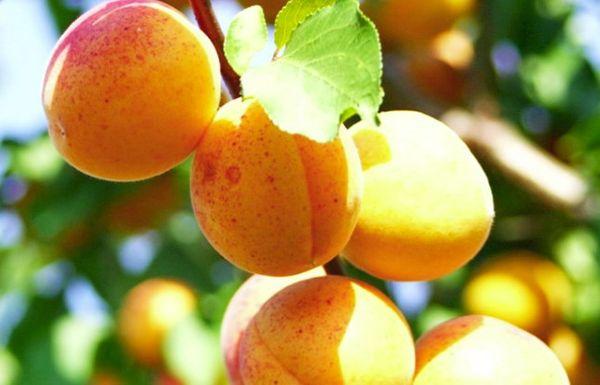
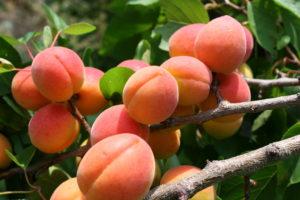
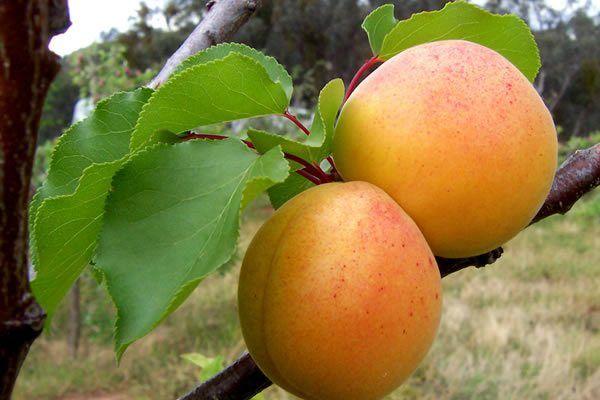
- round-oval shape and large size, weighing 21-35 grams;
- orange tint and red blush;
- sweet taste with a pronounced sourness;
- the skin is of medium density without fluff;
- a large stone that lies loosely inside the fruit and can be easily removed.
Ripening time
This is an early-ripening crop, with harvesting occurring in late July. Fruiting begins in the fourth or fifth year.
Productivity
This variety boasts excellent yields. A single tree can yield 45-50 kilograms of fruit.
Tasting qualities and scope of application
The fruits are characterized by excellent marketability and excellent transportability. If harvested slightly unripe, they can be stored for up to a week.
Characteristic features of Zhiguli souvenirs
Before planting this apricot variety, it's worth studying its key characteristics. This will help ensure it receives high-quality and comprehensive care.
Drought resistance, winter hardiness
This plant doesn't tolerate prolonged periods of drought well. If the climate in your region allows the area around the tree trunk to remain moist, additional watering is not necessary. In hot summers, water as needed. This is done when the soil around the roots begins to dry out.
The tree boasts excellent frost resistance, able to withstand temperatures down to -30 degrees Celsius.
Resistance to diseases and pests
This variety is characterized by resistance to pathogenic bacteria. Regularly monitoring the condition of the leaves allows for early detection of pest infestations, allowing for their prompt removal.
Landing specifics
To achieve successful crop cultivation, it's recommended to plant the crop correctly. However, certain considerations should be taken into account.
Deadlines
It's recommended to plant bare-root plants in the spring. This will allow the seedling time to establish roots and prepare for winter.
If the plant was purchased with bare roots, planting is carried out in mid-March.
In this case, the soil should warm up to 10 centimeters, and the air temperature at night should not drop below +5 degrees.
Choosing a suitable location
The plant does not tolerate soil with a high water table. Therefore, it should be planted in a sunny, elevated location. The site should be protected from drafts and wind. If the groundwater table is high, drainage is recommended. There are no special soil requirements.
What to plant next to it
This apricot variety does not tolerate close proximity to currants and raspberries. Avoid planting it after removing peach, cherry, or plum trees. Any shade-producing plants absorb moisture and nutrients.
Rules for planting operations
It's recommended to purchase rooted seedlings. Exposed roots can become weathered, which can make it difficult for the plant to adapt. Developed roots adapt better to new conditions and are less susceptible to disease.
The rhizomes should be at least 10-15 centimeters long. They should be healthy and well-branched. There should be no rot or signs of disease on the roots.
Plants should be planted at least 4-5 meters apart. It's recommended to prepare the hole in the fall. Its dimensions should be 70 x 70 x 70 centimeters. It's recommended to make a mound at the bottom and place the seedling in it. The roots should be spread out and covered with soil.
It's recommended to insert a pole near the roots to provide support. When rooting, ensure the root collar is 7-8 centimeters above the soil surface.
Caring for fruit crops
To ensure the plant develops normally, it is recommended to provide it with high-quality and comprehensive care.
Watering
This apricot variety has a shallow root system. The plant tolerates drought poorly and requires regular soil moisture. Watering is done 4-5 times during the growing season.
It is worth adding 20-30 liters of water under 1 tree.
Watering is essential during and before flowering. This procedure is also carried out during active shoot growth, a couple of weeks before the fruit ripens. The last time this procedure is carried out is in July. Watering should be done in the morning or evening, when the sun is less harsh and less likely to cause sunburn.
Trimming
Apricot requires systematic pruning.The procedure helps increase crop productivity, improve fruit quality, and strengthen the immune system.
Formative pruning should be performed when the tree is less than 5 years old. After planting, prune off a third of the trunk. Subsequently, it is recommended to shorten the formed shoots by a third. In spring and fall, prune away damaged, dry, and crooked branches.
If the tree's shoots are rapidly growing, it's permissible to prune it in the summer. In this case, it's recommended to trim branches back by 10-15 centimeters. Lower shoots that touch the ground should be completely removed, as they can promote the spread of diseases.
In addition to pruning shoots, it's important to remove root suckers. They absorb nutrients from the main plant and reduce its productivity.
Fertilization
These trees require regular fertilization. Fertilizing should begin two years after planting. Urea is used in the spring. It should be applied before and after flowering. It is also necessary during periods of severe fruit drop.
Apply organic fertilizers every 2-3 years. In the fall, it is recommended to fertilize the soil with 150 grams of superphosphate and 100 grams of potassium salt. Applying nitrogen-containing fertilizers in the fall is strictly prohibited, as this will lead to various problems during the winter.
Preparing for winter
The plant is considered a heat-loving plant, so it requires mandatory preparation for winter. This includes sanitary pruning and whitewashing. Insulating the trunk and roots is also crucial.
Pruning should be done before temperatures drop to 8°C (46°F). If done in colder conditions, there's a risk of problems with healing damaged areas.
Whitewashing helps protect plants from diseases, parasites, and frost cracks. A special mixture made from slaked lime and mullein is used for this procedure.
The trunk is insulated with spruce branches or burlap. Any material that allows air to pass through is suitable for this purpose. The roots should be insulated with mulch. To do this, cover the area around the trunk with humus, sawdust, or peat. The mulch layer should be 20 centimeters thick.
Diseases and pests: treatment and prevention
Sometimes the plant suffers from diseases and pests. Common problems include the following:
- Cytosporosis. As the disease progresses, the bark becomes covered with small gray bumps. Leaves wilt and dry out. To combat the problem, remove dead shoots. Spring treatment with a 1% Bordeaux mixture will help prevent the disease.
- Bacterial necrosis. This condition causes burns on the bark, which develop into ulcers. These ulcers then ooze gum. Affected areas should be cut off and burned. Open lesions should be treated with 1% copper sulfate, then coated with garden pitch.
- Moniliosis. Branches and leaves turn brown and wilt. During flowering, the tree should be sprayed with a 1% solution of Bordeaux mixture. If symptoms appear, treat the tree with Topsin M or Topaz.
Trees often suffer from attacks from various pests. These include:
- Aphids. These parasites live on the underside of leaves. They absorb leaf sap, causing them to curl and dry out. Affected fruits should be removed, old bark trimmed off, and the trunk whitewashed. It is recommended to till the soil. Treat the leaves with Fufanon and Fitoverm.
- Codling moth. These insects cause damage to the fruit from the inside.
- Leaf roller. Parasites attack flower buds and fruits.
Reproduction of the variety
Apricots of this variety are propagated in a variety of ways. The easiest way is using ready-made seedlings, which are available at nurseries. Propagation is also done by cuttings or seeds. The latter is considered the least preferable and is used for breeding purposes.
Reviews
Numerous reviews of the plant confirm its popularity:
- Anna: "The plant took root well. I got my first fruits after about four years. I really liked their taste. I can say that the crop is characterized by excellent yields."
- Victoria: "I grow this variety in the Moscow region. I really liked the taste and aroma of its fruits. With proper care, I haven't noticed any particular problems growing it."
The Zhigulevsky Souvenir apricot is very popular among gardeners. It is characterized by excellent taste and high yield. To achieve success in growing crops, it is worth following basic agricultural recommendations.
Related posts:
 Methods for planting and propagating cherries at home
 The best grape varieties for growing in the Urals, planting and care rules in summer
 The best methods for growing grapes from seeds at home
 Description and rules for growing Solaris grapes
 Growing and caring for hazelnuts in open ground, rules for planting hazelnuts
 Conditions for growing mandarin at home and rules for caring for the tree
 Description and cultivation of the 15 best cherry plum varieties for the Moscow region, planting and care rules
 Descriptions of the 20 best cherry varieties for the Moscow region, their planting and care