
- Description of the Triumph Severny variety, characteristic features of fruits and trees
- Breeding history
- Positive and negative qualities of the Triumph Severny variety
- Harvesting and storing apricots Triumph Severny
- Landing
- Selection and preparation of planting material
- A suitable place on the plot
- Preparing the planting hole
- Planting diagram
- Care
- Top dressing
- Diseases, harmful insects
- Whitewash
- Watering
- Preparing for the winter period
- Trimming
- Pollination of Northern Triumph
- Growing from seed
- Reviews
The Triumph Severny apricot variety is widely grown throughout Russia and the CIS, as the tree can withstand severe frosts. Even an inexperienced gardener can manage planting and care. This fruit tree produces a large harvest, suitable for personal consumption or for sale. It's important to familiarize yourself with all the nuances of its cultivation and the variety itself beforehand.
Description of the Triumph Severny variety, characteristic features of fruits and trees
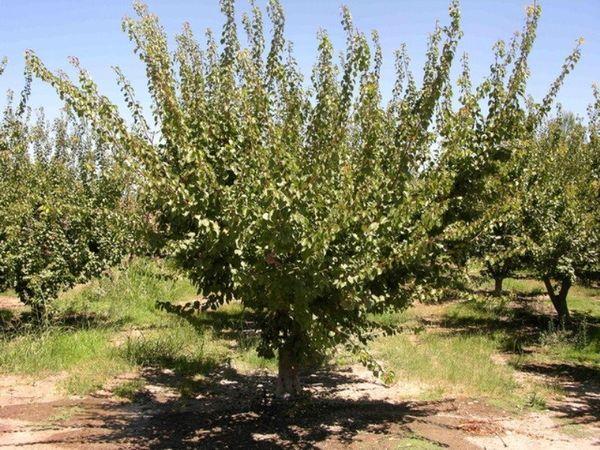
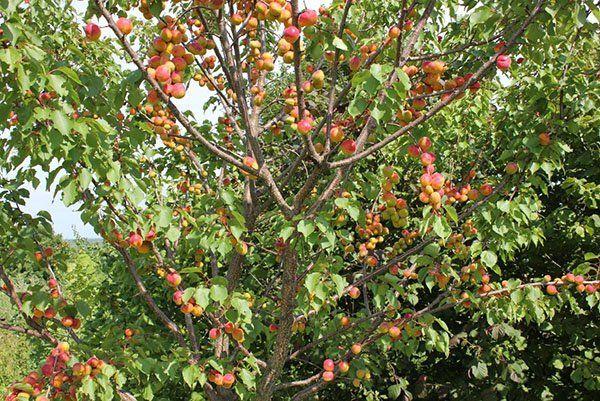
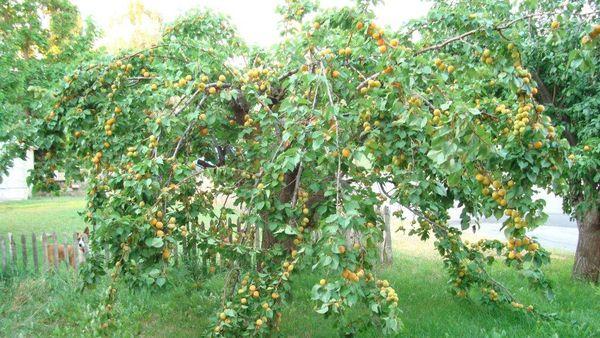
Trees of the Triumph Severny variety grow up to 4 meters tall, with large leaves and small tubercles along the edges, as well as branched branches. It is resistant to prolonged cold spells and sudden temperature drops. This variety can even be grown in northern climates, as it tolerates temperatures as low as -35°C (-35°F). During flowering, severe cold can negatively impact fruit development, but this is rare.
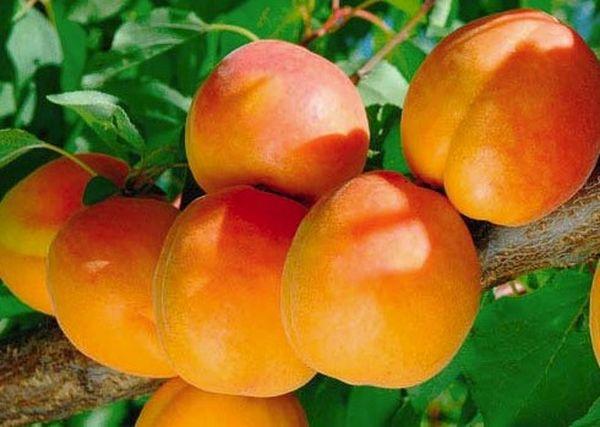
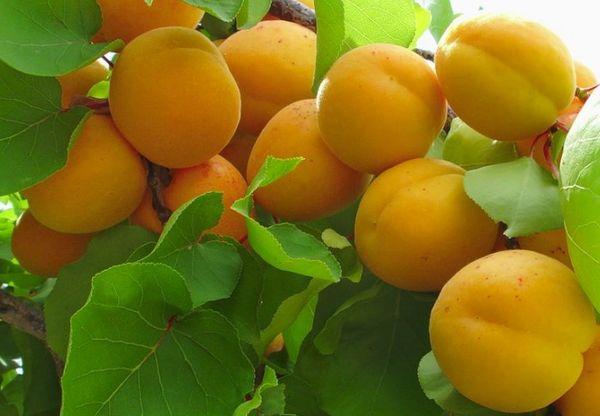
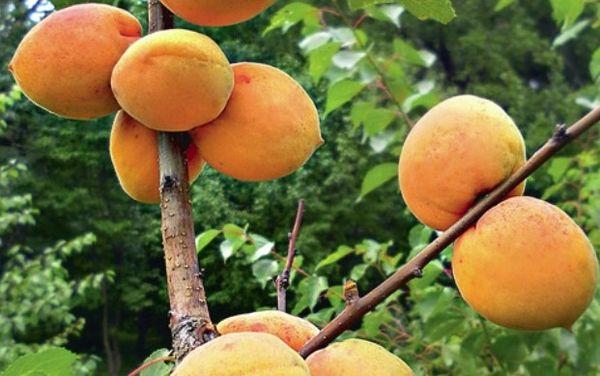
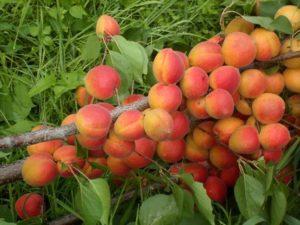
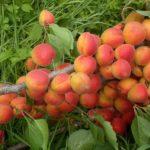
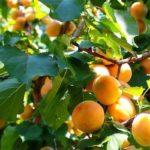
Apricots weigh approximately 60 grams and are oval and asymmetrical. The fruit has a sweet, tart flavor. They are yellowish-pink in color, with a thick, velvety skin and fine hairs. When the tree blooms, it turns into a white ball with a pleasant aroma.
With proper care, the Northern apricot lives for about 25 years.
Breeding history
The Triumph Severny apricot variety was developed by A. Venyaminov at the Peter the Great Institute. To create the variety, the Severny ranny and Krasnoshchyok varieties were crossed. Research was conducted in the southern Central Black Earth Region. The tree is zoned for this area.
Positive and negative qualities of the Triumph Severny variety
Apricot Triumph Northern has many positive aspects, but there are also negative sides.
| Pros | Cons |
| Rapid ripening of fruits | Irregular fruiting |
| Excellent apricot taste | Possibility of freezing of flower buds |
| High frost resistance | |
| Apricots are tightly attached to the stalks | |
| The variety is self-pollinating | |
| Resistance to diseases and beetle attacks | |
| The decorative effect of the apricot tree during flowering |
Harvesting and storing apricots Triumph Severny
Apricots ripen by the end of July, and the harvest continues until August 20th. A single tree yields 5 kg during the first fruiting flush. The variety begins bearing fruit actively in its fourth year. A single tree can yield up to 60 kg of fruit. Occasionally, there are lean seasons.
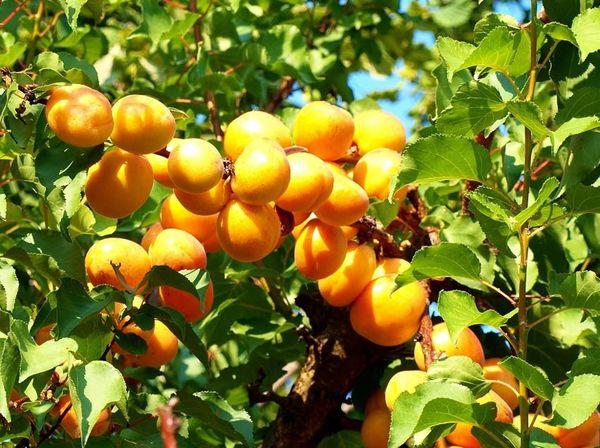
Fruits intended for immediate consumption or for drying, freezing, jams, compotes, and preserves are picked ripe. Fruits intended for transport are harvested at the technical ripeness stage. Harvesting should be done in dry weather, after the dew has evaporated.
If Triumph Severny apricots are picked during cold weather, their flavor deteriorates and they don't keep well. High temperatures are unsuitable for picking, as the fruit won't keep for long. It's best to harvest in the evening, after 5:00 PM.
Landing
The best time to plant apricots is April. Delaying planting is crucial, as the crop begins to sap early. Earthworks should be completed by then. In the fall, closed-root seedlings can be planted, or in southern regions. Avoid planting near other fruit trees or shrubs. Apricots of different varieties can be planted nearby.
Selection and preparation of planting material
It's best to plant apricots using seedlings. The rhizomes should be tightly covered, otherwise they can dry out. It's best to keep the planting material in the container it was sown in. This way, it will adapt better to the new soil and establish itself quickly.
A suitable place on the plot
Plant Triumph Severny seedlings in a location protected from drafts. Avoid placing seedlings in low-lying areas, as moisture accumulates there and the rhizomes can rot. The soil should be fertile and well-aerated. Loose soil with a pH of 6-7 is considered ideal. The groundwater table should be at least 2 meters below the surface.
Preparing the planting hole
Before digging the holes, the soil is tilled to the depth of a shovel blade and cleared of weeds. Two weeks before planting, dig holes measuring 60 x 70 cm. This allows the soil to settle and become oxygenated.
Planting diagram
The seedlings of the Triumph Severny apricot variety are planted according to the following algorithm:
- a garter stick is placed in the center of the hole;
- fill with crushed stone in a 3 cm layer;
- a 20 cm layer of soil is poured on top of the drainage;
- in the middle of the hill, create a funnel with a diameter equal to the rhizome of the seedling and fill it halfway with water;
- when the moisture is absorbed, the tree is placed, carefully distributing the rhizome over the mound;
- Cover the root system with soil, shaking the plant periodically to create an air cushion.
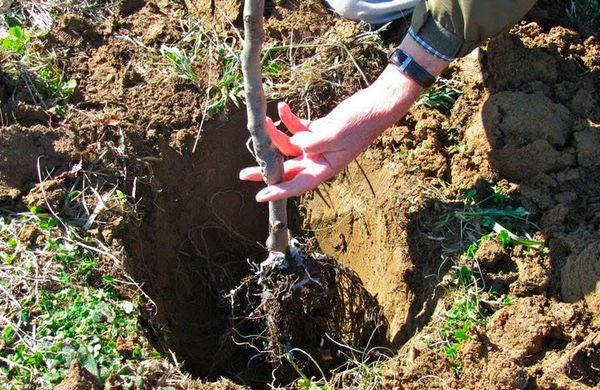 The required distance between plantings is 5 meters. Once excavation work is completed, the root collar should be above the ground.
Care
Apricot trees require regular care: water, loosen the soil around the trunk, treat for harmful bugs and diseases, and fertilize. Before winter, whitewash the trunk and protect it from the cold.
Top dressing
Apricot trees should be fed with nutrient compounds according to a schedule.
- Nitrogenous substances are applied three times during the growing season: shortly before flowering, after flower fall, and after ovary wilting. Apply 30 grams per square meter.
- Potassium compounds. These are applied when trees bear fruit. You'll need 40 grams per square meter.
- Superphosphate. It is added to pre-prepared furrows around the trunk. Fertilization is carried out before and after flowering. The nutrient solution is applied at a rate of 50 to 70 grams per square meter.
- Manure is added once every 2-3 years, 4 kg per 1 square meter.
Regular application of fertilizers improves fruiting and increases the immunity of trees.
Diseases, harmful insects
Apricot Triumph Severny is sometimes susceptible to certain diseases.
- Clasterosporium leaf spot is a hole-like spot on leaves. Affected plants can be treated with copper sulfate or Bordeaux mixture. Take 100 grams of the chosen solution and dilute it in 10 liters of water. Trees are sprayed in the spring, before they bloom.
- Moniliosis, or fruit rot, is identified by the discoloration of apricots. They turn brown, with cream-colored spots of fungal spores. The disease spreads quickly, infecting other trees. To reduce the risk of disease development, keep the trunk clean and whitewash it every fall. You can mix lime with copper sulfate. If the layer is washed away by rain, whitewash the main part again. Fruit rot is controlled with Bordeaux mixture or the chemical Horus. Take 100 grams of copper sulfate, dilute it in 10 liters of water, and spray the trees. Dilute Horus insecticide according to the instructions and spray it until the bloom appears. Then, repeat the procedure every week until the beetles completely disappear.
The above mentioned means can also be used to destroy other beetles, such as the hawthorn butterfly and plum stalk beetle.
As a preventative measure, it is necessary to promptly remove fallen leaves, prune trees, and dig up the soil in late autumn.
Whitewash
The trunk and skeletal branches are treated with whitewash. This treatment is a reliable and proven method for preventing attacks by harmful beetles, fungal diseases, and infections.
Whitewashing increases the tree's resistance to frost. To prepare the solution, take 10 liters of water, 2 kg of lime, 400 g of copper sulfate, 1 kg of clay, and 1 kg of cow manure. Mix the ingredients until smooth and apply to the apricot tree with a brush.
Young seedlings also need to be whitewashed; this procedure has a beneficial effect on their development, but lime is replaced with chalk.
Watering
Apricot trees require watering depending on rainfall. If there are occasional heavy rains, mature trees require less water, as their robust rhizomes can draw water from deep within the soil.
Young seedlings are watered more frequently, with 1-2 buckets of water per tree, approximately once a week. For irrigation, ditches are dug around the perimeter of the sapling, and water is poured into them. Afterward, the soil is loosened or mulched with humus and manure, which helps retain moisture in the root system. This also adds nutrients to the soil.
Preparing for the winter period
After the leaves fall, the season concludes and the tree is prepared for winter. If precipitation occurs, a moisture-recharging irrigation is performed. Potassium, phosphorus, and calcium fertilizers, as well as wood ash, are used as nutrients.
Seedlings are insulated, not only the rhizome but also the trunk and skeletal shoots, using burlap or other non-woven material. Mature trees of the Triumph Severny variety tolerate cold well, but to prevent frost cracks, the bark is peeled and whitewashed. The trunk is covered with a 15 cm layer of mulch. When snow falls, the trunk can be covered with it.
Trimming
Apricots need shaping Bush pruning, which is carried out according to a schedule. There are several types of pruning.
- Sanitary. This procedure is carried out in the spring or fall. Dry, damaged, and diseased branches are pruned and burned, as they may harbor pests and pathogens.
- Formative. This procedure is aimed at creating a beautiful crown for the Triumph Severny variety. It is performed after planting the young tree.
- Maintenance pruning. This procedure is performed to promote the active formation of new shoots and flower buds. It is carried out in parallel with sanitary pruning. All branches, except for skeletal ones, are shortened by 1/3.
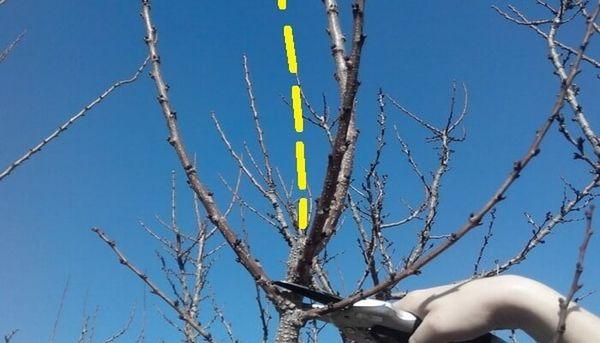
Mature Triumph Severny apricot trees often require pruning. If annual growth has decreased, branches are shortened to wood that formed two to three years ago. Every year in mid-April, shoots are cut back to the ring to eliminate stumps. The bush also requires thinning every growing season.
Shoots growing toward the ground, inward, and diseased and old specimens are pruned. Young and straight branches are left, while crooked ones are removed. Avoid pruning more than a quarter of the canopy to avoid shocking the apricot tree. Non-fruiting shoots are removed, as they consume a lot of the tree's energy.
Pollination of Northern Triumph
This variety doesn't require pollinators. Other varieties can be planted alongside it; they will attract more bees, increasing yields.
Growing from seed
You can grow the Northern Triumph apricot tree from a seed; this is an economical propagation method. Follow these guidelines.
- Select a beautiful, ripe Triumph Severny fruit. Remove the pit and soak it in water for 3-4 days.
- Afterwards, it is transferred to a container with wet sand. The container is covered with perforated plastic film.
- When the cracked seed sprouts, it is planted in the ground to a depth of 7 cm.
Sow the pits of the Triumph Severny apricot tree with sprouts in the garden in summer or spring. It's best to sow the seeds in May. Moisten the soil periodically and mulch with rotted manure. Over the summer, the seedling can grow up to 1 meter, and after a year, it can be transplanted to a permanent location or used as a rootstock for grafting.
Reviews
Gardeners' reviews of the Triumph Severny apricot variety will help you learn more about the variety and make a choice.
Rostislav Vakulenko, 69 years old, Kyiv
Greetings everyone! The Triumph Severny apricot is my favorite variety. The tree has been growing in my garden for about 10 years, producing delicious fruit. I use it to make jam, add it to baked goods, and eat it right away. It rarely gets sick, and I always take preventative measures.
Valentina Afanasyeva, 54 years old, Energodar
Hello! I have only positive experiences with the Triumph Severny apricot. I've had this variety growing in my garden since 2010, and I have four trees in total.
Victor Romanov, 72 years old, Zaporozhye
Hi everyone! I grow different varieties of apricots at my dacha, but I especially like the Triumph Severny. The fruits ripen in July, are medium-sized, and incredibly juicy. I can't think of any downsides. I don't insulate the trees for the winter.
Related posts:
 Planting and caring for apricots in the middle zone, description of the best varieties
 Is it possible to grow an apricot tree from a seed in your garden? How to plant and care for it?
 Description and pollinators of the Saratov Rubin apricot variety, planting and care
 Description and technology of growing the Tsarsky apricot variety
 Description and growing guidelines for the 15 best apricot varieties for the Moscow region
 Description and cultivation of the Manchurian apricot variety
 Description and characteristics of the Lel apricot, planting technology and care
 Description of the Melitopol apricot variety and cultivation technology