
- Description and characteristics of the variety
- Advantages and disadvantages
- Landing
- Deadlines
- Requirements for the location
- Selecting and preparing soil
- Preparation of planting material
- Planting diagram
- Using barrels
- Care instructions
- Watering
- Fertilizers and feeding
- Trimming
- Prevention of pests and diseases
- Moniliosis
- Clusterosporiasis
- Cytosporosis
- Preparing for winter
- Harvesting and processing of crops
- Reviews
Everyone knows that apricots are a heat-loving, southern fruit crop that requires plenty of sun and warmth to grow and bear fruit. Therefore, for most gardeners, farmers, and vegetable growers, growing apricot trees in temperate and northern climates remains a dream. Thanks to Ukrainian breeders, a new variety of this fruit crop has been developed that stands out from its peers for its frost resistance and high yield.
The new Black Prince apricot variety was developed by crossing the fruit with cherry plum and plum. Today, this hybrid variety has already gained popularity among gardeners and is actively cultivated in a variety of climates.
Description and characteristics of the variety
Apricot trees of this variety are compact, reaching a maximum height of 4 m. The crown is spreading but not too dense. The bark is dark green. Thorns appear on the branches of mature trees. The leaf blades are green, oval-shaped, with serrated edges, on a thin, short petiole.
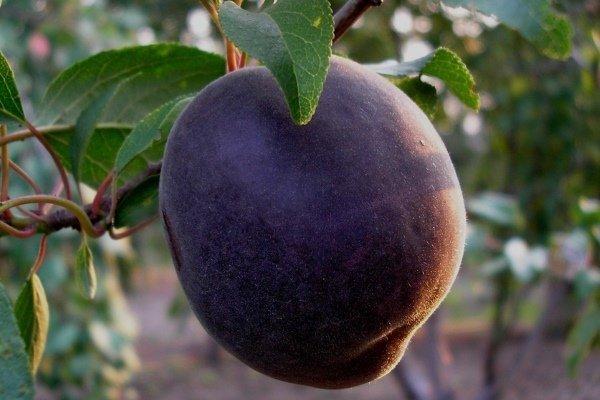
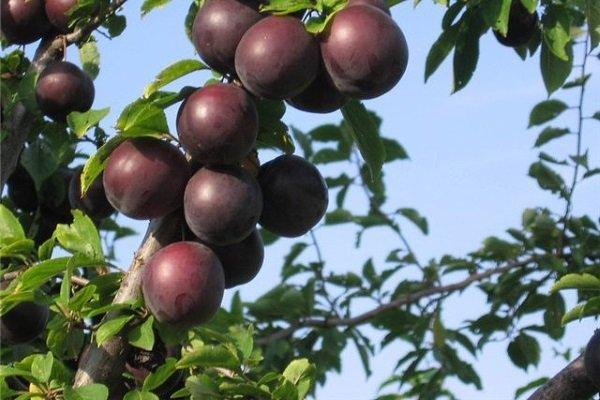
Unlike its southern relatives, the Black Prince has a late flowering period, which helps protect the fruit crop from spring frosts. The apricot tree blooms with numerous white and pink flowers. The fruit ripens in mid-August. When ripe, the fruits turn a dark purple, almost black. The flesh beneath the skin is burgundy, and closer to the pit, it's dark yellow. The pit is small and easily separated from the flesh in ripe fruits.
The Black Prince variety's fruit has a sweet and sour flavor, with a distinct apricot aroma. This hybrid apricot variety is not self-pollinating, so to ensure abundant harvests, it is recommended to plant nearby any apricot, cherry plum, or plum variety.
Interesting! The Black Prince apricot variety has been recorded as having the largest fruits among hybrid varieties of this fruit crop. In temperate climates, ripe fruits reach 40-60g, while in southern latitudes, they grow to 70-90g.
Advantages and disadvantages
Before growing the Black Prince apricot, it is necessary to understand all the advantages and disadvantages of this fruit variety.
Advantages of the variety:
- Natural immunity to major diseases and pests.
- Late flowering of the crop protects trees from frost and crop loss.
- High yield and excellent taste of fruits.
- Early fruit ripening. Ripe fruits are harvested as early as early August.
- Annual fruiting.
- High frost resistance allows for the cultivation of fruit trees in northern latitudes.
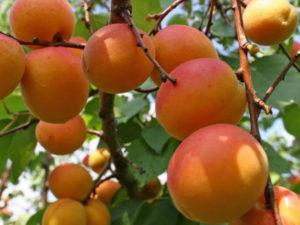
- Attractive and unusual commercial appearance for apricots.
 Important! The breeders who developed this fruit tree variety consider the Black Prince apricot to be the best representative of the hybrid cultivars.
Flaws:
- To bear fruit, trees need pollinating neighbors.
- As the fruit ripens, it becomes soft and loses its marketable appearance. Therefore, the harvest is usually made a few days before full ripening, when the fruit is still firm and elastic.
- Impossibility of long-term storage and long-distance transportation.
Ripe fruits fall from the trees and, due to their thin skin, crack and break.
Landing
The development and yield of fruit crops depend on the correct choice of location for planting seedlings and soil fertility.
Deadlines
Apricot is a southern plant, so warmer times of year are chosen for planting seedlings in open ground.
It's recommended to plant the Black Prince apricot tree in early spring, before the active growing season begins. Over the summer, the seedling will easily establish itself and begin to develop.
Fall planting of trees in open ground is not recommended in temperate and northern climates. In southern regions, fall planting is possible, but there is a risk that the seedlings will not have time to take root before the first frost.
Requirements for the location
Apricots are planted on the sunny, south-facing side of the garden plot. The trees do not tolerate strong winds, drafts, or nearby groundwater tables.
It is best if the plot of land with planted seedlings is covered by a high fence or building.
Selecting and preparing soil
Fruit trees aren't picky about soil composition. However, they thrive in mixed, fertile soil. For spring planting, the soil is prepared in the fall. The plot is thoroughly dug over, and the soil is mixed with peat, sand, humus, and clay.
Preparation of planting material
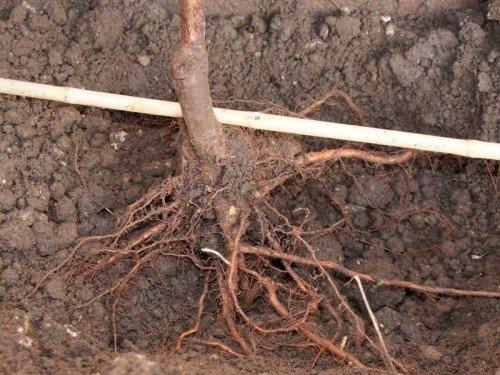
When purchasing an apricot seedling, pay special attention to the integrity and moisture of the plant's root system. Any damage, growths, or nodules can indicate the onset of serious fungal diseases. Before planting outdoors, soak the seedlings in a container of settled water for 3-6 hours, then treat the roots with preventatives.
Planting diagram
Work to prepare for tree planting is carried out in advance.
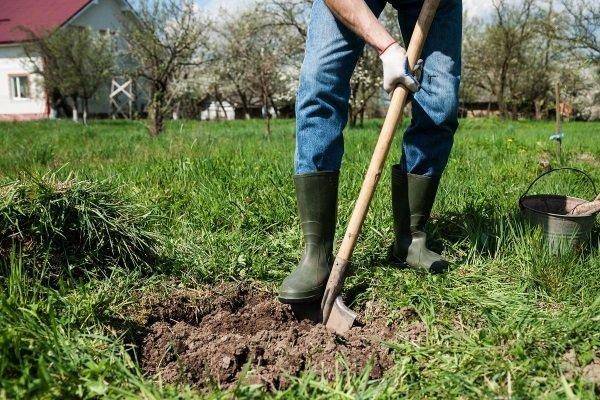
- 3-4 weeks before planting, holes are dug in the prepared soil.
- The depth and width of the holes for seedlings is at least 70 cm.
- Small stones or crushed stone are placed on the bottom of the hole.
- Next, a mound of fertile soil is poured into the hole and mineral fertilizers are added.
- A peg is installed on the side of the mound, which will serve as a support for the young tree.
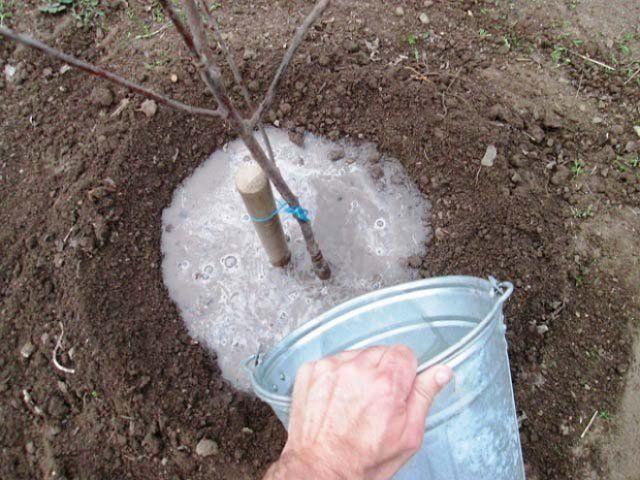
- A seedling is placed in the center of the hole, the roots are evenly distributed, covered with soil and watered generously.
Important! The root collar of the plant remains 5 to 7 cm above the soil level.

Using barrels
In areas with close groundwater or marshy soil, Black Prince apricots are planted in regular barrels. To do this, remove the bottom of the container and bury it in the ground. Leave 40-50 cm of the container above the soil surface. This way, flooding will not damage the tree's root system.
Care instructions
The tree's natural resistance to disease and pests, as well as its small size, make caring for this fruit tree easy. Timely watering, soil loosening, and fertilizing will help grow a healthy and fruitful plant.
Watering
During the growing and flowering period, trees are watered generously and frequently. From the second half of summer, watering is gradually reduced to prevent the active growth of young branches. After the fruit ripens and is harvested, irrigation is stopped completely.
Important! Loosening the soil and mulching the tree trunk area will help enrich the tree roots with oxygen and nutrients.
Fertilizers and feeding
When fruit set, apricots require additional nutrients. Fertilizers containing minerals and organic matter are suitable for this purpose. Fertilize trees no more than twice per season. Nitrogen fertilizers and fertilizers are not used when growing this fruit crop.
Trimming
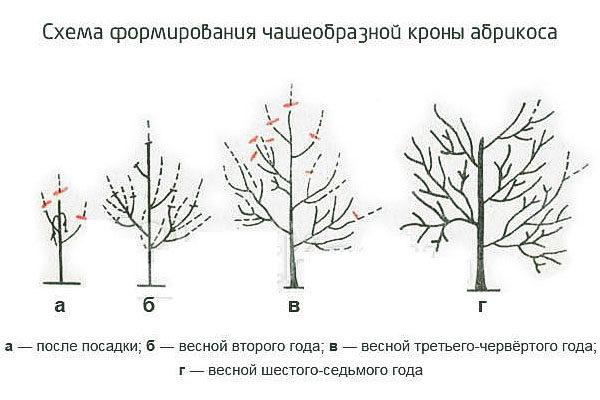
Tree pruning is done in early spring. Since the Black Prince apricot tree's crown is not dense, it requires virtually no formative pruning.
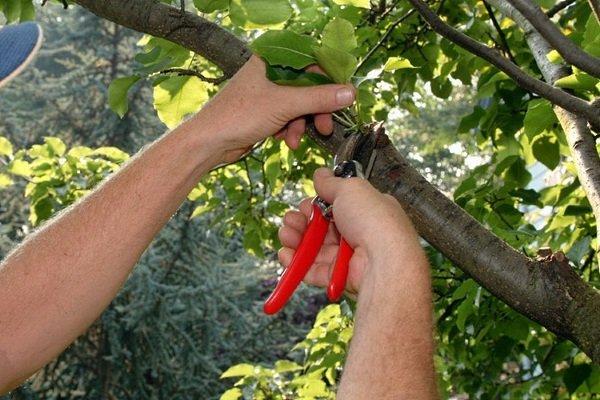
During sanitary pruning, all damaged, weak, diseased, broken and frozen branches are removed.
Tree pruning is carried out before the growing season begins. After pruning, the cut areas are treated with special antibacterial preparations or garden pitch.
Prevention of pests and diseases
Black Prince apricots are naturally immune to various diseases and pests. However, preventative measures taken in spring and fall strengthen the trees' resistance to intruders and fungi.
Moniliosis
The fungal infection gradually infects the entire tree. First, flowers and fruit buds are affected, then leaves and branches, and finally, the fruit tree dies completely.
To combat moniliosis, professional preparations are used, which are sold in flower shops and garden centers.
Clusterosporiasis
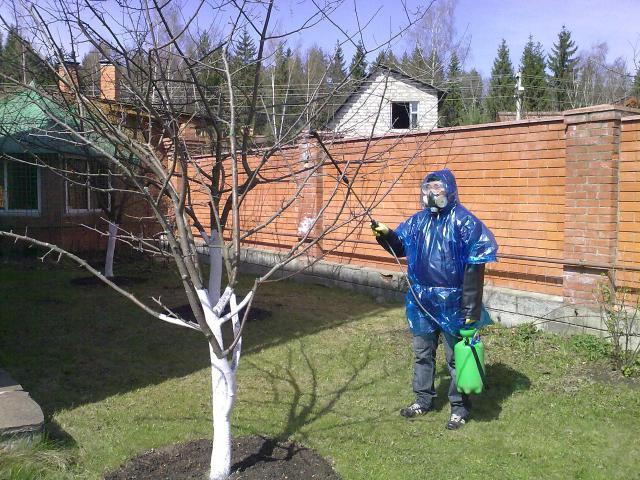
To prevent infection by clasterosporium, apricot trees are treated with copper sulfate or fungicide-based preparations in spring and autumn.
Cytosporosis
Cytosporosis is a fungal disease that develops on trees after unsuccessful pruning if the cuts are not treated. The tree dries out, dark streaks appear on the branches, and wounds develop in the bark.
Tree rescue efforts are effective only in the initial stages of the disease.
Fungus-infected parts of the tree are removed, and the wounds are sealed with garden pitch. Before treating the fruit tree, copper-based preparations are applied.
Preparing for winter
It's important to remember that apricots are a southern crop, meaning they love warmth. Although the Black Prince variety differs from its relatives in its increased resistance to subzero temperatures, they struggle to survive winters in temperate and northern latitudes. Therefore, trees are prepared for winter dormancy well in advance.
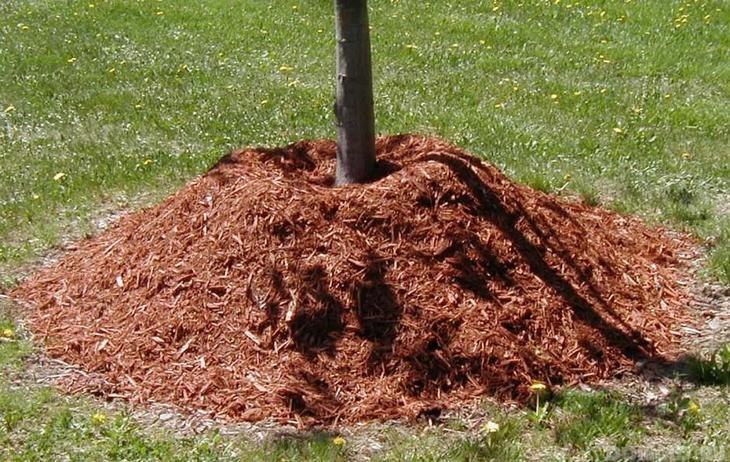
- The tree trunk circle is cleared of dried leaves and insulated with a thick layer of humus.
- The trunk is treated with a solution of lime or chalk, copper sulfate, and regular office glue. This will protect the tree trunk from rodents and small animals.
- Young seedlings are completely covered with special materials, burlap or wooden boxes.
 Important! Do not use synthetic materials that do not allow air or moisture to pass through to insulate plants.
Harvesting and processing of crops
If long-distance transport of apricots is planned, the fruits are harvested unripe. They will easily reach the required ripeness in crates and boxes.
Fully ripe fruits are recommended to be consumed raw, they contain many vitamins and nutrients.
Apricots are also used to make preserves, jellies, marmalades, nectars, and various desserts. The fruit is also frozen, dried, cooked, and canned.
Reviews
Marina Pavlovna. Volgograd.
I've been growing Black Prince apricots for five years now. I really like the ripe fruits—juicy, large, with a pleasant aftertaste of peach and plum. The trees are completely unpretentious. The only care required is occasional fertilizing and harvesting.
Inga Viktorovna. Tyumen.
Although we don't typically grow apricots here due to the cold climate, I tried planting some seedlings four years ago. I haven't regretted it for a single day. In September, we harvest delicious, juicy, aromatic, and healthy fruits, which we not only eat raw but also make into numerous preserves: jam, juice, and even fruit puree. We prune the trees for the winter and keep them well insulated.
Vitaly Dmitrievich. Shatura.
We bought Black Prince seedlings because of their disease resistance. And that's true. Last year, other fruit trees in the area were diseased, but the apricot tree was completely unharmed. We use the ripe fruit to make compotes, preserves, and freeze them.
Related posts:
 Description of the Black Prince strawberry variety, planting and care technology
 Description of the best varieties of black tomatoes for open ground and greenhouses
 Description and characteristics of the Black Prince tomato variety, yield and cultivation
 TOP 40 New Year's 2020 Meat Recipes Using Pork, Beef, Chicken, and Lamb
 TOP 40 Hot Dish Recipes for New Year 2020: What to Cook
 Description of black potatoes, their beneficial properties, varieties, planting and care features
 Planting and caring for apricots in the middle zone, description of the best varieties
 Description and characteristics of 14 varieties of the Bere pear variety, planting and care