
- Characteristics of the Black Prince variety
- History of origin
- Botanical description of the bush and shoots
- Flowering, pollination and fruiting
- Taste and use of berries
- Immunity and frost resistance
- Benefits of Growing
- Rules for planting in open ground
- The best predecessors and neighbors of culture
- Preparing the site and seedlings
- Timing and technology of planting works.
- Further care
- Watering and loosening the soil
- Feeding rules
- Feeding scheme
- Wind protection
- Preparing for winter
- Disease and pest control measures
- Reproduction methods
- Gardeners' reviews
The Black Prince strawberry variety has appeared in gardens and vegetable patches relatively recently, but has already established itself as a highly successful variety. This productive variety, developed through selective breeding, is characterized by high frost resistance, low maintenance, and unique, dark-colored fruits with a rich flavor and aroma.
Characteristics of the Black Prince variety
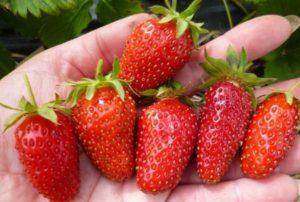
This new garden strawberry variety is recommended for growing in a variety of climates. It tolerates cold winters well, is drought-resistant, and produces high yields with proper care. But its most distinctive feature is the deep red with a lilac hue of the ripe berries. This characteristic is what gave the variety its name, "Black Prince."
History of origin
Italian plant breeders from Cesena have long been renowned for their development of hybrid berry varieties. They spent over 10 years working on the new Black Prince strawberry variety. The researchers set themselves the goal of developing an entirely new garden crop with the very best characteristics.
The Black Prince garden strawberry quickly gained recognition throughout Europe. The variety is included in the state registers of Ukraine and is actively cultivated in various regions of Russia and Kazakhstan.
Botanical description of the bush and shoots
This garden strawberry variety grows and develops quickly. The plants are tall, reaching their maximum height of 40 to 60 cm by the third or fourth year. The bushes are vigorous, with spreading, large, corrugated, bright green leaves and numerous tendrils. The older the plant, the fewer shoots it produces each year. Older plants may not produce any shoots at all.
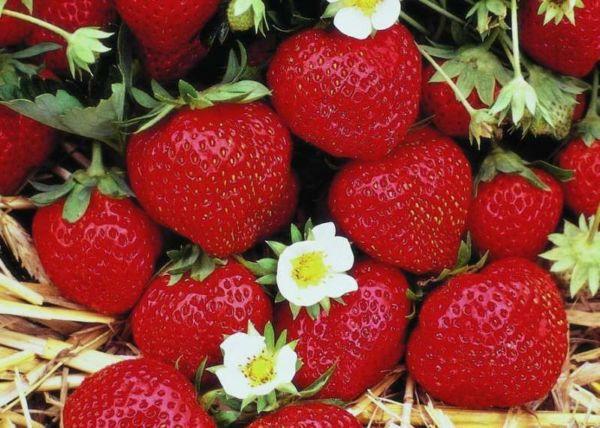
During the flowering phase, strong but short flower stalks appear on the bushes, so the heavy berries often end up on the soil surface during the ripening stage.
Flowering, pollination and fruiting
In mid-May, inflorescences consisting of 4-6 large male and female white flowers appear on the flower stalks. The variety begins bearing fruit in the second year after planting outdoors. Young plants produce up to 10 flower stalks, which produce ovaries during the growing season.
A mature bush produces up to 30 flower stalks. The Black Prince garden strawberry variety is self-fertile. The flowering and berry ripening period is long.
The first harvest of ripe fruit is collected in late June, and the last in early September. Each fruit bush produces up to 1.5 kg of ripe berries throughout the growing season. Bushes can bear fruit in the same location for up to seven years, after which time the plant needs to be rejuvenated and replanted.

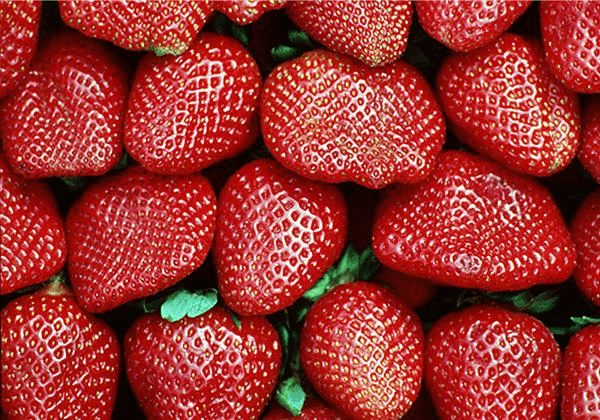 Important! The largest berries ripen at the beginning of the fruiting season; by the end of the season, the fruits become significantly smaller.
Taste and use of berries
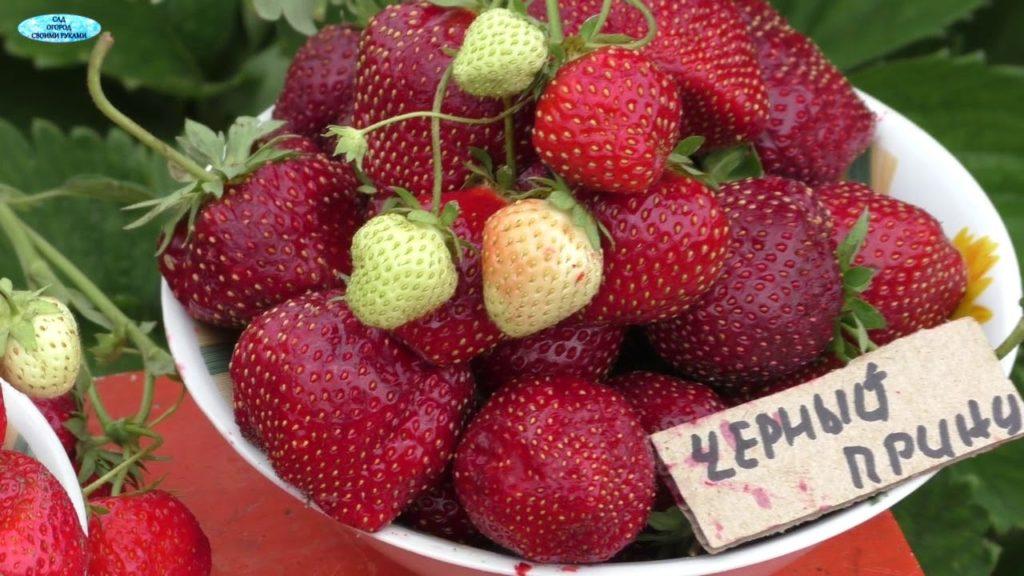
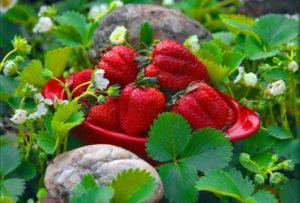
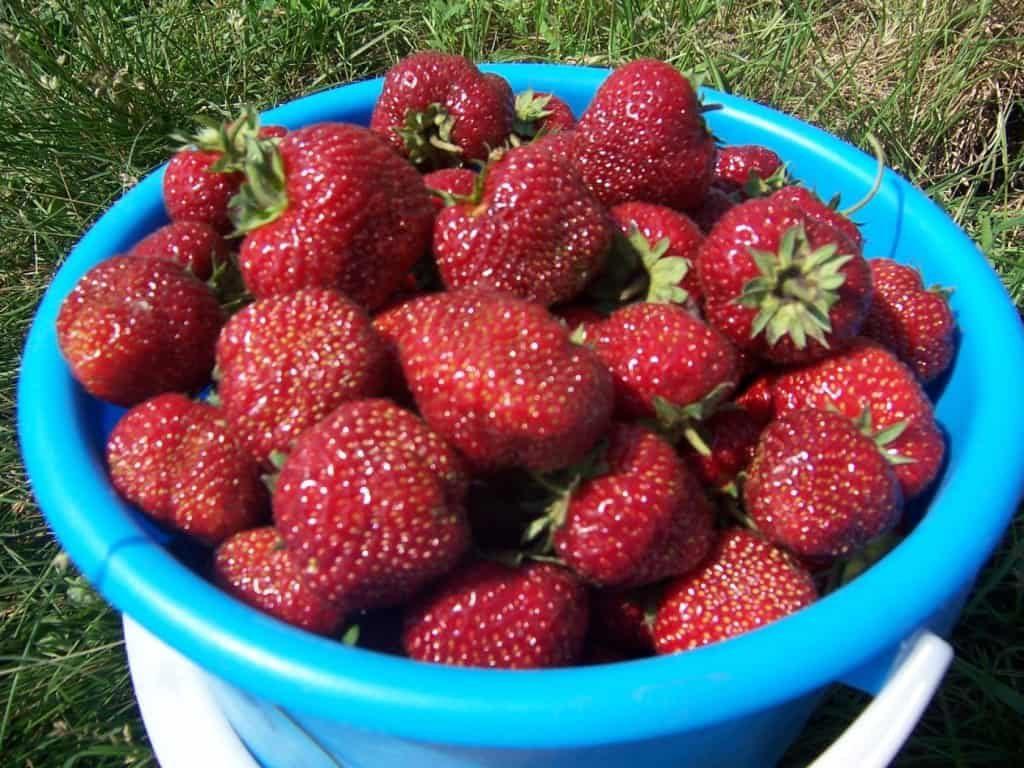
When ripe, the berries acquire a rich dark red color with a purple or black tint. The fruits are large, up to 50 g, without internal cavities, with juicy, dense flesh with a sweet-tart flavor and a strawberry aroma.
Ripe berries store well and are transported over long distances. The Black Prince variety is considered versatile, making it suitable for fresh consumption.
The fruits are also used to make compotes, preserves, jellies, and marmalades. They are also dried, frozen, used in confectionery, and added to dairy products.

Immunity and frost resistance
The variety was bred with enhanced resistance to subzero temperatures. Therefore, the Black Prince garden strawberry easily tolerates frosts down to -20-25 degrees Celsius and spring temperature fluctuations.
During dry periods, berry crops require additional care and watering.
Benefits of Growing
To grow healthy and fruitful berry bushes, it is necessary to study all the possible advantages and disadvantages of a variety.
Advantages of garden culture:
- Long fruiting period. Fresh berries are produced throughout the summer.
- High resistance to sub-zero temperatures.
- Natural immunity to fungal infections and pests.
- Excellent taste and commercial qualities of berries.
- Possibility of long-term storage and long-distance transportation of the harvested crop.
- With proper and timely care, you can obtain a high-quality and large harvest every year.
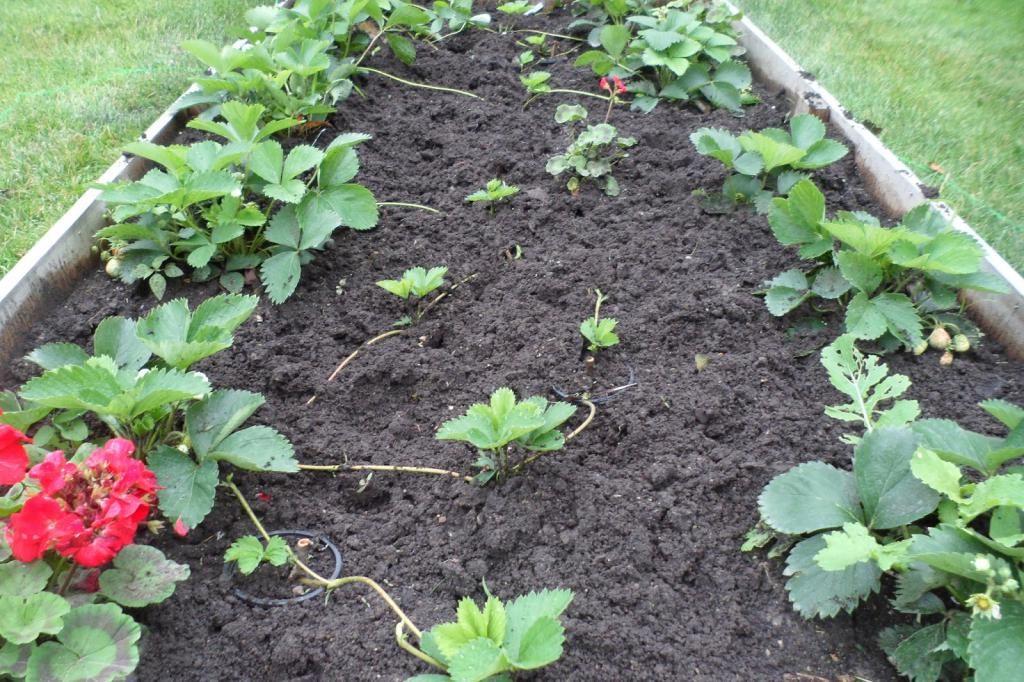
The Black Prince strawberry variety is easy to care for, making it suitable for cultivation in regions with varying climatic conditions.
Cons:
- During drought and high temperatures, strawberries require additional care.
- Short peduncles that bend towards the soil surface under the weight of the berries.
- Shoots stop growing in the 4th year of the plant’s life, which makes it difficult to propagate the fruit crop.
- During the fruiting season, the berries become smaller.
Black Prince strawberry bushes are tall and wide and require a certain size of land plot.
Important! Only fully ripe berries acquire a dark color. This is when they acquire the desired sweetness and juiciness.
Rules for planting in open ground
For growing berry crops, choose well-lit, level areas with deep groundwater deposits.
The best predecessors and neighbors of culture
Strawberries are very responsive to their neighbors and predecessors. It is recommended to plant strawberries after greens, lettuce, beans, peas, carrots, and garlic. To protect strawberries from pests and fungal diseases, calendula flowers, marigolds, or garlic are also planted between the bushes.
Note! Garlic is a natural soil antibacterial. After planting, the soil becomes clean and enriched with nutrients.

It is not recommended to plant berry bushes after tomatoes, potatoes, sunflowers and eggplants.
Preparing the site and seedlings
The soil for planting strawberry seedlings is prepared in advance.
- 2-3 weeks before the planned work, the land plot is thoroughly dug up and cleared of weeds.
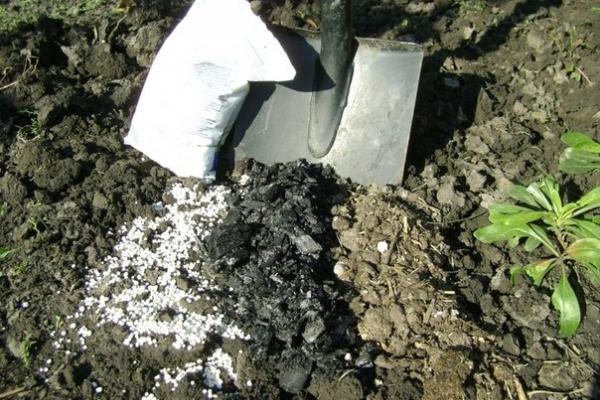
- The soil is mixed with humus, organic and mineral fertilizers.
- Lime or ash is added to soil with high acid content.
- Clayey, heavy soil is diluted with peat and sand; humus or compost is added to sandy soil.
- Two days before planting, the roots of the seedlings are treated with a growth stimulant and a weak solution of manganese.
 Tip! To strengthen the fruit crop's immunity, treat the soil with herbicides before planting.
Timing and technology of planting works.
The Black Prince variety is frost-resistant, so it can be planted outdoors in either spring or fall. Fall plantings are carried out from mid-August to October. The key is to allow the rhizomes to establish and take root before the first frost.
The beds with planted bushes are mulched with a thick layer of humus and dry leaves. The first harvest of ripe berries is already in the summer.
In spring, strawberries are planted in early May. The plants will develop and take root over the summer, but the first fruiting will occur a year later.
- In a pre-prepared area, dig holes 30-35 cm deep.
- The variety is distinguished by tall, spreading bushes, so the distance between holes is left at least 50 cm, and between rows from 70 to 80 cm.
- Warm, settled water is poured into the holes and fertile soil is laid out.
- The seedlings are placed in a hole, the roots are evenly distributed and covered with soil.
- The soil is lightly compacted and watered generously.
 Important! The core of the strawberry plant should be at least 1.5 cm above the top of the soil.
Further care
Although the Black Prince garden strawberry is unpretentious in care, it still requires watering, fertilizing, weed removal, and loosening of the beds.
Watering and loosening the soil
Young seedlings are watered thoroughly, including the foliage, using a fine-spray watering can. At the beginning of the growing season, plants require a lot of moisture, so they are watered daily.
As soon as the plants enter the flowering phase, watering is transferred to the rhizome and reduced to 1-2 times a week.
To ensure that moisture quickly reaches the underground portion of strawberry bushes and is retained in the soil longer, soil loosening and mulching are carried out.
 Important! Over-watering the soil encourages the growth of fungal and viral bacteria, which negatively impact the health and yield of fruit crops.
Feeding rules
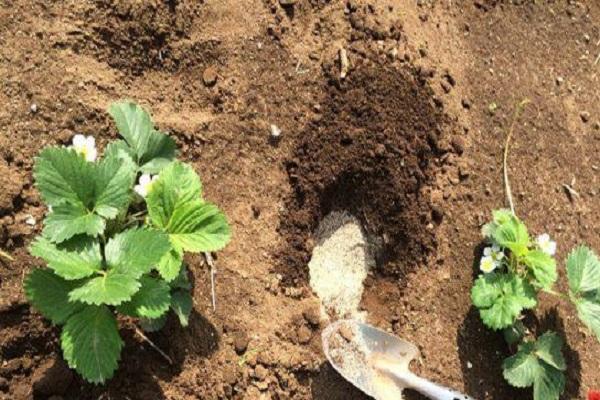
A productive crop requires additional fertilizers and supplementary feeding. Fertilizing the bushes is carried out immediately after irrigation.
Feeding scheme
During the season, the hybrid strawberry variety is fed several times.
- At the very beginning of spring, fruit crops require nitrogen-containing fertilizers.
- During the flowering and fruit setting phases, garden strawberries lack nutrients, so mineral complex fertilizers are used.
- During the berry ripening period, the crop is also fed with a balanced mineral complex.

In the autumn, before winter rest, organic fertilizers, humus or compost are added to the soil.
Wind protection
The Black Prince strawberry variety does not tolerate drafts and strong gusts of wind. The plot should be fenced on the north and northwest sides. Otherwise, the fruit will freeze during the winter.
Preparing for winter
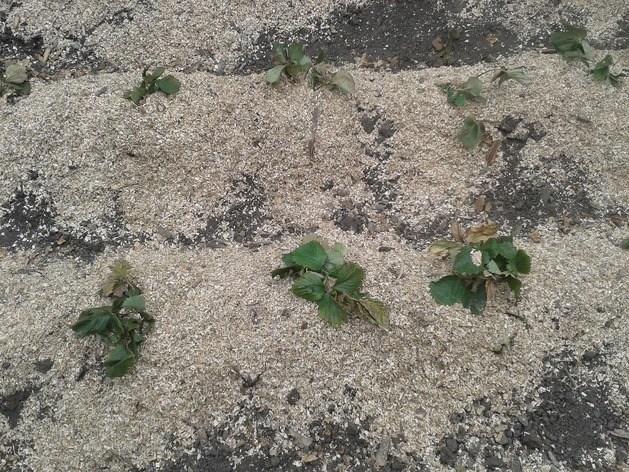
In the fall, dried, yellowed, and damaged leaves and shoots are trimmed from garden strawberries. The soil in the beds is loosened and mulched with compost, dry leaves, and spruce branches. Exposed roots are always covered with soil. As soon as the first snow falls, large snowdrifts are created in the beds.
Disease and pest control measures
This hybrid garden berry variety was developed with high resistance to diseases and pests in mind. However, to ensure plant safety, the bushes and soil are sprayed with professional fungicide and insecticide-based products in early spring. To prevent fungal infections, preventative treatments are also carried out in late fall.
Reproduction methods
When propagated by seed, hybrid varieties of fruit crops lose their varietal qualities and characteristics. Therefore, the best method for propagating the Black Prince garden strawberry is vegetative propagation.
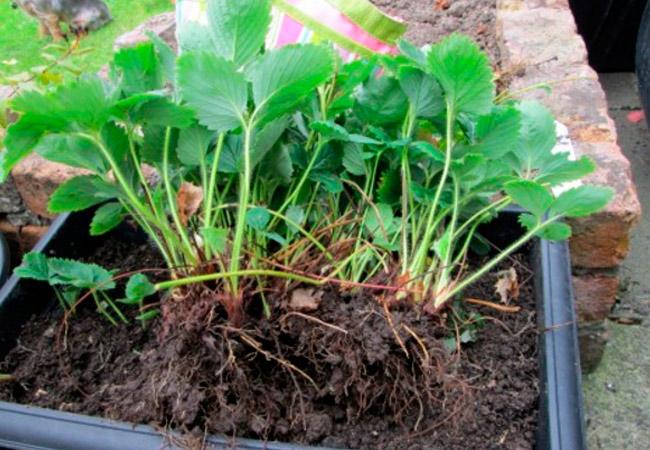
The easiest way to propagate strawberries is by runners, or shoots. However, this variety has a peculiarity: after four years of growth, the shoots stop growing. In this case, propagation and rejuvenation of the fruit crop is carried out by dividing mature bushes.
Gardeners' reviews
Gulnara, 51 years old, Kazan
The Black Prince strawberry is my favorite variety. It's so easy to care for that we only remember about it when the first berries appear. We planted this strawberry variety about four years ago, but the berries keep growing with each season.
Lyubov Nikitichna, 40 years old, Moscow region
My neighbor at the dacha shared some Black Prince tendrils with me. I'd noticed unusual, almost black strawberries in her garden for a while, but couldn't figure out the variety's name. I planted the seedlings last spring, and by the end of the summer, they were already huge bushes, and I had to pluck the flowers. The strawberries overwintered well, even without additional insulation. I'm expecting their first harvest this year.
Nikolai Sergeevich 58 years old, Belgorod
Our soil is so fertile that whatever you plant, it grows. Two years ago, my daughter brought me some Black Prince strawberry seeds as a gift. I'm old-school and skeptical of new varieties. For me, the best strawberry is the Festivalnaya. But I decided to give it a try and planted it. The seeds sprouted smoothly, and by spring, they were full-grown seedlings. I planted them in the garden, watered and weeded them the first year, and gave them a little fertilizer. But the second year, I got an absolutely incredible harvest of huge, almost black berries, sweet and aromatic.
Related posts:
 Description of the best varieties of black tomatoes for open ground and greenhouses
 Description and characteristics of the Black Prince apricot variety, planting and care
 Description and characteristics of the Black Prince tomato variety, yield and cultivation
 The best grape varieties for growing in the Urals, planting and care rules in summer
 Description of 36 of the best sweet and large varieties of gooseberries
 Descriptions of the 20 best cherry varieties for the Moscow region, their planting and care
 Description of black potatoes, their beneficial properties, varieties, planting and care features
 Beginner's Guide to Growing Grapes in Open Ground in Central Russia