
- Origin
- Description of the variety
- Description of the fruit
- Description of the bush
- Advantages and disadvantages
- What does it taste like?
- Disease resistance
- Early maturity
- Productivity
- Growing regions
- Distribution in Russia
- Varieties
- Chinese Truffle
- "The Black Woman"
- Peruvian Purple
- The Black Prince
- Purple Viking
- Scottish Black
- Landing
- Deadlines
- Place
- Soil preparation
- Seed treatment
- Planting pattern and depth
- Care Features
- Watering
- Top dressing
- Weeding
- Loosening the soil
- Hilling
- Pests and diseases
- Harvesting and storage
- Consumption
- Conclusion
Black potatoes are becoming increasingly common in Russian gardens. This complex vegetable, with its vibrant flavor and disease resistance, has gained many fans worldwide. Its popularity stems from its significant energy value, flavor, and ease of cultivation. Even despite its low yield, this vegetable is becoming a regular guest on our tables.
Origin
The origin of the colored-fleshed potato is most likely in the South American countries of Peru and Bolivia. It was there that black or dark purple varieties were first discovered. It is also believed that this vegetable is the product of selective breeding by scientists in the 18th and 19th centuries.
Description of the variety
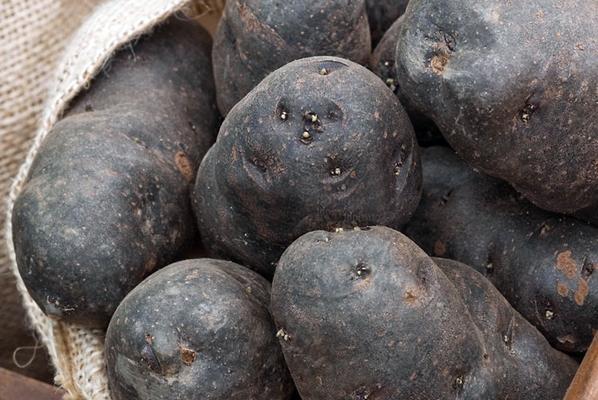
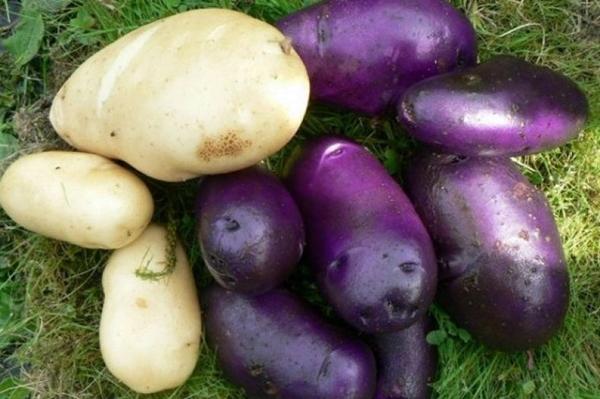
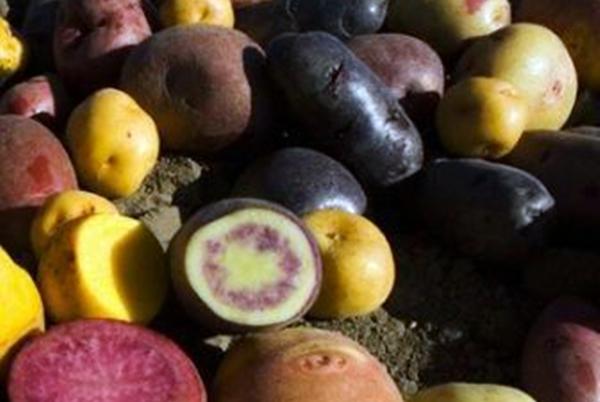
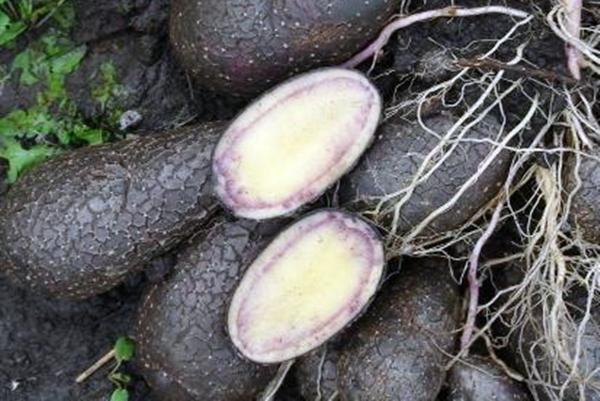
The dark potato "Black Prince," or another similar variety, is easily recognized by its distinctive appearance. The tubers have thick skin and are as dark as the flesh. Their appearance is often irregular and oblong. The above-ground portion is lighter.
Description of the fruit
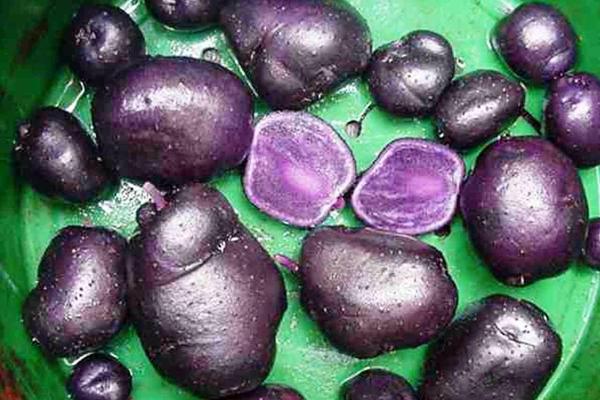
The fruit of these potato varieties is almost never round, but always oblong. The skin is the same color as the flesh, but darker, almost black. The flesh often has white veins. The taste of the fruit differs from that of typical varieties. It is also richer in antioxidants and vitamins.
Description of the bush
Bushes may vary in appearance depending on the variety. The main differences are in the height and bushiness of the plants. The average height reaches 50-65 centimeters. Some varieties have taller and shorter stems. They are always upright.
Advantages and disadvantages
Many of the advantages and disadvantages of this vegetable depend on the specific variety. However, due to its general characteristics, the following positive qualities stand out, attracting gardeners:
- original appearance of fruits;
- decent taste qualities;
- the ability to be stored for a long time and retain its marketable appearance;
- more beneficial properties and vitamins;
- disease resistance;
- resistance to heat and drought.
Black potatoes have a number of disadvantages that should be taken into account when deciding to grow them:
- inability to grow as a field crop;
- low yield even in the best varieties;
- plant-specific diseases.
First of all, due to its low yield, this potato is not suitable for farmers as a main commercial crop.
What does it taste like?
Black potato varieties vary in taste. However, according to specialized publications, all types of this plant share the same flavor characteristics. This includes a nutty flavor.
Additionally, these potatoes cook faster than standard white varieties and retain their color in dishes containing them.
Disease resistance
Every gardener wants to grow plants that are as disease-resistant as possible and don't require frequent pesticide treatments. Black potatoes are one such vegetable. They are resistant to most diseases common in Russian gardens.
Early maturity
As with most other garden plants, the ripening time of root vegetables depends entirely on the variety chosen. There are both early and late varieties. On average, the harvest is ready 90 days after planting. Early varieties are ready to harvest in 70 days, while late varieties take 110 days.
Productivity
Although black potato yields vary significantly between varieties, they are generally unimpressive. This is the main reason for the vegetable's limited popularity as an industrial field crop.
Growing regions
This plant is grown throughout virtually every populated area of the globe, with the possible exception of the Far North. This is due to the vegetable's ability to easily tolerate both humid and dry climates.
Distribution in Russia
Black potatoes have become widespread in Russia in recent years. Gardeners and vegetable growers in most regions are familiar with the varieties. However, as noted, the vegetable is not grown as a primary table crop.
Varieties
In Russia, you can explore the results of black potato breeding. Domestic gardeners have access to varieties with varying maturity, yield, and flavor characteristics. The most commonly grown varieties in Russian gardens are:
- "Chinese truffle";
- "The Black Woman";
- "Purple Peruvian"
- "The Black Prince";
- "Purple Viking"
- "Scottish Black".
These varieties are suitable for the climatic conditions of both the southern and central regions of our country, as well as Siberia and the Far East.
Chinese Truffle
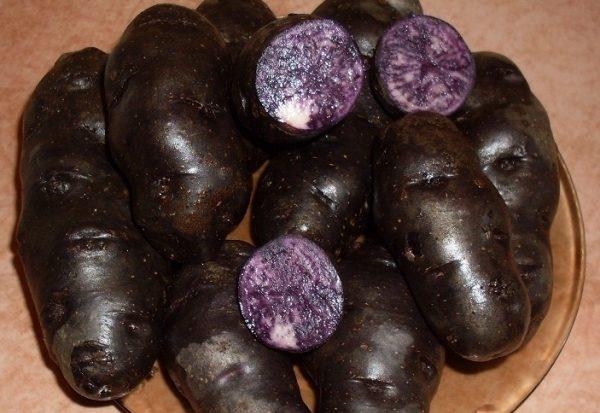
This is a mid-season variety. Harvesting begins 80 days after planting. The roots are oblong, but not elongated. They have thick skin, which allows for a long shelf life.
"The Black Woman"
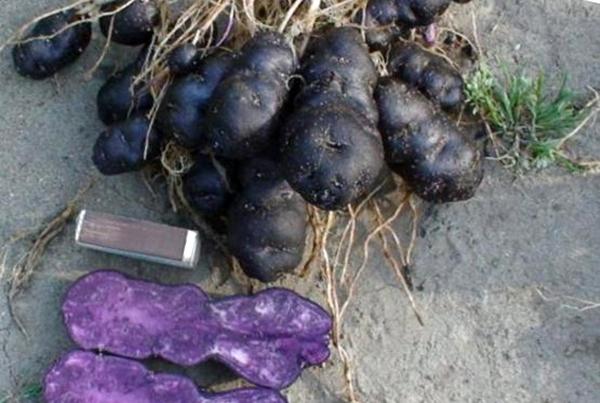
One of the most common early varieties. Ready for harvest 70 days after planting. Distinguished by its unique coloring. Resistant to scab and root rot. Distinctive flavor.
Peruvian Purple
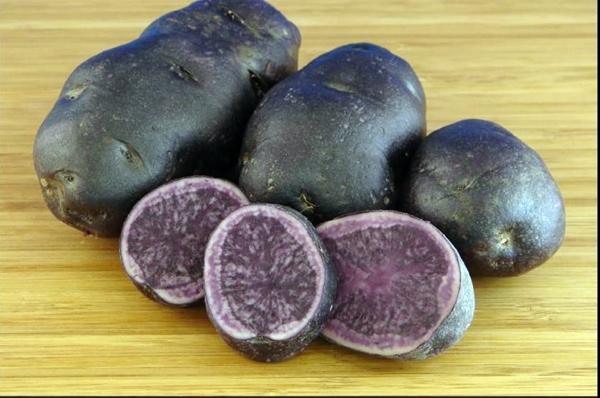
Considered the most delicious of all black potato varieties, it has been cultivated for over 200 years. The roots are elongated, weighing up to 80 grams. The flesh is bright purple. It bears fruit late, after 100-110 days. It is susceptible to disease.
Take a look Also
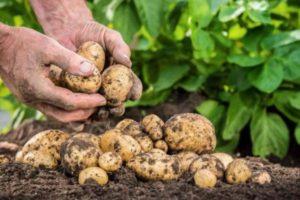
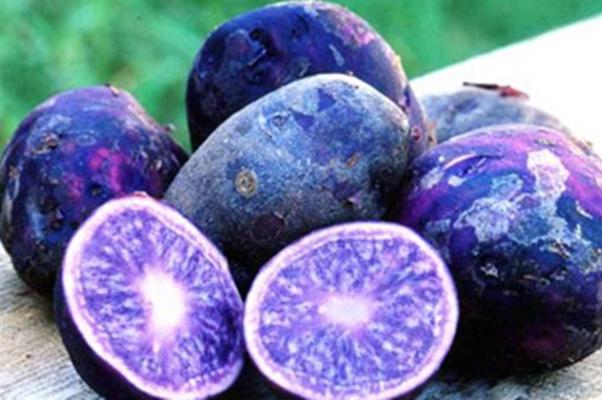
The Black Prince
A popular early variety, harvesting in just 70 days. The fruits are elongated and dark. They weigh a hefty 150 grams for a vegetable of this size. They boast resistance to a wide range of diseases and pests:
- golden nematode;
- late blight;
- scab;
- root rot;
- potato crayfish;
- black leg.
This explains the wide success of the variety among gardeners.
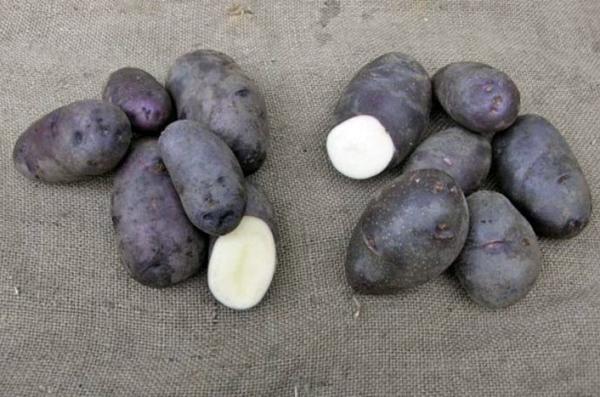
Purple Viking
A mid-early variety with round, slightly elongated roots. Resistant to some diseases and produces a good yield. The potatoes are large and tasty. The color is bright purple.
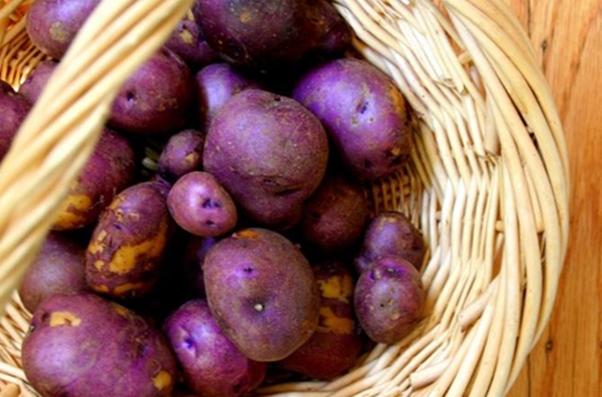
Scottish Black
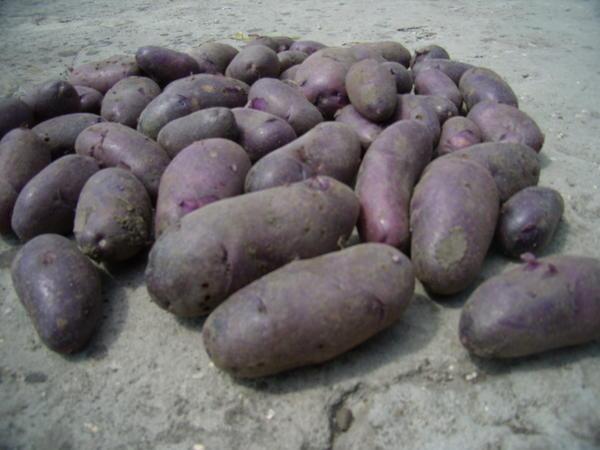
A dark purple, early-ripening variety. Like other early varieties, it's fully harvestable within 70 days. The flesh is easy to cook and light in color. Resistant to diseases such as powdery mildew, it's suitable for cool, humid climates.
Landing
The rules for planting black potatoes are essentially the same as those used for growing traditional varieties. If you follow simple farming principles, you'll never have a problem harvesting.
Deadlines
The timing of vegetable planting depends entirely on the climate conditions of the area where you plan to grow it. Remember that root vegetables depend on soil temperature, so plant when the soil warms up to an average of 10 degrees Celsius.
Place
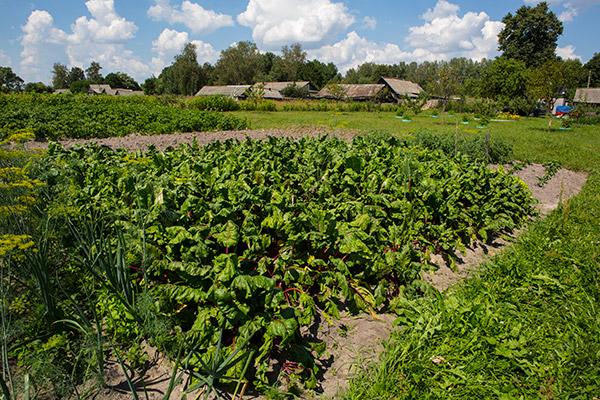
Grow such potatoesLike white, it thrives in a sunny and ventilated area. The area should not be prone to flooding, so low-lying areas are unsuitable. The soil should be light.
Soil preparation
Prepare the land for planting potatoes Planting begins in the fall. To do this, dig up the soil and add fertilizer. The best fertilizer for this vegetable is a mixture of humus and ash. The ratio is 10 kilograms per square meter. The area is also sown with green manure. After the herbs sprout in the spring, they are dug into the soil. Humus mixed with ash is also added to the planting holes.
Seed treatment
The selection of planting material is approached with care. In the fall, tubers with damage and signs of disease are selected. In the spring, those root crops that did not survive the winter well are again discarded.
Preparing the seeds for planting begins a month before transplanting them into the soil. The roots are placed in the sun to develop a salting agent, which makes the tubers poisonous to rodents. Ten sunny days are enough for the required amount of salting agent to accumulate, after which the vegetables are moved to a bright, ventilated area.
Planting pattern and depth
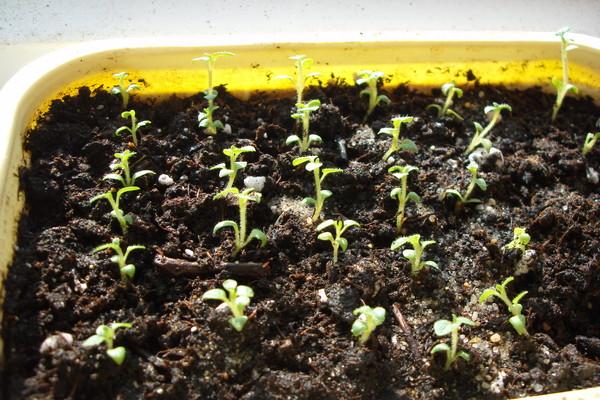
The planting pattern depends on the soil type. In loamy and black soil, potatoes are planted in holes 10 centimeters deep, spaced 30 centimeters apart. In sandy soil, the vegetable is planted in trenches up to 12 centimeters deep, spaced 25 centimeters apart. For wet soil, a ridge-and-ridge method is used, spaced 50 centimeters apart.

Care Features
Black potatoes require the same care as any other type of this plant.
Watering
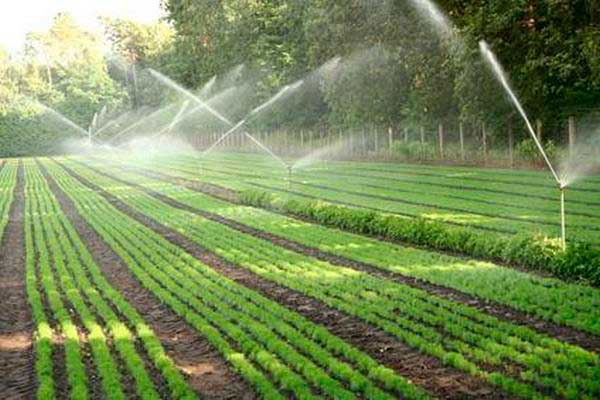
Potatoes require timely watering while growing. However, there are periods when the vegetable requires especially generous watering:
- when budding occurs;
- when the plant blooms;
- immediately after flowering.
Both drip irrigation and sprinkling are used.
Top dressing
This vegetable thrives on fertilizer. The first application is two weeks after germination. Fertilize with urea and liquid mullein. The second application is immediately after flowering, when the harvest begins. Use potassium sulfate at a rate of 500 milligrams per plant.
Weeding
Weed the potato beds regularly to prevent weeds from growing.
Loosening the soil
The soil requires loosening every time a crust forms on the surface.
Hilling
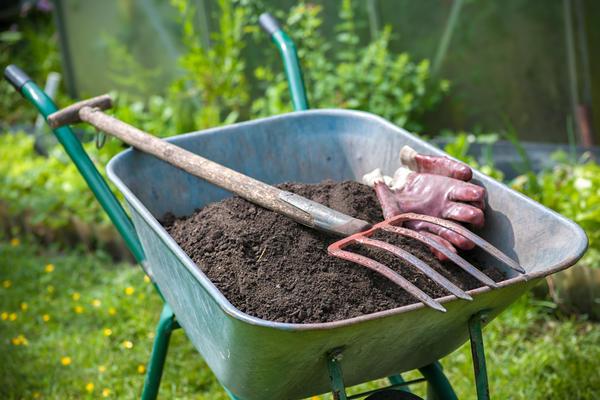
Hilling improves aeration, so it's done regularly. The first time, when the bushes reach 20 centimeters, and then at least twice more.
Pests and diseases
As noted above, many varieties (in particular, ‘Black Prince’) are resistant to diseases and pests.
Harvesting and storage
Before digging up the tubers, the bushes are mown down, allowing all the plant's sap to flow into the roots. The harvest is then stored in a ventilated area, sprinkled with sawdust.
Consumption
They are eaten in the same way as white potatoes and can be fried or boiled.
Conclusion
Growing black potatoes is not much different from growing traditional white varieties. They are hardy and, despite their low yield, boast excellent flavor.
Related posts:
 Description of the best varieties of black tomatoes for open ground and greenhouses
 Description of the best potato varieties of domestic and foreign selection
 TOP 40 New Year's 2020 Meat Recipes Using Pork, Beef, Chicken, and Lamb
 TOP 40 Hot Dish Recipes for New Year 2020: What to Cook
 Why potatoes aren't growing well in the garden, and what to do to ensure a bountiful harvest
 Description and characteristics of the Rodrigo potato variety, cultivation and care
 Description of the best potato varieties for 2025, selection for regions
 Description and treatment of potato diseases, methods of control using folk and chemical means