
- Why should varieties be separated?
- Can different varieties planted next to each other cross-pollinate?
- What is cross-pollination and how does it affect the yield of berry crops?
- Will strawberries degenerate?
- Specifics of the neighborhood of ordinary and remontant varieties
- Can strawberries cross-pollinate with wild strawberries?
- Valuable tips and experiences from gardeners
Everyone knows that the most delicious and aromatic strawberries ripen in your own garden. Fans of this delicious berry plant many varieties with different flavors and ripening times, often facing a dilemma: can different strawberry varieties be planted in the same plot, even close to each other, or does this placement affect the yield?
Why should varieties be separated?
Planning a country plot requires a serious and meticulous approach. When planting vegetables and berries, their individual characteristics and compatibility are taken into account. Particular attention is paid to crops that will grow in the same location for several years.
Advance planning is also important when growing strawberries. It helps avoid certain mistakes:
- allows you to clearly and accurately determine the variety and ripening period of berries in each bed;
- prevents the whiskers of different varieties from intertwining with each other;
- allows you to select and plant in a different location plants with the desired qualities and characteristics;
If the garden plot is small and planting different varieties in separate beds is not feasible, it's common to plant strawberries in rows. Any available materials placed between the rows will help prevent the runners from intertwining.
Can different varieties planted next to each other cross-pollinate?
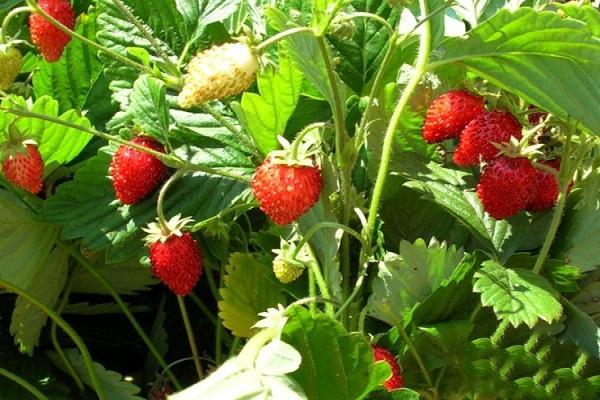
When planting several varieties within a single plot, active cross-pollination occurs, whether intentionally or not. This is facilitated by bees, bumblebees, and other insects. However, this does not affect the developing plants or ripening fruits in any way: the characteristics and quality of the variety remain unchanged.
If berries in a garden plot are becoming smaller and other changes in plant development are observed, cross-pollination has nothing to do with these processes.
However, if berries ripening in such conditions are intended for seed production, there's a high probability of producing plants with new qualities and characteristics. This is how breeders develop new varieties. They sow large areas and select specimens with new, unique properties from cross-pollinated bushes. These are typically rare and undergo careful selection.
Take a look Also
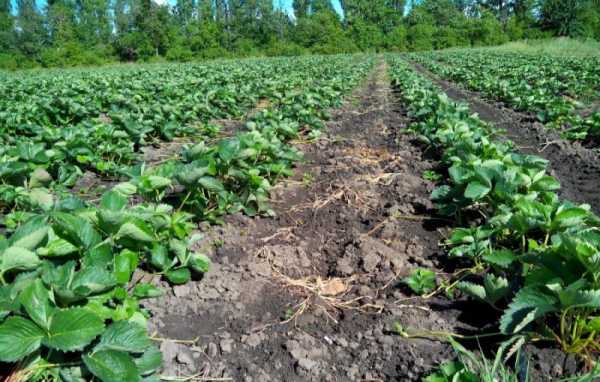
To summarize: the distance between different varieties is irrelevant, and they can be planted in the same bed. Cross-pollination affects only the ripening seeds. Seed propagation may result in isolated cases of ripening fruits with new characteristics. This characteristic is characteristic not only of this crop but of all plants in the garden. When propagated by runners, cross-pollination is irrelevant. The new plants retain all the characteristics of the mother plant.
What is cross-pollination and how does it affect the yield of berry crops?
Bees and other insects actively moving around a garden plot transfer pollen from one plant to another. This results in double fertilization, in which maternal and paternal traits are combined. This is how breeders develop new varieties of cross-pollinated crops.
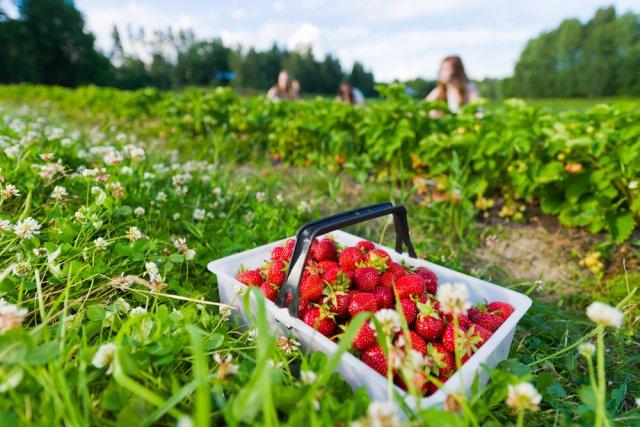
Strawberry fruits ripen on the receptacle and retain only maternal traits. Transferred pollen has no effect on fruit ripening or subsequent plant development.
Will strawberries degenerate?
Strawberry degeneration in suburban gardens is not uncommon. This occurs as a result of:
- seed propagation;
- freezing of plants during the period of recurrent frosts;
- damage to buds by pests;
- age of the bush.
Cross-pollination and degeneration are not related to each other in any way.
Specifics of the neighborhood of ordinary and remontant varieties
Experienced gardeners, whenever possible, try not to plant everbearing and regular varieties in the same bed. This is because everbearing strawberries are more demanding in terms of care and require a more individualized approach.
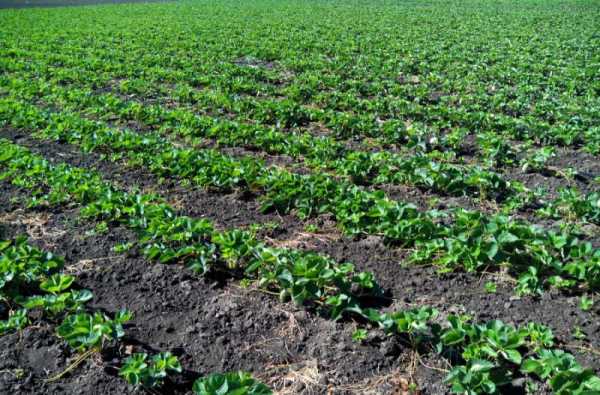
Growing regular and everbearing strawberries together affects the yield, one way or another. Cross-pollination plays no role. However, when growing everbearing strawberries for seed, gardeners may encounter surprises when planting different plants together in the same bed.
Can strawberries cross-pollinate with wild strawberries?
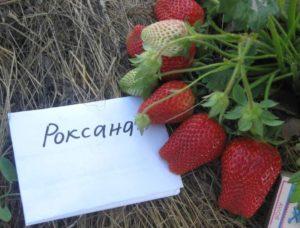
Strawberries are self-pollinating, as they produce both pistils and stamens on the same plant. They produce excellent fruit regardless of the presence or absence of nearby strawberries, and cross-pollination does not affect the yield of either berry.
Valuable tips and experiences from gardeners
To successfully grow strawberries and produce large harvests, experienced gardeners practice interplanting different plants. Strawberries are no exception.
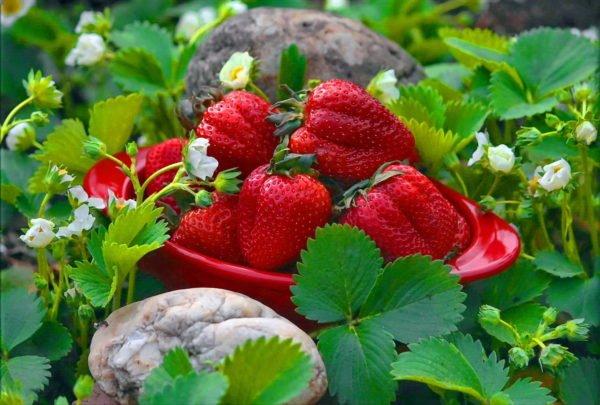
The following fruit plants have a positive effect on berry yield:
- beans;
- peas;
- carrot;
- radish;
- radish.
When planting these crops in the same bed, it is necessary to take into account the growth of each of them to prevent shading.
Garlic or onions planted around the perimeter or in the center of the bed will help protect strawberries from late blight and rot. Tulips and irises will increase fruit production. Marigolds will repel onion flies, weevils, and other pests, and also provide good protection against fusarium wilt.
Strict adherence to agricultural practices helps grow strong, healthy strawberry bushes with high yields. The number of varieties and their placement within the plot are irrelevant.
Related posts:
 Description of the Florence strawberry variety, planting and care features
 How to grow strawberries at home
 Description and characteristics of the Vima Zanta strawberry variety, planting and care scheme
 Description of the Holiday strawberry variety, cultivation and propagation methods
 Description of the everbearing strawberry variety Selva and cultivation technology
 Description and characteristics of the Korona strawberry variety, planting and care scheme
 The best varieties and cultivation of everbearing strawberries, fertilizing and propagation
 Description of the Malling Pandora strawberry variety, planting and care