
- Botanical description and characteristics
- Advantages and disadvantages of everbearing strawberries
- Varieties
- Full daylight hours
- Short daylight hours
- With and without a mustache
- The best varieties
- Autumn fun
- Queen Elizabeth II
- Selva
- Vima Rina
- Galya Chiv
- Russian size
- Lyubasha
- Landing features
- Preparing the beds
- Dates and methods of disembarkation
- On the ground in the beds
- Under a thick covering material
- In bags
- Vertical method
- Plant care during the active growing season
- Watering and fertilizing
- Trimming
- Weed removal
- Strawberry diseases and pests
- Relocation to a new location
- The beginning of fruiting
- Collection and use of fruits
- How to propagate a crop on a plot
- Seeds
- By dividing the bush
- Reproduction by whiskers
- Basic mistakes
Everbearing strawberry varieties boast a remarkable diversity. This plant produces a full harvest and is characterized by excellent flavor. To achieve excellent growing results, it requires high-quality and comprehensive care. This includes proper planting, timely fertilization, watering, loosening the soil, and weed control.
Botanical description and characteristics
Everbearing strawberries have certain characteristics. First and foremost, they differ in the formation of fruit buds. These crops form them during the long-day or neutral-day period, while regular strawberries do this during the short-day period.
Everbearing varieties produce a consistent harvest twice a season. This occurs in July and August. The second harvest yields significantly more fruit than the first.
Advantages and disadvantages of everbearing strawberries
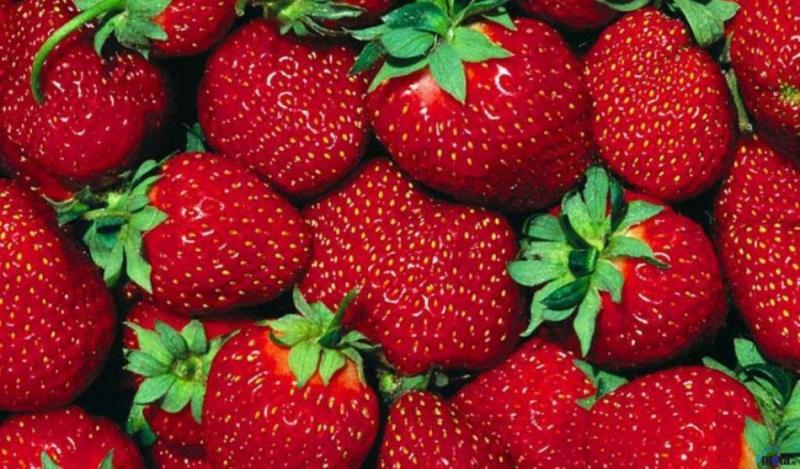
This strawberry differs from the common variety in that it ripens early. It also boasts large berries and several fruiting periods. This also differentiates it from common varieties. The advantages of growing this type of strawberry include the following:
- rapid growth;
- good yield in the year of planting;
- resistance to spider mites and other insects and diseases;
- great taste;
- good decorative properties.
The only drawback of this crop is the need for annual replanting. The problem stems from the crop's rapid aging.
Varieties
Plant rejuvenation depends on bud formation. This process is influenced by daylight hours.
Full daylight hours
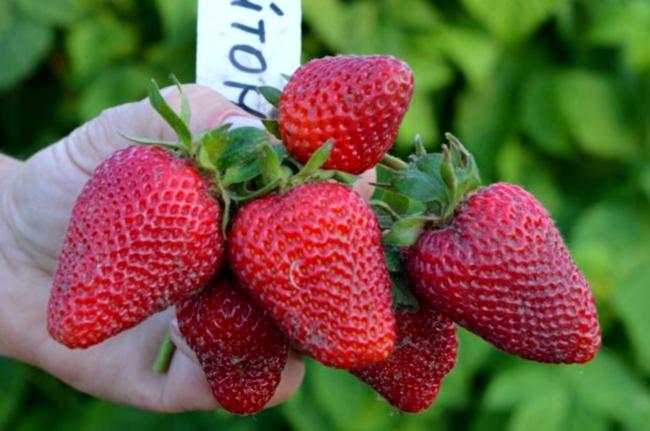
These varieties develop buds during 16 hours of daylight. This also triggers the formation of ovaries. Strawberries are capable of producing two harvests. The first occurs in June, the second in late August. In subsequent seasons, productivity gradually declines. This situation necessitates replanting the bushes, replacing them with strong, young ones.
Short daylight hours
These varieties set flower buds in the fall, allowing for a harvest in June. Strawberries are easy to propagate, as mature bushes have numerous runners. However, these varieties are somewhat less common.
With and without a mustache
Depending on the propagation method, strawberries can be either with or without runners. The former is considered more convenient, producing a harvest within just a few months of planting. Runner-less varieties are somewhat less common, as they can only be propagated by seed. They are also more resistant to diseases and pests.
The best varieties
There are many varieties of this strawberry, each with its own distinct characteristics. This allows you to choose the best option.

Autumn fun
With proper care, this plant produces two harvests. The strawberries are small, weighing no more than 20 grams. The fruits have a sweet taste and firm flesh, making them suitable for freezing. This variety is resistant to fungal diseases and mites.
Queen Elizabeth II
This is one of the most popular varieties. The bushes have large flower stalks and large fruits weighing 50-100 grams. The plant is frost-resistant. When planting, it's recommended to leave 40-60 centimeters between plants. The first harvest can be in late May or early June.

Selva
This variety is characterized by high productivity and excellent flavor. It produces large fruits, reaching 50 grams in weight. They have a rich red color and light-colored flesh.
Vima Rina
This Dutch-bred variety produces almost no runners. Therefore, it should be propagated using other methods. Fruiting begins in the second half of June and continues until frost. This strawberry produces rich red berries weighing up to 75 grams.
Galya Chiv
This is a relatively new hybrid developed in Italy. It is characterized by high productivity. The berries weigh about 45 grams and are distinguished by a bright red hue. They are high in sugar.

Russian size
This strawberry is characterized by its large size. It is frost-resistant, making it suitable for planting in northern regions. The berries are exceptionally juicy. The plant has good resistance to diseases.
Lyubasha
The plant is considered undemanding and frost-resistant. It produces small red berries. The fruits appear on bushes and rosettes, making it suitable for vertical cultivation.
Landing features
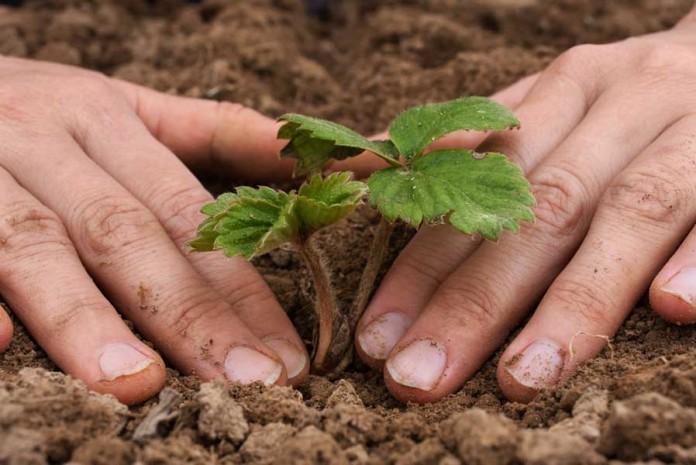
To get a strong and viable plant, it is important to carry out planting work correctly.

Preparing the beds
The plant thrives in fertile soil with a neutral composition. Loamy soil is best. Heavy soil should be mixed with sand. It's recommended to plant strawberries after parsley, mustard, or beans. Radishes are a good predecessor. It's best to prepare the bed in the fall. To do this, dig up and weed the soil. Then, add phosphorus and compost.
In spring, three weeks before planting, it's recommended to fertilize the bed with manure. 10 liters of manure per square meter are required. Planting is recommended to begin in mid-May.
Dates and methods of disembarkation
There are several methods for growing the crop. Planting is best done in May. If you plan to plant the crop before winter, it's best to do so in late August or early September.

On the ground in the beds
Standard methods for planting strawberries in open ground include single-row and double-row methods. In the first case, the distance between rows should be at least 60 centimeters, while in the second, the distance should be no more than 30 centimeters. The single-row method is considered safer for the plants. They don't touch, and therefore cannot infect each other. The double-row method helps increase yields due to its efficient use of soil.
Under a thick covering material
Growing strawberries this way is quite easy. It creates an optimal microclimate that prevents the soil from drying out. The absence of direct sunlight helps prevent active weed growth. Furthermore, the berries don't touch the ground, which improves the quality of the product.

In bags
This method involves using plastic bags. They are filled with soil and seedlings are planted. The bags should be hung vertically. This saves space in the garden. For strawberries, it's a good idea to make holes.
Vertical method
In this situation, the plant should be planted in pots, boxes, or other containers that can be placed vertically.
This method helps save space. However, it also makes maintenance more difficult.
Plant care during the active growing season
To achieve good results in plant cultivation, agricultural technology must be carried out correctly.


Watering and fertilizing
When growing strawberries, it's essential to ensure adequate soil moisture. Insufficient moisture can result in insufficient ovary production or deformed berries. This negatively impacts the quality of the harvest. Strawberries need to be watered especially frequently in the summer.
To reduce the plant's water requirements, mulching the soil is recommended. This retains moisture in the soil and allows for less frequent fertilizing.
In the spring, it's recommended to apply the first soil fertilizer. For this, use potassium sulfate or ammonium nitrate. Use 15 grams of the product per square meter. Superphosphate can also be added. To feed the beds, you'll need 30 grams of the product per square meter. In July, fertilize the beds with organic fertilizer.

Trimming
During the growing season, it's best to trim off the runners. This is done in spring and summer. If you plan to grow new shoots, don't trim them off. It's recommended to bury them. This will ensure new bushes appear by August, ready for transplanting.
For the winter, the leaves and runners should be trimmed. Also, remove any dry, discolored, or infected shoots.
Weed removal
To ensure successful strawberry growing, it's essential to remove weeds promptly. This prevents the spread of pests and diseases and improves crop development.
Strawberry diseases and pests
Common diseases that cause damage to strawberries include the following:
- Gray mold is a fungal infection that develops in high humidity conditions. Brown spots, followed by a white coating, appear on the berries. To prevent problems, treat the bushes with copper oxychloride. Affected fruits should be removed and the plants thinned.
- Powdery mildew damages leaves, causing them to turn brown and curl. Affected plants should be dug up and burned. Healthy plants should be treated with potassium permanganate. Colloidal sulfur can also be used.
- Brown spot causes leaf damage. The leaves turn brown and fall off. After harvest, the bushes are treated with copper chloride.
Strawberries can also encounter harmful insects. This crop is susceptible to attacks by strawberry mites, which infest the leaves. After harvesting, it is recommended to treat the crops with Malathion.
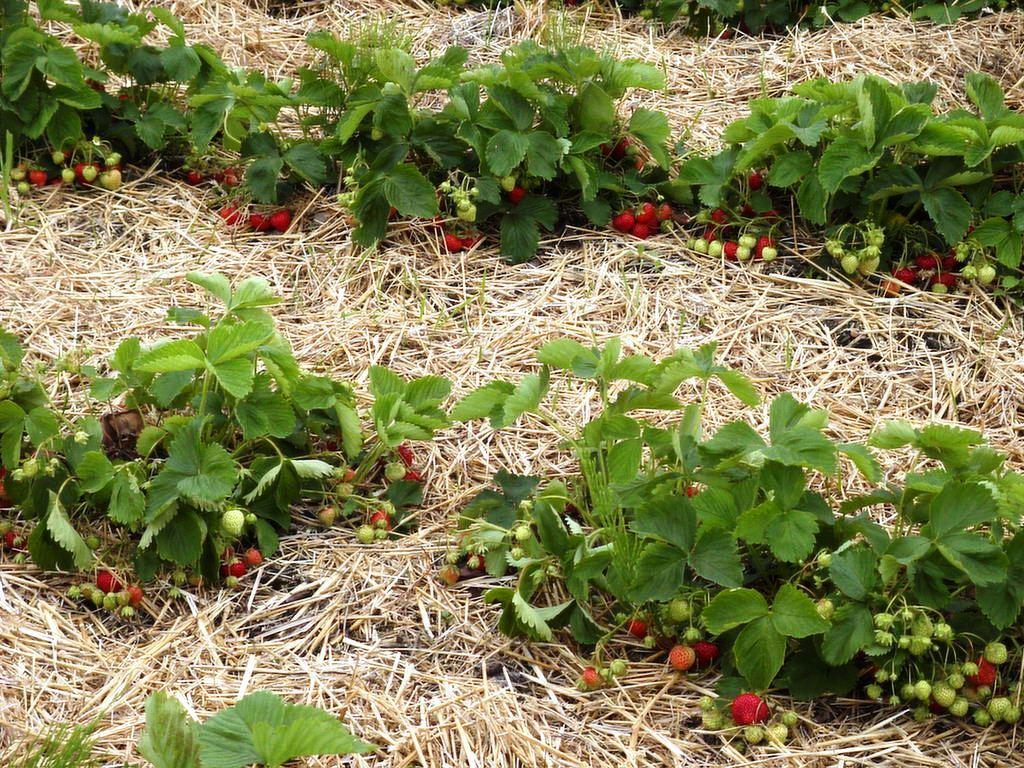
Aphids are considered an equally dangerous pest. To get rid of them, water your plants with a mixture of wood ash and laundry soap.
Relocation to a new location
Replanting everbearing strawberries is pointless, as they are already short-lived. Even with proper care, the plant will only bear fruit for 3-4 years at most.
The beginning of fruiting
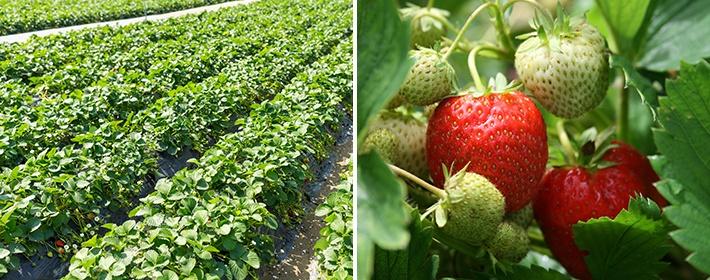
This strawberry is characterized by multiple flowering and fruiting throughout a single season. Plants produce 15 times more flowers than regular varieties. The harvest can be collected 2-3 times during the growing season.
The fruits ripen in waves. The first harvest is in June, with a second period beginning in early July. By mid-August, the fruits ripen for the third time. The harvest can continue until the first frost.
Collection and use of fruits
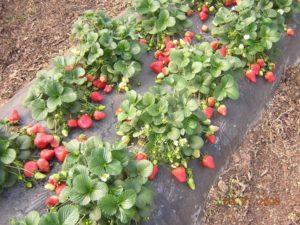
A key characteristic of everbearing varieties is their repeated fruiting. With adequate care, the fruits ripen almost continuously. The first harvest is considered small, accounting for no more than 30%. The summer and autumn period is more productive, with yields reaching 70%.
Everbearing strawberry varieties produce fruit from May until frost. With proper cultivation, a single bush can yield 1.5-2 kilograms of fruit. To obtain a larger harvest in the fall, it's best to remove flower stalks in the spring.
This will help direct nutrients towards the formation of the second summer-autumn harvest.
The fruits can be eaten fresh. They are also widely used for preserves. Strawberries can be used to make jams, jellies, and compotes. The dense berries freeze well.

How to propagate a crop on a plot
To save beneficial properties of such strawberries To keep it as long as possible, it is recommended to propagate it using runners. However, this method is not always possible, especially since there are runner-less varieties of the plant.
Seeds
This is the most labor-intensive method of growing strawberries. However, it yields many young, healthy plants. For alpine or runnerless strawberries, this method is considered the only propagation method. To do this, you need to harvest large, sweet fruits. Seeds must be obtained from them. The seedlings are sown in late February or early March.
By dividing the bush
This method is rarely used. It's used only for urgent seed production. It's recommended to replant only vigorous and healthy bushes. It's important to note that this method isn't suitable for all varieties.

Reproduction by whiskers
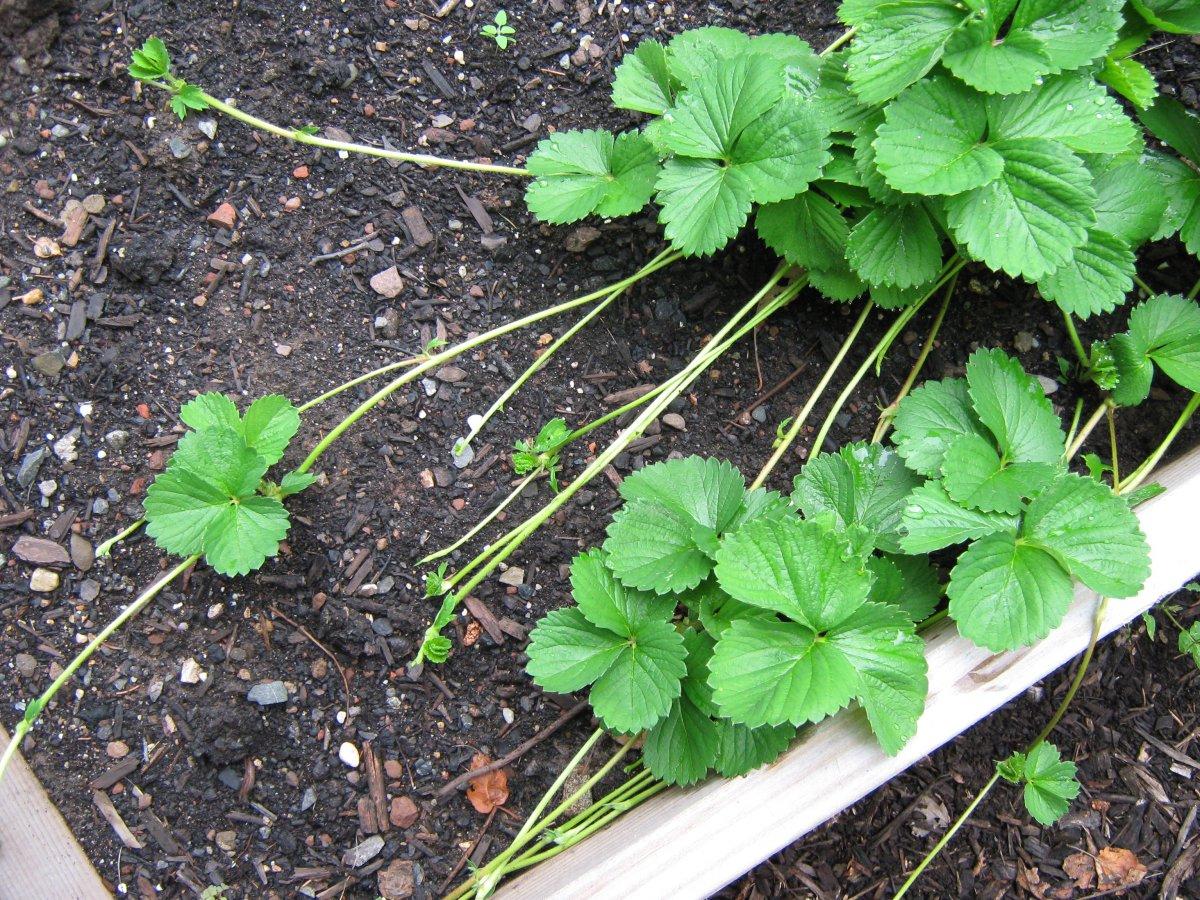
This method allows you to get many young plants per season. This is especially important for everbearing plants, which need to be replaced frequently. To achieve good results, it's important to monitor the formation of rosettes. There should be 2-3 of them on the runner. It's important that the rosettes are located as close to the main plant as possible.
To implement this method, select one-year-old bushes. It's recommended to place the first runners around the plant and allow them to take root. Subsequent runners should be removed. By August, young plants will appear. One week before transplanting, remove the runners connecting the bush to the mother plant. Then, transfer the plant to the new location using a small trowel.
Basic mistakes
Gardeners often encounter various problems: strawberries fail to bear fruit a second time, the plant fails to bloom, and only produces runners. To solve the problem, it's crucial to determine its causes. These include the following:
- Bush degeneration. After three years, the plant may stop blooming. Frequent replanting will help avoid such problems. It is recommended to do this every two to three years.
- A very late autumn transplant. As a result, the plant cannot adapt to the new conditions. In this situation, flowering will be weak and the fruits will be small.
- Planting too deeply into the soil causes a significant reduction in yield.
- Nitrogen deficiency. As a result, foliage development is poor. To avoid such problems, regularly water the plants with an ammonia solution.
- Insufficient sunlight. This problem weakens plants and causes reduced yields.
- Late frosts. If there's a risk of recurring frosts in May, it's best to cover the beds with plastic. Spunbond can also be used for this purpose.
Everbearing strawberries are a common crop that can produce several harvests during the season. This makes them a popular choice for many gardeners. To achieve excellent results, it's important to strictly adhere to proper growing practices.
Related posts:
 Signs of disease and pest attacks on strawberries, treatment methods
 Methods for planting and propagating cherries at home
 Growing and caring for hazelnuts in open ground, rules for planting hazelnuts
 Description of the Florence strawberry variety, planting and care features
 How to grow strawberries at home
 The best grape varieties for growing in the Urals, planting and care rules in summer
 Descriptions of the 20 best cherry varieties for the Moscow region, their planting and care
 Conditions for growing mandarin at home and rules for caring for the tree