
- Description and characteristics of the San Andreas garden strawberry
- Bushes and berries
- Drought and frost resistance
- Productivity and fruiting
- Application of berries
- Resistance to diseases and pests
- The main positive and negative aspects of the variety
- Features of growing strawberries
- Recommended planting time
- Selecting a suitable site
- Preparation of planting material
- The landing process
- Recommendations for plant care
- Watering and fertilizing
- Weeding and loosening
- Mulching
- Wintering
- Protecting crops from diseases and pests
- Methods of variety propagation
- With a mustache
- By dividing the bush
- Harvesting and storing strawberries
- Difficulties in growing and recommendations
The American San Andreas strawberry variety meets modern gardening needs. The Russian climate is unusual for these plants, so they require careful care, following a few tricks. The results are well worth the effort, so novice gardeners should familiarize themselves with all the intricacies of growing this strawberry. The large, firm fruits have excellent flavor and are suitable for transportation and long-term storage, while the plants themselves are easy to grow and don't require extensive cultivation techniques.
Description and characteristics of the San Andreas garden strawberry
The everbearing San Andreas strawberry has unique characteristics that set it apart from its many competitors. The variety description provides gardeners with a clear understanding of its main advantages and disadvantages.
Bushes and berries
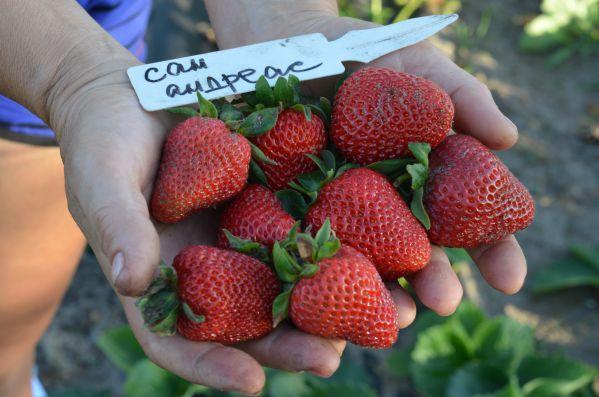
The San Andreas bush is compact, reaching a height of up to 25 cm and a width of 30 cm. The foliage is large, dark green, and serrated. The flower stalks are strong and long, supporting the berries well until they ripen. Each bush produces approximately 10 flower stalks at a time. The flowers are large and white.
The fruits of the San Andreas strawberry are uniform, even, with excellent commercial qualities, and fleshy.
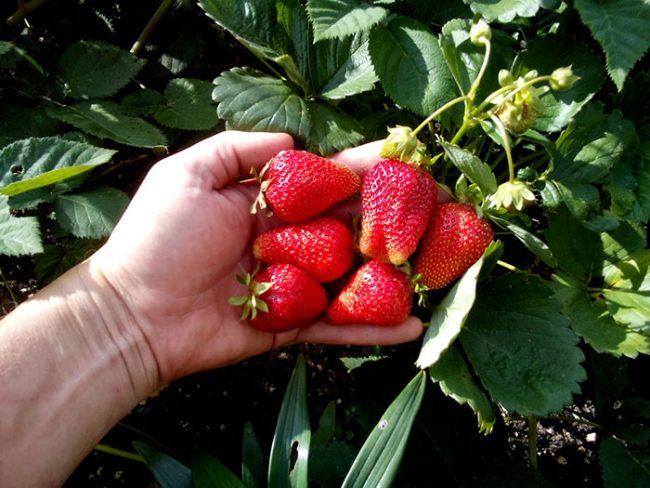
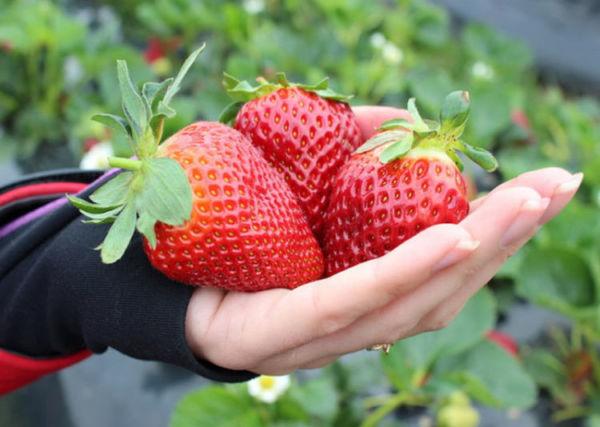
The berries are conical in shape and weigh up to 30 g. Some specimens, when properly cared for, can reach 60 g. A distinctive feature of the fruit is that its flavor improves significantly when overripe. This is a benefit for gardeners who use them for personal consumption rather than for commercial purposes.
Drought and frost resistance
Strawberries are characterized by excellent resistance to adverse weather conditions and drought. The plants are highly frost-resistant.
Productivity and fruiting
San Andreas strawberries have high yields, with each bush yielding up to 1.2 kg of berries. These yields increase significantly when grown in a greenhouse. During testing of the variety in California, the record yield was 3.3 kg of fruit per bush.
Application of berries
San Andreas strawberries are used not only for fresh consumption, but also for all types of processing, and the preparation of culinary and confectionery masterpieces.
Resistance to diseases and pests
This variety exhibits good resistance to major diseases. During rainy seasons, mulching the beds is recommended to prevent berry rot.
The main positive and negative aspects of the variety
Like any strawberry variety, San Andreas has its advantages and disadvantages. Its positive qualities include:
- excellent commercial quality of berries;
- fruits are uniform, of the same large size;
- early ripening;
- high yield rates;
- drought and heat resistance;
- good resistance to negative environmental factors;
- possibility of cultivation in open and closed ground;
- good resistance to diseases and pests;
- high frost resistance;
- suitability of the crop for transportation and storage.
The San Andreas strawberry is not without certain disadvantages:
- in dry and hot weather, the fruits acquire a bland taste and do not gain the required weight;
- When growing intensively, it is recommended to renew the plantings every year;
- sugar levels depend on the ambient temperature;
- To fully realize the potential of a variety, it is necessary to provide regular and complete fertilizing.
Features of growing strawberries
In general, the technology for growing San Andreas strawberries is not much different from other early varieties, but there are certain peculiarities in this matter.
Recommended planting time
San Andreas seedlings are typically planted in the spring, immediately after the snow melts. The plants should be well established before the hot weather sets in. If planting is necessary in the fall, plan for August or early September. An exception to this rule is seedlings with closed root systems, which can be planted throughout the summer season.
Selecting a suitable site
Strawberry beds are located in a well-lit area. Before planting the bushes, the area is carefully weeded and the soil is fertilized with mineral and organic fertilizers.
Preparation of planting material
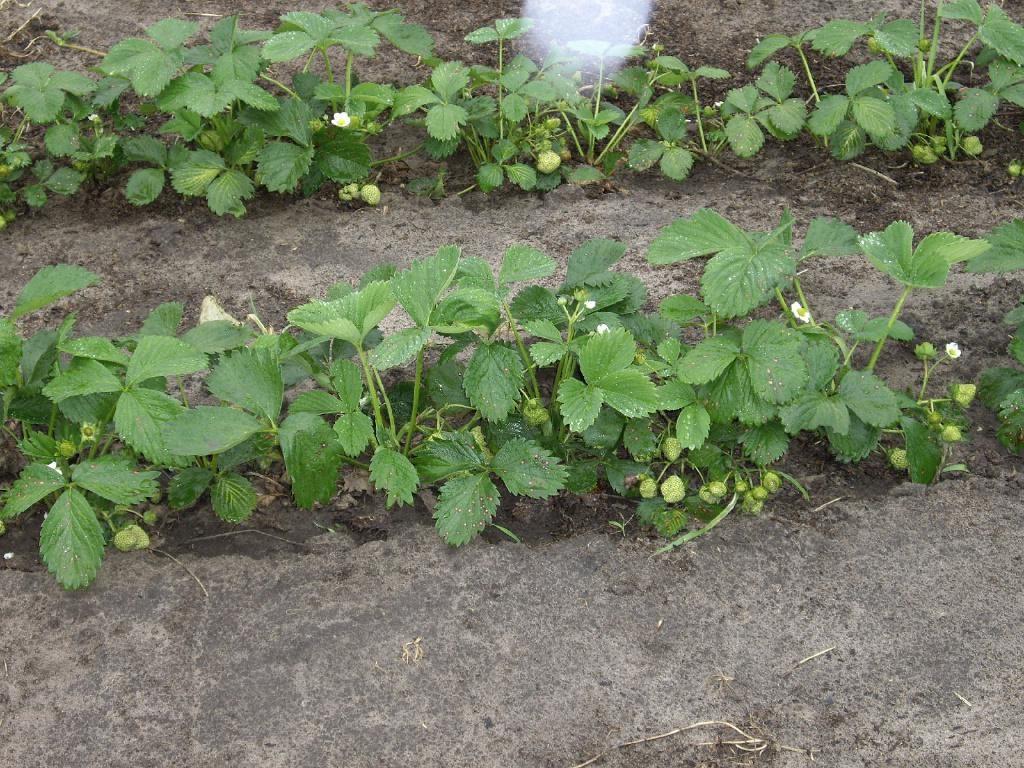
Strawberries selected for planting should have a core thickness of at least 1 cm. Healthy plants have a well-developed fibrous root system, with roots that are white or light brown. Select plants free of pest or disease damage.
When purchasing seedlings with a closed root system, preference is given to those with a strong, stocky bush, well-developed foliage, and a leaf color ranging from green to dark green.
The landing process
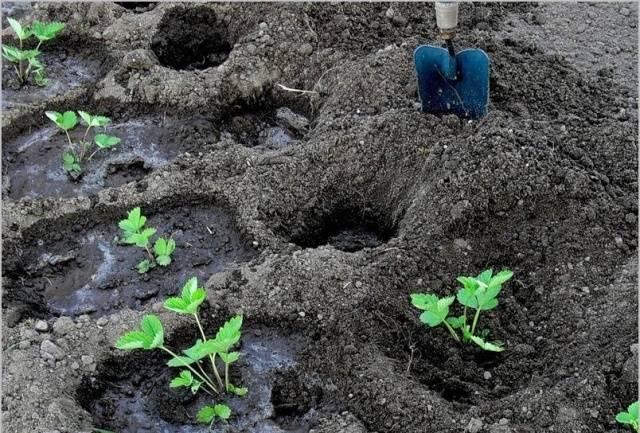
San Andreas strawberry plants with bare roots are planted in a pre-prepared hole, with the root ball level with the soil. If the roots are slightly tangled at the bottom of the pot, gently straighten them out. Bare-root seedlings are positioned in the hole so that the center of the plant is at ground level. After planting, water the plants generously.

Recommendations for plant care
The quantity and quality of the San Andreas strawberry harvest directly depends on care and adherence to agricultural practices.
Watering and fertilizing
Apply complex fertilizer to strawberry bushes once every two weeks. The formula changes depending on the plant's development stage. Regular watering is required during fruiting. In summer, water as the soil dries out. If the soil is sandy and the weather is dry and hot, water every two days.
Weeding and loosening
Weeding and shallow loosening of the soil are necessary not only to maintain order and cleanliness in the area but also to ensure good soil aeration. It is recommended to perform this work 2-3 times per month. If the beds are mulched, then only the spaces between the rows are loosened and weeded.

Mulching
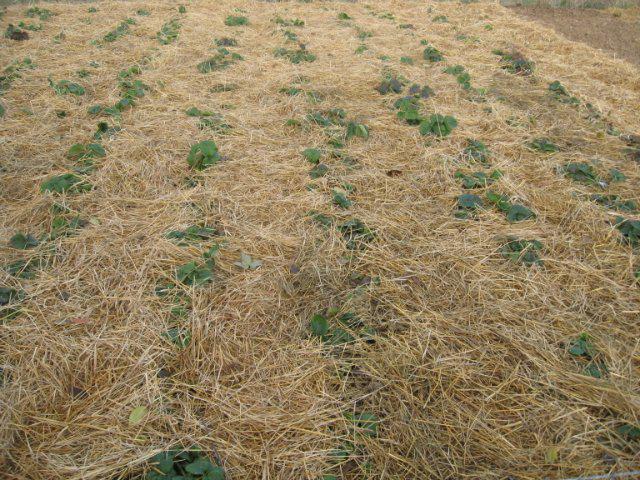
San Andreas strawberries respond well to mulching. This not only prevents excess moisture evaporation but also keeps the roots from overheating in extreme heat. Furthermore, a layer of mulch inhibits weed growth and prevents the development of gray mold in rainy weather. The following can be used as mulch:
- straw;
- agrofibre;
- agrotextile;
- black film;
- mown green manure.
Wintering
The San Andreas strawberry variety is characterized by excellent winter hardiness. Plants can withstand temperatures down to -20°C without shelter. If the winter is snowy and frosty, without thaws, the plants overwinter even better in open ground. Experienced gardeners recommend covering strawberry beds with agrofibre for the winter, as a precaution and to speed up the ripening of the berries.
Protecting crops from diseases and pests
San Andreas exhibits increased resistance to the main diseases and pests that can attack strawberry crops. However, for preventative purposes, it is recommended to treat the crops several times per season. For this purpose, use a mixture of one fungicide and one insecticide.
Particular attention is paid to the larvae of the May beetle, commonly known as the May beetle.
To combat this dangerous pest, it's recommended to water the bushes a couple of times per season with a solution of "Antikhrushka" or "Aktara." If the plants have already formed fruit, use only biological products.
Methods of variety propagation
The San Andreas strawberry can be propagated using several effective methods, allowing you to increase the number of bushes on your plot in a short time.
With a mustache
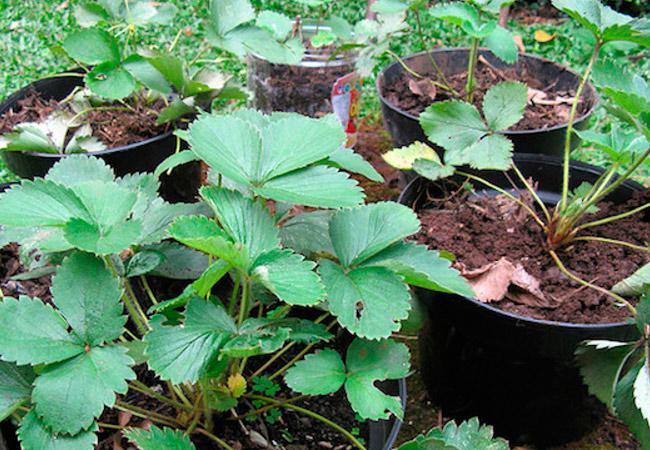
Propagation by runners is one of the most reliable methods. To ensure plants produce as many runners as possible, it is recommended to renew them annually. The mother plants are also sprayed or watered at the roots with nitrogen fertilizer.
Young bushes forming on the tendrils are pressed to the ground and wait for them to take root.
Once they have grown stronger and reached the desired size, the seedlings are separated from the mother bush and transplanted to a permanent growing location.
By dividing the bush
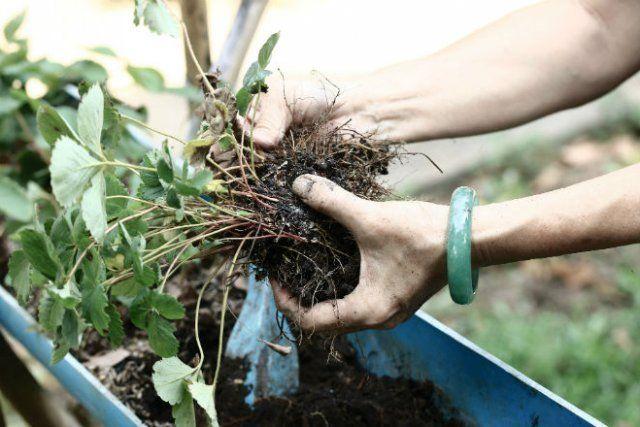
Dividing an adult plant is also an effective way to propagate San Andreas strawberries. The trick is to regularly remove inflorescences and ovaries from the mother plants so that all their energy is directed toward vegetative propagation and growth. They are also watered or sprayed with a nitrogen fertilizer solution once a week.
Harvesting and storing strawberries
It's recommended to harvest San Andreas strawberries in the morning or evening, when sunlight is at its lowest. Fruit picked in the heat has poor storage quality and taste. Berries should be harvested during the day only in early spring or fall. The harvest is placed in small cardboard boxes to ensure optimal shelf life and transportability. If possible, strawberries should be refrigerated to further improve their commercial properties.
Difficulties in growing and recommendations
This everbearing, large-fruited strawberry variety requires proper cultivation practices from gardeners: regular watering, root and foliar fertilization, and loosening. The plants also require preventative treatments and mulching. Experienced gardeners won't have any major problems growing this strawberry variety, but beginners are advised to carefully study the theoretical information and recommendations before planting seedlings in their own garden.
Related posts:
 Description of the Florence strawberry variety, planting and care features
 How to grow strawberries at home
 Description and characteristics of the Vima Zanta strawberry variety, planting and care scheme
 Description of the everbearing strawberry variety Selva and cultivation technology
 Description of the San Marzano tomato variety and tips for growing seedlings
 Description and characteristics of the Zenga Zengana strawberry variety, planting and care
 The best varieties and cultivation of everbearing strawberries, fertilizing and propagation
 Description and characteristics of the Elsanta strawberry variety, care and cultivation