
- History of the selection of Zenga Zengan
- Pros and cons: is it worth planting?
- Characteristics and description of the variety
- Bush and shoots
- Flowering and fruiting
- Distinctive qualities of berries and their further implementation
- Planting specifics
- Preparing the site and beds
- Timing and rules for planting bushes
- How to care for crops in open ground
- Irrigation
- Top dressing
- Disease prevention
- Leaf spot
- Gray rot
- Insect protection
- Breeding methods
- With antennae
- By dividing the bush
- Seed method
- Gardeners' reviews
The Zenga Zengana strawberry variety has been known since the 1950s. Originating in Germany, it has gained widespread popularity worldwide, including in Russia. This berry is adaptable to growing in any climate, producing a bountiful harvest. Let's look at the key features of this hybrid variety, as well as planting and care guidelines.
History of the selection of Zenga Zengan
The hybrid strawberry variety Zenga Zengan was developed in Hamburg, Germany, as a result of breeding efforts that lasted from 1942 to 1954. To produce strawberries with high industrial properties, two well-known varieties were crossed: Merge, a wild self-seeded variety, and Sieger.
Zenga Zengana reached the peak of its popularity as a commercial strawberry variety in the 1960s and 1970s and held the leading position for a long time.
Pros and cons: is it worth planting?
The hybrid strawberry variety Zenga Zengana has both positive and negative aspects. These should be analyzed before deciding whether to plant these fruits in your garden.
Positive aspects of the variety:
- maintaining the original attractive shape during boiling, canning and other types of heat treatment;
- good transportability properties;
- expressive aroma and excellent taste;
- resistance to adverse environmental conditions;
- undemanding to the quality and composition of the soil;
- The compact size of the bushes allows a large number of them to fit into a limited area.
Among the negative aspects it is worth noting:
- the need for frequent and abundant watering in hot weather;
- susceptibility to strawberry mite infestation;
- reduction in berry size towards the end of the fruiting season;
- To pollinate strawberry bushes, it is necessary to plant plants with male flowers and the presence of insects.
Characteristics and description of the variety
To easily distinguish Zenga Zengana from other popular strawberry and garden strawberry varieties, it's important to familiarize yourself with its key characteristics. We'll explore the appearance of its bush, flowers, and berries, and also discuss how best to use the fruit once it's ripe.

Bush and shoots
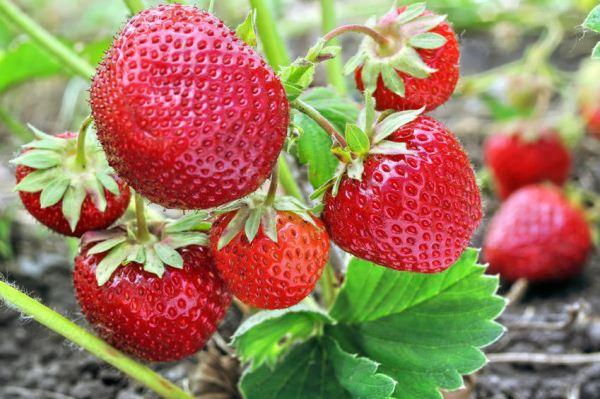
The German strawberry bush, Zenga Zengan, grows tall but not sprawling. It is densely covered with medium-sized, dark green leaves with a smooth surface. The growth of tendrils is not very pronounced.
Flowering and fruiting
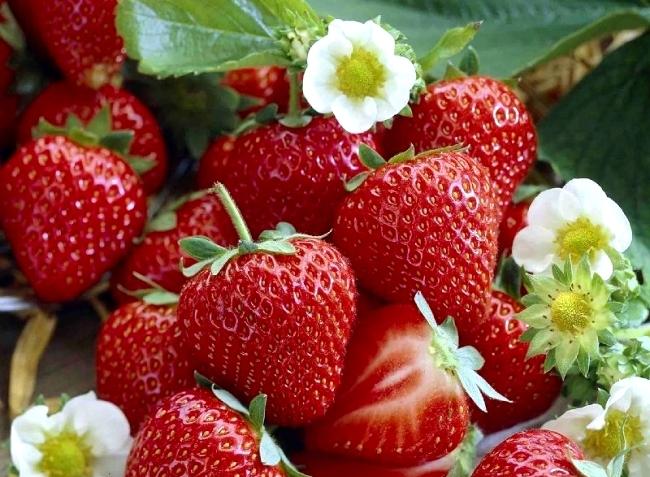
The flower stalks of this variety are either level with the leaves or slightly lower. The flowers are medium-sized and snow-white with yellow centers.
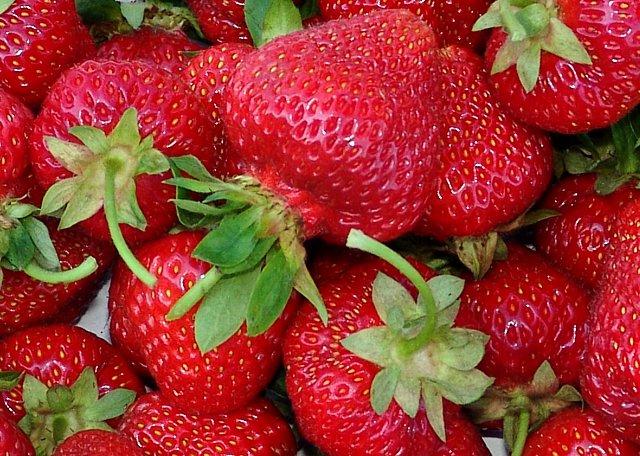
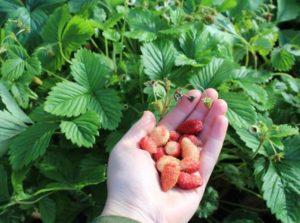
The fruits are typically medium-sized. Their shape varies—broadly conical, round, or angular, without a neck.
The seeds are deeply set in the dense, juicy pulp. The color of the berries depends on the amount of sunlight. Bushes growing in full sun produce dark red fruits, while those in shady areas produce more vibrant ones.
Distinctive qualities of berries and their further implementation
Zenga Zengana strawberries have the following distinctive properties:
- average weight - about 10 grams (at the beginning of fruiting, the berries reach a weight of 30-40 grams, but subsequently begin to decrease);
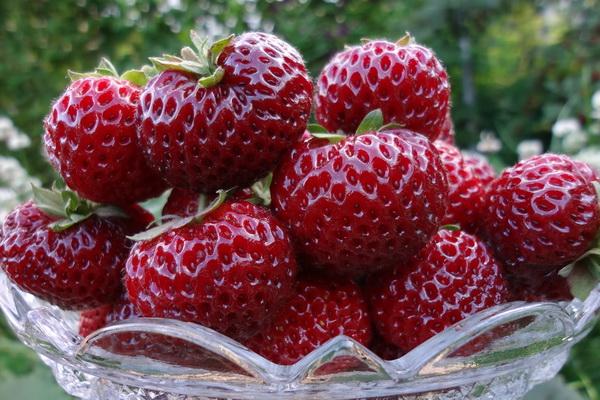
- uniform and rich dark red color of fruits;
- rich aroma and pleasant sweet and sour taste;
- fruiting - once per season;
- late ripening - begins in mid-June;
- The yield from one bush is one and a half kilograms of berries.
Ripe berries have a variety of uses. They can be eaten fresh, frozen, dried, and preserved.
Planting specifics
Before planting Zenga Zengana strawberry bushes, you need to learn all the details and recommendations that will allow you to grow healthy plants and get the most delicious fruits.
Preparing the site and beds
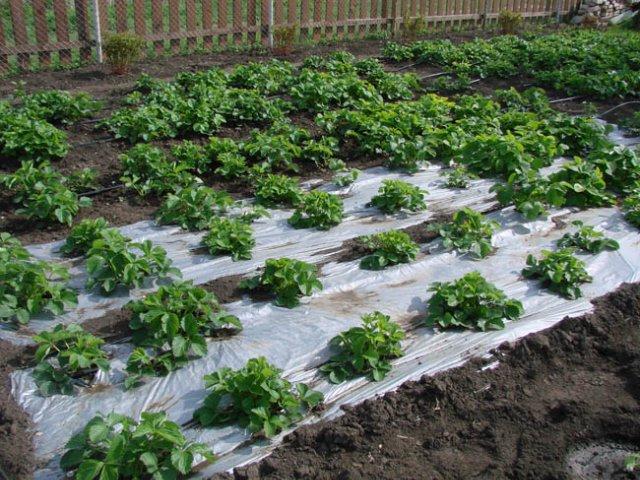
Zenga Zengana strawberries are best grown on gentle slopes in the southwest corner of the garden. This accelerates the ripening process. Lowlands and areas prone to spring flooding are absolutely unsuitable for planting this plant. Beds used for growing Zenga Zengana strawberries should receive full sun throughout the day.
The optimal soil for Zenga Zengana hybrid strawberries is black soil. Prepare the soil several weeks before planting by digging it thoroughly and removing weeds and other plant debris.
If the groundwater level on the site is high, the ridges need to be made high.
If the soil is predominantly clay-based, it is necessary to add small amounts of river sand, compost and peat.
Timing and rules for planting bushes
In moderate climate conditions, work on planting Zenga Zengana strawberries can be carried out:
- early spring;
- at the end of summer;
- at the beginning of autumn.

The most favorable period is the first ten days of spring, from March 10th to 20th. It is recommended to plant seedlings in the ground in the evening during calm, dry weather.
The planting process consists of the following stages:
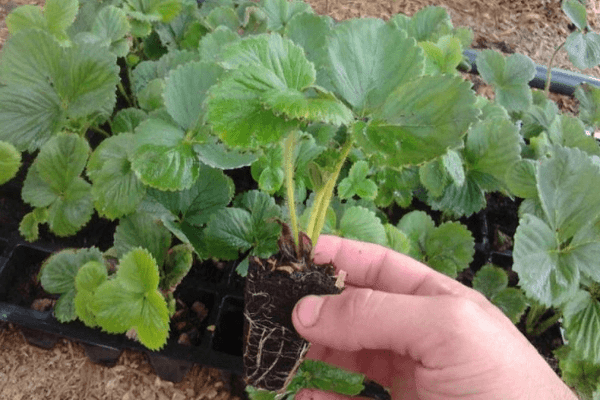
- Dig planting holes corresponding to the number of prepared seedlings. The depth should be 15 centimeters. The distance between holes should be 20 cm, and between rows – 70 cm.
- After straightening the rhizome, carefully place the seedling into the hole.
- Lightly cover with soil and compact by hand. It's important that the growing bud is above the soil surface. Burying the soil too deep will cause the plants to rot.
- Water each bush with 1 liter of slightly warm water.
- Apply a 10-centimeter layer of mulch using sawdust, straw, or compost. Moss, freshly cut grass, and leaves are not suitable for this purpose.
How to care for crops in open ground
Following the recommendations for caring for the bushes will allow you to grow a rich harvest with excellent-tasting fruits.
Irrigation
A lack of moisture during prolonged drought can have a detrimental effect on strawberry yields. In such cases, the plants require abundant but infrequent watering. They should be watered at the roots in the morning or evening, using water pre-warmed by the sun.
Immediately after planting, strawberry plants should be watered daily for two weeks. Subsequently, the intervals between waterings can be increased to one or two days, depending on weather conditions.
Top dressing
Zenga Zengana strawberries require mineral or organic fertilizers. In the fall, rotted manure or compost is suitable for this purpose; they can be used as mulch.
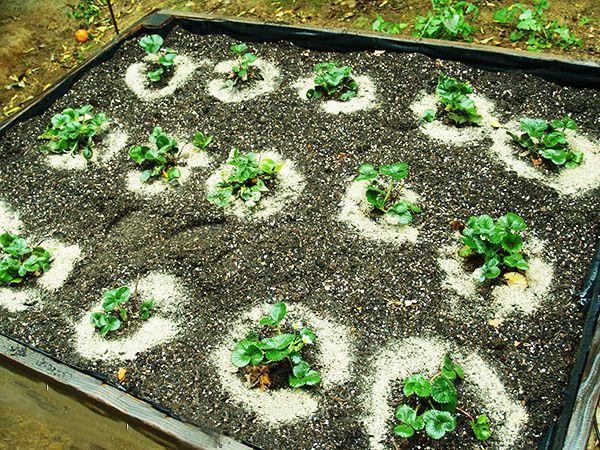
Before flowering, apply liquid fertilizers when watering strawberry bushes. These include wood ash solutions, potassium sulfate, potassium nitrate, and others. These substances improve the fruit's flavor. Before winter, phosphorus-based fertilizers, such as superphosphate, ammonium phosphate, or diammonium phosphate, will be needed to increase yield.
Disease prevention
The hybrid strawberry variety Zenga Zengana is immune to most common diseases. However, it is susceptible to gray mold and spotting. Effective preventative measures will protect the plant from these diseases.
Leaf spot
This disease manifests as purple and brown spots covering the outer surface of leaf blades. If left untreated, it leads to leaf dieback.
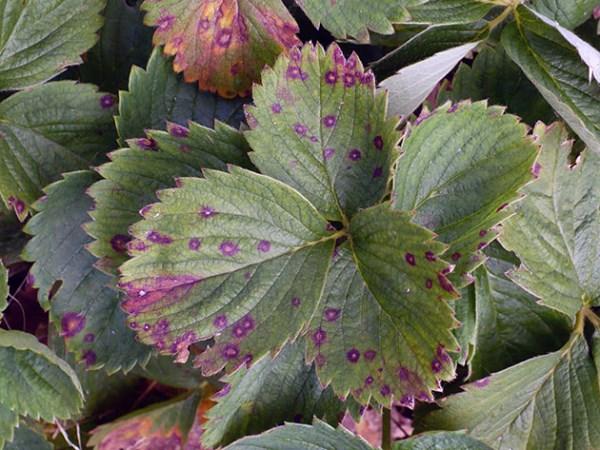
Zenga Zengan strawberry bushes showing signs of infestation should be treated with Bordeaux mixture or copper oxychloride. A solution of Fitosporin can be used as a preventative measure.
Gray rot
Gray mold attacks strawberries when soil moisture levels are too high, when plants are densely planted, or when there is prolonged lack of sunlight. To prevent this, treat strawberry plants with fungicides or copper oxychloride solutions before the growing season begins.
Insect protection
The main insect that poses a threat to the Zenga Zengan strawberry is the strawberry mite. It's invisible to the naked eye, but it actively attacks the foliage. Signs of this pest include brown, dry, and deformed leaves, as well as stunted plant growth and reduced fruit size.
A preventative method to protect the plant from strawberry mites is spraying with a 70% solution of colloidal sulfur.
If the strawberry bush is clearly damaged, treatment with Actellic, Iskra M or other insecticidal preparations will be required.

Breeding methods
You can propagate Zenga Zengana strawberries using tendrils and by dividing an adult bush.
With antennae
Propagation by tendrils is the easiest and fastest way to increase strawberry plantings. To do this, select the best daughter rosettes and root them. It is recommended to perform this procedure in midsummer.
By dividing the bush
You can divide a mature strawberry bush for subsequent propagation before flowering or after the ripe berries have been harvested. Fresh shoots should be separated along with the rhizome and planted in a new location.

Seed method
The method of propagating strawberries by seeds is not suitable for the Zenga Zengana variety and other hybrids, as it leads to the loss of key characteristics.
Gardeners' reviews
Yulia: "I love tart strawberry varieties, so Zenga Zengana has become one of my favorites. I've been growing it at my dacha for about five years now. It's an easy-to-grow plant and thrives in moderate climates. Heavy rainfall can cause berry rot."
Maria: "I think Zenga Zengana is the perfect variety for strawberry jam, which my kids love so much. The fruits are distinctly tart, varying in size, and mostly small. Although the berries were large in the first few years of fruiting."
Related posts:
 Description of the Fireworks strawberry variety, planting and care
 Description of the Florence strawberry variety, planting and care features
 How to grow strawberries at home
 Description and characteristics of the Vima Zanta strawberry variety, planting and care scheme
 Description of the everbearing strawberry variety Selva and cultivation technology
 Description of the Holiday strawberry variety, cultivation and propagation methods
 Description and how to plant the Garland strawberry variety
 Description and characteristics of the Korona strawberry variety, planting and care scheme