
- History of selection and regions of cultivation
- Advantages and disadvantages of the everbearing strawberry Baron Solemacher
- Varietal characteristics
- Bush size and appearance of the leaf blade
- Flowering and pollination
- Ripening time and yield
- Taste qualities of the fruit and its further sale
- Characteristics of the variety
- Winter hardiness and drought resistance
- Immunity and susceptibility to diseases and parasites
- Planting strawberries
- Site selection and preparation
- Selecting seedlings
- Timing and technology of planting seedlings
- Care
- Watering mode
- Top dressing
- Weeding and loosening the soil
- Mulching
- Preparing for winter
- Preventive treatments against diseases and pests
- Methods of reproduction
- Seeds
- Time to sow seeds
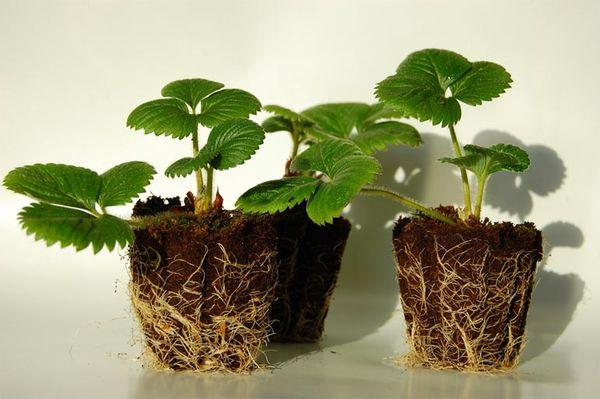
- Sowing in peat tablets
- Sowing into the soil
- When to expect the first shoots
- Dive
- Transplanting shoots to a permanent location
- Why seeds don't germinate: reasons and solutions
- By dividing the bush
- Sockets
- The specifics of growing strawberry bushes in pots
- Reviews of the variety
The Baron Solemacher strawberry variety is considered a very popular plant. It is characterized by high yields. The berries have a sweet taste and a pleasant aroma. To achieve successful cultivation, it is important to plant it correctly. Strictly following all agricultural recommendations is essential. Experts recommend watering and fertilizing the plant regularly.
History of selection and regions of cultivation
This variety owes its origins to German breeders working with Alpine strawberries. This crop appeared in the mid-1930s and has remained popular for many years. This is due to its unique characteristics.
This variety is suitable for cultivation throughout Russia. It can be grown in garden plots, greenhouses, and even indoors.
Advantages and disadvantages of the everbearing strawberry Baron Solemacher
This strawberry variety boasts numerous advantages. These include the following:
- Easy to care for. Lush blooms and high yields are unaffected by climate conditions. Even in rainy weather, the bushes produce abundant fruit.
- Excellent resilience. The bushes rarely encounter diseases and are virtually unaffected by pests.
- Long fruiting period. This variety is considered everbearing, so it produces an excellent harvest until October. In southern regions, berries can be harvested even in November.
- Compact size. Strawberries don't have runners, so they take up relatively little space in the garden. Bushes can be planted at a short distance from each other.
- Growing from seed is possible. The planting material has a high germination rate, making it easy for even novice gardeners to grow strawberries.
- Resistance to adverse climatic conditions. Strawberries can tolerate temperatures down to -35 degrees Celsius in winter. They are also resistant to hot summer weather. Even prolonged drought does not kill the crop. However, soil moisture deficiency negatively impacts berry size.
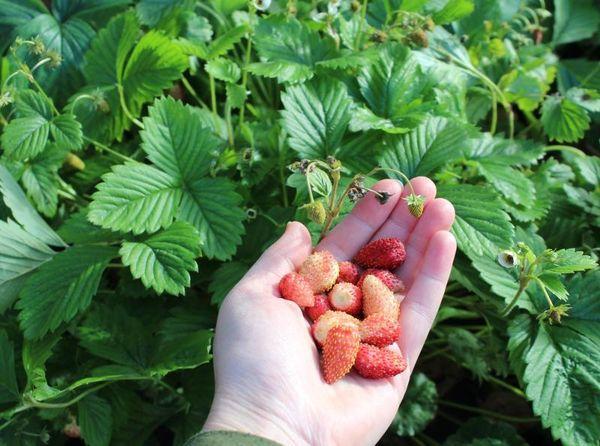
The variety has a few drawbacks. The main drawback is the need to repot every 3-4 years. This dramatically reduces the plant's fruiting. Another drawback is the need for regular fertilization. Without timely use of fertilizers, berries become small.
Varietal characteristics
Before planting Baron Solemacher strawberries, it is worth familiarizing yourself with the key characteristics of the crop.
Bush size and appearance of the leaf blade
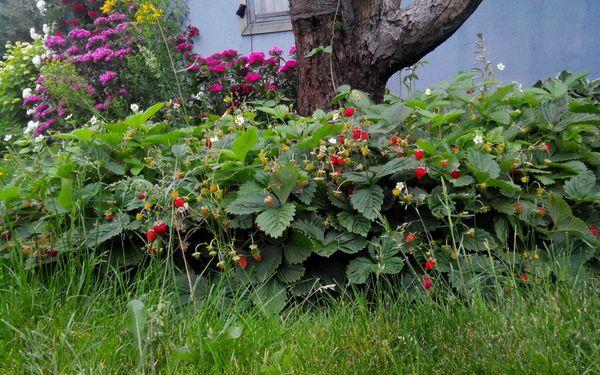
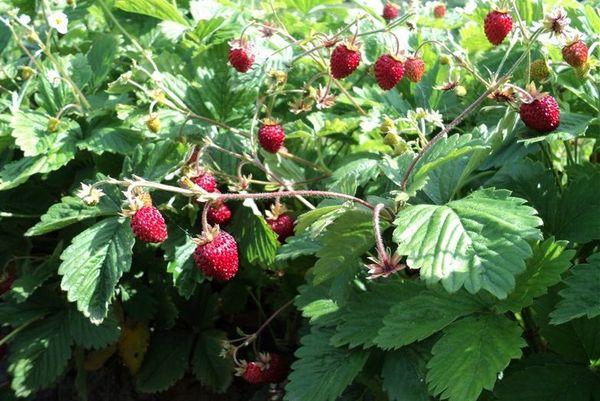
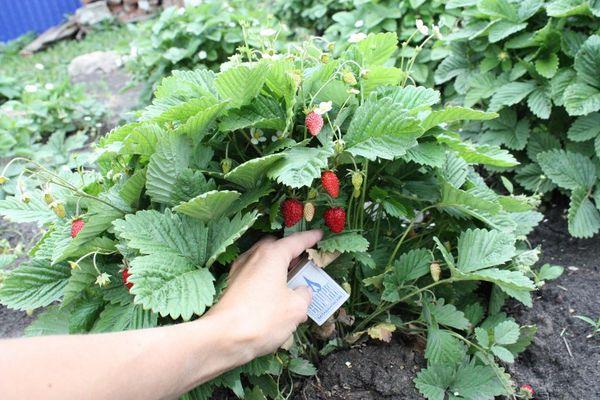
This is a remontant plant characterized by early ripening. It grows into squat bushes, 15-20 centimeters tall. They have a moderately spreading crown and a spherical shape. The foliage is light green, toothed, and covered in fluff.
Flowering and pollination
The plant's distinctive feature is its short flower stalks, which grow below the foliage. In May, numerous white flowers appear on them. The flowering is considered bisexual, so strawberries are easily pollinated. If grown indoors, artificial pollination is required.
Ripening time and yield
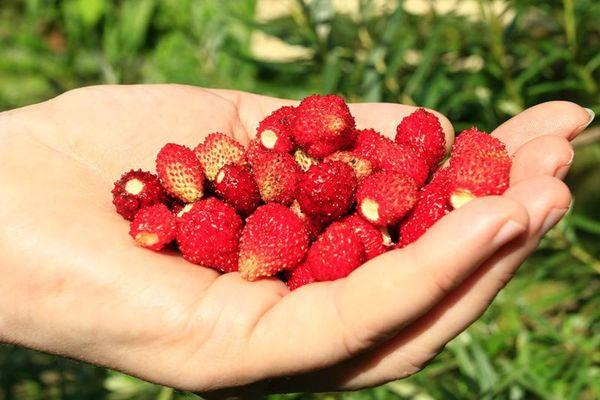
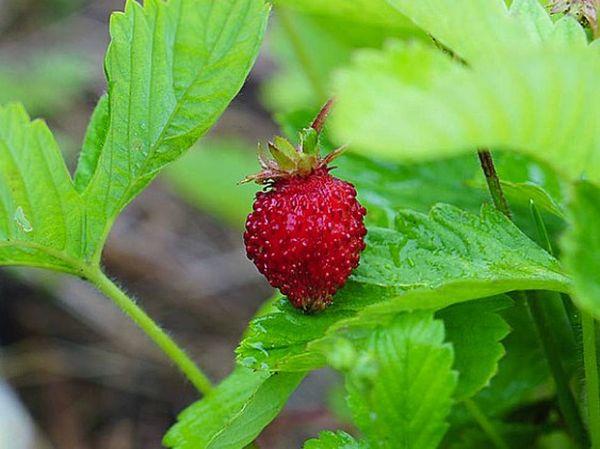
This variety is distinguished by its early ripening fruit. The berries are small, weighing no more than 4 grams. The fruits are conical in shape and have a distinct shine and a red hue. The flesh is also red, juicy and firm.
Strawberries are characterized by continuous fruiting throughout the season, lasting until the frost. In the south, the harvest can be collected until November, while in the north, strawberries bear fruit until the end of September.
This variety is considered high-yielding. With proper care, up to 83.8 centners of berries can be harvested per hectare.
Taste qualities of the fruit and its further sale
The fruits have a sweet and sour taste and a distinct aroma. Average sugar content is 7.5-7.7%, while acidity is 0.6-0.8%. According to a tasting assessment, the fruits were awarded 4.2 points.
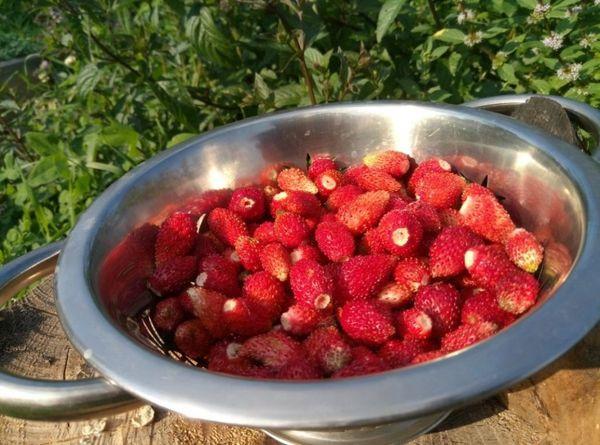
This variety of strawberry is ideal for desserts. After harvesting, the fruits remain fresh for a long time and are easy to transport. They can be eaten fresh, frozen, or used to make jam, jelly, and compote.
Characteristics of the variety
Before planting a crop, it's worth familiarizing yourself with its key characteristics. This will help you choose the right care for it.
Winter hardiness and drought resistance
This strawberry variety tolerates both significant temperature drops and hot weather well. It has moderate drought tolerance.
Immunity and susceptibility to diseases and parasites
The plant is characterized by high resistance to various diseases and pest attacks.
Planting strawberries
To ensure a bountiful harvest, it's essential to plant properly. A number of factors should be considered when doing so.
Site selection and preparation
This strawberry variety thrives in warmth and sunlight. These characteristics should be taken into account when choosing a planting site.
It's not recommended to plant this crop in low-lying areas or areas with high groundwater levels. It's also not recommended to plant it in beds previously occupied by tomatoes or potatoes.
If the area is highly humid, it's best to create raised beds for the bushes. These should be supplemented with raised borders.
Selecting seedlings
To reap a bountiful harvest, choosing the right seedlings is of great importance.
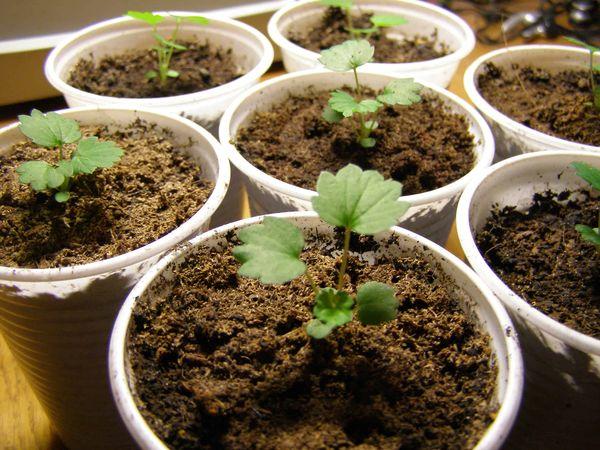
When purchasing strawberry bushes, you should pay attention to the following features:
- Buy a 1-year-old plant. The rosette should include 3-5 leaves.
- The roots should be strong and light-colored, reaching 5 centimeters in length. A dark root system indicates a diseased and weak plant. Such a plant will not thrive.
- The apical bud should be firm and have a red or pink tint.
- The horn should be at least 1.5 centimeters in diameter.
- It's not recommended to purchase elongated or sickly seedlings. The plants should show no signs of rot or mechanical damage.
- When purchasing flowering bushes, it's recommended to choose plants with large inflorescences, as these determine the size of the fruit.
Purchased seedlings are often infested with pests or diseases. To prevent infection of nearby plants, it's recommended to perform a special treatment. To do this, it's recommended to soak the plant in water at 50 degrees Celsius for 15-20 minutes. As a preventative measure, soak the plant in a copper sulfate solution for 7 minutes.
Timing and technology of planting seedlings
Planting is recommended from mid-May to early June. It's best to plant seedlings early. This will help you harvest faster and improve fruiting next year.
Planting is recommended in cloudy weather. It's best to do this in the morning or evening. Seedlings should be spaced 30 centimeters apart. The distance between rows should be 70 centimeters.
In the prepared area, make holes. They should be 25 x 30 centimeters in size. Water the holes and then plant the seedlings. It is recommended to plant the crop up to the root collar.
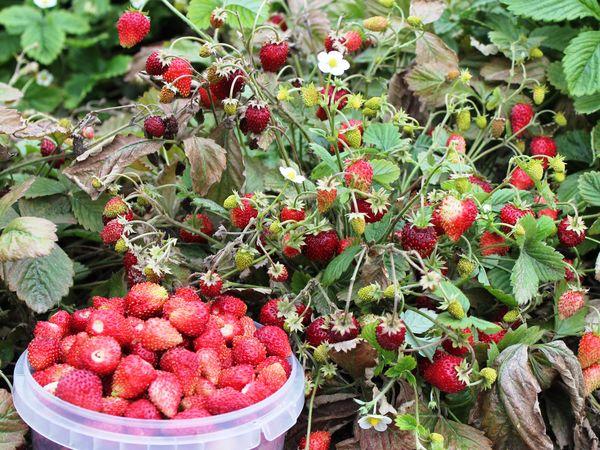
If you plant it too deeply, the plant will rot, which will lead to its death. If you don't plant the seedling deep enough, it will become susceptible to winter frosts, which will also lead to its death. After planting, compact the soil and carefully loosen the soil between the rows.
To ensure a bountiful harvest next year, it's recommended to remove all flower stalks during planting. During the fruiting period, young strawberries struggle to develop roots and devote all their energy to fruit formation. As a result, the bush becomes depleted, which reduces its resistance to frost.
Care
This strawberry variety is considered an easy-to-grow plant. However, it requires high-quality and comprehensive care.
Watering mode
Drought negatively impacts the development of this strawberry variety. Therefore, regular watering is recommended. Strawberries require maximum moisture during flowering, fruiting, and after harvest.
Sprinkler irrigation is recommended for irrigation before flowering and after fruit harvest. The crop requires high air humidity. During flowering and berry ripening, it's important to water the spaces between rows, as excess water can cause dark spots on the leaves and fruit rot.
Watering under strawberry bushes is not recommended. They are characterized by spreading roots that grow along the periphery of the plant's above-ground parts.
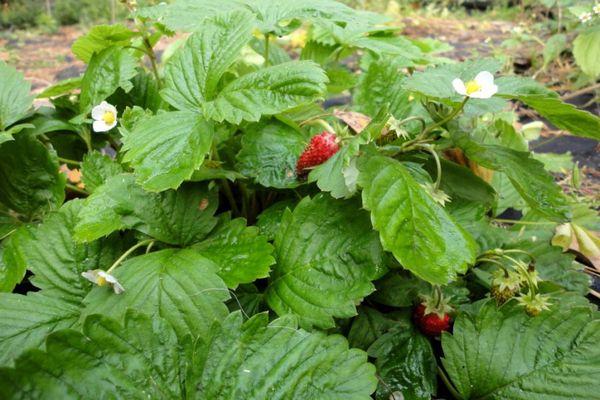
Top dressing
Strawberries produce a bountiful harvest only in nutritious soil. Nutrient deficiencies appear two years after planting. This causes poor growth, reduced yield, and small, tasteless berries.
During the first year of cultivation, fertilizer is not necessary if the bed has been properly fertilized. After this, the soil is fertilized using mineral or organic fertilizers. In the spring, strawberries require nitrogen fertilizers, and during the fruiting period, phosphorus and potassium-based fertilizers are used. After harvesting, organic fertilizers are recommended.
Nitrogen fertilizers should be applied strictly according to the instructions.
Excessive amounts of this element in the soil cause fattening, which often leads to the development of diseases and pest attacks.
Weeding and loosening the soil
After each soil moistening, it's recommended to loosen the bed. This procedure improves air circulation. Otherwise, poor root development occurs, which negatively impacts the quality and quantity of the harvest.
Before flowering, loosen the soil three times a week; afterward, once every seven days is sufficient. Since strawberry roots are shallow, loosen the soil to a depth of 2-3 centimeters. Prompt removal of weeds, which are sources of diseases and pests, is also important.
From the second year onward, bushes require hilling. This is due to the formation of new adventitious roots on the trunk. Hilling helps make the plant more lush and spreading.
Mulching
This procedure helps retain moisture in the soil structure and inhibit weed growth. In the spring, gardeners often remove the mulch layer to allow the soil to warm up better. When this happens, the mulch can be replaced. It is recommended to use a fresh layer. Straw, fallen leaves, and sawdust can all be used as mulch.
Preparing for winter
This strawberry variety is highly frost-resistant. Bushes can tolerate temperatures as low as -35 degrees Celsius. Therefore, it is recommended to cover only young plants.
To prevent root freezing, strawberries should be watered generously in the fall and fertilized with phosphorus and potassium. A 15-centimeter layer of mulch is recommended.
Preventive treatments against diseases and pests
Baron Solemacher is resistant to most diseases. It rarely suffers from rot and spotting. However, experienced gardeners advise against taking risks. Preventative treatments can help avoid problems.
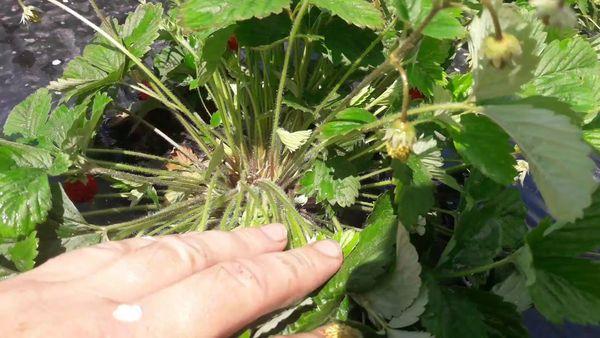
In spring, before flowers appear, use a 3% Bordeaux mixture solution. In summer, it's better to use copper preparations or a composition based on colloidal sulfur.
During fruit ripening, it's a good idea to spray the plants with Lepidocide. In the fall, treat the beds with a Bordeaux mixture solution. Its concentration should be 1%.
Pests rarely attack strawberries of this variety. However, improper agricultural practices can result in strawberry mites infesting the bushes. Keltan and Karbofos can help control these pests.
Methods of reproduction
Strawberries can be propagated in various ways—by seeds, by dividing the bush, or by using rosettes. Each method has its own specific characteristics.
Seeds
This strawberry variety can be grown from seed. However, it's important to keep in mind that seedlings will only appear after a few weeks. Therefore, planting should be done early.
Time to sow seeds
Seeds of this variety are planted from late February to mid-April, depending on the regional climate. The later the seeds are planted, the later the harvest will be. The plant requires light, loose soil that is permeable to air. The soil is usually a mixture of garden soil and commercial potting soil.
Sowing in peat tablets
Peat pellets are an ideal substrate for strawberry seeds. Their key advantages include the following:
- the presence of nutrients required for germination;
- no need to pick seedlings;
- the possibility of growing healthy bushes;
- increased permeability to moisture and air.
It's important to keep in mind that tablets dry out very quickly. Therefore, it's recommended to constantly monitor their moisture levels.
Sowing into the soil
Soil seeding can be combined with stratification. To do this, we recommend the following steps:
- pour prepared soil into a plastic container with holes, and then place a layer of snow;
- place seeds on top;
- cover with film and put in the refrigerator;
- place on the windowsill near the light source;
- remove the lid daily and ventilate the crops;
- moisten the soil from time to time, avoiding it from drying out;
- ensure a temperature of +20-25 degrees.
When to expect the first shoots
The first shoots appear approximately 2-3 weeks after planting. Full germination occurs within 1 month.
Dive
The seedlings are considered very delicate. Therefore, it is recommended not to touch them until four true leaves appear. After that, the seedlings can be carefully transplanted. To do this, move them to separate pots, but do not plant them too deeply.
Transplanting shoots to a permanent location
To ensure proper aeration, it's recommended to leave sufficient space between plants. Typically, 30-35 centimeters are left between plants. Between rows, the distance should be 70 centimeters. It's important to remember that burying the growing point is not recommended. At the same time, avoid exposing the roots.
Why seeds don't germinate: reasons and solutions
For full seed germination, comfortable conditions are essential. Problems can arise due to disease. Treating seeding containers with antifungal agents and disinfecting the soil can help prevent this.
To ensure seeds germinate, it's important not to neglect the stratification procedure. Germination is also reduced by improper temperature and humidity conditions, and by a lack of ventilation.
Avoid allowing the soil to become excessively dry. However, excess moisture, in the absence of adequate ventilation, can also cause problems, leading to mold growth. Insufficient light will cause the seedlings to become weak.
By dividing the bush
Several plants can be obtained from each bush. To do this, the mature plant should be cut into pieces, along the growing points. The resulting fragments are then replanted in light, moist soil.
To speed up the rooting of strawberries, you need to carry out the following procedures:
- systematically hill up the bushes;
- remove leaves;
- plant bushes in a greenhouse;
- maintain optimal humidity;
- shade the plantings from the sun.
After 1 month, a strong root system will form. At this point, the plants can be moved to their permanent location.
It is permissible to propagate strawberries by dividing the bush throughout the season, but not later than September.
Sockets
Old rosettes 2-4 years old can be divided. This can be done in spring or fall. It's important to remember that the new bushes should have horns and strong roots.
The specifics of growing strawberry bushes in pots
To grow strawberries at home, you should do the following:
- Fill the pots with fertile soil.
- Place a drainage layer on the bottom.
- Plant 1 plant in each container.
- Place the plantings on a balcony or windowsill, facing south.
- Provide the bushes with additional lighting.
- Water and feed on time.
Reviews of the variety
Numerous reviews of the plant testify to its popularity:
- Marina: "This strawberry variety thrives in the Moscow region. I've managed to harvest several crops over the summer. The berries are delicious."
- Victor: "I live in the south. Our Baron Solemacher strawberries produce a harvest as early as June. And the berries can be picked all summer long."
The Baron Solemacher strawberry is deservedly popular among gardeners. This crop is distinguished by its excellent yield and excellent flavor. However, it requires thorough care.
Related posts:
 Description of the Ruyana strawberry variety, planting and care instructions
 Methods for planting and propagating cherries at home
 The best grape varieties for growing in the Urals, planting and care rules in summer
 The best methods for growing grapes from seeds at home
 Growing and caring for hazelnuts in open ground, rules for planting hazelnuts
 Rules for planting and caring for pears in open ground, how to grow them correctly
 The best eggplant varieties for growing in a polycarbonate greenhouse: planting and care
 Conditions for growing mandarin at home and rules for caring for the tree
Thank you very much. The information is very clearly written and useful. I stumbled upon your site by accident. I look forward to continuing to get to know you. Sincerely, Galina.