
- Selection and cultivation regions of Selva strawberries
- The main advantages and disadvantages of the remontant variety
- Botanical description and characteristics
- Size and appearance of the bush
- Flowering, pollinators and fruiting
- Taste qualities and scope of application of berries
- Susceptibility to diseases and pests
- Frost and drought resistance
- Landing rules
- Deadlines
- Selecting a site and preparing beds for strawberries
- Preparing seedlings
- Stages of the planting process
- Further care
- Watering mode
- How to protect strawberries from summer heat
- Top dressing
- Weeding and loosening
- Mulching strawberries
- Treatment against diseases and pests
- Shelter during the winter period
- Methods of propagation of culture
- Interesting growing options
- Reviews from gardeners and summer residents
Both adults and children love to enjoy juicy, aromatic strawberries. To ensure the berry has excellent flavor and nutritional properties, it's important to choose the right variety. Gardeners will be interested in reading about the Selva strawberry, which is currently recognized as one of the best everbearing varieties.
Selection and cultivation regions of Selva strawberries
The Selva strawberry variety was developed in the 1970s by breeders in the United States. Three well-known varieties—Brighton, Pajero, and Tufts—were used as parents. Field, greenhouse, and plastic-covered trials confirmed the berry's important properties, including high yield and resistance to pests, diseases, and adverse conditions.
Selva strawberries are successfully cultivated not only in their native United States, but also in virtually all European countries. In the post-Soviet space, this berry grows in Russia, Belarus, and Ukraine.
The main advantages and disadvantages of the remontant variety
Everbearing strawberry varieties bear fruit several times a year - not only in summer, but also in autumn.
Among the advantages of Selva:
- aesthetically attractive appearance of ripe fruits;
- high yield;
- three stages of harvesting during the growing season;
- good transportability;
- large fruit size;
- high resistance to frost, diseases and pests.
The disadvantage of this variety is the rapid degeneration of plantations. However, strawberries produce runners abundantly, which quickly rejuvenates them. Once the runners take root, fruiting begins immediately.
Botanical description and characteristics
Let's consider what the Selva strawberry variety is and what important characteristics it possesses.
Size and appearance of the bush
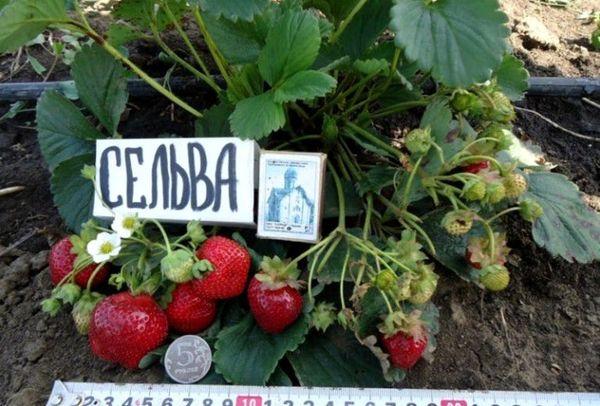
Selva is characterized by compact, not very spreading, but quite strong and robust bushes, reaching a height of about 50 centimeters. The leaves are a rich, vibrant green.
During one season, strawberries produce a large number of runners.
Flowering, pollinators and fruiting
The lower part of the bush contains flower stalks, usually numerous. They are strong enough to prevent them from reaching the soil surface. Numerous buds form on the stalks. The flowers are large and snow-white, and they are bisexual. Fruits subsequently appear, which are firmly attached to the stems.
When growing Selva strawberries outdoors, pollination is easy. Wind and bees are sufficient. To attract these insects, it is recommended to sprinkle honey water over the strawberry bed (1 liter of water per 1 tablespoon of honey). To ensure effective pollination in greenhouse conditions, create a draft using a cool-air fan. During the flowering period, run the fan for 3 hours a day.
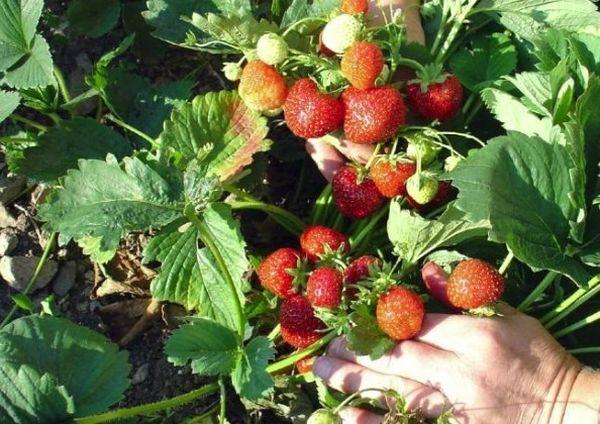
The first fruits of the everbearing Selva strawberry ripen quite early—in late May or early June. Three to five fruiting stages are observed throughout the season.
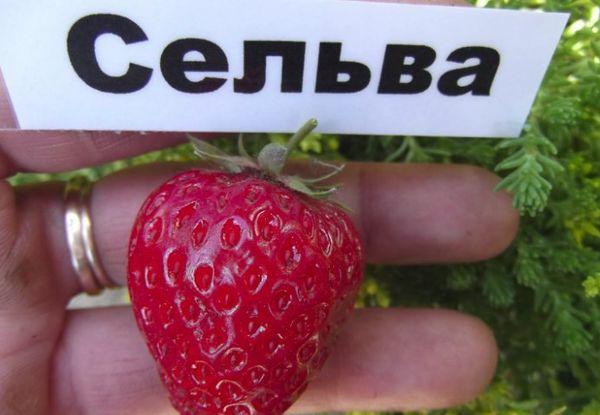
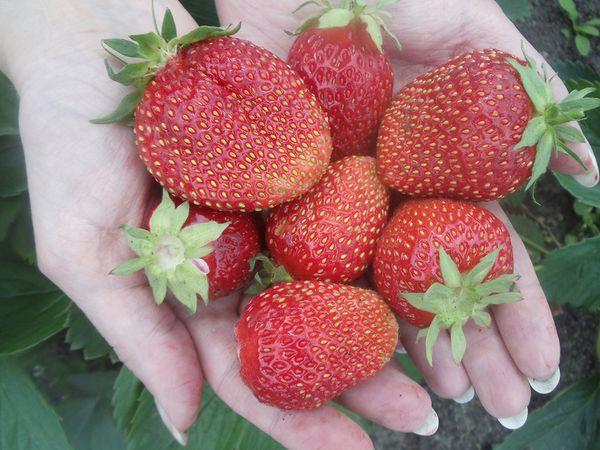
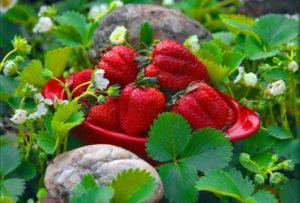
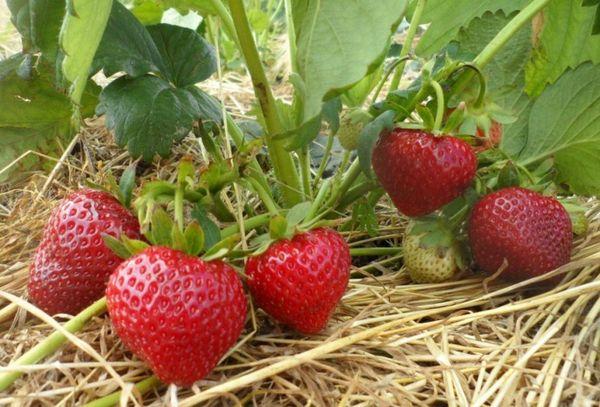
The large fruits weigh around 30 grams, but some can reach 75 grams. They have a uniform, rich, bright red color with an attractive sheen, as well as a regular conical shape with a flat base or short neck.
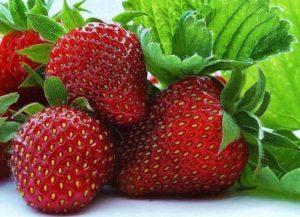
The fruit's flesh is dense, red on the outside and lighter in the center. Numerous seeds, with a reddish or golden hue, are located near the surface.
Taste qualities and scope of application of berries
Early-ripening berries are not juicy or flavorful enough. Fruits that ripen in midsummer have the best flavor—they are sweet, juicy, and aromatic. It's recommended not to pick them from the bush after they reach maturity, but rather to let them sit for about three more days.
The taste of Selva strawberries is described as dessert-like – sweet with a pleasant sourness, reminiscent of the taste of wild wild strawberries.
The fruits are characterized by good density, shelf life and transportability.
Selva strawberries can be used in a variety of ways. They can be used to make desserts, baked goods, preserves, jams, compotes, candied fruits, and much more.
Susceptibility to diseases and pests
High resistance to diseases and insect pests is one of the main advantages of the everbearing Selva variety. It is virtually immune to white and brown spot, gray mold, and powdery mildew.
Possible damage by strawberry mites, nematodes, raspberry-strawberry or nettle-leaf weevils. It is important to detect the pest in a timely manner and take appropriate measures. To repel these insects, it's recommended to plant calendula or marigolds near strawberry plantations; their scent has a pest-repelling effect. As a preventative measure, treat the bushes with an infusion of wormwood or garlic. A liquid mixture of laundry soap and garlic is also effective.
Frost and drought resistance
The Selva variety is frost-resistant, so even in harsh winter conditions, the strawberry thrives.
Selva's drought tolerance is average. However, this variety does not tolerate standing water.
Landing rules
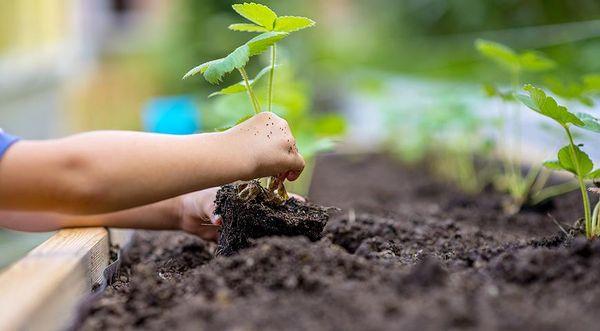
When planting Selva strawberry bushes in your own garden, it's important to carefully consider the timing, site requirements, and soil composition. It's important to choose strong, healthy seedlings and follow a specific planting plan.
Deadlines
The optimal time for planting Selva strawberries is spring days when the air warms up to +18 °C.
You can also plant this berry in the fall, but do not wait for the first frost.
Selecting a site and preparing beds for strawberries
A favorable site for growing Selva strawberries is sunny and protected from the winds. It is advisable to plant the berry at a slight elevation, as this has a positive effect on its taste. Fruits grown in the lowlands, on the contrary, lack sweetness and firmness.
It is advisable to create strawberry beds on the southern or western side of the plot, as this improves growth, ripening and fruiting.
Choose a neutral or slightly acidic soil. Loam is ideal, but it should be sufficiently breathable and loose.
During the preparatory stage, add nitrogen-phosphorus-based mineral fertilizers to the soil, as well as readily available organic fertilizers such as dolomite flour, peat, and manure. Afterward, thoroughly dig and loosen the soil. Do not use chlorine-containing fertilizers.
Preparing seedlings
Pre-planting preparation of Selva strawberry seedlings plays an important role.
An hour or an hour and a half before planting outdoors, the seedlings should be watered generously with a lukewarm herbal infusion or humus solution. After this, carefully dig up the seedlings and soak their roots for two hours in a growth biostimulant (a garlic infusion or herbal starter can be used instead).
Stages of the planting process
When planting strawberries in open ground, it's important to follow a specific pattern. The minimum distance between plants should be 25 centimeters, and between rows, 60 centimeters.
The planting stages are as follows:
- Make small holes at the required distance.
- Place the roots of the seedlings in each hole, allowing them to grow freely. Make a mound at the bottom of the hole and place the plant on top.
- Make sure that the remaining roots go down the mound evenly, without bending upward.
- Make sure the base of the heart is level with the soil surface. Otherwise, it is at risk of rotting.
- Spread the strawberry roots evenly and compact the soil at the very bottom.
- Fill the hole with soil until it is full, then compact the soil.
- Water the seedlings right at the roots with warm water. This will help the loose soil settle and adhere firmly to the strawberry roots. The amount of water needed depends on climate and weather conditions. On average, one 10-liter bucket of water will be needed for two rows of plants. In extremely dry and hot weather, two such waterings will be necessary.
- Finally, mulch with a thin layer of compost.
Further care
To ensure that grown strawberries have the best taste and nutritional qualities, it is important not only to plant them correctly but also to provide comprehensive subsequent care.
Watering mode
The Selva strawberry variety is easy to care for. However, it is fussy and requires moisture. Even the slightest drying out can result in crop loss. For the first ten days after planting, the plant requires intensive watering. Subsequently, the amount can be reduced. When watering, avoid getting water on the leaves and fruit.
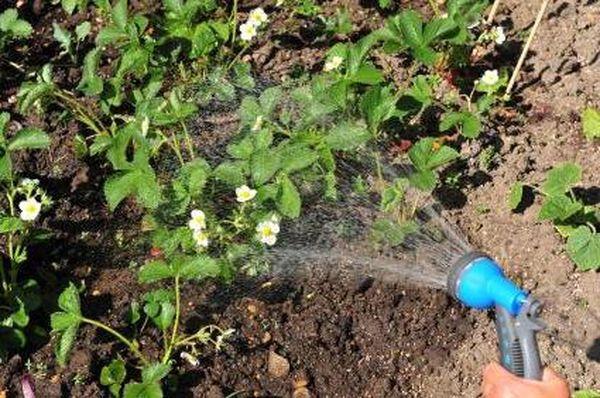
Particular attention should be paid to the condition and moisture of the soil during budding, flowering and fruiting.
To ensure constant soil moisture at the required level, it is recommended to use drip irrigation systems.
If you don't have any, you can make a cheap alternative. Carefully cut the bottoms off plastic bottles and poke a few holes in the caps. Place the bottle near the Selva strawberry plant, sticking the neck into the soil, and then fill it with water.
How to protect strawberries from summer heat
Summer heat has a negative impact on Selva strawberries. To protect them, mulch the soil with hay or straw. This will reliably protect them from harmful overheating.
Top dressing
As a remontant variety, Selva strawberries bear fruit throughout the summer and, under favorable conditions, into the fall. Therefore, they require periodic feeding throughout the season.
Along with watering, it is necessary to add organic and mineral fertilizers to the soil to prevent depletion of the soil and the plant itself.
Weeding and loosening
Strawberry beds need to be weeded and loosened periodically. It's best to loosen the soil after rain. During the growing season, the soil should be loosened at least 5-7 times.
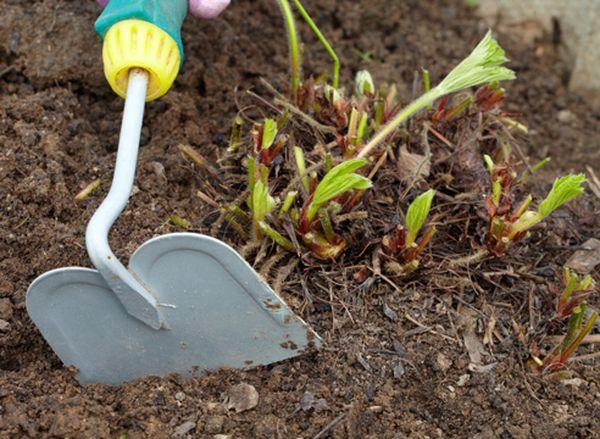
Selva strawberries need to be weeded several times a year:
- in spring before flowering;
- before the end of flowering;
- after fruit formation.
Mulching strawberries
It is recommended to mulch Selva strawberries in spring and autumn using the following means:
- straw (suitable for both spring and autumn processing);
- a layer of 3 to 5 centimeters of needles (in spring and autumn);
- cardboard (only in spring).
Treatment against diseases and pests
To ensure that Selva strawberries are healthy and resistant to insect pests, they require special treatment.
When the first signs of common diseases such as brown and white spot appear, the following measures should be taken:
- In early spring, remove all remaining dry leaves, which provide a haven for the causative fungus;
- add mineral fertilizer during the first loosening of the soil (the optimal composition per 1 square meter of the plot is 10 grams of superphosphate, ammonium nitrate and potassium chloride);
- 10 days after harvesting, spray the strawberry bushes with Bordeaux mixture;
- In case of severe fungal infections, treat the area with a fungicide diluted with water.
If strawberries are affected by verticillium wilt, which appears as brown spots on the leaves, it is advisable to treat them with a 5% solution of ferrous sulfate.
To protect against strawberry-raspberry weevil and sawfly, the plant should be treated with appropriate insecticides.
Shelter during the winter period
Despite its inherent cold resistance, Selva strawberries need shelter during winter. Methods and techniques vary depending on the climatic characteristics of the region.
In areas with severe frosts, strawberry plants should be covered with thick layers of humus or peat. It's a good idea to harden the plants off beforehand by keeping them out in the open during mild frost.
For regions with a warm temperate climate, a cover made of spruce branches, non-woven material or straw will be sufficient.
Methods of propagation of culture
The Selva strawberry can be propagated in several ways:
- Seeds. In this case, you need to soak them first. Then spread them in a thin layer on a lightly dampened paper towel in a small saucer. Place the saucer in a plastic bag and expose to light until germination occurs. Plant the seeds in a container filled with a mixture of peat and vermicompost in equal parts. After the first two leaves appear, transplant them to a separate container or into open ground.
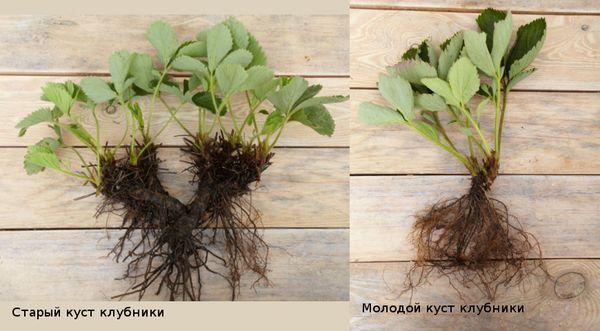
- Tendrils. After harvesting, tendrils begin to extend from the mother plant toward areas with good light. Rooted rosettes should be carefully separated from the mother plant, dug up, and then transplanted to a favorable location.
Interesting growing options
Because of the numerous long tendrils that appear on the Selva strawberry, many gardeners prefer to grow it as a climbing ornamental plant.
To do this, place a trellis near the bush to provide support. The strawberry tendrils will begin to cling to it, creating a unique, attractive spot in the garden. The snow-white flowers and deep red fruits look stunning against the fresh greenery.
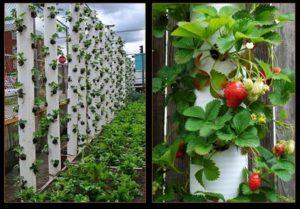
Another unconventional option for growing strawberries is as a trailing plant. For this, you'll need a barrel or pot.
Reviews from gardeners and summer residents
Lana: "I'm a big strawberry lover. I've had several varieties growing at my dacha for a while now. But I only discovered Selva two years ago, when a neighbor suggested it. The seedlings yielded an excellent harvest right from the start. The berries are firm, moderately juicy, and sweet and tart. They're one of the best choices for preserves!"
Nadezhda: "Last year, I planted just a couple of plants, just to try them out, as I wasn't familiar with the variety. Over the course of the summer, I grew ten of them due to vigorous runner growth. We harvested three times during the season, which is very pleasing."
Alina: "I'll be honest, the first time I tried Selva, I was disappointed. The berries were bright and beautiful, but the flavor was far from perfect. I changed my mind when the new harvest ripened in midsummer. The flavor of the berries was completely different; they were large, juicy, and sweet with a slightly refreshing tartness."
Related posts:
 How to grow strawberries at home
 Description of the Florence strawberry variety, planting and care features
 Description and characteristics of the Vima Zanta strawberry variety, planting and care scheme
 The best varieties and cultivation of everbearing strawberries, fertilizing and propagation
 Description of the Holiday strawberry variety, cultivation and propagation methods
 Timing and rules for fertilizing strawberries, and the best fertilizer for a good harvest
 Description and characteristics of the Zenga Zengana strawberry variety, planting and care
 Signs of disease and pest attacks on strawberries, treatment methods