
- The importance of timely feeding
- What fertilizers are used?
- Organic
- Bird or cow manure
- Mullein
- Liquid manure
- Wood ash
- Yeast
- Minerals
- In many cases, adequate feeding of garden strawberries is simply impossible without the use of mineral fertilizers.
- Potassium
- Nitrogen
- Potassium salt
- Kemira
- Nitroammophoska
- Superphosphate
- Nitrophoska
- With ammonia
- Boric acid and iodine
- Terms and conditions for depositing funds
- During the flowering period
- During the formation of ovaries
- When the fruits ripen
- After pruning
- General recommendations for gardeners
- Errors and how to fix them
Strawberries are undoubtedly one of the most delicious, widespread, and beloved berries. But to ensure vigorous bush growth and a harvest of large, plump, and sweet fruits, desire alone is not enough. Excellent results can only be achieved by using balanced and timely fertilizers that provide strawberries with all the necessary micro- and macronutrients.
The importance of timely feeding
To maintain overall health, resistance to diseases and pests, increase fruit size and flavor, and increase yields, strawberries require fertilizing.
Everbearing varieties especially require care and adequate nutrition. For both regular and everbearing strawberries, it's not just the treatment that's important, but timely feeding according to the plant's specific developmental phase.
What fertilizers are used?
It is necessary to feed not only with mineral fertilizers (Nitroammophoska, superphosphate), but also with organic ones (cow manure, bird droppings, wood ash).
Organic
Organic farming advocates use only this type of fertilizer. This has its undeniable pros and cons.
Pros:
- relatively cheap compared to mineral ones;
- high efficiency for gaining vegetative mass in strawberries;
- absolutely environmentally friendly and safe;
- have the ability to accumulate in the soil, restoring its fertility;
- no difficulties with searching, purchasing and storing.
Weaknesses:
- it is impossible to accurately calculate the dosage, for example, for use in hydroponics;
- there is a risk of burning the roots of plants if the humus is not sufficiently rotted;
- There is a formula for mineral fertilizers for each stage of strawberry development;
- unpleasant odor, especially when working with fresh manure;
- there is a danger of bringing diseases, soil pests and weed seeds into the area with humus.
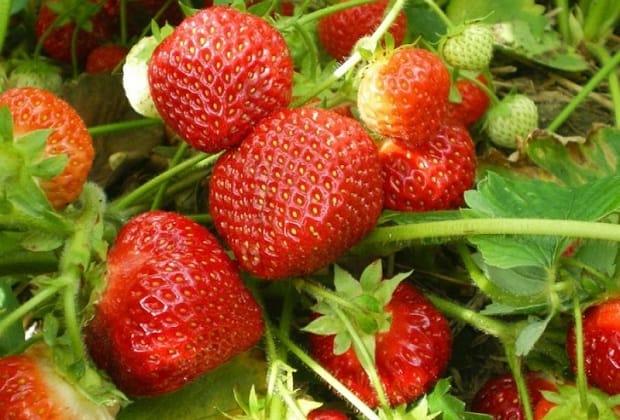
Bird or cow manure
When using fresh manure or dung, spread it over bare soil or between rows of plants in late fall, but never in spring. By spring, the manure will have rotted completely, and low temperatures will kill pests that like to overwinter there, particularly cockchafer larvae.
It's important to remember that fresh manure, especially bird droppings, will only harm plants—as it decomposes, it releases a lot of heat, which will simply burn the strawberry roots.
Depending on the soil type and its fertility, 0.5 to 1 ton of cow manure is required to fertilize 100 square meters. Chicken manure is the most concentrated and nutritious fertilizer, so this should be taken into account when using it. Its consumption rate is 100-150 kilograms per 100 square meters.
Mullein
A good all-purpose organic fertilizer for feeding strawberries is fresh cow manure diluted with water at a ratio of 1:5. Then, let it ferment for two weeks, stirring daily. This fermented liquid is commonly called "mullein." It's a good idea to add some fresh grass to the container with the fermenting mullein.
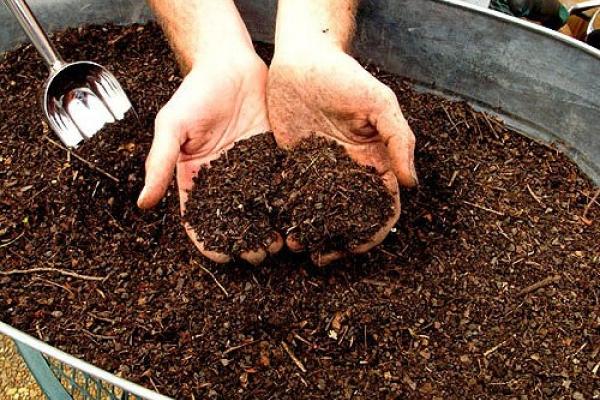
It contains a full range of essential macro- and micronutrients, but is richest in nitrogen, followed by potassium. Fertilizing with it is especially important during periods of vegetative growth or active runner growth. Before use, mullein is diluted with water at a ratio of 1:10.
Liquid manure
This is a liquid that forms under dry feces and animal bedding. It is diluted with water at a ratio of 1:8 and left to steep until a homogeneous, liquid mass is formed. When watering at the roots, avoid contact with the leaves, as this can cause them to burn and subsequently turn yellow.
Wood ash
Wood ash is not only a source of potassium, essential for flowering, fruit ripening, and flavor development, but also a good antifungal agent. On average, 150-200 grams of ash is used per 100 square meters. Add 1 cup of ash (250 grams) to a bucket of water (10 liters), mix well, and water the bushes at the roots. The number of applications per season can reach up to three.
Yeast
This feeding method not only provides effective fertilizer but also helps prevent and treat many strawberry fungal diseases. First, prepare a concentrate by completely dissolving 1 kilogram of grated yeast in 1 liter of warm, but not hot, water. Then, use this to make a solution for feeding the bushes.
To do this, dissolve 0.5 liters of starter in 7 liters of water. For watering, use 0.5 liters of liquid per plant. The yeast fertilizer is used both for watering the strawberries at the roots and as a foliar spray.
Minerals
In many cases, adequate feeding of garden strawberries is simply impossible without the use of mineral fertilizers.
Potassium
Potassium (K) plays a key role in strawberries. It promotes protein synthesis in plant tissues, the accumulation of sugar and carbohydrates, and increases drought and winter resistance, as well as the overall immunity of strawberries and the shelf life of their fruits.
If there is a deficiency, the ends of the leaves on strawberry bushes will acquire a brown edge, and the berries will be soft, gnarled and small.
Providing timely potassium will help berries fill out to their maximum size, improve flavor, and enhance shelf life and transportability. Potassium is applied several times in the spring – before flowering and during fruit ripening.
Nitrogen
For vigorous growth, vegetative mass, and reproduction, strawberries require a timely supply of nitrogen. Well-developed, vigorous bushes are the key to a good harvest and overall plant health. However, it's important not to overfeed strawberries. Excess nitrogen causes strawberries to become overweight, devoting all their energy to increased bush growth at the expense of flowering and fruiting. The first few applications should be carried out in early spring.
Potassium salt
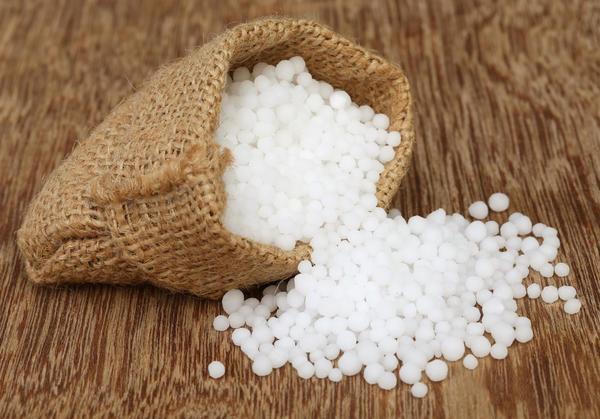
It contains chlorine, so potassium salt fertilizer is not the best option for spring feeding. In the fall, it is scattered between strawberry rows or applied as a fertilizer by diluting 20 grams of potassium salt per 10 liters of water.
Kemira
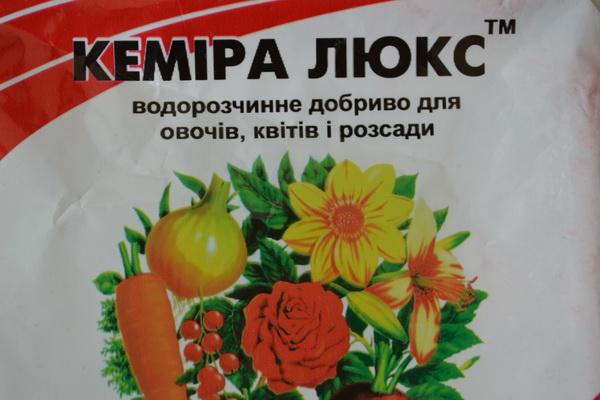
It's a good all-in-one fertilizer for strawberries. It's used before flowering and during fruit ripening. The most common are Kemira Lux (NPK 16.20.27) or Kemira Universal (NPK 10.10.20). The recommended application rate is 20 grams per 10 liters of water.
Nitroammophoska
This is a granular, all-purpose fertilizer, the most common formula being NPK 16.16.16, with equal amounts of nitrogen, phosphorus, and potassium. The fall application rate is 20-30 grams per square meter. For spring and summer watering, add 20 grams (1 tablespoon) of fertilizer to the roots of strawberries per 10-liter bucket of water.
Superphosphate
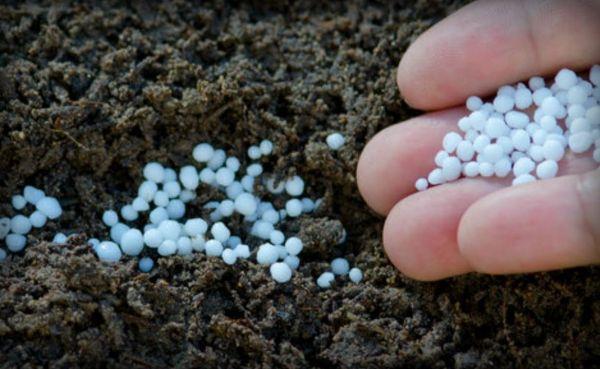
This two-component, granular fertilizer contains a high phosphorus content (20 to 50%) and a small amount of nitrogen. The autumn application rate is 20 to 40 grams per square meter. For root watering, dilute 10 grams of superphosphate in 10 liters of water. It can be used in combination with ammonium nitrate.
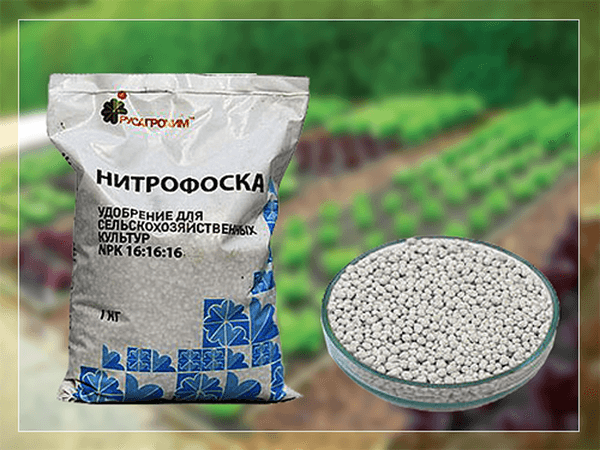
Nitrophoska
This is a universal, nitrogen-phosphorus-potassium granular fertilizer. It differs from nitroammophoska in color (nitroammophoska is pink, while nitrophoska is gray or bluish) and concentration. It comes in sulfate, phosphate, and sulfate forms. When planting strawberries, add 40 grams of fertilizer to each hole, and when watering at the roots, dilute 20-30 grams in 10 liters of water, depending on the type of nitrophoska.
With ammonia
Ammonia treatments also help combat soil-borne pests and stimulate plant growth and development. Apply several times per season, watering the bushes at the roots. Add 40 milliliters of 10% ammonia per 10 liters of water.
Boric acid and iodine
A mixture of these preparations is used to feed strawberries during flowering and fruit set. This improves fruit flavor, increases plant resistance to disease and adverse conditions, and increases fruit set. You can fertilize the soil around the strawberry roots by diluting 10 grams of boric acid in 30 liters of warm water and adding 60 drops of iodine. The recommended dosage for each strawberry plant is 0.5 liters.
Terms and conditions for depositing funds
When planting strawberry seedlings, as well as in accordance with each phase of plant development, fertilizing with fertilizers containing a certain content of nitrogen, phosphorus and potassium is required.
During the flowering period
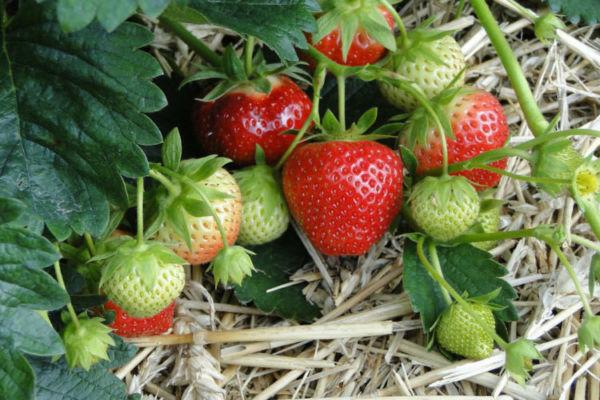
To ensure a good harvest, strawberries need the necessary micro- and macronutrients. In the spring, during flowering, they are fed with fertilizers high in phosphorus and potassium.
During the formation of ovaries
To improve fruit set, the plant should be fed with boron-rich fertilizers, such as boric acid. It should also be supplemented with various fertilizers containing high levels of phosphorus and magnesium.
When the fruits ripen
In summer, to improve berry ripening and filling, gardeners should apply fertilizers high in potassium and phosphorus. Foliar feeding during fruiting should be combined with foliar spraying. Mineral fertilizers should be applied sparingly, not exceeding the prescribed dosage. Of course, it's best to apply only bio or organic fertilizers during this period.
After pruning
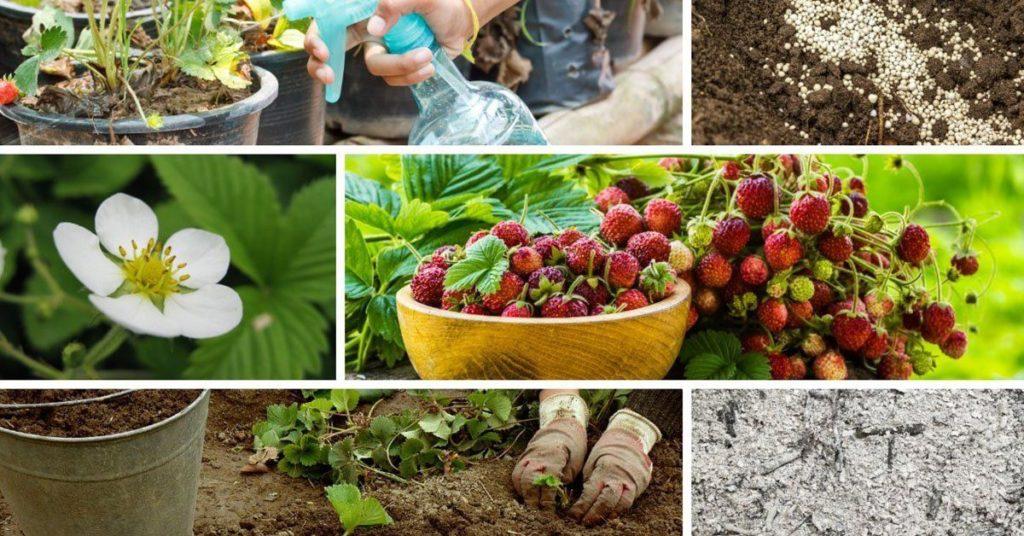
In the fall, after sanitary pruning, additional feeding is required to build strength before winter, as well as promote new leaf growth and root development. Strawberries are fed with general-purpose fertilizers, such as Kemira.
General recommendations for gardeners
The main recommendation is to use both organic and mineral fertilizers together. It's best not to rely solely on one type.
The dosage should not be significantly exceeded, as this will lead to diseases and even death of plants, as well as soil contamination.
It is also necessary to adhere to the processing times – use appropriate fertilizers for each stage of strawberry development.
Errors and how to fix them
The main mistakes novice gardeners make are exceeding the recommended dosage or mixing incompatible products. If applying overly concentrated fertilizers to the foliage of strawberries, thoroughly mist the leaves with clean water several times. When watering, apply generous amounts of water at the roots.
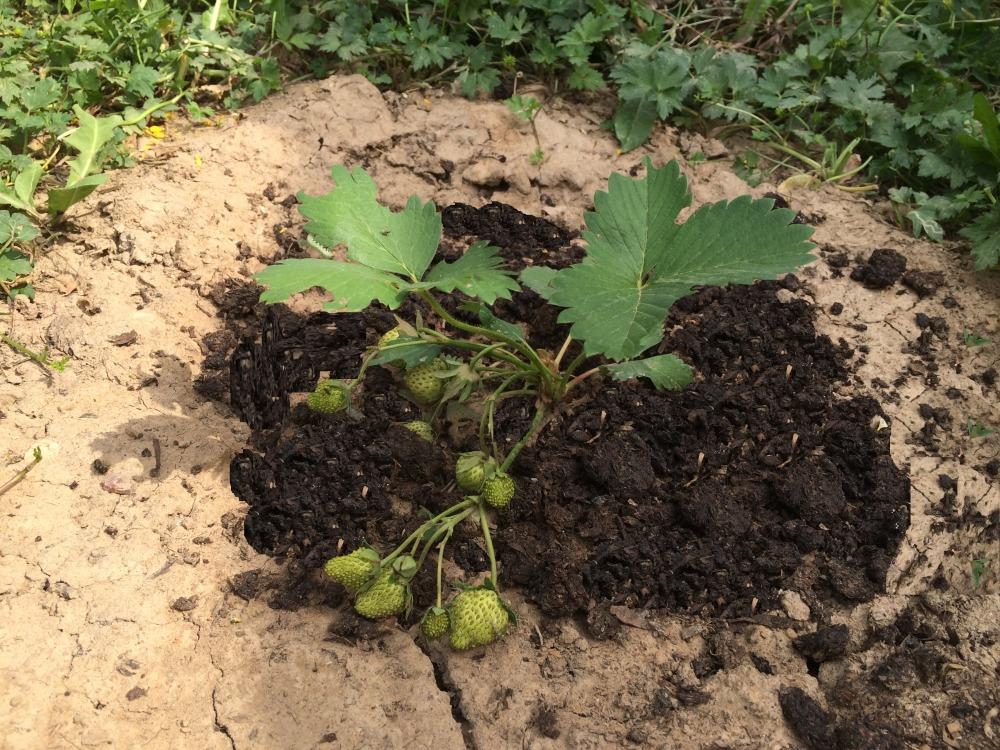
Another common mistake is spreading fresh or partially rotted manure over strawberry beds. The solution is to rake the manure into small piles away from the bushes and water the area.
Related posts:
 Description of the Florence strawberry variety, planting and care features
 How to grow strawberries at home
 Description of the everbearing strawberry variety Selva and cultivation technology
 The best varieties and cultivation of everbearing strawberries, fertilizing and propagation
 Description and characteristics of the Vima Zanta strawberry variety, planting and care scheme
 Description of the Ducat strawberry variety, planting and care instructions
 Description and how to plant the Garland strawberry variety
 Signs of disease and pest attacks on strawberries, treatment methods