
- History of origin
- Main characteristics and description of the variety
- Bushes
- Berries
- Transportation
- Resistance to diseases and pests
- Scope of application
- Advantages and disadvantages of the Marshal strawberry
- The nuances of growing garden strawberries
- Site selection and soil requirements
- Planting material
- Planting strawberries
- Recommendations for crop care
- Watering
- Loosening
- Fertilization
- Plant diseases and pests
- Methods of variety propagation
- Harvesting and storing Marshal strawberries
The Marshal strawberry variety is very popular among gardeners. This plant produces a bountiful harvest and boasts excellent flavor. To successfully grow this berry, it's essential to strictly follow the growing guidelines. This includes timely watering, fertilizing, and protecting the plant from diseases and pests.
History of origin
This strawberry was developed back in 1890 by the American breeder M.F. Well. The variety quickly gained recognition in North America. By the twentieth century, the crop had reached Europe. After World War II, it began to be grown in the Soviet Union.
Main characteristics and description of the variety
The plant is highly productive. It produces beautiful, large fruits, making it a favorite among gardeners.
Bushes
This plant is characterized by large bushes with numerous leaves, all of which are distinguished by a pale green hue. The bushes have strong, upright stems. This plant easily adapts to various climates, being resistant to both frost and heat.
Berries
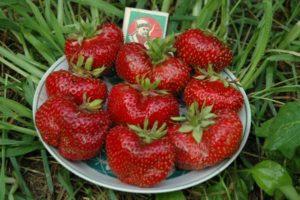
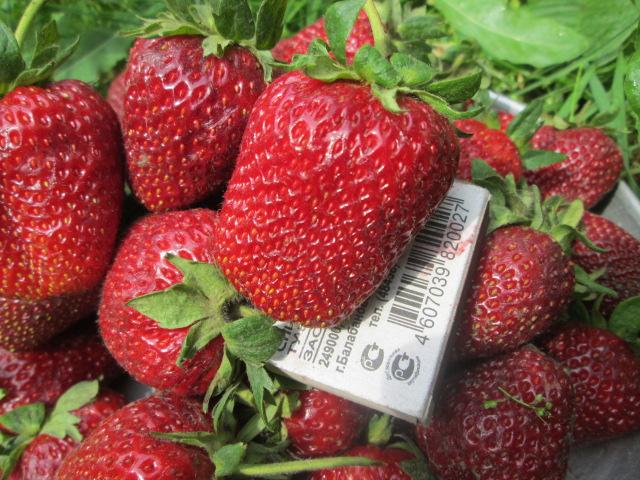
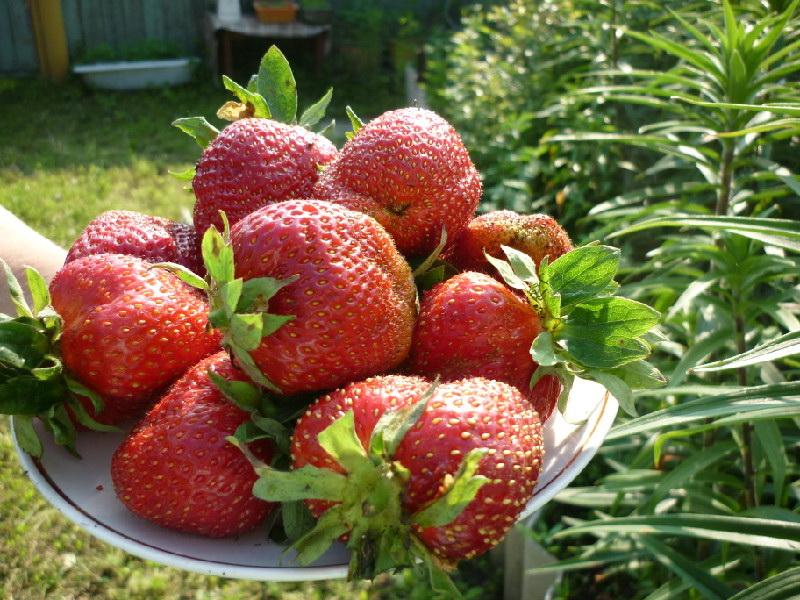
This variety is considered mid-late. The plant bears fruit for a long period and produces a good harvest. The strawberries are characterized by bright scarlet berries with a smooth, shiny surface. The plant produces sweet and delicious berries with a distinct aroma.
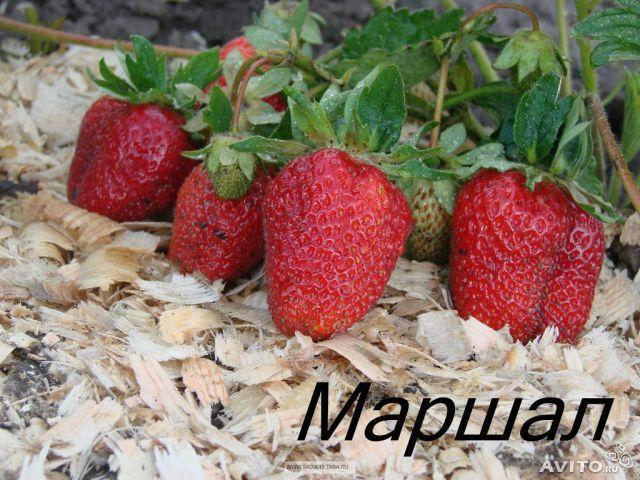
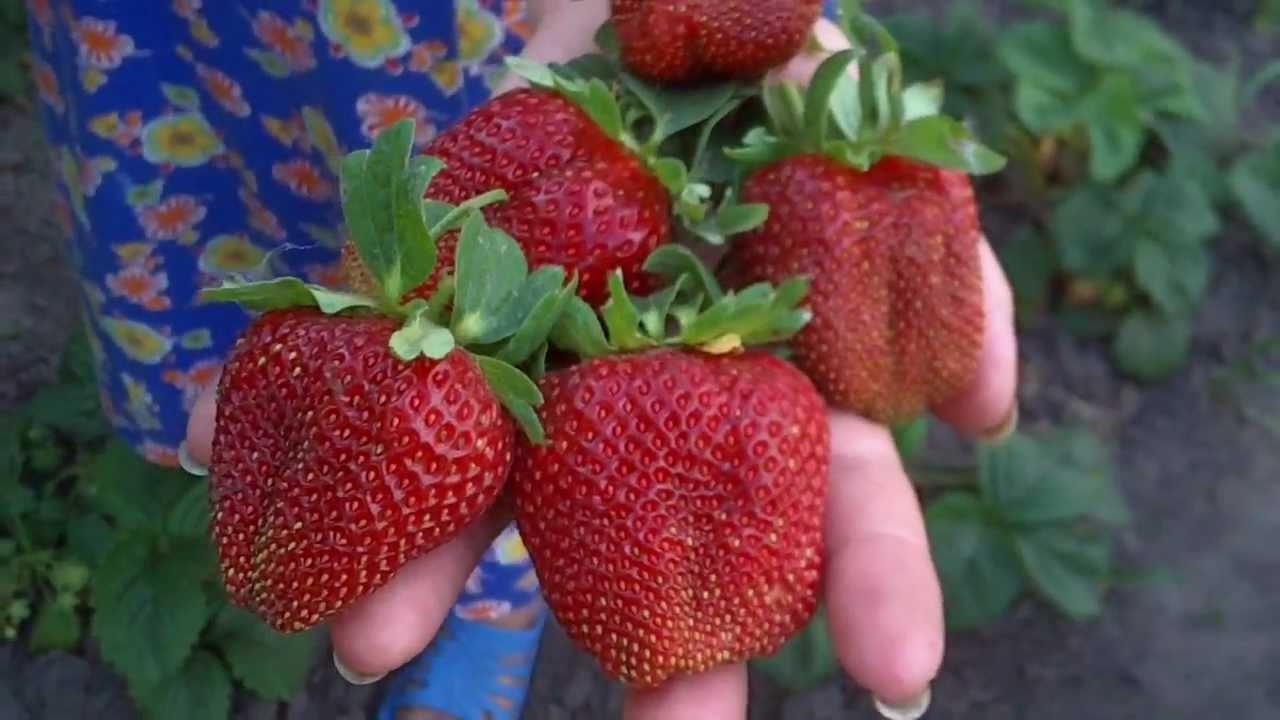
Strawberries are completely free of cavities. The berries have juicy and slightly crumbly flesh. They can weigh up to 90 grams.
Transportation
The fruits are of average density, so the variety is not suitable for transport. If transporting berries is necessary, extreme caution should be exercised. The maximum yield is achieved in the first year of the plant's life. After this, fruiting begins to gradually decrease.
Resistance to diseases and pests
This strawberry variety is highly resistant to diseases and pests. However, experienced gardeners recommend following preventative measures.
Scope of application
The Marshall strawberry is considered a versatile variety. Its fruit has a short shelf life and doesn't transport well. Therefore, it shouldn't be transported long distances. It should be processed near its source. The berries have excellent flavor and a distinct aroma. Therefore, they are eaten fresh or frozen.
In addition, the fruits are actively used for making juices, compotes, and jam.
Advantages and disadvantages of the Marshal strawberry
The plant's key advantage is its rapid establishment. It easily tolerates temperature fluctuations. Another advantage is its resistance to diseases and pests.
The advantages of the plant include the following:
- good yield;
- long fruiting period;
- large fruits and good taste;
- large leaves - they protect the berries from birds;
- no need to use large amounts of fertilizers;
- versatility – the fruits are eaten fresh or canned.
Strawberries tolerate dry weather well. However, to increase fruit production, the soil should be moistened. The Marshal variety is considered almost ideal. However, the plant does have its drawbacks. The berries have difficulty transporting. Furthermore, yields gradually decline.
The nuances of growing garden strawberries
This strawberry variety is easy to grow. It's recommended to plant the bushes in the spring. During the summer, the plants have time to establish roots and produce a good harvest.
Site selection and soil requirements
The plant prefers well-lit areas. It's important to avoid waterlogged soil and drafts. Avoid planting strawberries in partial shade. The berries are well protected from the sun by their large leaves. Strawberries require well-aerated soil. The plant doesn't tolerate clay or sandy soil well.

Planting material
It's recommended to choose seedlings carefully. It's best to buy planting material from trusted sellers. Finding a true Marshal variety with a specific set of genetic characteristics is not easy.
Planting strawberries
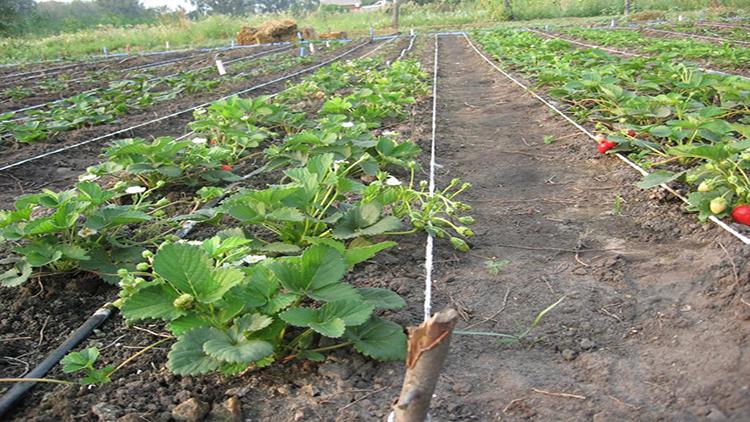
Planting is recommended in the spring, when the soil has warmed sufficiently. This strawberry variety produces large bushes, so it's important to leave sufficient space between them.
It's recommended to plant seedlings in a staggered pattern—in 1 or 2 rows. Maintain a distance of 40-50 centimeters between plants. It's also acceptable to plant in early fall if they were grown from rosettes of mother plants.
Recommendations for crop care
To achieve good results in growing a crop, it is necessary to provide it with proper care.
Watering
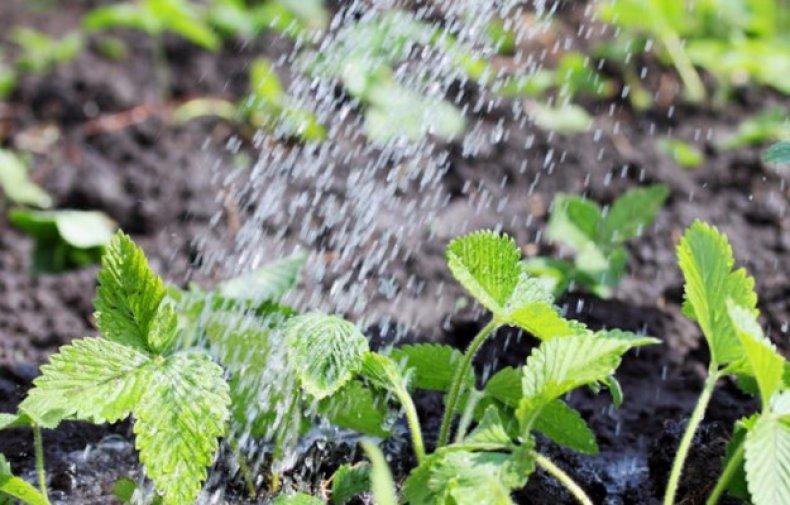
The plant should be watered starting in early May. This is when it experiences active growth. Regular soil moistening is essential. This should be done until harvest. It's recommended to water the plant in the morning or evening to avoid leaf burn.
Loosening
Strawberries require constant soil loosening. This procedure saturates the soil with moisture and oxygen. If the crop grows in compacted soil, you shouldn't expect a good harvest.
Fertilization
Organic fertilizers are recommended for strawberries. Fertilize with slurry, wood ash, and chicken manure. Nutrients should be applied during growth, flowering, and fruiting.
Plant diseases and pests
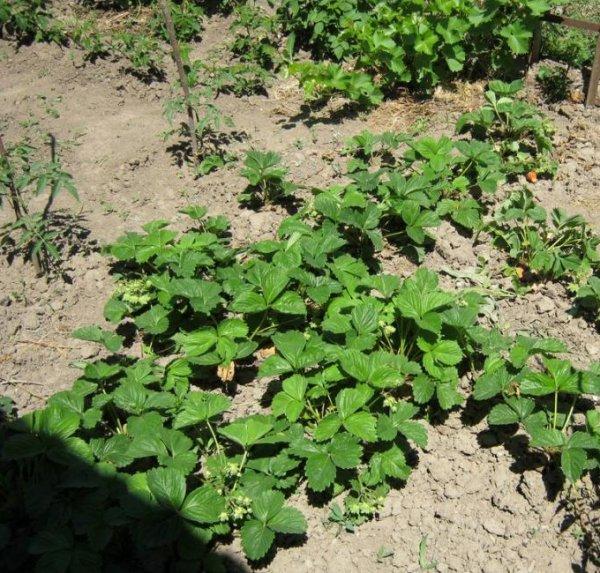
To prevent diseases, it is recommended to spray the plant with fungicides. This can be done once in early spring. This procedure is performed before flowering. Later, the use of chemicals is prohibited, as they accumulate in the flower stalks and berries. Garlic is planted between the rows as a preventative measure.
Strawberry pests often include aphids, whiteflies, and strawberry mites. Insecticides help control these insects.
Regular soil loosening is also recommended. It's a good idea to plant calendula between the rows.

Methods of variety propagation
The crop is propagated by rosettes, seeds, or division. Propagating strawberries from seeds is considered the most difficult procedure. This method is used only for developing new varieties. Division is done in the spring, when planting.
Strawberries are propagated by rosettes as they form. This can be done throughout the season. This method is considered simple and accessible.
Harvesting and storing Marshal strawberries
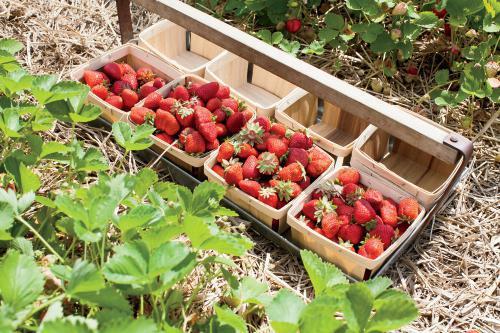
This strawberry variety is highly productive. Each bush produces up to 1.5 kilograms of fruit, which ripen in early June. In warmer regions, two to three harvests are often harvested.
The crop is characterized by large, sweet fruits. Harvesting should be done in dry weather, preferably in the afternoon. Storing damp berries is quite problematic, and in the morning, the fruits are often covered in dew.
The Marshal strawberry produces a bountiful harvest, making it a popular choice among gardeners. To achieve good results, strictly follow the care instructions.
Related posts:
 The best varieties and cultivation of everbearing strawberries, fertilizing and propagation
 How to grow strawberries at home
 Description of the Fireworks strawberry variety, planting and care
 Description of the Cardinal strawberry variety, planting and cultivation
 Description of the everbearing strawberry variety Selva and cultivation technology
 How to grow strawberries in Siberia outdoors: the best varieties and care
 Description and characteristics of the Vima Zanta strawberry variety, planting and care scheme
 Timing of strawberry planting in the middle zone in autumn, description of 25 best varieties