
- History of selection and regions of cultivation of the Cardinal strawberry
- Pros and cons of culture
- Varietal features and characteristics
- Bush size and appearance of the leaf blade
- Flowering and pollination
- Ripening time and yield
- Taste qualities of the fruit and its further sale
- Winter hardiness and drought resistance
- Immunity and susceptibility to diseases and parasites
- Planting strawberries
- Soil requirements
- Site selection and preparation
- Selecting seedlings
- Timing and methods of planting
- Further care
- Watering
- Fertilizer
- Weeding and loosening the soil
- Mulching
- Shelter for the winter
- Preventive treatments against diseases and pests
- Methods of reproduction
- Seeds
- By dividing the bush
- Sockets
- Gardeners' reviews of the variety
The Cardinal strawberry variety has proven itself to be an excellent choice due to its early ripening, high yields, delicious fruit, and decorative bushes. When growing this berry, it's important to adhere to all agricultural practices. Late-ripening berries are larger than early-ripening ones, making them ideal for jam or preserves.
History of selection and regions of cultivation of the Cardinal strawberry
The Cardinal strawberry was developed through breeding in the United States. The variety was developed at the University of Arkansas Agricultural Experiment Station. It enjoys great popularity both abroad and in Russia, Ukraine, and Belarus.
Pros and cons of culture
Advantages of the Cardinal strawberry variety:
- high and stable yields;
- the ability to bear fruit several times per season;
- excellent taste and beautiful appearance;
- preservation of taste and presentation during transportation over long distances;
- resistance to fungal diseases and attacks by harmful insects;
- resistance to frost and sudden temperature changes;
- versatility of fruit use.
Disadvantages of berry crops:
- crop susceptibility to powdery mildew;
- The poor ability of the runners to root, the fruited rosettes are unsuitable for propagation - this feature must be taken into account when breeding this variety of crop.

Varietal features and characteristics
The Cardinal strawberry variety has its own characteristics and remarkable features that distinguish it from other varieties.
Bush size and appearance of the leaf blade
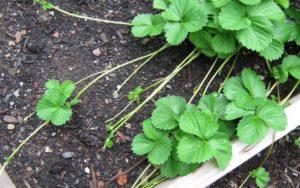
The Cardinal strawberry variety's bushes are not particularly dense, but can reach a height of 40-45 cm. The plant is adorned with glossy, boat-shaped leaves of a dark green color. The undersides of the leaves have a blue tint. The bushes form numerous long runners with young rosettes.
Flowering and pollination
The Cardinal strawberry variety begins flowering in mid-May. During this period, the plant is covered in numerous large white flowers, followed by the appearance of fruit.
 Strawberries are self-fertile plants, meaning their flowers contain both male and female traits, so they do not require pollinators.
Ripening time and yield
Cardinal is a remontant variety, meaning it produces fruit twice per season. This strawberry is one of the earliest berry varieties. If planted in August, the first fruits will form as early as early June the following year. It ripens evenly, making harvesting easier.
The variety demonstrates high productivity; one Cardinal strawberry bush can yield up to 1 kg of fruit.
Taste qualities of the fruit and its further sale
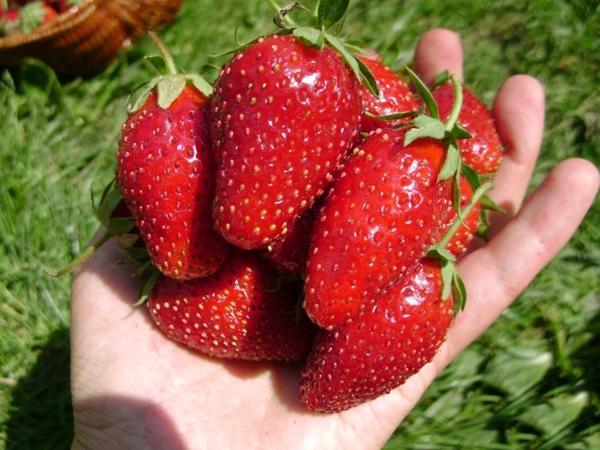
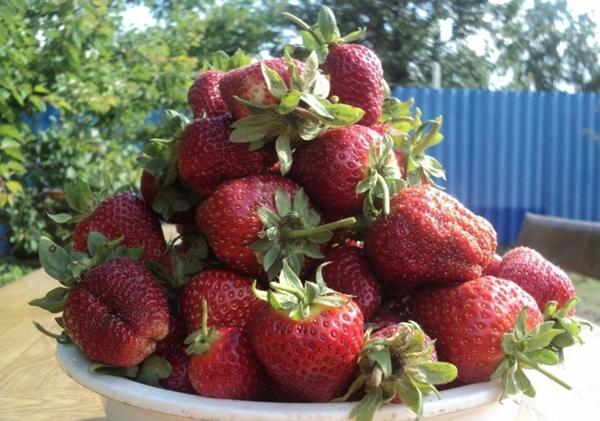
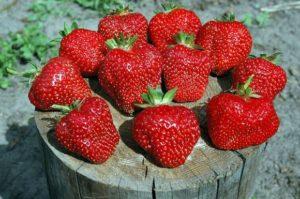
The Cardinal strawberry variety is prized for its large fruits, weighing 70-80 g. The first berries are conical in shape and may have a forked beak. Subsequent fruits are round-conical, with a tapered base and a hollow core. The berry surface is smooth, shiny, and dark burgundy. The flesh is dense and rich in fiber. The dessert flavor harmoniously combines sweetness, slight acidity, and a distinct wild strawberry aroma.
The berries are delicious fresh and suitable for winter preserves, such as jam, jellies, and compotes. They are also an excellent ingredient for making liqueurs and wine at home.
Winter hardiness and drought resistance
Cardinal strawberries can withstand temperatures as low as -16°C (-16°F), so it's recommended to grow them in regions with warm, mild winters. If temperatures drop below -20°C (-68°F) or more, the plant may die, even if the severe frost is short-lived.
The plant also does not tolerate drought, so it is important to moisten the soil in a timely manner during cultivation.

Immunity and susceptibility to diseases and parasites
The most dangerous disease for this crop is powdery mildew, which is diagnosed by a white coating on the foliage and a bronze coloration in the later stages. The leaves curl and dry out, and the fruits crack and become moldy. In severe cases, treatment with fungicides is necessary.
Pests that pose a threat to crops include nematodes and strawberry mites. They destroy plants by feeding on leaves and roots, and many also enjoy eating berries. These pests should be controlled by spraying the plants with insecticides.
Important! When using chemicals, it is recommended to adhere to the application rates specified in the instructions for use, as well as the time period from the last spraying to harvest.
Planting strawberries
Planting Cardinal strawberries requires specific guidelines, and the planting material must be carefully selected. Only by following these guidelines can a good harvest be guaranteed.
Soil requirements
The Cardinal strawberry variety thrives in slightly acidic, loamy soils containing humus and nutrients.
When choosing a planting site, avoid areas with a lot of sand in the soil. Sandy soil will result in poor yields.

Site selection and preparation
Beds located in sunny areas and sheltered from the winds will have a higher yield.
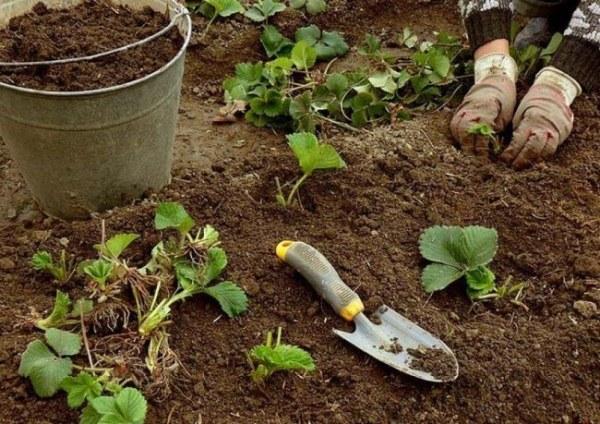
Before planting Cardinal strawberry seedlings, clear the area of weeds. Afterward, you can enrich the soil with organic matter and till it. The site for spring planting should be prepared in the fall, and when planting seedlings in summer or fall, prepare the soil a month in advance to allow the soil to settle, otherwise the roots will become exposed.
Selecting seedlings
It is necessary to purchase seedlings from specialized nurseries, since they grow seedlings with good immunity.
It's best to select one-year-old seedlings for planting. They should be kept in special seedling pots. The main requirements for planting material are a well-developed fibrous root system and three true leaves, which should be strong and have a regular shape, without deformation.
Timing and methods of planting
The recommended time for planting is the last ten days of August or early September. One of the advantages of fall planting is that young plants have time to adapt to their new location and take root before the cold weather sets in.
In practice, two landing schemes are used:
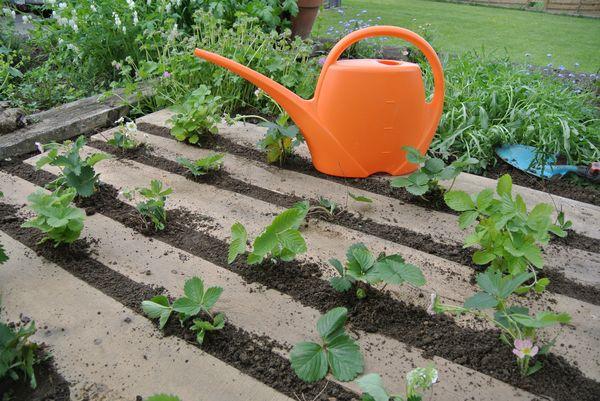
- single-row method, which requires maintaining a distance of 15-20 cm between bushes and 65-70 cm between rows;
- The two-row method involves planting plants in two-row rows spaced at a distance of 0.7 m, with a distance of 0.3 m between rows and 0.4 m between rosettes in a row.
Experienced gardeners recommend denser plantings, which will subsequently allow the rejection of poor-quality material without harming the harvest.
It is important to remember that excessive thickening can lead to the development of powdery mildew.
Further care
Caring for the Cardinal strawberry variety involves implementing measures aimed at ensuring the survival of young bushes and creating favorable conditions for their growth.
Watering
When growing Cardinal strawberries, it's important to ensure adequate watering. A lack of moisture will adversely affect the size and quantity of the fruit. When watering, follow these guidelines:
- The procedure should be carried out only in the evening or morning hours to avoid sunburn of the leaves.
- The water must be settled and have a temperature of at least 20 degrees.
- Before the flower stalks appear, the beds need to be sprinkled; during flowering and fruiting, only root watering is allowed.
After the procedure, the soil under the rosettes must be loosened.
Fertilizer
When growing Cardinal strawberries, a standard fertilizing regimen should be followed. In the spring, nitrogen-based fertilizers should be applied to ensure proper root development. During fruit formation, complex fertilizers are required to prevent disease, and after harvest, it is recommended to enrich the soil with potassium, phosphorus, and rotted compost. These fertilizers will promote bud formation for next year's harvest. Three to four applications should be performed during the growing season.
Weeding and loosening the soil
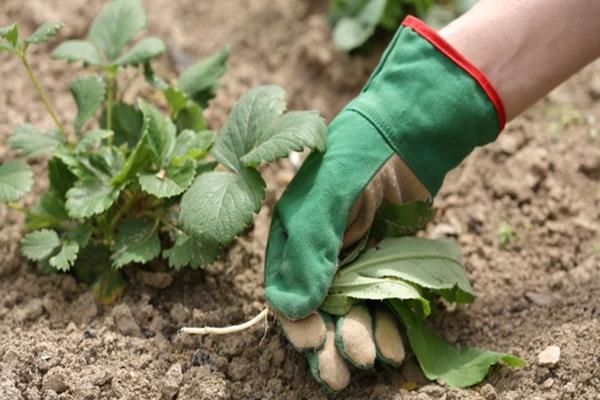
To avoid overloading the soil with chemicals while ensuring the ecological cleanliness of the berries, weeds should be controlled in the area by weeding.
Important! Weeding should be avoided during flowering to avoid shaking off pollen from the flowers.
Loosening the soil will allow the substrate to receive the amount of air needed for root growth.
Mulching
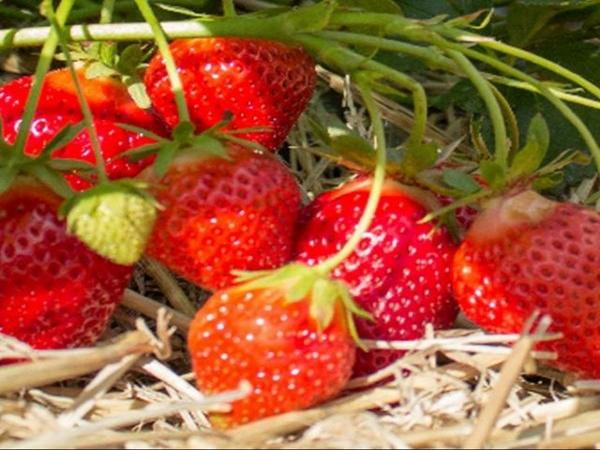
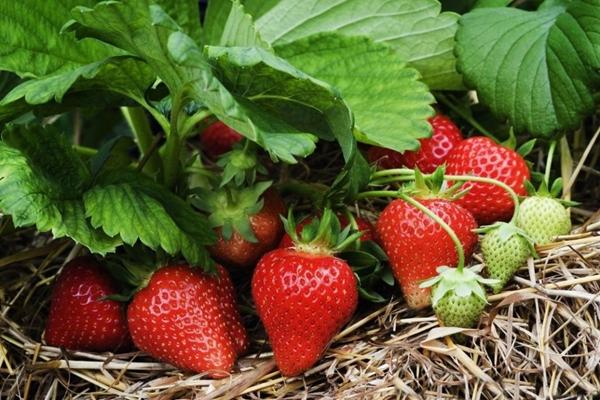
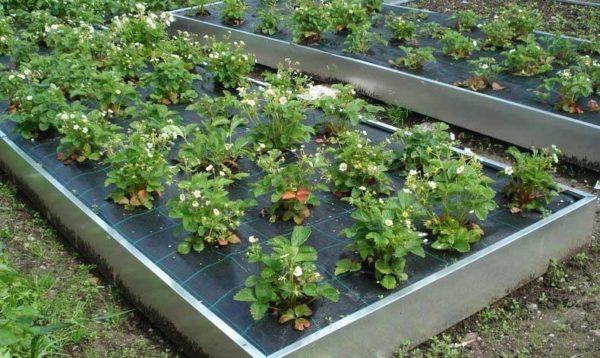
Throughout the growing season, it's recommended to mulch the soil around Cardinal strawberry bushes using straw, sawdust, and plastic film. This will help retain soil moisture, slow the spread of weeds, and protect the plant's roots from freezing. The fruit will remain clean and will not rot due to excessive moisture during rainfall.
Shelter for the winter
The Cardinal strawberry variety is notoriously poorly winter-hardy, so it needs to be properly prepared for winter. To do this, prune the bushes in the fall, removing excess shoots and old foliage. If the roots are exposed, cover them with fertile soil to protect them from freezing. Then, cover the bushes with a layer of sawdust mulch or agrofibre.
One of the best ways to cover a crop for the winter is with spruce branches, which will protect it from cold winds, smooth out temperature fluctuations, and shade the plant from the scorching rays of the winter sun.
Preventive treatments against diseases and pests
There are simple recommendations that will prevent the occurrence of diseases and pests:
- maintaining crop rotation and cultivating crops in one place for no more than 5 years;
- processing of purchased seedlings before planting and immediately after it;
- purchasing planting material only in specialized nurseries;
- destruction of infected plants and weeds;
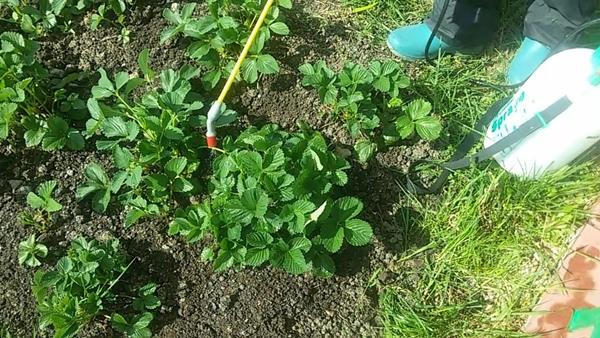
- spraying bushes with special protective agents such as Bordeaux mixture, dandelion infusion, garlic, onion, or proven fungicides and insecticides;
- planting plants that repel harmful insects between rows.
Preventative measures take less time and effort than subsequent fight against dangerous diseases and harmful insects.
Methods of reproduction
Effective ways to increase the area of a strawberry plantation are to propagate it by seeds, dividing the bush, or by rosettes.
Seeds
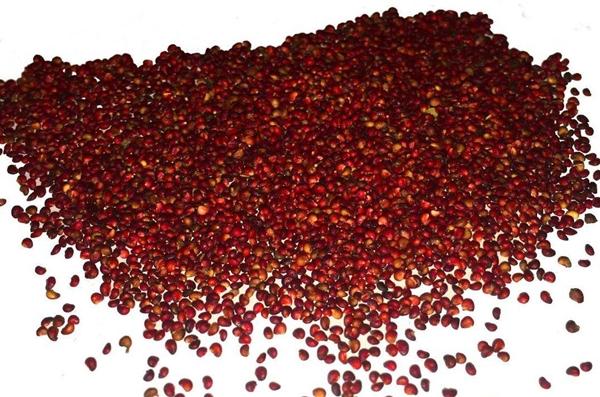
Growing Cardinal strawberries from seeds is rare, as the process is quite labor-intensive and time-consuming. To do this, carefully separate the seeds from the berries and leave them in the open air for two days to dry. Sowing should begin in February. Seedlings can be grown using traditional methods.
By dividing the bush
The bush division method involves selecting a strong, healthy bush at least three years old and then dividing it into sections. Each section should have a rosette and root system.
Sockets
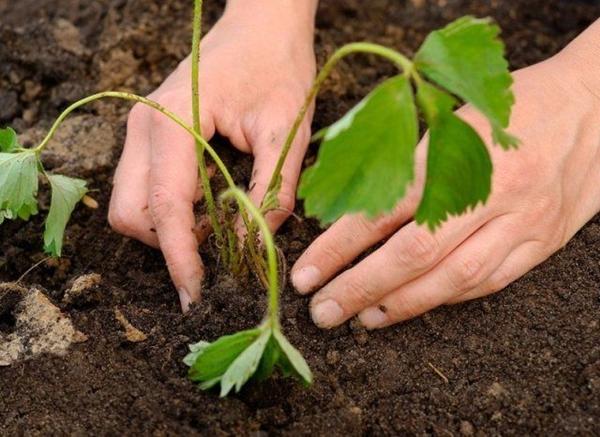
In April, before the fruiting season, select mature second-row rosettes from healthy bushes that show no signs of dryness, rot, or yellow leaves. These should be transplanted into a nursery with a special organic-based soil mix. While the plants are establishing themselves, place them in the shade and ensure the soil does not dry out. The resulting seedlings can be planted in the garden as early as July.
Gardeners' reviews of the variety
Elena Litvinova, 57 years old, Belgorod
"The Cardinal strawberry variety captivated me with its sweet and aromatic fruits, which are perfect for jam, compote, and freezing. I've been growing it for several years now, propagating it using runners. I can attest to its high resistance to diseases and pests."
Vasily Putilov, 52 years old, Stavropol
"Three years ago, I started growing Cardinal strawberries. I fell in love with the variety for its delicious berries. I get a harvest twice a season. Each time, I enjoy a long fruiting period. It's important to water the bushes generously and treat them with protective products as a preventative measure. Then, you can not only enjoy fresh fruit but also stock up on them for the winter."
Related posts:
 Description and pruning group of clematis Rouge Cardinal, cultivation and propagation
 Description of the Cardinal grape variety and growing rules
 Description and pruning group of clematis Cardinal Wyszynski, cultivation and care
 Description of the Florence strawberry variety, planting and care features
 How to grow strawberries at home
 The best varieties and cultivation of everbearing strawberries, fertilizing and propagation
 Description and characteristics of the Vima Zanta strawberry variety, planting and care scheme
 Description of the Holiday strawberry variety, cultivation and propagation methods