
- Variety selection
- Description and characteristics of the Festivalnaya strawberry
- Bush and shoots
- Flowering and fruiting
- Collection and use of berries
- Resistance to low temperatures and diseases
- Specifics of cultivating the variety
- Suitable climatic conditions
- Required soil composition
- Preparing the site and planting material
- Planting in open ground
- Regularity of watering
- What and how to feed the variety
- Weeding and weed control
- Protection from diseases and pests
- Do I need to cover it for the winter?
- Methods of reproduction
- Reviews of the variety
Every resident of Russia and the CIS has tasted the Festivalnaya strawberry at least once. After all, this particular variety of fruit was cultivated on the agricultural lands of the former USSR. From collective and state farm fields, the berry gradually migrated to private gardens and orchards, where it continues to be grown to this day.
Variety selection
Work on developing a new fruit variety began in the 1950s. Soviet breeders set themselves the task of developing an entirely new, frost-resistant, and productive strawberry variety. In 1958, the new variety was submitted to the state procedure for determining varietal characteristics.
The new strawberry was named in honor of the Festival of Youth and Students, which took place in Russia in 1957. Testing showed that the Festivalnaya strawberry variety can be grown in any soil and in various climatic zones.
Description and characteristics of the Festivalnaya strawberry
Before growing hybrid strawberries, you need to familiarize yourself with all the possible pros and cons of the variety.
Advantages of the variety:
- The variety easily tolerates prolonged droughts and severe frosts.
- Ripe berries are universal in use and are consumed both fresh and processed.
- Unlike other varieties, Festivalnaya Strawberry grows and bears fruit well in shaded areas.
- High yield and excellent taste of ripe berries.
Important! The main advantage of this variety is its ability to be grown in any climate zone.

The only drawback of the Festivalnaya strawberry variety is its weak immunity to fungal and viral infections. However, with timely and proper care, the risk of infection is reduced.
Bush and shoots
The hybrid strawberry variety's bushes are compact but tall, with large, greenish-blue leaves. During the first year of growth, the bushes produce multiple shoots and tendrils. Subsequently, shoots appear in moderate numbers, and in mature bushes, they disappear completely.
Flowering and fruiting
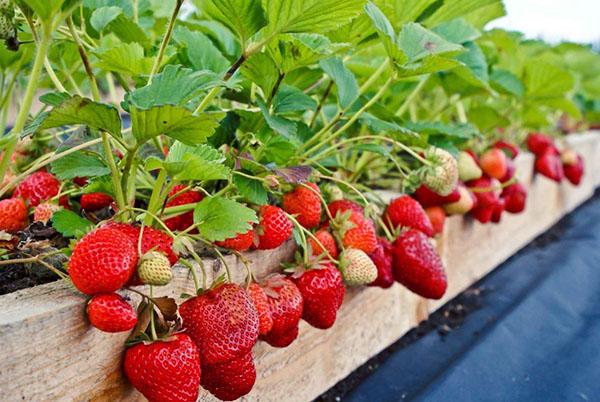
During flowering, the bushes produce thick, robust stems with racemose inflorescences, which bear large, white flowers with yellow centers. This variety does not require pollination, so it is grown indoors in greenhouses and hothouses.
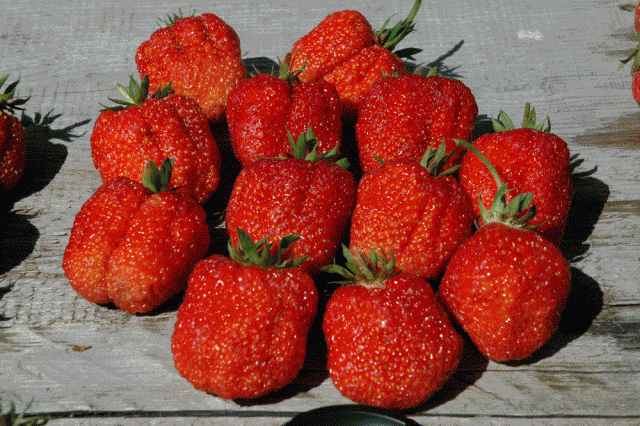
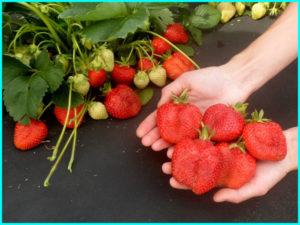
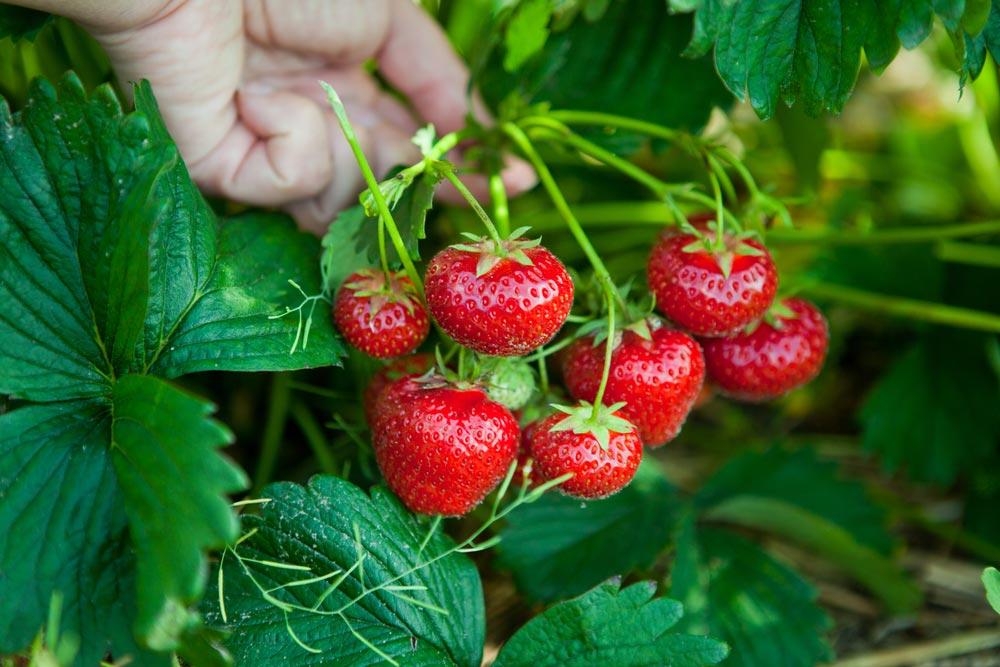
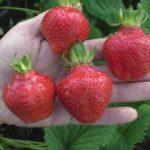
Strawberries begin bearing fruit in the first year of growth. The largest berries are harvested during the first harvest. A single bush yields up to 600 grams of ripe berries. In industrial production, up to 20 tons of fruit can be harvested per hectare. The ripe fruit is cone-shaped, slightly flattened, with a groove down the center.
Take a look Also

Collection and use of berries
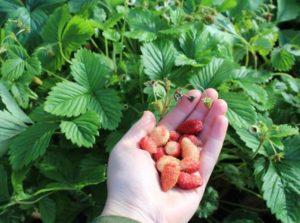
The berries ripen in the second half of June. Large fruits, up to 40 g, ripen on the bushes, with bright red, juicy, sweet flesh and a shiny scarlet surface. Ripening is gradual, continuing as the plant blooms. The flesh and surface of ripe berries are firm, allowing for fresh preservation and transportation over long distances.
The Festivalnaya strawberry variety is a universal fruit and is recommended for fresh consumption.
The berries are dried and frozen on an industrial scale, and used to make juices, compotes, and nectars. They are also used to make preserves, jellies, and are added to baked goods and desserts.
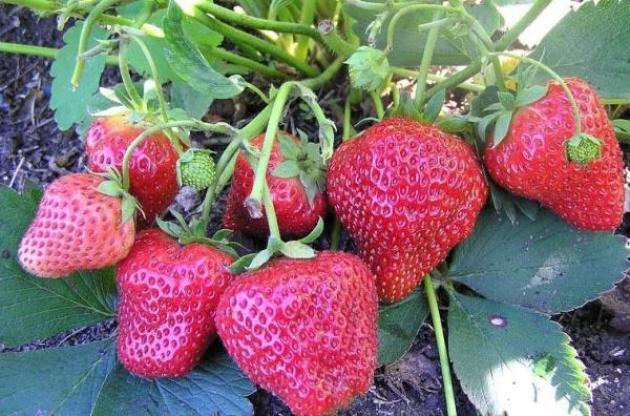 Important! Festivalnaya strawberries contain a large amount of vitamins, minerals, and amino acids necessary for proper functioning of the body..
Resistance to low temperatures and diseases
This garden crop doesn't tolerate extreme heat and drought, but it easily survives cold winters and sudden spring temperature fluctuations. Without additional insulation, fruit bushes won't freeze at -35 degrees Celsius, and if they do, they quickly recover in the spring.
The main challenge in growing the Festivalnaya garden strawberry is its weak immunity to fungal and viral infections. However, with timely care and proper agricultural practices, the risk of infection is minimized.
Specifics of cultivating the variety
The Festivalnaya strawberry variety is an unpretentious fruit crop, suitable for growing by novice gardeners, farmers, and vegetable growers.
Suitable climatic conditions
Temperate climates are recommended for growing hybrid strawberry varieties. Strawberries also thrive and produce fruit in Siberia and the Urals. In southern regions with high temperatures, the fruit crop requires additional care. Prolonged drought and extreme heat can stunt strawberry growth and development, negatively impacting yield and flavor.
Required soil composition
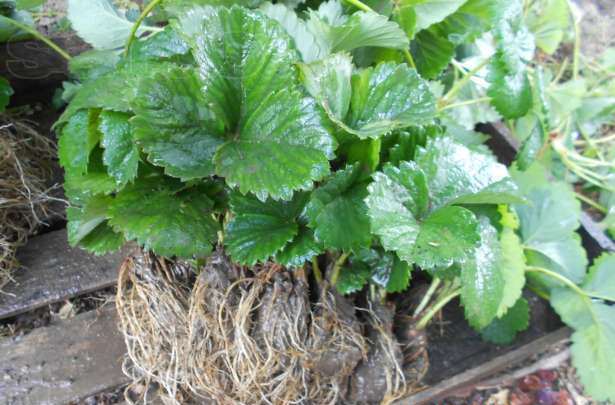
The hybrid variety is undemanding regarding soil composition, but berry bushes grow and develop faster in fertile, loose soil. Lime or ash are added to highly acidic soils, while clayey, heavy soils are enriched with peat and river sand.
Preparing the site and planting material
Garden strawberries of this variety do not require constant sunlight.
- Berry bushes grow and develop well in shady areas.
- The fruit crop does not tolerate strong drafts and close proximity to groundwater.
- The best predecessors for strawberries are onions, garlic, greens, legumes, beets and carrots.
- It is not recommended to plant garden strawberries after sunflowers, nightshade crops and tomatoes.
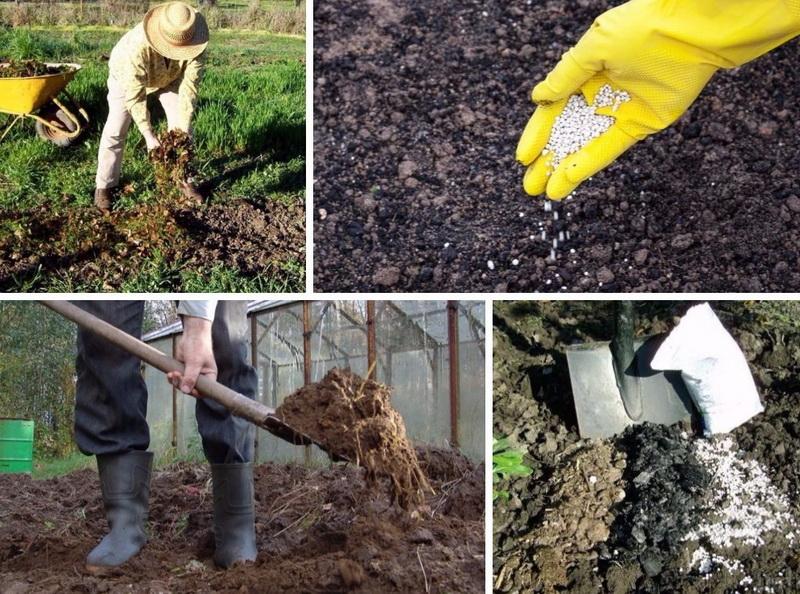
- 2-3 months before planting the seedlings, the soil in the area is thoroughly dug up and mixed with organic and mineral fertilizers.
- Before planting in open ground, strawberry roots are treated with antibacterial preparations and a growth stimulant.
 Important! To prevent the spread of fungal diseases and pests, it is necessary to follow crop rotation rules.
Planting in open ground
Planting garden crops in open ground depends on climate conditions. In warmer climates, seedlings are planted in early autumn. This will give the strawberry plants time to establish themselves and take root before the first frost.
In regions with cold winters, it is recommended to plant seedlings in the spring, as soon as the air temperature warms up to +13-15 degrees.
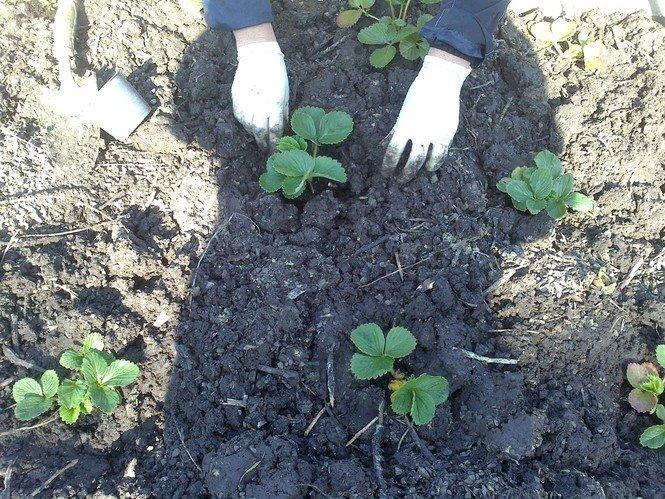
- On the prepared area, dig holes no more than 25 cm deep.
- The distance between holes is 30-40 cm, between rows 40-50 cm.
- A mound of fertile soil is poured into the holes and watered generously.
- The seedlings are placed in a hole and covered with soil.
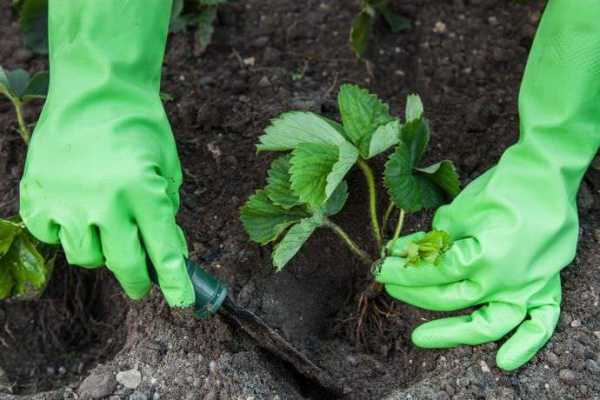 Important! The central core of the bush must be positioned exactly at soil level. Planting too deep will cause the plant to rot, while planting too high will cause the berry bush to dry out.
Regularity of watering
Watering is the key to caring for the Festivalnaya strawberry. This garden crop is very demanding. Watering is especially important during the fruit setting period. At the very beginning of the growing season, berry bushes are watered once every 6-8 days. During flowering and fruit setting, watering is increased to twice a week. Each bush requires up to 5 liters of warm, settled water.
What and how to feed the variety
During the growing season, garden crops are fertilized 3 to 4 times. With the onset of spring, organic fertilizers and mineral supplements are added to the soil. During the flowering and berry formation phases, the bushes are fed with a mineral complex. At the end of the season, before winter dormancy, the strawberry beds are fertilized with manure and humus.
Weeding and weed control
Weed control is carried out not only in strawberry beds but also between the rows. Typically, weeding is combined with soil loosening and watering. Weeding and loosening the soil help oxygenate the plant's root system, maintain essential soil moisture, and protect against diseases and pests.
Protection from diseases and pests
Festivalnaya strawberry is often affected by fungal and viral diseases, and is also an attractive crop for most pests.
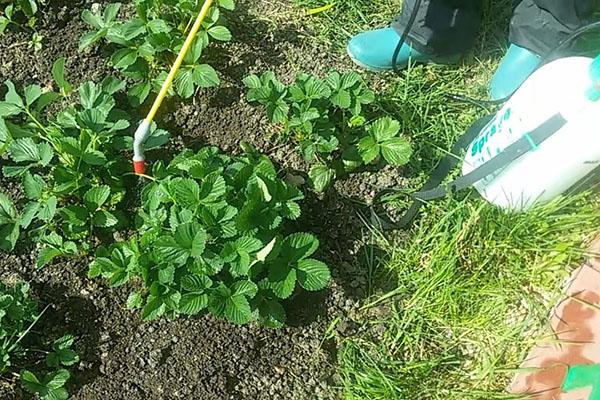
In early spring and late fall, bushes are treated with fungicide-based products. These treatments will protect garden plants from fungal and viral infections.
To combat pests, it's recommended to plant garlic or calendula between strawberry bushes. These plants don't carry most pests, so the berry bushes will be safe.
Do I need to cover it for the winter?
The Festivalnaya strawberry variety was bred as a frost-resistant fruit crop, but certain care guidelines are followed annually before winter. In the fall, trim away any excess, dry, or damaged leaves and shoots from the berry bushes. Before winter, loosen and mulch the soil under the strawberry bushes. Suitable mulches include sawdust, peat, dried leaves, or spruce branches.
If wintering occurs in regions with harsh winters, then the berry beds are additionally covered with burlap or special fiber.
Methods of reproduction
Garden strawberries do not have a long life, so the fruit crop is propagated and rejuvenated.
- The main method of propagating strawberries is by using shoots or tendrils. The strongest and most developed shoots are selected from a mature plant. In early summer, they are covered with soil, and at the end of the season, they are pruned along with the roots that have formed and planted in separate beds.
- Dividing a bush helps rejuvenate an old plant and grow new berry bushes. A mature bush is dug up, cleared of soil, and carefully divided into equal parts. Each seedling should retain developed rhizomes and a few green leaves. The new bushes are planted in separate beds.
- Propagating strawberries from seed takes a lot of time and patience, but the result is healthy, fruitful plants.
Reviews of the variety
Serafima Pavlovna, 46 years old. Irkutsk.
We've been growing Festival strawberries for over 20 years. They've adapted perfectly to our climate. They bear fruit every year, and the berries ripen sweet and delicious, enough for both eating and making compotes and jams. Caring for them is quite basic; we haven't encountered any problems in 20 years.
Evgeniy Pavlovich 54 years old. Belgorod.
I bought Festivalnaya seedlings by accident, three or four years ago. I thought the seller had tricked me and sold me the wrong variety. But in the very first year, I got an incredible harvest of delicious, sweet berries. Now I'm propagating the variety and want to plant my entire garden with it.
Svetlana is 37 years old.
Moscow region. My parents, who sadly are no longer with us, started growing Festivalnaya strawberries. For several years, when I visited our dacha, I completely ignored the beds, but then I got married, and my husband turned out to be an excellent gardener. He completely restored the strawberry population of this variety in the garden, and now my children enjoy fresh, healthy berries every year.
Related posts:
 Description and cultivation of the strawberry variety Festivalnaya Romashka
 Description of the Florence strawberry variety, planting and care features
 How to grow strawberries at home
 Description of the Holiday strawberry variety, cultivation and propagation methods
 Description and characteristics of the Vima Zanta strawberry variety, planting and care scheme
 Description and characteristics of the Korona strawberry variety, planting and care scheme
 Description of the everbearing strawberry variety Selva and cultivation technology
 Description and characteristics of the Zenga Zengana strawberry variety, planting and care