
- The history of the Alba strawberry breeding
- Advantages of the variety
- Characteristics and description
- Bush
- Flowering and fruiting
- Collection and use of berries
- Landing features
- Growing area and climatic conditions
- Predecessors and neighbors for strawberries
- Soil requirements
- Preparing the site and seedlings
- Planting scheme and technology
- Further care of berry crops
- Watering
- Fertilization
- Mulching
- Preparing for winter
- Diseases and pests: protection and prevention
- Methods of cultivating the variety
- With antennae
- By dividing the bush
- Seed method
- Gardeners' reviews of the variety
The Italian strawberry variety Alba has gained popularity due to its excellent flavor, attractive appearance, and high yield. It's important for beginning gardeners to know all the rules for growing and caring for this berry. Let's explore all the nuances and features that will help you grow fruits with the best qualities characteristic of this variety.
The history of the Alba strawberry breeding
Alba is a strawberry variety developed by the Italian breeding company New Fruit in 2003. The well-known Albion variety served as the basis. Early-ripening and high-yielding, Alba strawberries are included in the State Registers of Plants approved for cultivation in Russia, Belarus, and Ukraine.
Advantages of the variety
Among the main advantages of the Alba strawberry:
- early ripening of berries;
- cultivation both indoors and outdoors due to good frost resistance;
- strong immunity to diseases and garden pests (except for weevils and aphids);
- unpretentiousness during the growing and maturing process, good adaptation to high humidity and drought;
- The large size and dense, firm texture of the berries means they can be consumed in a variety of ways - fresh, as well as for making jam, preserves, compotes, and other preserves;
- high productivity and yield of strawberry bushes.
This is not a remontant variety, so fruiting occurs once during the season and lasts for about three weeks.
Characteristics and description
Before purchasing seedlings, it is worth familiarizing yourself with the characteristics of the variety.
Bush
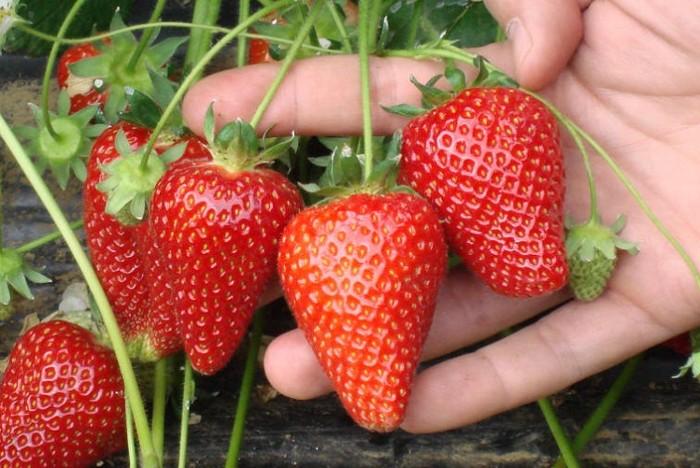
The Alba strawberry plant is easily recognized by its strong and robust structure. Its root system is also well developed. It is compact in size, reaching an average height of 30-35 centimeters. The foliage is moderately dense, with a distinctive, vibrant green color. The leaves are rounded and large, with light, deep veins visible on their surface.
Flowering and fruiting
The Alba strawberry has large, snow-white flower stalks. The petals form a voluminous cup with a distinctive bright yellow center. The flowers are approximately level with the leaves, but droop slightly as the fruit develops.
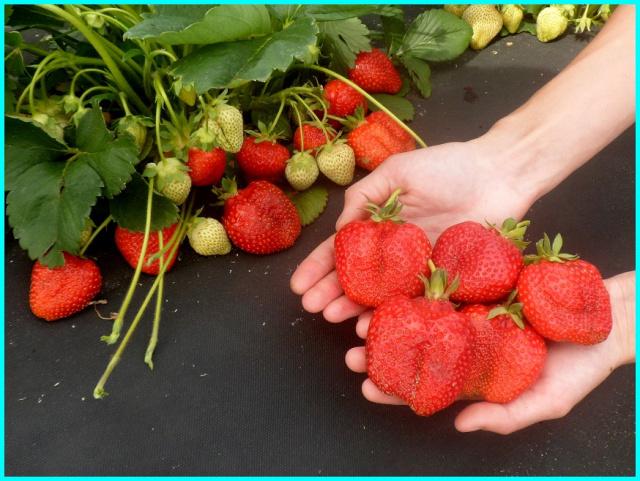
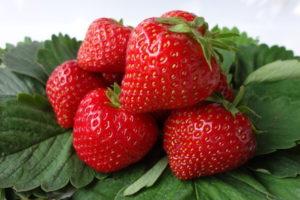
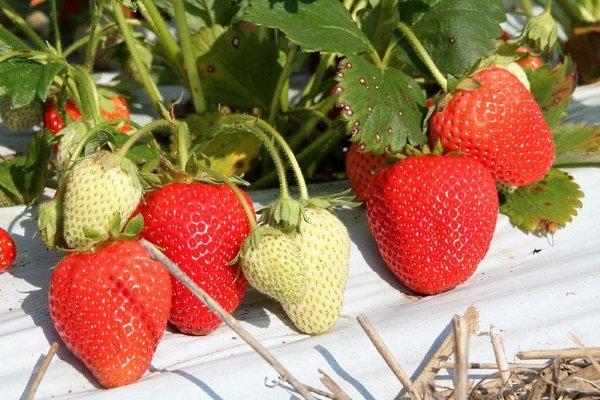
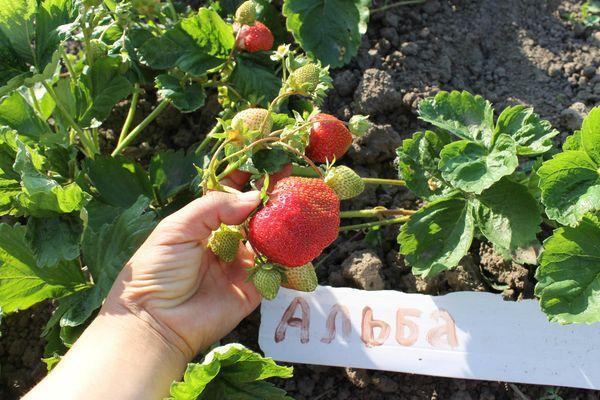
Alba strawberries are large, weighing between 30 and 50 grams. They are cone-shaped and bright red. Inside, the red flesh is quite dense and firm. The flavor ranges from tart to sweet, depending on weather conditions and farming practices.
Collection and use of berries
The berries of this early-ripening variety can be picked as early as the first half of May, and in some regions, as late as the second half of April.
This variety is versatile and can be used in a variety of ways.
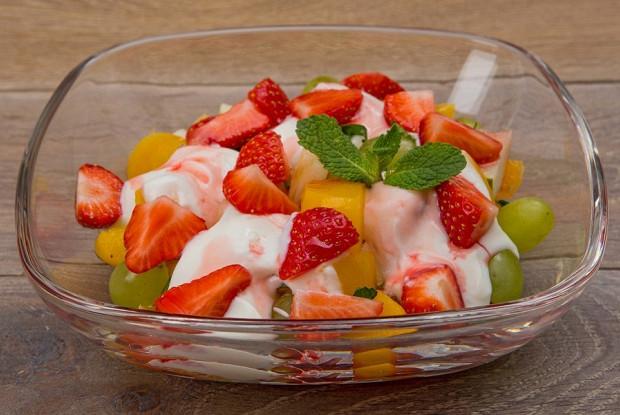
Alba strawberries are most often frozen and used to make preserves, compotes, marmalades, pastilles, cake fillings, rolls, dumplings, and as an ingredient in vitamin-rich fruit salad.
Landing features
Before planting strawberry bushes, it is worth familiarizing yourself with the basic requirements.
Growing area and climatic conditions
The Alba strawberry is cultivated in many European countries. This variety is officially recommended for cultivation in the North Caucasus region of the Russian Federation, the Vitebsk, Brest, and Gomel regions of Belarus, and throughout Ukraine. Alba thrives in continental and temperate continental climates. It is adapted to the soils of mixed forests, steppes, and forest-steppes.
Predecessors and neighbors for strawberries
It is recommended to plant Alba strawberries after the following crops:
- carrot;
- beet;
- onions;
- garlic;
- dill.
It is important to take into account that unfavorable predecessors for it are potatoes, tomatoes, eggplants and other representatives of the Solanaceae family, as well as raspberries, cabbage, cucumbers, sunflowers and corn.
You can plant the following near the strawberry bushes:
- radish;
- radish;
- beets;
- spinach;
- sorrel;
- jasmine;
- peonies;
- marigold;
- fern.
Soil requirements
Alba's soil should be light and well-aerated. Sandy loam or loamy soil with a significant black soil content is best. Chalk-rich, acidic, and saline soils are not suitable.
Preparing the site and seedlings
The plot should be prepared two weeks before the planned planting. First, thoroughly dig the soil and remove weed roots. Treat each square meter of the plot with a mixture of 10 liters of compost and 50 grams of complex fertilizer.
The soil surface for planting Alba strawberries must be leveled as much as possible so that the bushes do not suffer from a lack of moisture during periods of drought.
Seedlings are taken from mother strawberry plants that are one year old. Before planting, check them for signs of disease or pest damage.

Planting scheme and technology
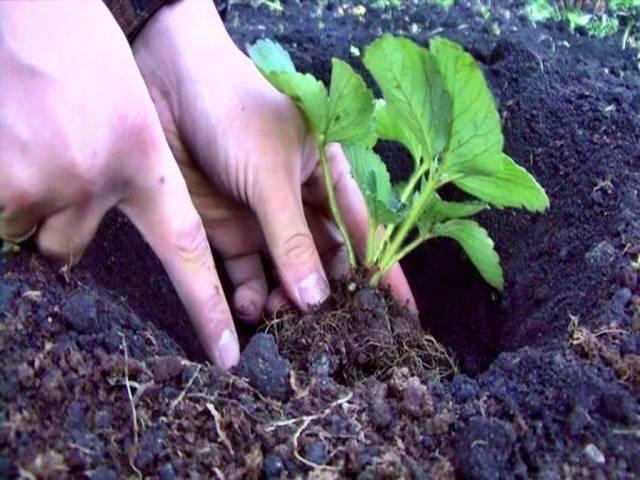
When planting Alba strawberries, you need to do the following:
- Dig several holes 20 centimeters deep, with a distance of 30 centimeters between them.
- Make a nutritious mixture of soil, wood ash and compost with the addition of a pinch of complex mineral fertilizer.
- Pour this mixture into the bottom of the planting hole to form a mound.
- Lightly moisten the soil with lukewarm water.
- Straighten the rhizomes of the seedling and place them in the hole at such a level that the heart is slightly above the ground line.
- Fill the hole with soil, compact it so that there are no empty spaces, and then water it.
Further care of berry crops
With proper agricultural technology, crop yields increase.
Watering
Alba strawberry plants should be watered every three days—early in the morning, before the sun rises. During dry spells, daily watering is required.
A drip irrigation system can be installed between the rows. This will significantly simplify the process of soil moisture for the plant.
Fertilization
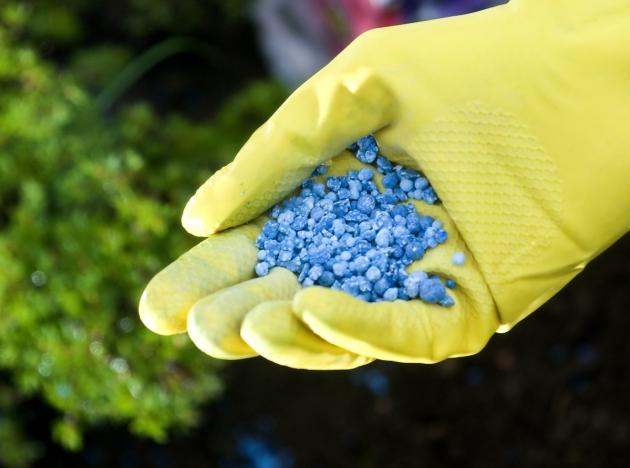
Fertilize Alba strawberries with mineral fertilizers necessary at the beginning, middle and end of the growing season.
Mulching
To maintain a favorable level of humidity and protect against pests, strawberries need mulching.
Recommended for use:
- wood sawdust;
- pine and spruce needles;
- straw;
- dry larch.
Preparing for winter
Before wintering, you need to make a shelter for the berries from spruce branches or brushwood.
Diseases and pests: protection and prevention
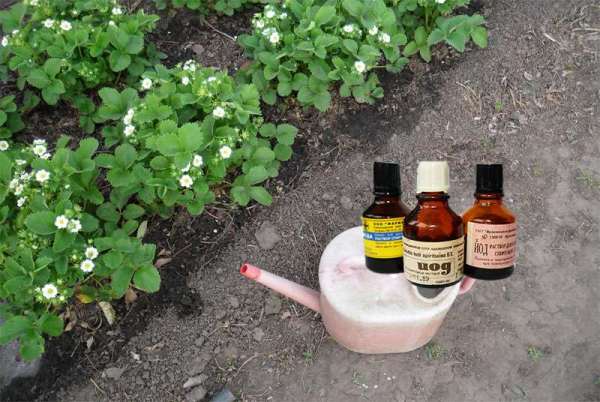
The Alba strawberry variety is resistant to most diseases, but in some cases can be affected by weevils, nematodes, and aphids. As a preventative measure, seedlings should be treated before planting by soaking them in hot water at 50°C for five minutes. Repeat this process after 30-40 minutes. During flowering, it is recommended to spray the bushes with Switch or Horus to protect against white rot and anthracnose.
Methods of cultivating the variety
Strawberries are propagated in several ways.
With antennae
This method is simple but ineffective, as the Alba strawberry variety produces few tendrils. To propagate, select well-developed daughter rosettes and root them in fertile, moist, loose soil.
By dividing the bush
Dividing the mother plant is an effective propagation method. To do this, carefully dig it out of the ground and cut it into several fragments, each containing a root and a portion of the heart.

Seed method
Strawberry seeds should be pre-dried and soaked in water for five days. Change the water twice daily. Then, spread them evenly on a baking sheet, set the oven temperature to 35 degrees Celsius, and bake for seven hours.
Fill a container with a mixture of equal parts soil, compost, peat, and river sand. Plant the seeds to a depth of 5 mm, water, and cover with plastic wrap. Moisten the soil as it dries.
Gardeners' reviews of the variety
Angelica: "I love early strawberry varieties, so I enjoy growing Alba at my dacha. Depending on the weather, the fruits are sometimes tart, sometimes sweet. I always use the firm, tart berries for jam."
Arkady: "I discovered the Alba variety last year. It's one of the best options for commercial cultivation. The fruits are large, beautiful, and vibrant. The flavor is also excellent!"
Related posts:
 Description of the Florence strawberry variety, planting and care features
 How to grow strawberries at home
 Description and characteristics of the Vima Zanta strawberry variety, planting and care scheme
 Description of the Holiday strawberry variety, cultivation and propagation methods
 Description and how to plant the Garland strawberry variety
 Description of the everbearing strawberry variety Selva and cultivation technology
 Description and characteristics of the Zenga Zengana strawberry variety, planting and care
 Description and characteristics of the Korona strawberry variety, planting and care scheme