
- Description and characteristics of the Roxana strawberry
- Advantages and disadvantages of the variety
- Features of growing garden strawberries
- Site preparation
- Selection of planting material
- How and when to plant
- Tips for caring for strawberries
- Trimming
- Preventive spraying
- Fertilizing and watering
- Loosening
- Wintering
- Protecting garden strawberries from diseases and pests
- Reproduction of the variety
- Harvesting and storing strawberries Roxana
The Roxana strawberry variety is one of the most popular varieties. This plant is renowned for its excellent flavor and produces a bountiful harvest. To achieve successful cultivation, it's important to strictly adhere to key agricultural practices. Protecting the crop from diseases and pests is also crucial. Experienced gardeners recommend watering the bushes regularly, adding nutrients, and loosening the soil.
Description and characteristics of the Roxana strawberry
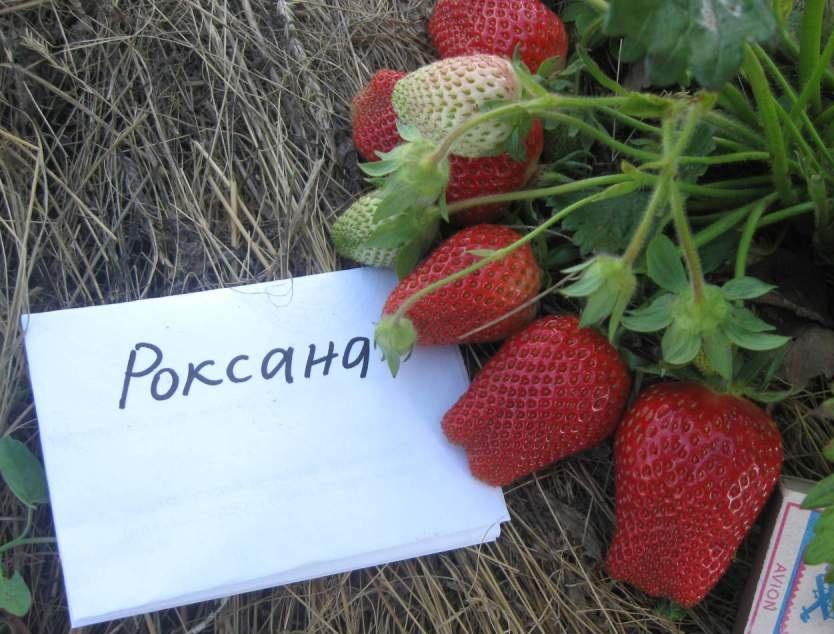
This variety's bushes are characterized by a medium height. The plant is compact and considered a medium-leafed cultivar. It features long flower stalks, with the inflorescences positioned at the same level as the leaves.
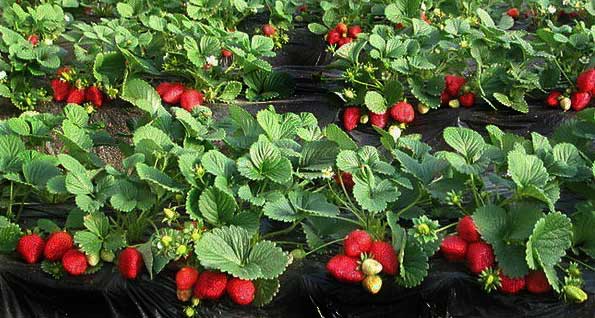
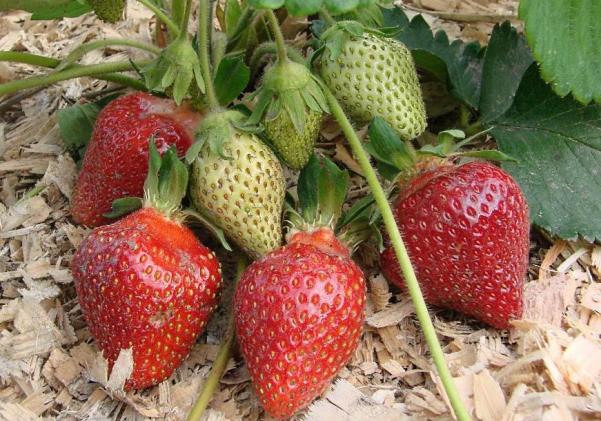
The first harvest produces large berries, weighing 25 grams. Gradually, the yield decreases, and the fruits become smaller. The berries are distinguished by a dark red hue. The seeds are located on the surface. The fruits are characterized by excellent juiciness and a dessert-like flavor. The cultivar has a distinct strawberry aroma. This variety has average yields. With strict adherence to agricultural practices, 96 kilograms of fruit can be obtained per 100 square meters. The variety ripens evenly.
Strawberries have average frost resistance. In regions with little snow and significantly lower temperatures, there is a risk of frost damage.
This variety produces a medium number of runners. The bushes have strong, well-developed rosettes that root easily.
Advantages and disadvantages of the variety
The key benefits of strawberries include the following:
- high yield parameters;
- late ripening;
- resistance to fungal infections;
- excellent transportability;
- pleasant taste;
- rapid development.

The disadvantages of culture include:
- need for regular watering;
- irregular shape of berries;
- need for mulching;
- the need for constant fertilization;
- poor resistance to excess moisture and drought.

Features of growing garden strawberries
To succeed in growing this crop, it is necessary to properly prepare the site and planting material.
Site preparation
This strawberry variety is demanding when it comes to planting. It is recommended to plant it in elevated areas with adequate sunlight. It can also be grown in greenhouses.
When planting strawberries in spring, this can be done immediately after the snow melts.
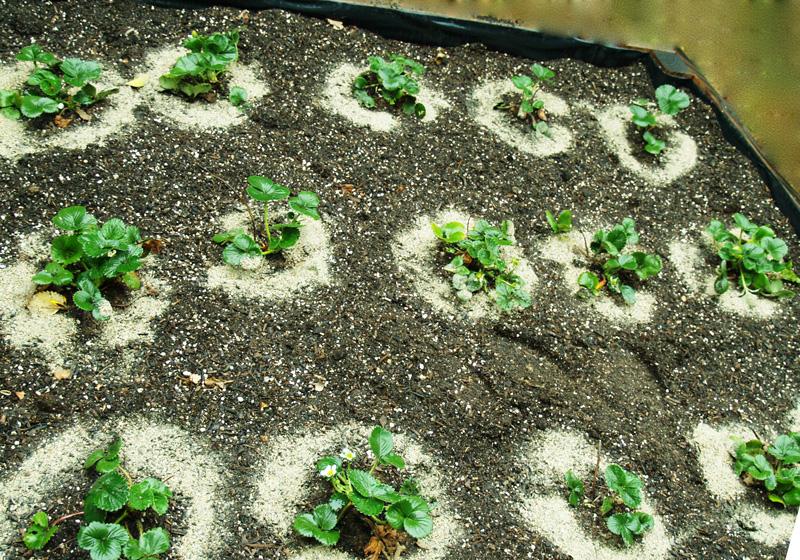
The soil should be slightly acidic. It should be thoroughly tilled, weeded, and organic fertilizer added. Mineral fertilizers, humus, or compost are acceptable. After two weeks, dig holes in the soil, leaving a distance of 33 centimeters between them.
Selection of planting material
Planting material can be purchased at specialty stores or prepared at home. In the latter case, it is recommended to divide the shoots. Small rosettes are placed in a container of water. Then, they are transplanted into prepared holes.
How and when to plant
The plant can be planted in spring or fall. However, mid-August is considered the most favorable period. Planting should be done on a warm day, late in the evening. Excessive heat will cause serious damage to the plant.
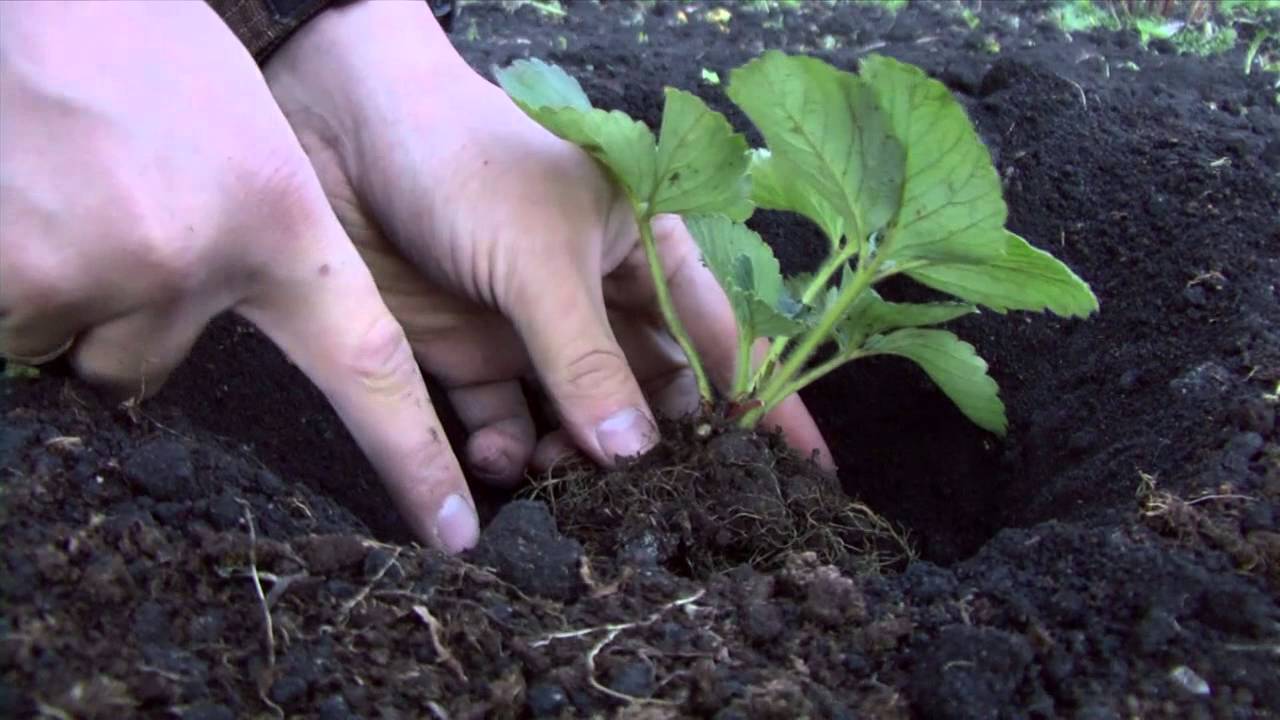
The holes should be 14 centimeters deep. Place the plant vertically in each hole and gently spread the roots. Then, cover it with soil. Finally, water the beds with warm water.
Tips for caring for strawberries
To ensure strawberries thrive, it's recommended to provide them with comprehensive and high-quality care. This includes timely soil moisture, proper pruning, and fertilization.
Trimming
With the arrival of spring, it is worth doing the following:
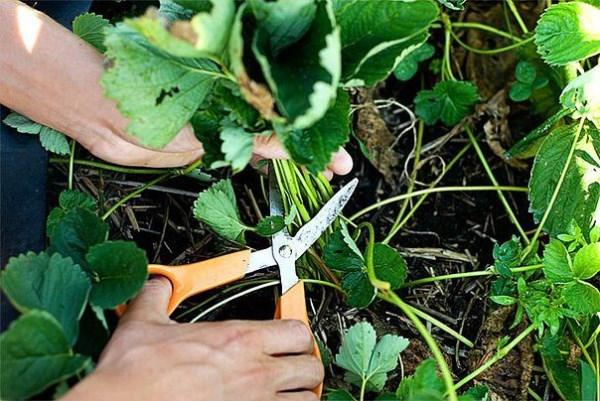
- remove fallen leaves and get rid of last year's flower stalks;
- trim, leaving a small center with green leaves;
- Destroy cut stems - this will help prevent the development of diseases and the spread of harmful insects.
Take a look Also

Preventive spraying
This variety is resistant to many diseases and insects. To prevent the development of diseases, perform preventative spraying. This is done in the spring, when the air temperature is 10-15 degrees Celsius. For this procedure, use the following:
- biological preparations – Fitocide or Fitosporin;
- insecticides – Actellic, Actofit;
- Bordeaux mixture and other compounds containing copper are used 3 times.
Fertilizing and watering
At the initial stage of vegetation, the crop requires nitrogen fertilizers. These products stimulate the development of green mass. Nitrogen should be applied several times during the season. An ammonium nitrate solution can be used for watering. To do this, use 20 grams of ammonium nitrate per 10 liters of water.
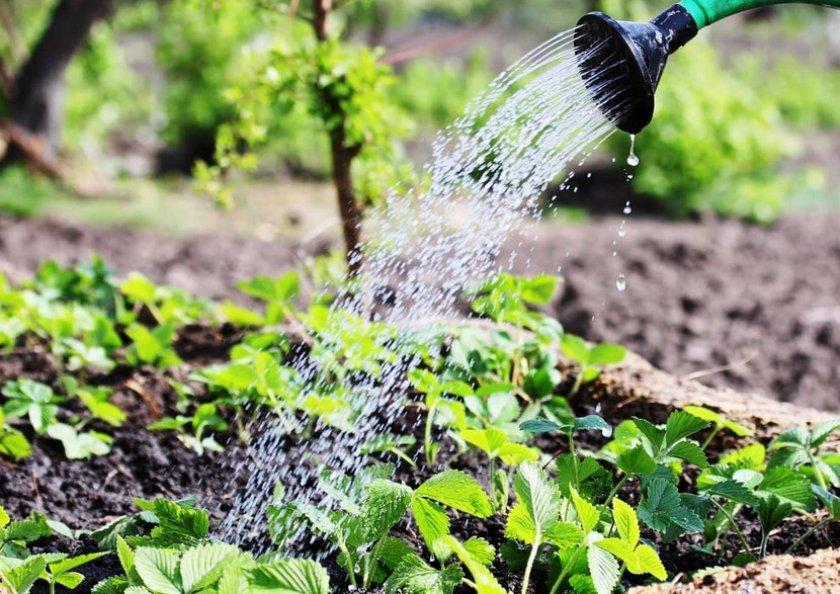
It is recommended to water plants when the soil becomes dry. The frequency of soil watering depends on weather conditions. Drip irrigation is the best method. Use 10 liters of water per square meter.
Loosening
To eliminate weeds and improve soil aeration, loosen the beds. This procedure should be performed carefully to avoid damaging the roots. Hilling is recommended, but it's important to avoid getting soil into the core of the plant.
Wintering
In harsh conditions, the crop must be covered. If a cold, snowless winter is expected, the plant will freeze without appropriate measures. Therefore, before a significant drop in temperature, it's important to take protective measures.
Strawberries can be covered with spruce branches. Agrofibre is also used as a protective material. If a particularly harsh winter is expected, it's best to build a greenhouse.
Protecting garden strawberries from diseases and pests
The crop is resistant to many diseases and pests. Strawberries are not susceptible to gray mold or powdery mildew. They are also resistant to strawberry mites. However, preventative plant treatments can help prevent other diseases and pest infestations. Products such as Fitocide or Fitosporin are used for this purpose. Insecticides can help control smaller pests.

Reproduction of the variety
This strawberry variety can be propagated by runners. It's important to be careful when the shoots emerge. They should be dug in immediately. The crop can also be propagated by seed. However, this is a rather complex and labor-intensive method.
The most common propagation method is division. To achieve excellent results, choose the largest and most robust plants.
Harvesting and storing strawberries Roxana
A key feature of this variety is the ability to harvest several times during the season. It's best to do so in the afternoon. The bushes spread easily, so harvesting can be done in just a couple of hours. Berries should be stacked carefully to avoid damage.The fruits can be stored at room temperature for several days. They can be kept in the refrigerator for up to a week.
Roxana strawberries boast excellent flavor and produce a bountiful harvest. To achieve excellent growing results, ensure adequate watering, timely fertilization, and disease prevention.
Related posts:
 Methods for planting and propagating cherries at home
 The best grape varieties for growing in the Urals, planting and care rules in summer
 Descriptions of the 20 best cherry varieties for the Moscow region, their planting and care
 The best methods for growing grapes from seeds at home
 Rules for planting and caring for pears in open ground, how to grow them correctly
 The best eggplant varieties for growing in a polycarbonate greenhouse: planting and care
 Growing and caring for hazelnuts in open ground, rules for planting hazelnuts
 Conditions for growing mandarin at home and rules for caring for the tree