
- Is it possible to increase strawberry yields?
- Ways to increase strawberry yields
- Use of high-yielding varieties
- Crop rotation
- Removing unproductive bushes
- Proper propagation of strawberries
- Mulching strawberry beds
- Compliance with watering rules
- Timely feeding
- Removing excess leaves and runners from strawberries
- Treatment of plants from pests
With the arrival of spring, gardeners are wondering how to increase their strawberry harvest. The amount of berries harvested depends on weather conditions. However, proper care and maintenance also largely determine the yield. It's important to apply fertilizer on time, water regularly, and take other measures. There are several ways to solve this problem.
Is it possible to increase strawberry yields?
The answer is definitely yes. To achieve this, you'll need to pay a little more attention to your strawberry beds. They require regular maintenance:
- prevent the growth of weeds;
- loosen the soil around each bush;
- add sufficient amounts of nutrients;
- keep the distance between the berries;
- remove dried and damaged parts of the plant.
The beds are best located in a site with fertile, loose, slightly acidic soil with good aeration. Plenty of light is essential. The beds are made slightly raised. It is recommended to place a layer of grass at the bottom of each hole. As the grass begins to rot, it will nourish the strawberry roots.
Fresh manure should not be added. It promotes fungal diseases and weed growth.
Ways to increase strawberry yields
There are many ways to increase the quantity and quality of strawberry harvests in open ground.
Use of high-yielding varieties
When choosing a variety, it's important to consider not only high yield but also its ability to withstand cold and disease. Even the most high-yielding variety will not produce many berries if it doesn't tolerate adverse conditions well.
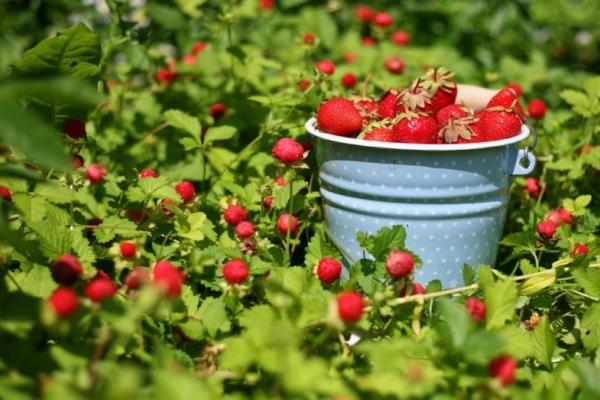
Under good conditions and with proper agricultural practices, any strawberry variety will produce a good harvest. It's worth noting that late-season strawberry varieties yield more than early-season varieties.
Crop rotation
You won't get a good harvest if you don't follow crop rotation rules. If you grow a crop in the same plot for several years in a row, the soil becomes depleted and accumulates pathogenic microorganisms.
Strawberry bushes age quickly, so the beds need to be renewed every 5 years.
They do this gradually. First, they plant one row of young seedlings, and then remove a row of older ones. And so, gradually, they renew all the plantings.
Strawberries are returned to their original location every three years, or better yet, wait five years. Avoid planting seedlings in areas previously occupied by potatoes, tomatoes, and other nightshade crops. Strawberries thrive after beets and carrots.
Removing unproductive bushes
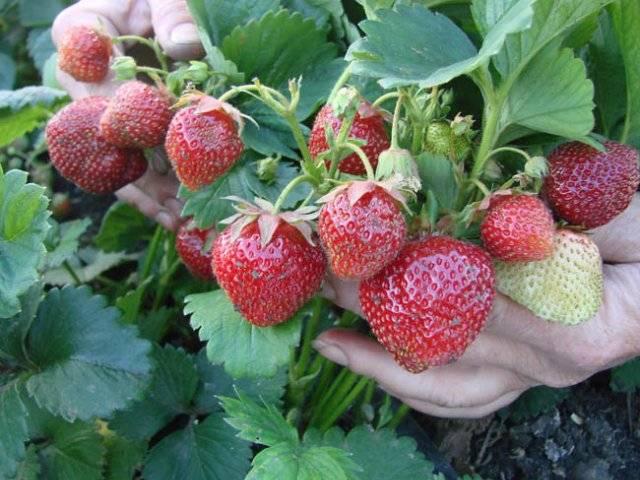
There are strawberry varieties that grow quickly, take up a lot of space, and bear no fruit. These bushes are easy to spot. They produce numerous barren flowers, and the berries are small, misshapen, and slightly sour. They have large leaves and numerous runners.
To prevent the spread of such strawberries and increase the yield, it's important to promptly remove weeds from the bed. Otherwise, they will interfere with root development and prevent light and heat from reaching the fruiting plants.
Proper propagation of strawberries
The easiest way to grow a new strawberry plant is to root runners in the garden. Simply cover the runners with soil, secure them with a staple, and new roots will soon form. The downside of this propagation method is that rooting takes energy, so you'll have to wait another season for a good harvest. Two months after rooting, the young plant is ready for transplanting.
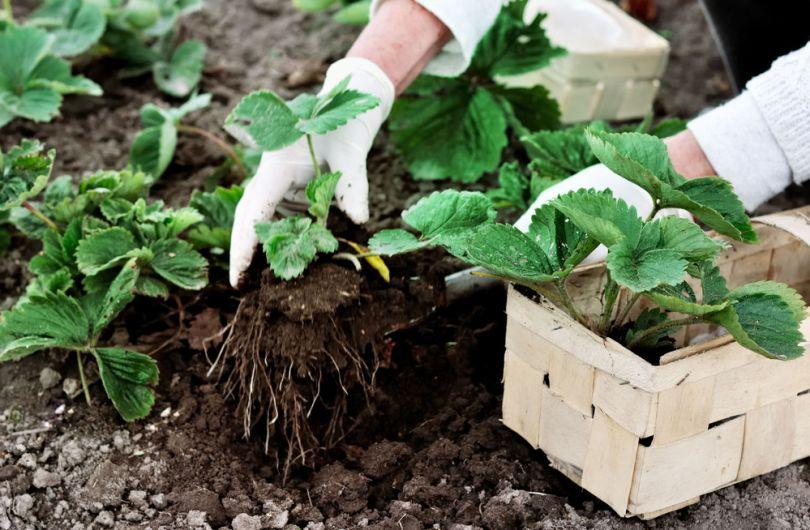
Less commonly, propagation is done by dividing the bush. It requires a lot of time and effort. growing strawberries from seedsIn this case, there is a high probability that the declared varietal characteristics will not be preserved.
Mulching strawberry beds
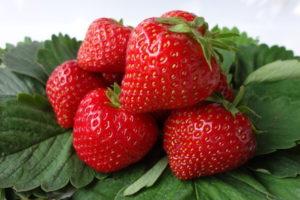
Experienced gardeners recommend mulching their garden beds. Peat, straw, dried leaves, sawdust, and black agrofibre are used as mulch. A layer of mulch helps the soil warm up quickly, retain moisture, and prevent weed growth.
Compliance with watering rules
Watering is regular from spring to late summer. Even after the harvest, the plant needs water. Flower buds for the next season begin to form as early as midsummer. If water is insufficient, bud formation will cease. As a result, the following year's harvest will be significantly reduced.
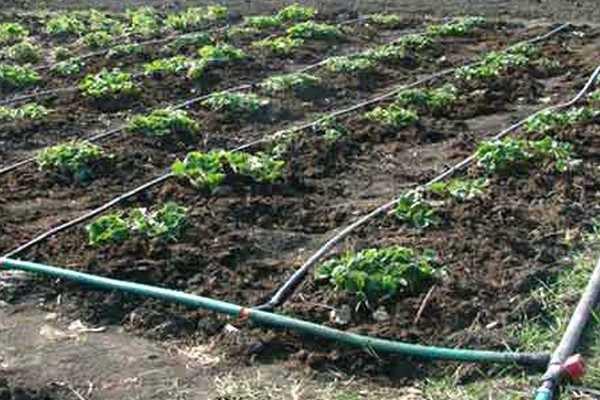
During the fruit ripening period, increase watering to twice every 7 days. It's best to use warm, settled water. Water early in the morning or in the evening, after sunset. Avoid getting the green parts of the plant wet.
Avoid allowing water to stagnate around the bushes. The beds should be level, and in damp soils, they should be slightly raised.
Beds that are too high dry out quickly, which negatively affects the harvest.
Timely feeding
Fertilizers will help to increase the yield almost twofold:
- The first feeding is done in early spring. The composition should be predominantly nitrogen.
- The next fertilization is carried out during bud formation and before flowering. At this stage, potassium requirements increase.
- After harvesting, nitrogen compounds are added again.
- The final feeding is done in midsummer. Phosphorus is essential for flower bud formation and root development.

Nutrient mixtures are made from mullein, bird droppings, and wood ash. The use of complex ready-made fertilizers is also acceptable.
Removing excess leaves and runners from strawberries
This agricultural technique will help increase the yield of berries. Twelve days before the harvest begins, cut off a third of the leaves and runners. First, remove the leaves that block the fruit from sunlight. This will help the berries grow faster and taste sweeter and juicier.
Take a look Also
Treatment of plants from pests
Pest control begins in early spring. As soon as the snow melts, remove old, dry leaves and water the beds with hot water. As a preventative measure, water the soil with solutions based on potassium permanganate, urea, Bordeaux mixture, or copper sulfate.
If pests appear, insecticides are used. Folk remedies can also help. Infusions of herbs, hot peppers, mustard, and wood ash are used.
Related posts:
 Description of the Florence strawberry variety, planting and care features
 Description and characteristics of the Vima Zanta strawberry variety, planting and care scheme
 How to grow strawberries at home
 The best varieties and cultivation of everbearing strawberries, fertilizing and propagation
 Description of the everbearing strawberry variety Selva and cultivation technology
 Signs of disease and pest attacks on strawberries, treatment methods
 Step-by-step instructions for planting strawberries on black covering material and growing rules
 Description of the everbearing strawberry variety Mara de Bois and growing rules
My garden is too small for strawberries.