
- Green manure – what is it?
- Crop rotation rules
- Why sow in strawberry beds?
- The best green manure for garden strawberries
- Spring
- Autumn
- What not to use
- When is the best time to plant?
- Rules and technology of sowing
- Use of green mass
- Mulching the soil
- Is it worth planting in greenhouses?
- Mistakes made by experienced and novice gardeners
Fertile crops deplete the soil, drawing out its nutrients. In turn, weakened soil fosters pests and pathogens. To improve soil health, green manures are grown. Below is information on the best green manures for strawberries, planting rules and techniques, and common mistakes gardeners make.
Green manure – what is it?
Green manure is a green manure grown to improve soil health. Fast-growing plants with the ability to improve and enrich the soil are used for this purpose. During flowering, the above-ground portions are cut and incorporated into the soil. Green manure does not produce a harvest in the year of sowing, but it enriches and improves the soil.
Green manure crops are sown densely, so their powerful root system and green mass can suppress weeds. As they decompose, plant residues promote air and water permeability in the soil. They are also an alternative to chemical fertilizers, as they prevent the spread of diseases and pests.
Crop rotation rules
If you plant the same crops in the same area, the soil becomes depleted, and pests and pathogens thrive. Therefore, it's important to rotate crops. Before planting crops, particularly strawberries, you can sow green manure to improve the soil.
Why sow in strawberry beds?
Sowing green manure in strawberry beds has the following effect:
- soil quality improves;
- when sowing in the fall, nutrients are retained in the space between rows during the winter;
- resist the spread of weeds;
- when sowing in spring, protect the bushes from the scorching sun;
- resist pests.

Green manure crops are mown before or at the very beginning of budding. During this period, the green mass is tender and rots quickly. Furthermore, if you delay and allow flowering, seeds may sprout and germinate uncontrollably.
The best green manure for garden strawberries
Green manure crops can be sown in spring, summer, or fall. There are many beneficial plants, but the best are legumes.
Spring
In spring, green manure crops are sown as soon as the weather warms up, typically in March. The following crops are suitable for sowing between strawberry rows:
- Oilseed radish. This plant is not edible, but it is indispensable as a fertilizer. It is sown after crops that draw nutrients from the soil.
- Buckwheat. To improve soil health, it can be sown not only in March but also in August. The cereal's root system reaches a depth of 50 centimeters, improving soil water and air permeability, enriching it with potassium and phosphorus, and reducing acidity.
- Lupine. The root system of this legume forms a symbiotic relationship with root nodule bacteria, accumulating nitrogen in the soil. Lupine also alkalizes acidic soils. Besides its nutritional benefits, lupine's flowers will also brighten up your strawberry patch.
In addition to the crops listed, peas, rapeseed, vetch, phacelia, dill, spinach, marigolds, and calendula can be used as green manure for spring sowing.
Autumn
Plant seeds are sown surface-first in the fall and then covered with mulch. The following crops are used for this purpose:
- Rapeseed. It's sown in late August. Rapeseed improves soil fertility: its long roots allow it to extract minerals from deep within the soil. In winter, it traps snow in the garden bed.
- Oats and rye. Cereals combat weed infestations and pathogens and help replenish organic matter in the soil.
- Mustard. Sowing this crop will prevent the development of diseases and pests common to strawberries, such as wireworms, scab, and late blight. Mustard also enriches the soil with potassium and phosphorus.

Along with the plants listed above, barley, wheat, calendula, and annual ryegrass can be sown as green manure in the fall. Plants sown during this period ensure the soil remains covered throughout the winter.
Please note! Planting multiple crops will enrich the soil with more nutrients. You can also alternate green manures.
What not to use
Strawberries should not be planted after nightshade crops such as potatoes, peppers, tomatoes, eggplants, cucumbers, squash, and pumpkins. These plants share the same diseases as garden strawberries. Pathogenic microorganisms remaining in the soil can infect the strawberry plants with fungi.
When is the best time to plant?
If a gardener plans to plant strawberries in the fall, they can begin sowing green manure in early spring. Plants can be rotated and supplemented throughout the planting season. Sowing multiple crops in the spring will improve soil saturation and detoxification.

If the strawberry bushes are already growing, green manure can be sown between the rows. For this purpose, legumes are used in the spring, enriching the soil with nitrogen, which is essential for plants during this period. Furthermore, as they grow, they will create partial shade, protecting the plantings from the bright rays of the sun. In the fall, cereal crops are sown, enriching the soil with potassium and phosphorus and also retaining snow in the beds.
Rules and technology of sowing
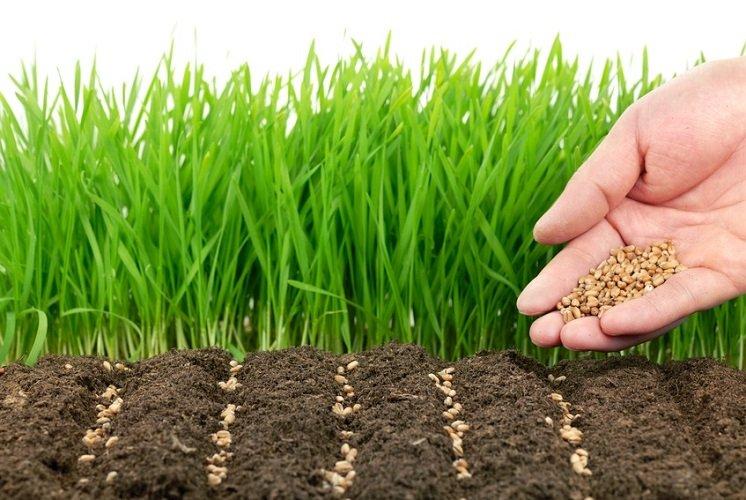
If the soil needs to be sown with green manure for health reasons, the seeds are sprinkled on the surface and then mulched with compost. The crops can be covered with netting to prevent birds from pecking them.
Use of green mass
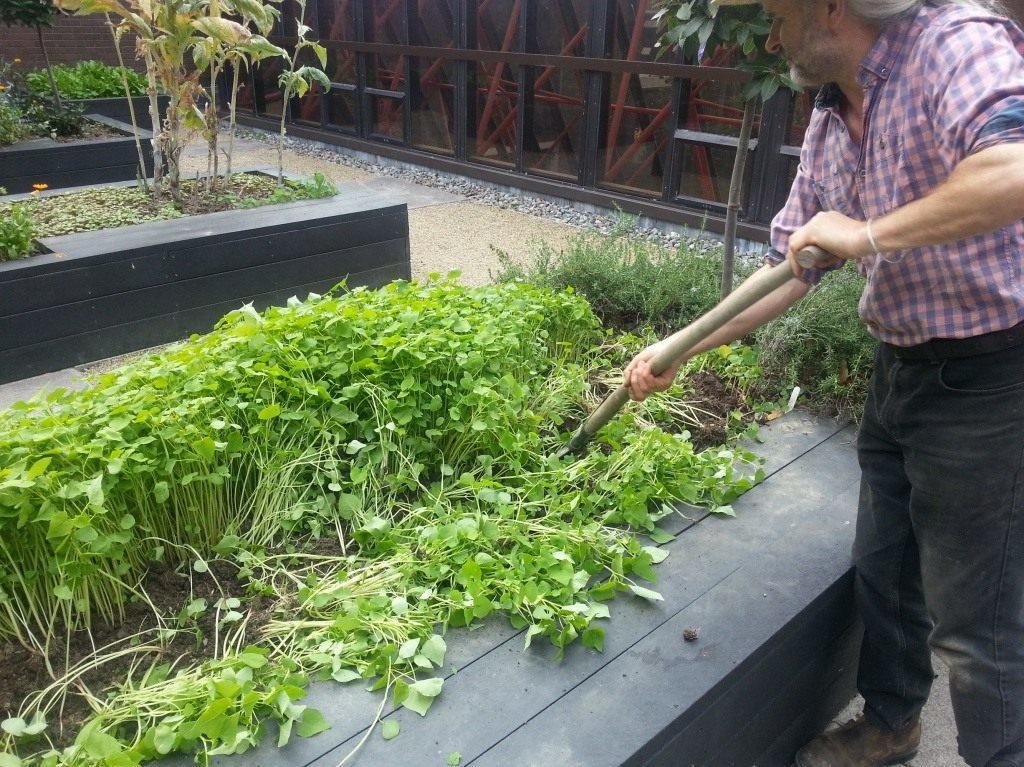
Plants used as green manure should be allowed to grow well. The shoots will protect the strawberries from bright sunlight. Just before flowering, the green part of the green manure is cut off and either buried directly in the soil or dried and then used as a cover for the soil beneath the strawberry plants.
Mulching the soil
Dried grass is used as mulch. It prevents weeds from growing around the strawberries and helps retain moisture in the soil. Furthermore, mulch helps the berries stay clean after watering or rain. By autumn, the mulch has rotted, compost and ash are added to the spaces between the rows, and the entire area is dug over.
Take a look Also
Is it worth planting in greenhouses?
In greenhouses, sowing green manure is especially important, as beneficial microflora only develops with human intervention. To do this, snow is first thrown onto the beds in the spring to saturate the soil with moisture, then the seeds are scattered over it. Before flowering, the green manure is mown and incorporated into the topsoil.

Mistakes made by experienced and novice gardeners
Sometimes, when growing green manure, gardeners encounter difficulties when plants grow poorly or don't produce the expected results. This occurs due to certain errors, such as:
- The green manure is planted too deeply into the soil, which means it takes too long for the plants to decompose.
- Green manure was mown late. The hardened stems rot poorly.
- Cold-intolerant plants are sown for the winter. If non-hardy plants are planted in the fall, they will freeze before they can produce any benefit.
- No mineral fertilizers are used. Green manure crops cannot provide the soil with all the nutrients it needs, so they must be combined with mineral fertilizers.
By establishing crop rotation on their plot, a gardener will be able to grow healthy strawberry bushes and harvest a bountiful harvest of berries from them.
Related posts:
 What are green manure crops and which ones are best for the garden, when to sow and bury
 Which green manure crops are best for tomatoes and the rules for their use
 Why do potatoes need green manure, which ones and when are best to sow?
 Which green manure crops are best to sow in the fall and how to properly incorporate them
 Description of varieties of sowing peas and cultivation, to which family they belong
 Carrot care guidelines for outdoor cultivation to ensure a good harvest
 How to propagate and grow peas, cultivation technology, and care in open ground
 Causes and treatment of eggplant pests and diseases, how to combat them at home