
- Why do we need green manure for potatoes?
- Methods of application
- The best green manure for potatoes
- Legumes
- Cruciferous vegetables
- Cereals
- How to prepare the soil
- When and how to sow correctly
- Spring planting
- Autumn planting
- Before winter
- Which green manures are not suitable for potatoes?
- Is it possible to plant if the soil is infested with pests and fungi?
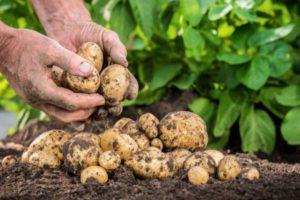
Every gardener dreams of harvesting a bountiful potato crop, while using as little chemicals as possible. After all, home-grown vegetables should be environmentally friendly and healthy. In this case, green manure—plants that improve the soil and increase yield—will help grow potatoes.
Why do we need green manure for potatoes?
Green manure crops can completely replace fertilizer for potatoes. As they grow, these plants don't remove nutrients from the soil, but rather enrich it with their own nutrients.
They significantly reduce the risk of various diseases and pest attacks. Green manure fertilizers improve soil quality, making it looser and enriched with nitrogen, phosphorus, and many other micronutrients. Weed growth is also suppressed.
Methods of application
There are two methods used for sowing green manure:
- Furrows are made and green manure is sown into them. Then, soil is added and lightly pressed down.
- The seeds are scattered over the ground and then processed with a rake.
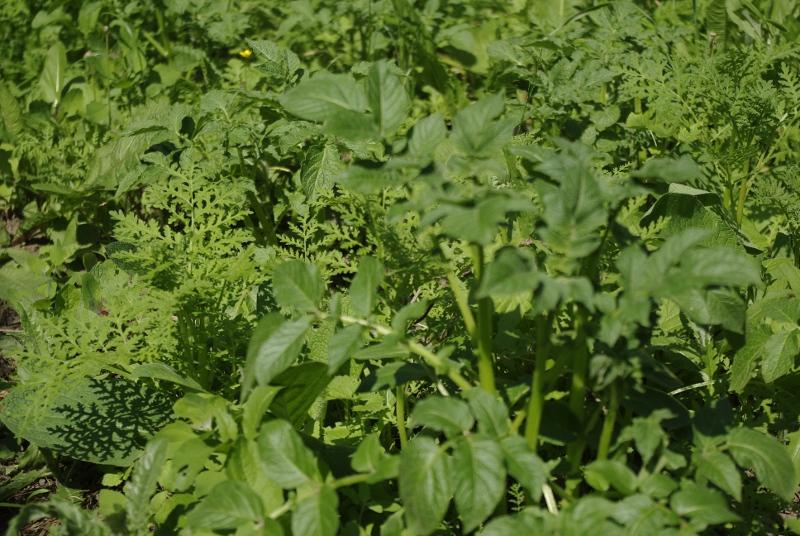
The best green manure for potatoes
Most often, these plants are used for growing potatoes.
Legumes
They enrich the soil with nitrogen and phosphorus, as well as humus and organic matter. Their effect on the soil is similar to that of manure, but they decompose much faster and require less of them.
Such plants include peas, lupines, clover, vetch, sweet clover, and alfalfa. Legumes are excellent precursors to potatoes.
Cruciferous vegetables
This family inhibits weed growth and enriches the soil with phosphorus. Their root system perfectly loosens the soil, helping to retain nutrients in the soil, preventing them from leaching. Mustard, rapeseed, rapeseed, and oilseed radish are used.
Cereals
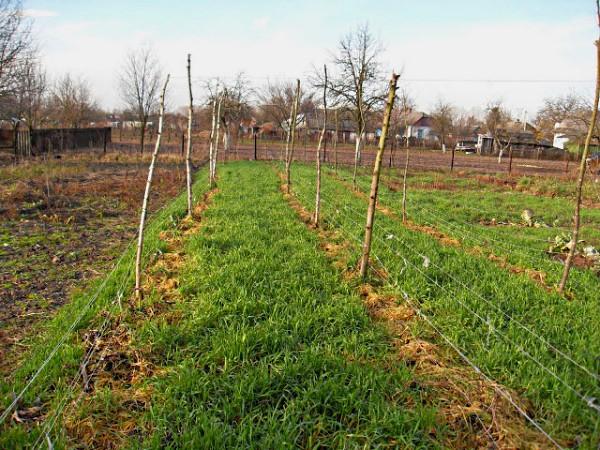
Cereals enrich the soil with vitamins and various beneficial elements. They increase soil acidity and enrich it with phosphorus and potassium. They also help control weeds and certain diseases, such as scab, root rot, and fungal diseases. Cereals are recommended for planting in poor and heavy soils. Commonly used cereals include oats, rye, barley, wheat, sorghum, and blue wheatgrass.
How to prepare the soil
Before sowing green manure, the soil should be thoroughly loosened and moistened. This preparation will ensure the plants develop fully and, consequently, will supply the soil with the required amount of nutrients.

When and how to sow correctly
Green manure can be planted in spring or fall. Each option has its own nuances.
Spring planting
In early spring, as soon as the snow melts, frost-tolerant crops, such as oats or mustard, are sown. Sowing occurs 3-4 weeks before planting potatoes. Green manure crops are harvested 2 weeks before planting potatoes. This is because the plants need time to rot. It's also important to remove them before they produce seeds.
Sometimes green manure is planted in the summer, after some other crops have been removed. It will protect the plants from overheating and moisture loss. It will also act as a living mulch. It can be planted in July-August.
Autumn planting
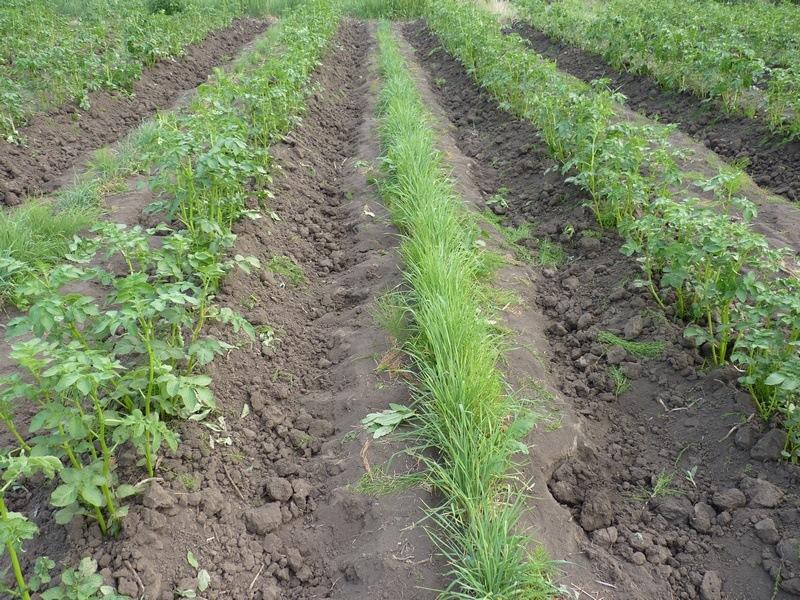
Fall green manure planting is done after the main crops have been harvested, around late August or early September. Rye or oats are suitable for this purpose. Once the plants have grown, they are cut down and left in the ground. Over the winter, the green manure rots and enriches the soil. After this treatment, potatoes can be planted in the spring without any additional fertilizer.
Before winter
Closer to winter, plants are planted to protect the soil from rainwater erosion, which can cause the soil to lose many nutrients. Green manure crops planted before winter also help prevent soil erosion.

Which green manures are not suitable for potatoes?
Don't plant green manure before vegetable crops from the same family. Such plantings can promote soil diseases.It's also best not to plant potatoes after sunflowers. They feed on the nutrients that potatoes need, while sunflower roots take a long time to rot in the soil.
Is it possible to plant if the soil is infested with pests and fungi?
If the area where you plan to plant potatoes is infested with pests or fungal diseases, don't rush. First, you need to "cure" the soil before planting the potatoes.
To achieve this, you don't necessarily need to resort to chemicals. Green manures can help solve this problem:
- Rye and wheat. They help destroy fungal pathogens and nematodes.
- Oats. Destroys root rot pathogens.
- Rapeseed. Excellent control of various garden pests and plant diseases, such as potato scab and rhizoctonia.
- White mustard. Prevents the accumulation of pathogenic fungi in the soil, reduces the risk of late blight and fusarium. The sulfur contained in its rhizomes also repels mole crickets, slugs, beetles, and wireworms.
- Rape. This plant is used to clear soil of nematodes, wireworms, and other soil-dwelling pests, as its roots secrete substances toxic to insects.
- Phacelia. Used to control caterpillars, locusts, nematodes, and wireworms.
- Sweet clover. Excellent repellent for wireworms and mice, and reduces nematode infestations.
- Lupine. This plant is a target for mole crickets and cockchafer larvae.
Important! When using green manure, alternate them, avoiding planting the same crop twice in the same spot. Otherwise, this will lead to the emergence of pests specific to that crop.
Green manure fertilizers are excellent tools that allow you to grow a bountiful harvest of potatoes and other crops without much effort or resorting to chemicals. The soil will be enriched with nutrients, while pathogens and pests will be destroyed.
Related posts:
 What are green manure crops and which ones are best for the garden, when to sow and bury
 Why potatoes aren't growing well in the garden, and what to do to ensure a bountiful harvest
 Which green manure crops are best for tomatoes and the rules for their use
 Description and treatment of potato diseases, methods of control using folk and chemical means
 What green manure crops should be sown for strawberries, rules and planting technology
 Which green manure crops are best to sow in the fall and how to properly incorporate them
 Description and treatment of potato pests, control measures
 Description of varieties of sowing peas and cultivation, to which family they belong
Take a look Also
