
- What does crop yield depend on?
- Potato planting rate per hectare
- Potato consumption
- The required amount of seeds
- Average yield per 1 ha
- Potato yield per 100 square meters
- Potato yield per hectare in different regions of Russia
- Growing technology
- Ways to increase potato yields
- Use of high-yielding varieties
- Optimal conditions
- Mittlider method
- Gülich's method
- Dutch technology
The average potato yield per hectare is 15-20 tons. This isn't much, and you can significantly increase your potato yield with certain adjustments. Yield depends on many factors: climate, soil quality, and fertilization. To ensure successful vegetable growth, you'll need to master all the intricacies and nuances of farming.
What does crop yield depend on?
When harvesting, every gardener dreams of increasing yields and getting a large amount of potatoes. But growing vegetables without much effort isn't so easy.
The following factors influence the yield rate:
- Climatic conditions of the gardener's region of residence.
- Soil quality indicator: potatoes grow well on sandy soils, but poorly on clay soils.
- A variety of crop that is grown in a home garden.
- The ability of potatoes to “resist” pests and diseases.
Caring for the crop involves fertilizing, watering, and providing the plant with the proper conditions.
Fertilizing with organic or mineral fertilizers can significantly impact yield. If the plant isn't frost-resistant, it will need to be covered to prevent the potatoes from dying.
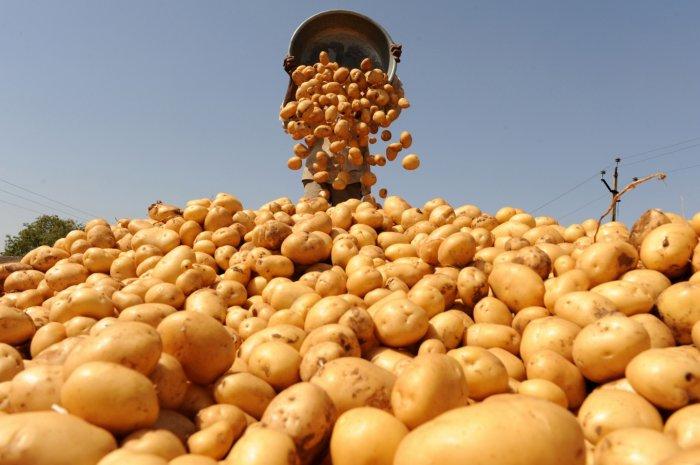
The following recommendations will help increase crop yield:
- You shouldn't plant vegetables in the same place for more than 3 years, as this depletes the soil and directly affects the quantitative and qualitative indicators of crop yield;
- adding fertilizers: compost, manure, bird droppings - all this will improve the soil characteristics and allow you to harvest a good crop;
- green manure or "predecessors" - help restore the soil, they are planted in the ground, then the resulting material is mown and dug up, green manure allows the soil to rest, and also attracts earthworms;
- The quantitative yield of a crop is also influenced by the planting material. For this reason, it is recommended to select potatoes carefully.
Getting a good potato harvest takes some effort. This vegetable only seems "undemanding" at first glance. But if you don't provide it with proper care, you won't get a good harvest.
Potato planting rate per hectare
The indicator largely depends on the size of the tubers; you will have to calculate it yourself, but you won’t have to do any complex mathematical calculations.
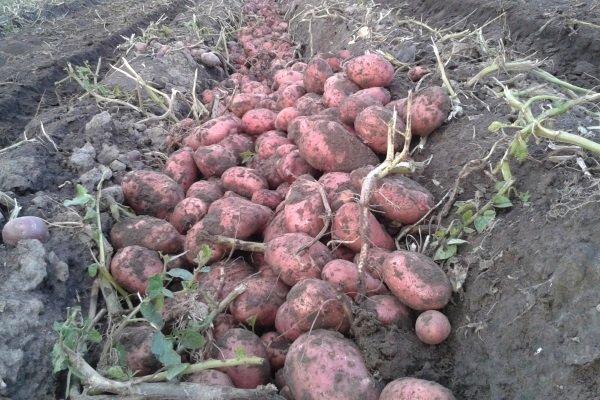
Let's try to determine the average:
- On average, 2-2.5 tons are planted per hectare.
- Choose potatoes with an average tuber diameter of 45-60 millimeters.
- If the tubers are smaller in diameter, 25-28 millimeters, then 1.5 tons of planting material will be required per hectare.
- When potatoes are planted manually, the distance between rows should be from 25 to 40 centimeters, and between rows – up to 90 centimeters.
But since planting an entire hectare of potatoes is extremely difficult, people often resort to modern technology, which automatically calculates the distance between rows.
Potato consumption
The amount of planting material required directly depends on the size of the tubers and the quality of the potatoes. Spoiled potatoes should not be used for planting, as they will not produce a harvest.
Please note: 2 tons is considered the average yield, but this can increase or decrease depending on the diameter of the tubers.
The required amount of seeds
Healthy, medium-sized tubers are used as planting material. Large and small potatoes are removed. If this is not possible, the gardener should remove the very small tubers and cut the larger ones into two or three pieces.
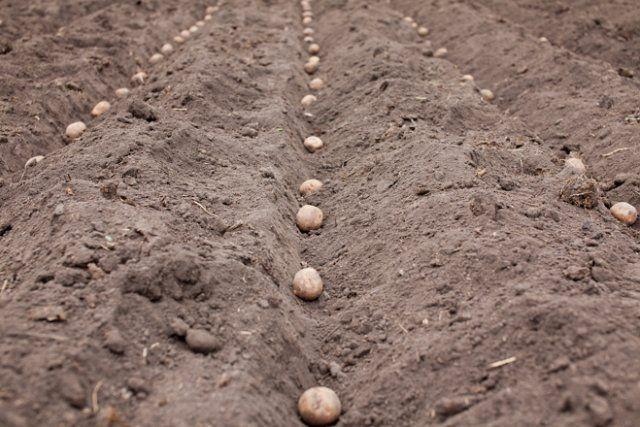
Poor quality material is removed, as it can ruin the entire harvest by infecting the planting with fungal diseases and pests.
Average yield per 1 ha
If you follow all the recommendations, you can harvest more than 20 tons, but even this figure is not considered the ultimate dream for gardeners. With proper care, record-breaking results can be achieved.
Potato yield per 100 square meters
The so-called "yield" from one hundred square meters depends on the circumstances, let's discuss them:
- If the soil in your garden plot is of poor quality, don’t expect a big harvest;
- The crop does not tolerate temperature fluctuations well; cold, drought and heat can destroy the harvest.
To get a large yield of potatoes in a small space, you'll need to pay special attention to the planting material. Gardeners recommend planting only potatoes that are about the size of a chicken egg.
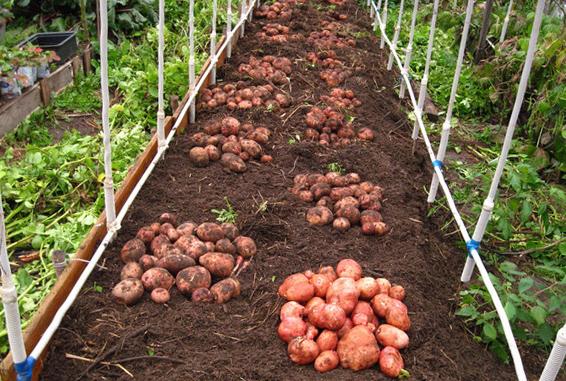
When it comes to crop yield, it varies; in our country, it is unlikely that you will be able to harvest more than 100 kilograms per hundred square meters.
Potato yield per hectare in different regions of Russia
It's difficult to predict what summer 2025 will be like, but in addition to weather conditions, each region has its own climate characteristics that should be taken into account when planting:
- Bryansk Oblast boasts the highest yields nationally. This region is considered a "champion" for yield. In a good year, one hectare can yield up to 230 centners.
- The country's central regions shouldn't be discounted either; for example, the Tula region has been reaping a decent harvest for many years. The record was set in 2016, when 250 centners of potatoes were harvested per hectare.
- Garden plots located in the Sverdlovsk, Moscow, and Leningrad regions traditionally yield a good harvest. In these regions, up to 200 centners can be harvested per hectare.
- The top ten also includes Chuvashia, Tatarstan, Udmurtia, and the Tyumen region. These regions of the country have favorable conditions for potato cultivation, as evidenced by their consistently high yields.

Growing technology
To harvest not only the first but also the second crop, you will have to follow these recommendations:
- Regular watering will help grow potatoes properly. Water the crop intensively during the growing season, when the tubers are forming, and then reduce the frequency of watering.
- Vegetables are planted in a sunny spot; they don't grow well in the shade of trees. Gardeners prefer level surfaces that receive good sunlight.
- To harvest two crops per season, you'll need to feed the plants. Fertilizers such as compost and cow manure are used. Potatoes are fertilized when planting, repeated after 10 days, and then reapplied when the crop begins to flower.
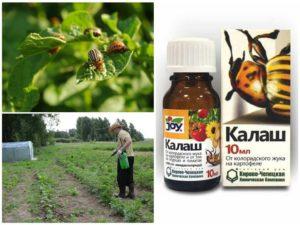
- It will be necessary to treat the planting and eliminate pests; for this purpose, various solutions (insecticides) are used.
Advice: Potatoes are grown on an industrial scale using modern technology. Manual labor is not practical when cultivating a hectare of planting.
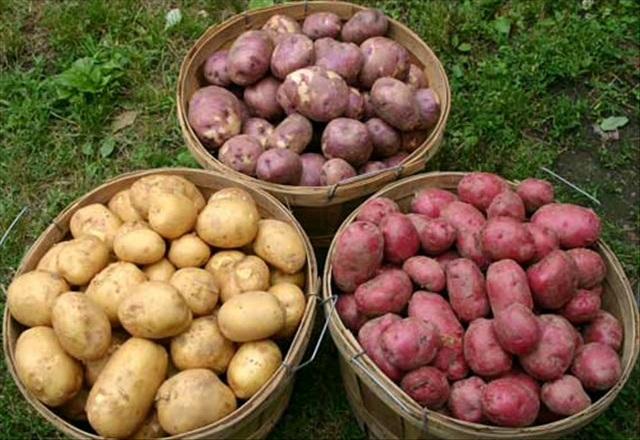
If a summer resident lives in Siberia, they'll only be able to harvest several potato crops if they grow them in a greenhouse. Early and mid-season varieties are preferred.
When the climatic conditions in the region can hardly be called favorable, then it will be necessary to:
- Choose a potato variety based on climate characteristics.
- Plant crops in a timely manner, having selected a location in advance.
- Fertilize the soil, monitor the quality of the soil.
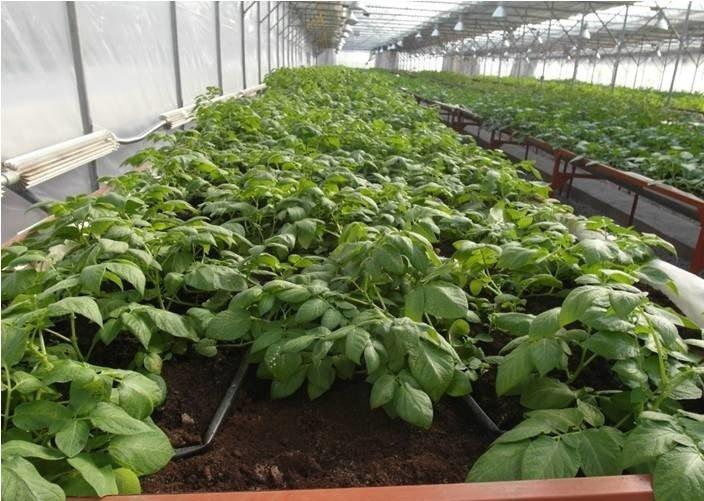
It's advisable to use green manure crops, as they will help the soil "rest." Green manure is sown after the harvest. Once the crop has grown, it is mowed, and then the soil is tilled. This procedure can be repeated in the spring.
Ways to increase potato yields
To get a good harvest, you'll need to spray your potatoes, hill them, and weed them. This is a standard set of plant care measures. But in addition to the above, it's worth learning some tricks well known to experienced gardeners.
Use of high-yielding varieties
To increase yields, gardeners turn to varieties that produce fruit actively. Mid-season and late-season varieties are preferred, but climate plays a significant role.
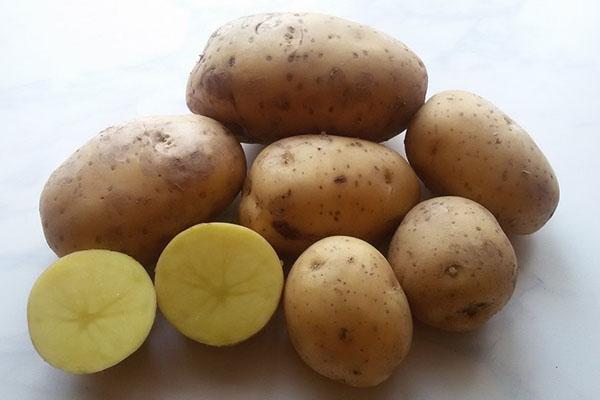
If you grow potatoes in the Central Belt, give preference to the following varieties:
- Gala;
- Red Scarlet;
- Russian beauty;
- Naiad.
Gala is considered a champion in productivity and is popular among gardeners. Planting material is readily available. The crop yields 200-260 centners per hectare.
Optimal conditions
To increase the yield, you will have to provide the vegetables with the proper conditions:
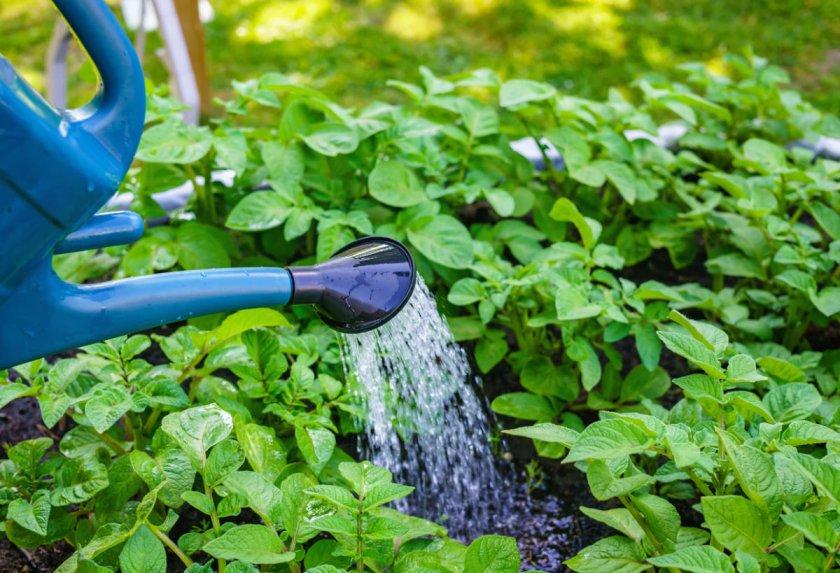
- Potatoes need good watering; it is advisable to use rainwater for this purpose.
- Weed the plants, hill them, remove weeds and pests.
- The crop needs sunlight and moisture; you will have to think about a drainage system if water stagnates in the soil.
Mittlider method
An interesting method for saving space. What's the gist of the technique?
- To obtain a large harvest, you will have to form beds 0.6 meters wide with passages of 1 meter between them;
- the beds are surrounded by earthen ramparts, which reduces the number of watering procedures;
- During the season, the crop is fed at least 3 times, while the bushes are not hilled.
The method allows for the cultivation of large quantities of potatoes, with the average yield increasing, and the maximum yield being 55 tons per hectare.
Gülich's method
The following method will help you achieve good results:
- The soil is divided into squares, one meter by one meter.
- Add humus to the soil and plant the plant (plant 1 large tuber).
- When it sprouts, fill it with loose soil in the middle so that the plant changes the angle of planting.
- The procedure is repeated after a week or two.
- When grown in a summer house, the results will be improved.
Dutch technology
It's gaining popularity and can improve crop yields. The technology is as follows:
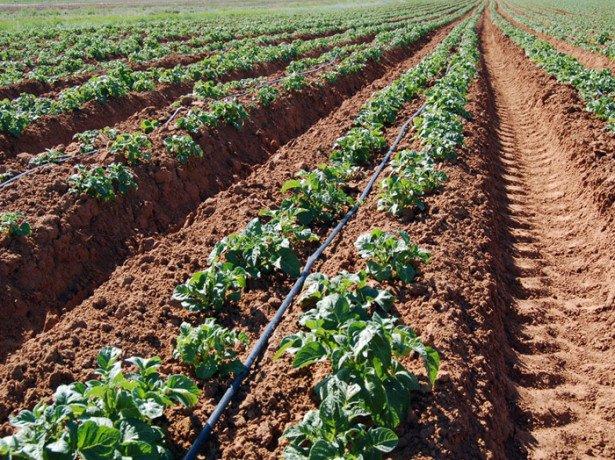
- the tubers are planted in ridges 25 centimeters high;
- a 65-centimeter gap is left between the rows;
- During the season the planting is watered only 3 times;
- After watering, the soil is loosened;
- Before harvesting, all the tops are removed 10 days in advance.
Note: Removing flowers during the budding period will improve results.
There are many methods that can alter yield to some extent. However, drastic experiments should be avoided, as they can ruin your crops. Potatoes require watering, fertilization, soil loosening, hilling (and not always), and weed removal. These tricks will help minimize the effort without affecting yield.
Related posts:
 Why potatoes aren't growing well in the garden, and what to do to ensure a bountiful harvest
 Description and treatment of potato pests, control measures
 Description and treatment of potato diseases, methods of control using folk and chemical means
 How to properly prepare planting material and when to plant potatoes to get a rich harvest
 The period of potato ripening from planting to harvesting, what is vegetation?
 35 Best Hot Pepper Varieties with Descriptions and Characteristics
 Description and characteristics of the Gulliver potato variety, planting and care
 Reasons why potato tops turn yellow and dry out, what to do about it, treatment methods, and protection