
- What to look for when choosing hot peppers
- Recommended crops for planting in open ground
- Chinese fire
- Fiery bouquet
- Thai dragon
- Adjika
- Jalapeno
- Indian elephant
- Hungarian yellow
- Early hot peppers
- Miracle of the Moscow Region
- Dragon's tongue
- Homer's Pepper
- Impala
- wit
- Elephant trunk
- Tula
- Mid- and late-ripening varieties
- Falcon's beak
- Vizier
- Astrakhan
- Ram's horn
- Cayenne
- Tabasco
- Crops for greenhouse conditions
- Shakira Pepper
- Red Fat Man
- What to choose for indoor growing
- Peter's finger
- Chilly Willy
- Indian summer
- Goldfinger
- Filius Blue
- Varieties of sweet and bitter peppers
- Chilean heat
- Elephant trunk
- Crown
- Yellow-fruited varieties
- Hungarian yellow
- Jamaican yellow
- The best variety for pickling
- Tsitsak
- Small peppers
- Coral
- Purple peppers
- Purple Bullet
When choosing the right hot pepper variety, keep in mind that this familiar spice can be spicy, hot, or bitter, and have varying ripening times. There are even indoor varieties that are incredibly bitter. To optimize your efforts and grow the right plant in your garden, familiarize yourself with the best hot pepper varieties and their properties.
What to look for when choosing hot peppers
There are over 3,000 varieties of hot peppers, so the choice is vast. Before planting a plant in your garden, consider the following:
- If you live in a northern region where the climate isn't particularly warm, growing this spicy spice may present some challenges. For hot peppers, the hotter and drier the climate, the better. This directly affects the bitterness of the fruit. If you plant the crop in northern latitudes, don't be surprised if the flavor profile is inferior.
- When choosing seeds, consider the SHU rating, which should be listed on the packaging. This rating will indicate the pepper's spiciness; the higher the SHU rating, the more bitter the pepper will be.
- When purchasing seed packets from a store, carefully examine their specifications; often, such "products" don't actually meet the stated requirements. Check with the seller and read reviews. This will help you avoid mistakes when growing your plants.
- If you plan to grow peppers outdoors, without a greenhouse, choose suitable varieties. Those that fully ripen in 90-100 days are best. Waiting longer will likely reduce your chances of getting a good harvest.
- Learn the proper plant care guidelines; this will help minimize effort and ultimately yield a good harvest. Don't forget about watering, fertilizing, and treating—these are general plant care recommendations.
- Check the quality of your soil and use purchased soil for planting seedlings; this will improve seed germination.
- Keep in mind that each variety has its own characteristics, including yield and early maturity.
Every gardener has their favorites—species they plant most often. So don't be surprised that some gardeners continue to cultivate certain varieties of vegetables and spices for years. Experiments can fail, but "old and tried" crops are unlikely to let you down.
Recommended crops for planting in open ground
Planting hot peppers in the ground rather than in a greenhouse can pose certain challenges. To avoid these problems and ensure a decent hot pepper harvest, we suggest compiling a ranking and identifying the best ones.
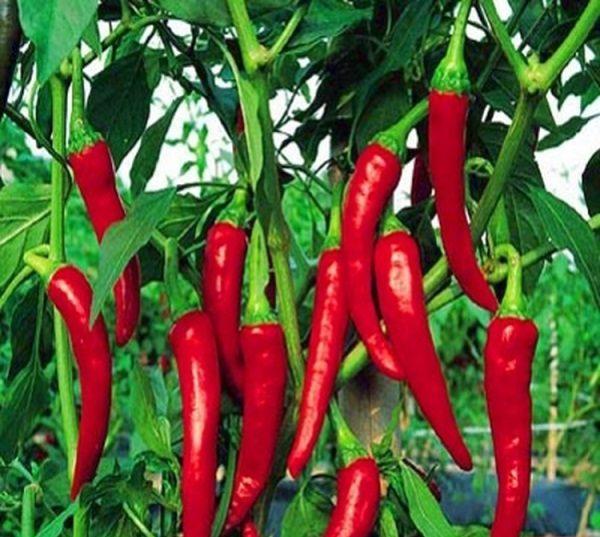
Chinese fire
Detailed description of the culture and its benefits:
- a bush 60 centimeters high grows on the site;
- it produces cone-shaped fruits weighing 70 grams;
- Peppers ripen quickly, from the moment the sprouts appear until harvesting takes 100 days;
- the plant has good immunity and is resistant to diseases and pests;
- one of the hottest varieties.
Fiery bouquet
When purchasing hybrid seeds, keep in mind that it has the following characteristics:
- The bright red fruit ripens on a powerful bush, 50 centimeters high.
- The peppers are cone-shaped and weigh up to 25 grams.
- They have an interesting taste – bitter, with a bright spicy aroma.
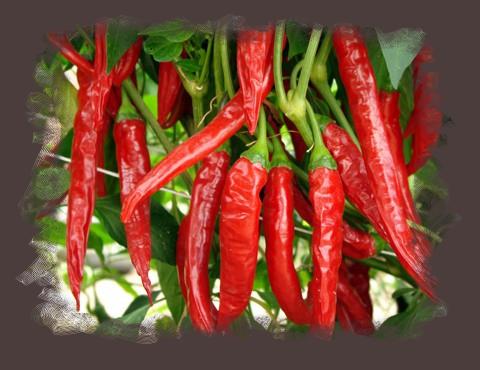
Thai dragon
You can grow this plant even on a windowsill in a pot, but if you plant it in the ground, the results will be surprising. Plant description:
- the bushes are tall and powerful, reaching a height of 1.5 meters;
- they are literally strewn with small but sharp fruits;
- their weight is 20 grams, the pod reaches 8-10 centimeters in length;
- The harvest can be collected 105 days after the sprouts appear or the seedlings are planted in the ground.

Adjika
This plant will surprise the gardener with the following characteristics:
- The bush reaches a meter in height.
- It pleases with the appearance of fruits with a bright red hue and a pleasant spiciness.
- The peppers are hot, and the variety is considered mid-season.
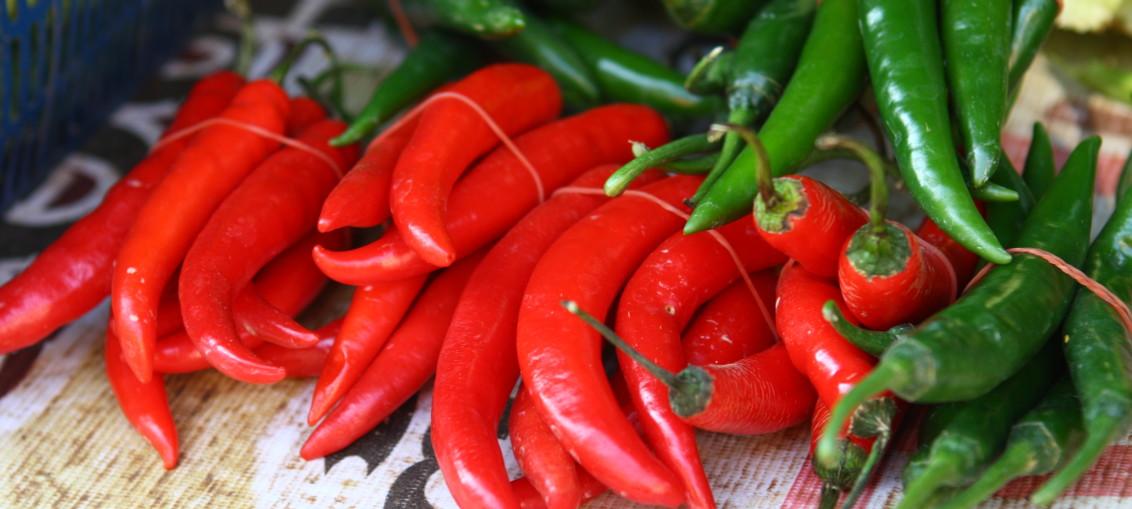
Jalapeno
Harvesting begins after 90 days. By this time, the peppers have turned red. They ripen on bushes up to 1 meter tall. They have good characteristics. The average fruit weight is 20 grams.
Indian elephant
The peppers' flavor isn't particularly hot, but rather mildly spicy. The peppers are large, weighing up to 40 grams. When ripe, they have an emerald hue, later turning red.
The plant bears fruit abundantly, but to avoid negatively affecting the yield, plant no more than 4 bushes per 1 square meter of area.
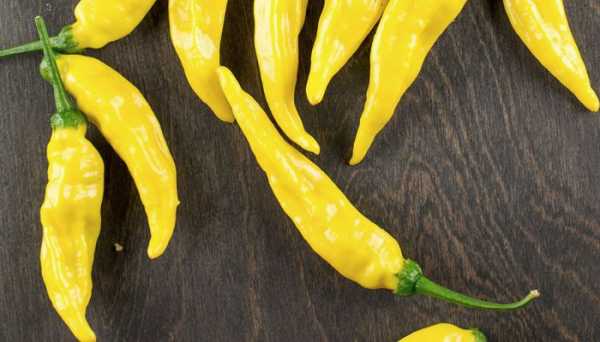
Hungarian yellow
The culture has a number of features and is distinguished by:
- compactness, the average height does not exceed 55 centimeters;
- Initially, plum-colored fruits form on the bushes; as they ripen, they acquire a yellow color;
- Peppers reach technical maturity after 105 days from the moment the sprouts appear;
- The crop loves moisture and bears fruit successfully with abundant watering.
Early hot peppers
These crops are pleasing because they yield early. Planting them in a greenhouse can increase their yield. These plants are frost-sensitive, so they are rarely planted outdoors, only in warmer climates.
Miracle of the Moscow Region
One square meter of planting can yield up to 4 kilograms of fruit. The fruits aren't particularly pungent, but they will surprise you with their distinctive aroma.
The bushes don't require any shaping, as they don't have many leaves. The number of peppercorns per bush doesn't exceed 20. They are large, up to 25 centimeters long and weighing up to 40 grams.
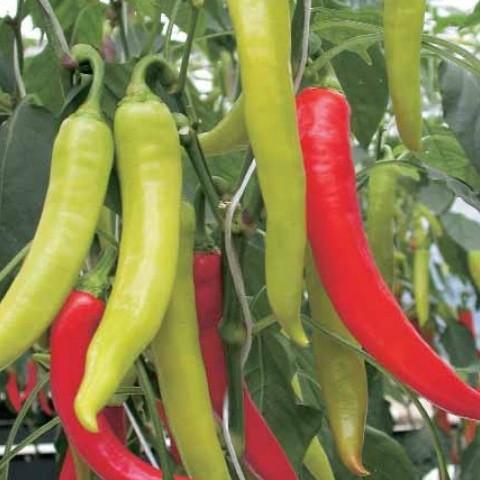
Dragon's tongue
This hot pepper with a pleasant aroma will delight and surprise you with its spiciness. The bushes are not particularly tall, reaching up to a meter. This variety is easy to grow and is suitable for beginners who haven't yet fully mastered the intricacies of vegetable care. Due to its unique characteristics, Dragon's Tongue is used commercially to create paprika.
Homer's Pepper
When planted in a greenhouse, it produces fruit actively from August to October. The fruits are mild and weigh up to 40 grams. Peppers of this variety are most often used for preserves, but they are also used as a seasoning.
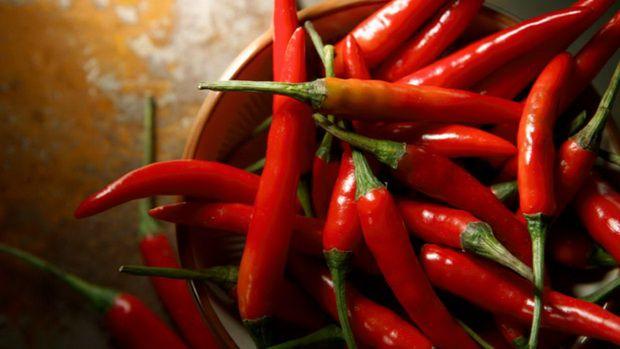
Impala
This variety can be characterized as follows:
- Compact bushes, 70 centimeters high, actively bear fruit.
- They produce cone-shaped peppers with a bright, spicy taste and pleasant aroma.
- The crop is resistant to diseases and pests, and also tolerates drought and heat well.
wit
Resistant to temperature fluctuations, it is planted in the ground and grown in greenhouses. It produces fruit vigorously, with the peppercorns growing upward. The bushes have a spreading crown and are quite resilient. It is drought-resistant, but insufficient light can cause crop failure.
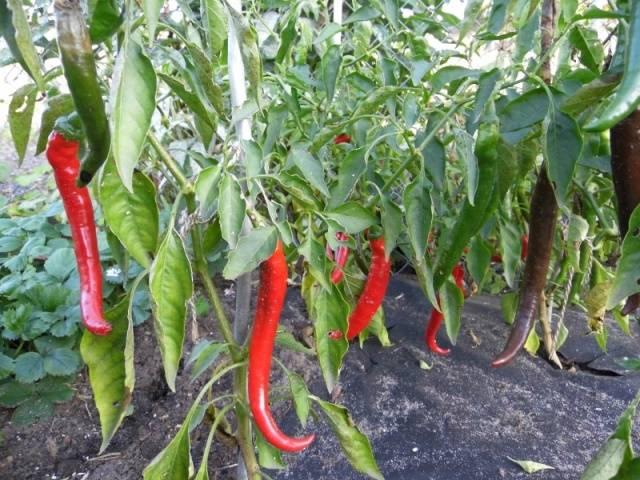
Elephant trunk
Suitable for greenhouses and hotbeds. The light green peppers turn scarlet when ripe. Elephant's Trunk is resistant to various diseases and is very easy to care for.
Tula
It bears fruit early and boasts a good yield. The plant produces large, fleshy peppers with a classic, spicy flavor.
Mid- and late-ripening varieties
Mid-season crops are considered versatile, meaning they can be grown both in the ground and in greenhouses. These vegetables are frost-resistant, but fluctuating temperatures can negatively impact yield.
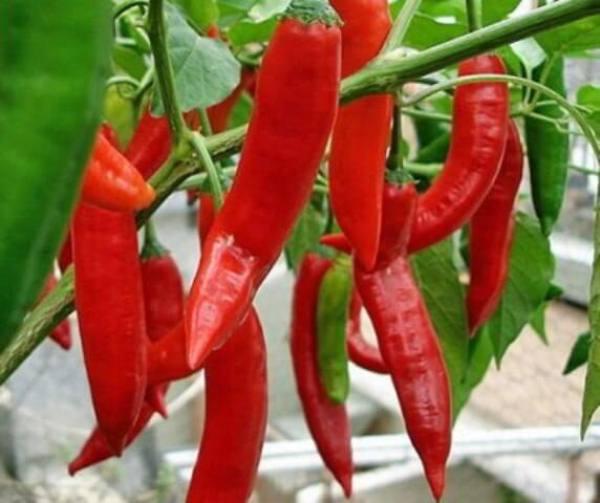
Late-ripening crops are suitable for regions with unfavorable climates. They take a long time to ripen, produce fruit vigorously, and are unlikely to be affected by inclement weather.
Falcon's beak
It's distinguished by its bitterness. It can be planted and grown indoors, as the bushes are very compact. The peppers produced on the branches are small, weighing up to 10 grams.
Vizier
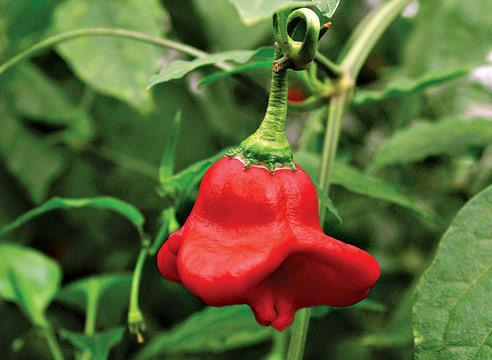
The fruits of this plant are used for preserves, dried, and used as a spicy seasoning. Vizier is grown indoors; it produces well and is sure to surprise gardeners with a bountiful harvest. This variety is considered late-ripening.
Astrakhan
It's distinguished by its pungent flavor; despite its late ripening period, the plant will surprise you with its yield. Its undemanding nature and tolerance to temperature fluctuations will delight gardeners.
Astrakhansky is suitable for cultivation in various climatic conditions, which does not significantly affect the fruiting process.
Ram's horn
The plant got its unique name from the bizarre shape of its pod, which appears to be twisted into a ram's horn. Vegetables of this variety are easy to care for and tolerate drought well, improving the flavor and making the fruit more pungent. The pungency diminishes with ample watering. If waterlogging occurs, the plant may die.
Cayenne
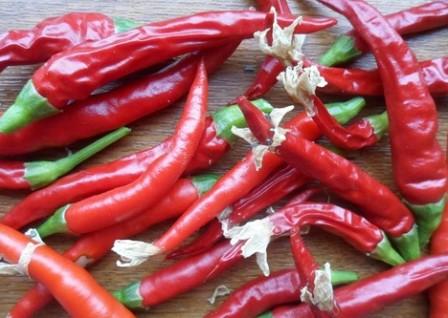
Used in the food industry, this variety is distinguished by its pungent flavor and pleasant aroma. During cultivation, the bushes will need to be tied up, and timely fertilization will increase yields. This variety is grown primarily in greenhouses; it is less suitable for open ground. Alternatively, it can be grown on a windowsill or in a pot.
Tabasco
Note: This variety is known for its sauce of the same name. The fruits are not large, and their pungent flavor makes them suitable for culinary use.
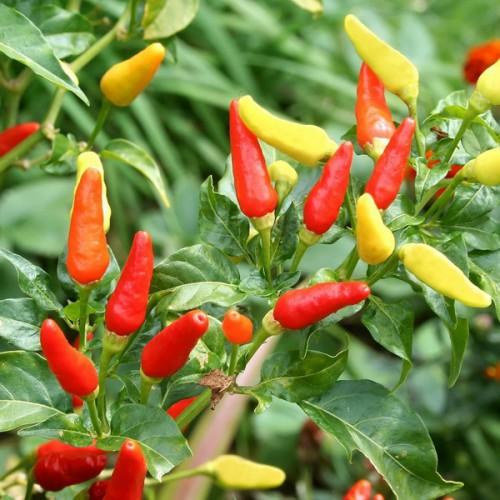
Let's get acquainted with the main characteristics of the variety:
- resistant to diseases and temperature fluctuations;
- productivity – high;
- The vegetable's pulp is juicy and fleshy.
Crops for greenhouse conditions
Growing peppers in greenhouses can yield a good harvest. This is especially true for crops that don't tolerate temperature fluctuations well and aren't particularly frost-resistant.
Shakira Pepper
Used primarily for pickling, the fruits are non-bitter and have a subtle aroma. The bushes reach half a meter in height. The peppers weigh no more than 50 grams, and the pod contains a few seeds. Shakira is a hybrid, and it appeared relatively recently.
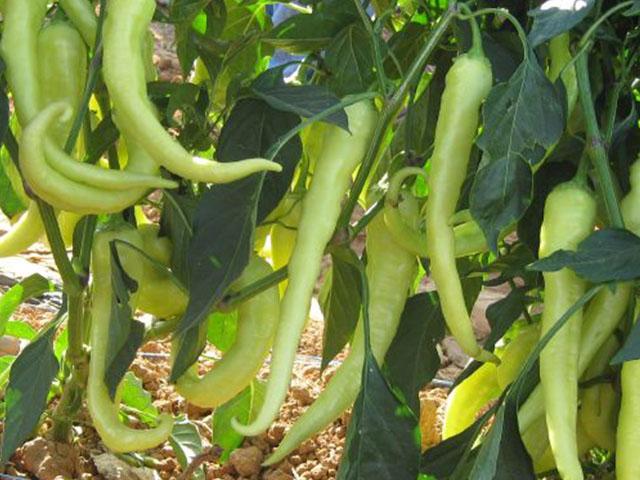
Red Fat Man
It has the following characteristics:
- The fruits are large in size, reaching a weight of 100 grams.
- The plant blooms for a long time – up to 5 months, for this reason it is grown in a greenhouse.
- In our country, the Red Fat Man is cultivated in the southern regions.
Advice: try growing the plant in a greenhouse, but follow all the rules and recommendations for care.
What to choose for indoor growing
It's no secret that vegetables can be grown without specialized conditions. This rule applies to hot peppers, as they can even be grown in pots. However, this doesn't mean you need to follow proper plant care guidelines.
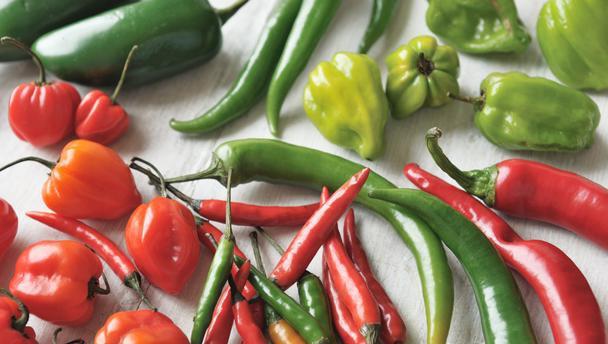
Peter's finger
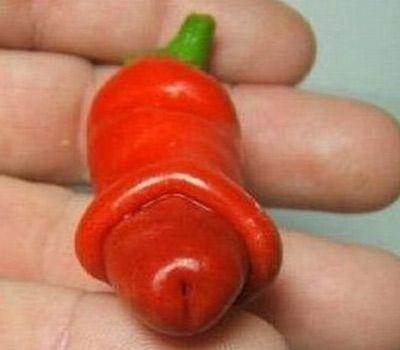
You'll be surprised by the finger-shaped fruit. This variety is classified as a hybrid and was developed in America. It's easy to care for, compact, and produces fruit beautifully even on a windowsill.
Chilly Willy
A rare and highly distinctive variety of hot pepper, distinguished by its remarkable characteristics. Seeds of this crop are extremely difficult to obtain in Russia. However, the plant produces small fruits with excellent organoleptic properties.
Indian summer
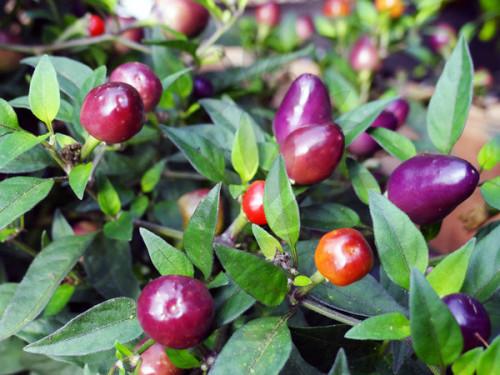
You can grow this vegetable on your balcony, in a box, or in a pot, and it will grow and bear fruit for several years. The small bushes, about 40 centimeters tall, are studded with peppercorns of various colors. When ripe, the red ones are eaten without heat treatment.
Goldfinger
It is primarily grown as an ornamental plant, and the fruits are not used. The plant is small, with the bush reaching 25 centimeters in height and the peppercorns small – up to 3 centimeters.
Goldfinger has an attractive appearance; its spreading bushes with a lush crown will decorate a loggia or windowsill in an apartment.
Filius Blue
This variety can bear fruit year-round indoors. The fruits have a purple hue, turning red as they ripen. The peppercorns are edible.
But in order for them to appear regularly on the bushes, you will have to provide the plant with the following conditions:
- water the crop regularly, but moderately;
- Avoid insufficient light, it can cause harm;
- Monitor air humidity.
Varieties of sweet and bitter peppers
There are also some that have specific taste characteristics, which attract gardeners and vegetable growers.
Chilean heat
It's used in cooking as a seasoning for sauces and meat dishes. The plant requires frequent watering, which should be done in the evening to prevent increased humidity.
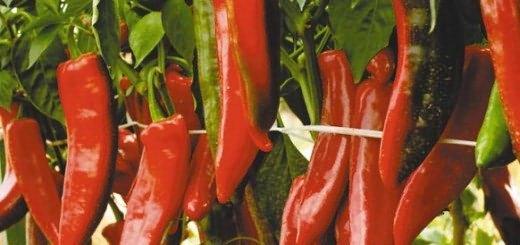
Characteristics of Chilean heat:
- It bears fruit well; the first peppercorns appear on the bushes after 100 days, which allows us to classify the crop as early maturing.
- The pods are small, glossy, and slightly curled downwards. They are no more than 20 centimeters long.
- Suitable for greenhouses and open ground, but it's best to plant seedlings. Seed germination is good.
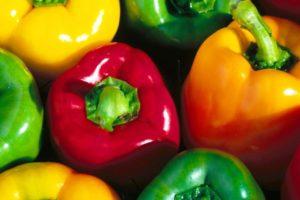
Elephant trunk
The variety of culture can be characterized as follows:
- medium-sized bushes rarely reach a height of 80 centimeters;
- actively bear fruit with proper care and maintaining air humidity;
- They have a pleasant aroma and taste, which allows the Elephant Trunk to be used for making preparations.
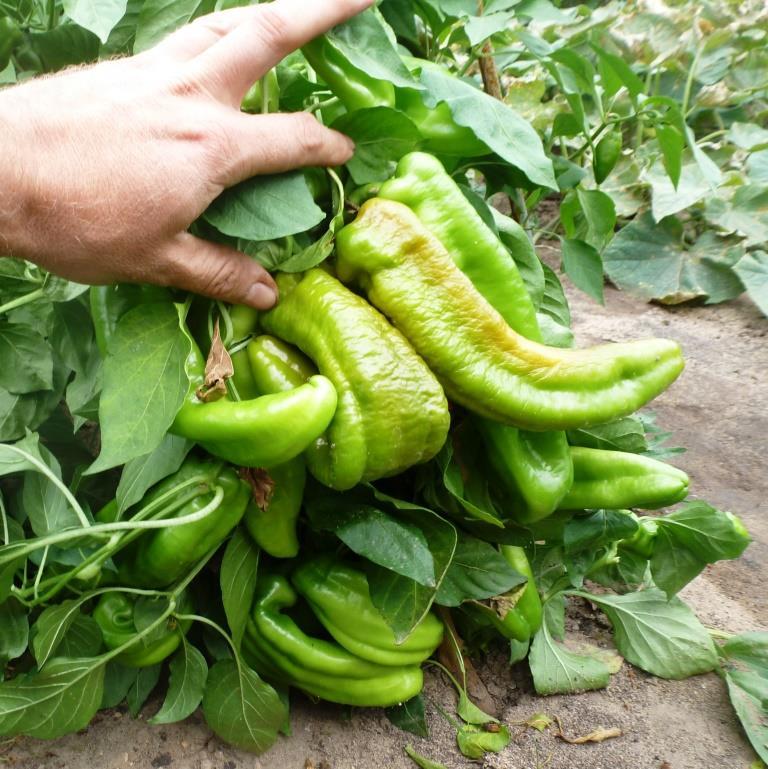
Crown
This plant will surprise gardeners with its interesting crown-shaped fruits. This mid-season pepper is suitable for both open ground and greenhouse cultivation. It boasts a high yield, with up to 50 peppers being harvested from a single plant. The flesh has a sweet, fruit-like flavor.
Yellow-fruited varieties
Vegetables of this color can also be grown in the garden; the shade does not seriously affect the organoleptic properties of peppers.
Hungarian yellow
The plant ripens early and produces a prolific crop. It's not particularly large. The fruit tastes sweet, with a distinctive piquant note. The peppercorns are shaped like a cone, growing downward.
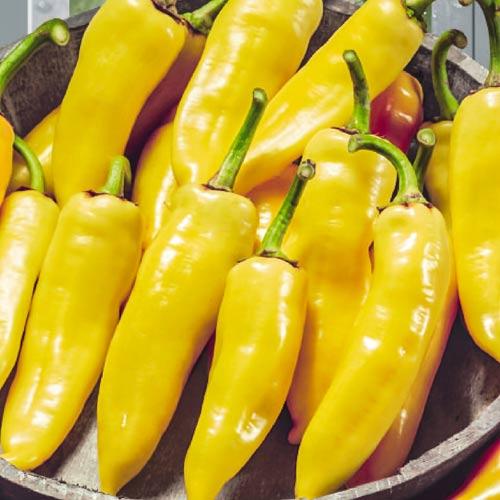
Jamaican yellow
The shape of the fruit and other properties of the vegetable will surprise you, let's study them:
- Suitable for planting in the ground, it can also be grown in a pot, but this significantly reduces the yield.
- The bushes reach a meter in height, bear a lot of fruit, and do not require special care.
- The taste of the fruits cannot be called pungent.
There's a variety of pepper that produces flat, red fruits. They taste spicy.
The best variety for pickling
Vegetables harvested from the garden are often used for preserves. Peppers can also be canned.
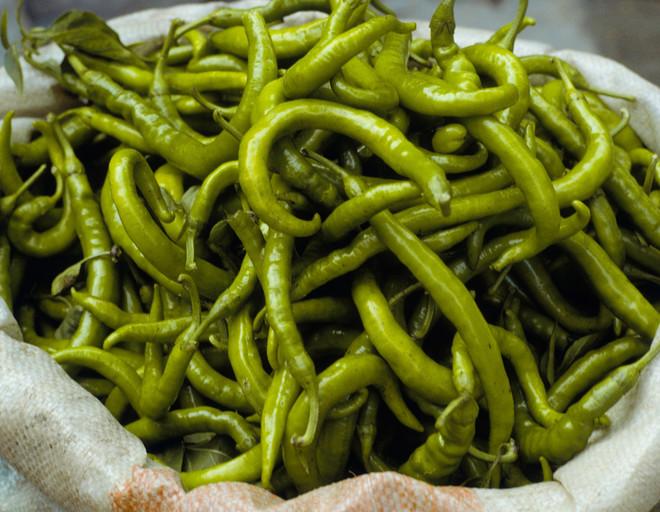
Tsitsak
This heat-loving crop requires careful attention and produces red fruits with a pungent flavor and distinct aroma. The bush grows to no more than 60 centimeters tall. Due to its characteristics, this vegetable requires regular fertilizing and moderate watering. Otherwise, the yield decreases. The peppercorns are harvested when they reach technical maturity.
Small peppers
These varieties are characterized by small fruits, which doesn't significantly affect their pungency. Among the cultivars, there's a clear leader. Let's take a look at its characteristics.
Coral
This variety of red pepper, with its small, pungent fruits, will delight you with a quick harvest. The peppercorns ripen quickly, reaching maturity in 80 days.
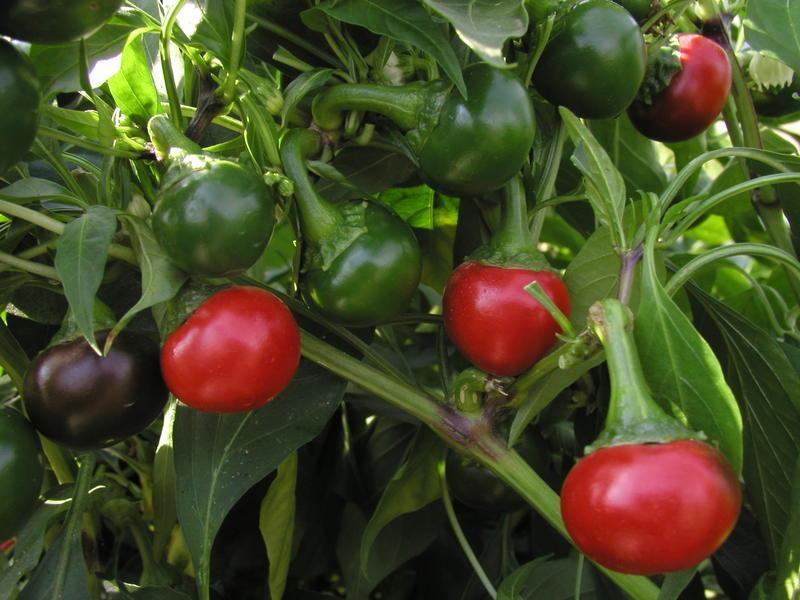
Let's list the virtues of a leader:
- taste characteristics that are at their best;
- can be planted in open ground, a greenhouse, or even grown on a windowsill;
- The decorative qualities of the bushes, the productivity and the pungency of the fruits attract.
Advice: it is better to plant seedlings, and carry out all procedures in mid-March, early April.
Purple peppers
Some crops exhibit this hue during their technical maturity, turning red as they reach biological maturity. But there are exceptions to this rule.
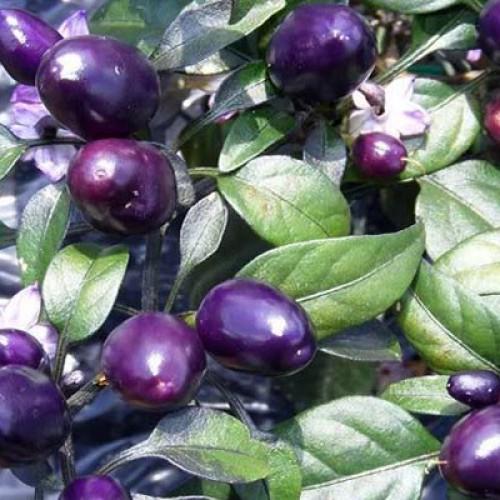
Purple Bullet
This variety, on the contrary, acquires a purple hue as it ripens, and when technically ripe, the fruits are red.
Features and characteristics of the Purple Bullet:
- Small peppercorns, rarely weighing more than 5 grams.
- They are “covered” by red leaves with a grey-green tint.
- The variety bears fruit actively, but the peppercorns that have reached full maturity tend to fall off.
- The bush rarely exceeds 70 centimeters in height.
- Purple Bullet can be cultivated in a garden, and it can also be successfully grown on a windowsill or in a pot.
There are various types of hot peppers, so to speak, "for every taste." This allows gardeners to choose the best option. They can plant the right plant, grow it, and reap a rewarding harvest.
Related posts:
 Description of the best pepper varieties for greenhouses and open ground in 2025
 40 Best Sweet Pepper Varieties with Descriptions and Characteristics
 The best eggplant varieties for growing in a polycarbonate greenhouse: planting and care
 Planting, growing, and caring for peppers in open ground in the Moscow region: the best varieties
 50 Best Carrot Varieties with Descriptions and Characteristics
 Is it possible to plant cucumbers and peppers in the same greenhouse? What are the pros and cons of planting them together?
 80 Best Eggplant Varieties for Different Regions with Descriptions and Characteristics
 The best grape varieties for growing in the Urals, planting and care rules in summer