
- Characteristics of the disease
- Pathogen
- How to identify blackleg in seedlings
- Causes of the disease
- Contaminated soil and seeds
- Too dense plantings
- Excessive moisture
- What danger does blackleg pose?
- How to combat pepper blight
- Application of potassium permanganate solution
- Treatment with copper sulfate
- Saving seedlings with baking soda
- A folk recipe using onion infusion
- We use the drug Fitosporin
- Preventive measures
- Reducing soil acidity
- Choosing the right place for planting
- Disinfection of open ground
- Preparing and hardening seedlings
Many gardeners who grow peppers in their gardens often encounter the problem of blackleg in pepper seedlings. In most cases, this disease affects young, immature shoots. Let's explore the causes of the infection, how to effectively combat blackleg in peppers, and what preventative measures should be taken to prevent infection in seedlings.
Characteristics of the disease
In most cases, black leg infestation occurs due to improper plant care, the use of soil that has not been cleared of parasites, excessive watering, and improper light and temperature conditions.
Pathogen
Blackleg is spread by soil-dwelling microbes. The disease is caused by saprophytic fungal spores of the Olpidium, Pythium, and Rhizoctonia genera, among others. They inhabit the upper layers of soil and feed on plant tissue. The fungi actively reproduce in greenhouse soil and hothouses, attacking any organic matter. They most often attack young seedlings.
In addition to fungi, blackleg can be caused by bacteria of the Erwinia species. These live in the upper soil layer and also feed on plant debris. Unlike saprophytes, Erwinia requires time to reproduce, so it is usually discovered on mature plants.
How to identify blackleg in seedlings
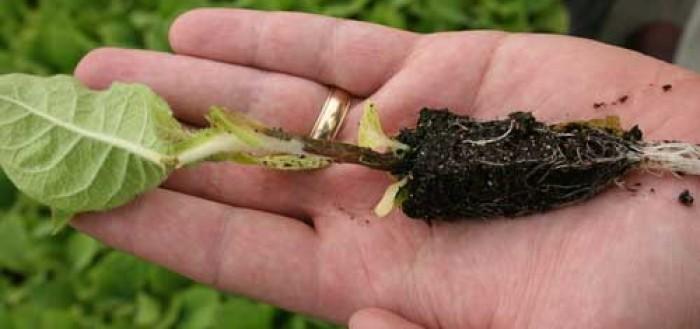
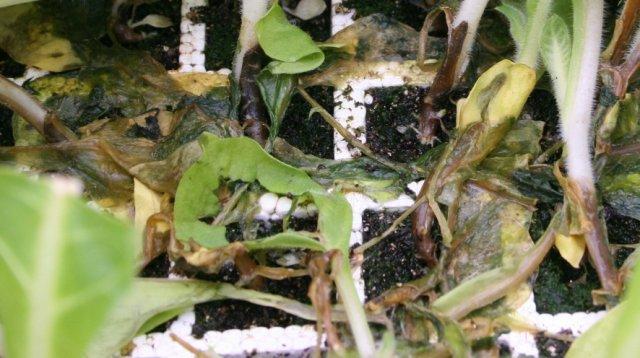
It's very difficult to detect blackleg in the soil before it affects young shoots. You can determine if your seedlings are already infected and treat them with antifungal agents promptly by the following signs:
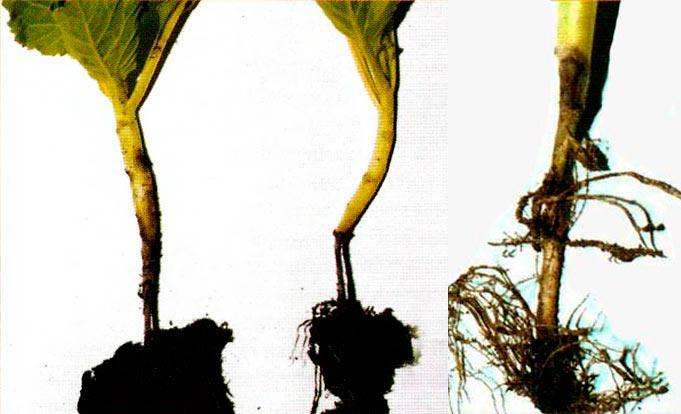
- the stem of the plant begins to become covered with black spots;
- the pepper stem becomes thinner and softer;
- the leaves are turning yellow;
- the plant becomes weak and begins to gradually die.
When attacked by saprophytes, the disease usually progresses slowly, with a small lesion. The fungus first attacks the injured roots, then moves on to healthy roots and the lower part of the stem. The stem doesn't always turn black; sometimes it turns dark green or gray.

Causes of the disease
The main causes of the spread of harmful microorganisms and black leg damage to peppers are contamination of the soil in which seedlings are grown, excessively dense plantings, and excess moisture.
Contaminated soil and seeds
The microbes that spread blackleg live in the upper layers of soil. Fungal spores are always present and multiply in the soil, and the biggest challenge is that the conditions in which seedlings are grown—high temperatures and greenhouse humidity—are precisely the most favorable for the spread of these microorganisms.

Too dense plantings
Planting seedlings too densely causes moisture to stagnate at the base of the plants for long periods. This stagnant moisture, in turn, encourages the development of blackleg. Therefore, it's important to thin the seedlings to prevent the infection from killing your crop.
Excessive moisture
Overwatering the soil will cause moisture to accumulate in the soil and not evaporate. Moisture is the main catalyst for the proliferation of fungal spores.
What danger does blackleg pose?
Blackleg doesn't cause much damage to a healthy, established plant. Fungal spores primarily attack young, weak shoots, gradually destroying them by feeding on dead plant tissue. Surviving shoots will produce significantly fewer crops than healthy plants.
How to combat pepper blight
The best way to prevent the disease from appearing in seedlings is to take timely preventative measures and prevent the spread of harmful microorganisms in the soil. But what if the seedlings are already infected? There are various methods for combating blackleg in peppers.
Application of potassium permanganate solution
At the first sign of a harmful fungal infestation, disinfect the soil with a 1% solution of potassium permanganate or copper-containing products. After this, avoid watering the plants for three days.
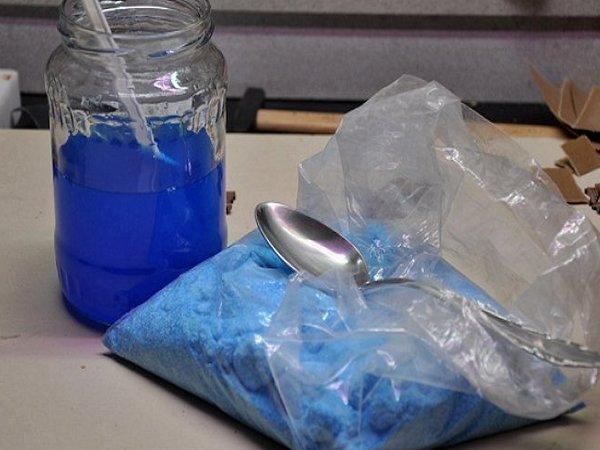
Treatment with copper sulfate
A good way to combat the disease is to treat the soil around the plants with a mixture of copper sulfate and wood ash at a ratio of 1 teaspoon per 1 cup. However, keep in mind that copper sulfate can be toxic to very young seedlings. Therefore, avoid this method if your seedlings are just beginning to sprout.
Saving seedlings with baking soda
In the early stages of the disease, treating seedlings with a baking soda solution is effective. Dissolve one teaspoon of baking soda in half a liter of cool boiled water and spray the plants and the top layer of soil with the resulting mixture using a spray bottle.
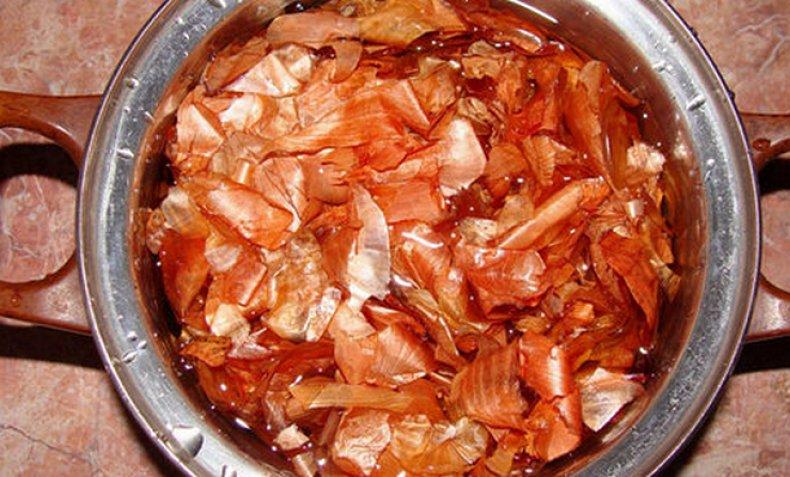
A folk recipe using onion infusion
A folk remedy made from onion peel infusion has proven effective for combating blackleg in peppers. To prepare it, pour a liter of boiling water over a handful of peels and let it steep for 24 hours. Spray the seedlings with the mixture three times every six days. The solution destroys harmful microflora in the soil and enriches it with beneficial microelements.
We use the drug Fitosporin
Fitosporin is an excellent remedy for combating infestations. This natural biological fungicide is one of the most effective products against fungal plant diseases.
It does not contain any chemicals, and when seedlings are treated with it, they not only gain immunity against infections, but also produce abundant harvests, as Fitosporin is able to stimulate plant growth.
Preventive measures
To prevent blackleg infestation of seedlings, it's important to take preventative measures promptly. Follow specific recommendations for seed and soil preparation. Plant infestation can be prevented by minimizing the risk of harmful microorganisms developing and multiplying in the soil.
Reducing soil acidity
In most cases, plants planted in highly acidic soil are susceptible to the disease. Therefore, to prevent blackleg, it's best to treat the soil with chalk, lime, or ash, thereby reducing its acidity.
Choosing the right place for planting
Begin sowing seeds when the room is warm enough. In cold temperatures, seedlings may develop slowly, and moisture evaporation will be inhibited, leading to increased blackleg development. Provide the seedlings with optimal light conditions, as a disruption to photosynthesis will also slow down moisture evaporation.

When growing seedlings, use pots made of peat and humus instead of wooden boxes—they significantly reduce the risk of blackleg infection. Plus, you can plant the seedlings directly into the ground without removing them, which will prevent damage to the plant's roots.

Disinfection of open ground
Before planting, treat the soil to eliminate harmful bacteria using potassium permanganate or products such as Baikal or Vozrozhdenie. You can also pour boiling water over the soil, but this will kill both harmful and beneficial microorganisms. After treatment, allow the soil to aerate for three days before planting.

Add Trichodermin to the soil – it is effective against various infections, including black leg, and is sold at affordable prices.
Preparing and hardening seedlings
First of all, to prevent blackleg in peppers, it's important to choose seeds wisely. Buy only high-quality varieties from reputable companies. It's best to use new varieties that already have a good reputation. Try to choose varieties that are resistant to blackleg.
Before sowing, it is recommended to soak the seeds in a potassium permanganate solution for 15 minutes and rinse with water. You can also treat the seeds with Fitosporin.All containers must be disinfected. Treat the pots with a potassium permanganate solution and wash them with soap and water.
Sow seeds in separate containers. This will prevent the infection from spreading to other seedlings if some of the seedlings become infected. If the seedlings are planted in a common container, carefully remove the affected seedlings and treat the remaining ones with ash.
Related posts:
 The best eggplant varieties for growing in a polycarbonate greenhouse: planting and care
 How to combat blackleg on cabbage and what to do for treatment
 Planting, growing, and caring for bell peppers in open ground
 Planting, growing, and caring for peppers in open ground in the Moscow region: the best varieties
 Why are pepper leaves turning white? What to do and how to feed them in a greenhouse and in the ground.
 Causes of pepper diseases in greenhouses, their description and treatment
 What is the best way to feed tomato seedlings to make them plump?
 What to do if your pepper's leaves turn yellow, watering and fertilizing rules, and disease control