
Before you begin growing peppers, it's worth understanding the plant's characteristics and choosing a variety suited to your specific conditions. The Kakadu f1 pepper, which has received mostly positive reviews, is a variety with fairly large, fleshy fruits of an unusual shape and a distinctive sweet flavor. This vegetable is suitable for greenhouse cultivation.
Appearance and main characteristics
The variety owes its name to its resemblance to a cockatoo parrot, or rather, its massive, elongated beak. Indeed, with its elongated, slightly curved shape, the pepper resembles a parrot's beak. The rich red color of the ripe fruits further justifies the comparison to the colorful bird.
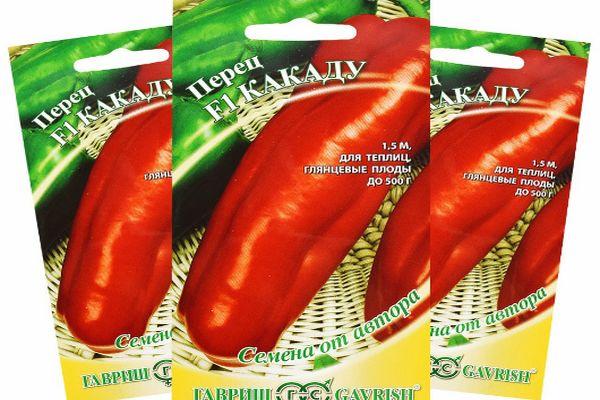
The Kakadu variety is considered a hybrid with a medium ripening time. It takes approximately 4-4.5 months from seed germination to the appearance of the first pepper fruits.
- Ripe fruits reach up to 30 cm in length and weigh up to 500 g, making this variety stand out from its competitors. The fruit walls are thick, reaching 0.8 cm.
- The bushes are spreading, with abundant foliage. They are considered quite tall, reaching a height of about 1.5 m, sometimes reaching up to 170 cm.
- This pepper has a distinctive, aromatic, and juicy flavor. Experienced gardeners report that the Kakadu variety clearly outperforms other varieties in terms of flavor.
- One bush yields an average of 2.5 to 3 kg of harvest. This is a very good indicator.
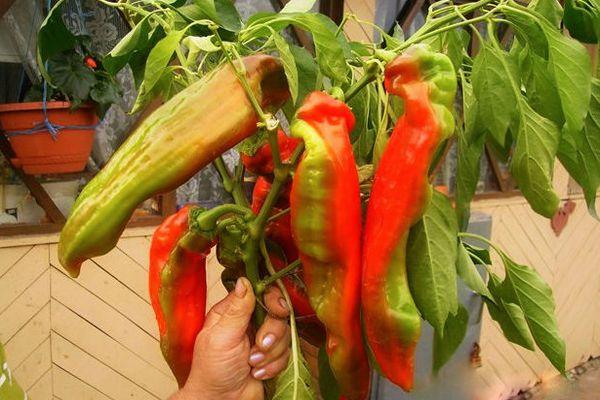
Peppers can be used in salads, canned or pickled.
Suitable for growing indoors, that is, in greenhouses.
The red Kakadu pepper, whose variety description and characteristics are provided by the seed producer and printed on the seed packaging, has a "relative" with a different color—the fruits in this case are yellow. The difference lies in its more elongated shape, but in terms of flavor and other qualities, this pepper is practically equal to its red "relative." By planting these two pepper varieties together, you can add variety to the color scheme of your garden. Beautiful ripe fruits in red and yellow will delight the eye.
Features of cultivation
The Kakadu pepper variety requires greenhouse cultivation. The growing season in a greenhouse is shorter than in open ground, so it's important to keep this in mind.
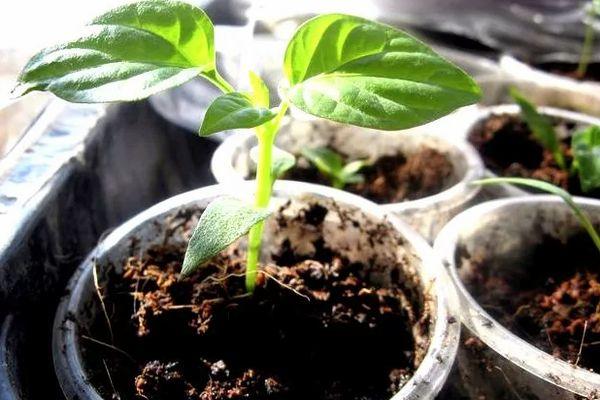
The hybrid Kakadu variety is grown from seedlings. At the end of winter, pepper seeds are sown in pre-prepared and fertilized soil.
The soil must be thoroughly loosened and sufficiently moistened. Fertilizers and regular feeding are essential to ensure normal development and growth of peppers. According to reviews, failure to comply with these conditions will negatively impact the size and taste of the future fruits. When choosing a fertilizer, keep in mind that chlorine is contraindicated for peppers. Avoid using additives containing chlorine.
Seedlings should be planted at a shallow depth. Rows should be spaced at least 40 cm apart. Bushes should be spaced approximately 1 m apart, but this can be reduced to 80 cm if necessary.
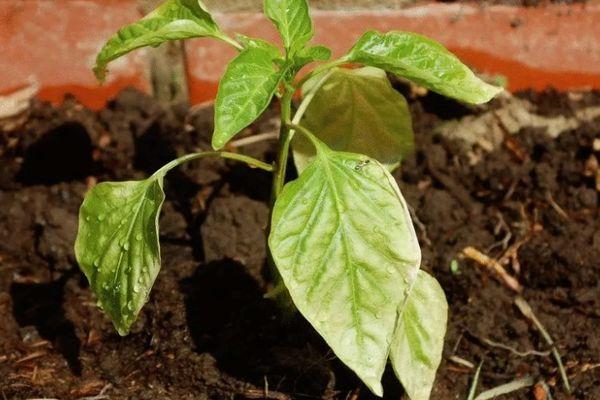
The bushes need to be tied up and trained. Initially, three shoots should be left; after 14 days, identify the weakest one and remove it, then tie the remaining two shoots together. You can use rope to tie the shoots together in a figure-eight pattern.
It is necessary to regularly identify defective and underdeveloped ovaries and remove them promptly.
It is also important to get rid of the lower leaves, the dying of which must also be carefully monitored and removed as necessary.
Maintaining the correct microclimate in the greenhouse is the key to an excellent harvest. On a clear, sunny day, the temperature should be maintained at +25 to +26°C, and in cloudy, cool weather, +20 to +22°C. The temperature in the greenhouse should not be allowed to drop below +17°C at night.
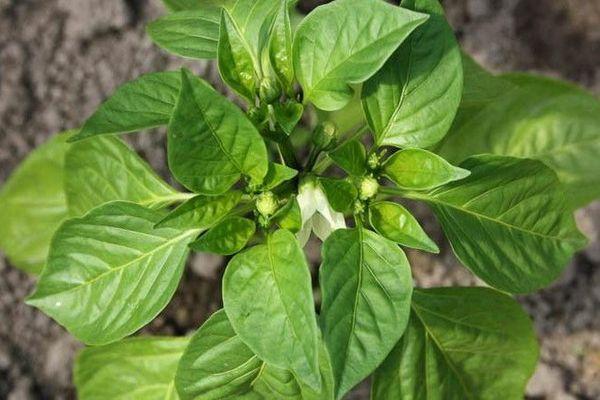
Humidity control in the greenhouse is essential. Incorrect conditions can lead to growth problems and deformed pepper fruits. Initially, soil moisture should be maintained at 70-80%. As the peppers begin to actively ripen, this level can be increased to 80-90%.
It's important to maintain humidity in the greenhouse at least 70%. Insufficient humidity can lead to blossom-end rot, which should be avoided under any circumstances. Ventilation of the greenhouse is also essential for growing a healthy crop.
Diseases and pests
Peppers aren't very susceptible to various diseases; the main thing is to follow the proper care and cultivation guidelines. However, the hybrid can sometimes become infected with a dangerous disease called late blight. A preventative measure against this disease is treatment with Bordeaux mixture. This should be repeated every 10 days during cooler weather and increased humidity. If the pepper does become infected, immediate treatment with disease-fighting products, such as Barrier, is necessary.

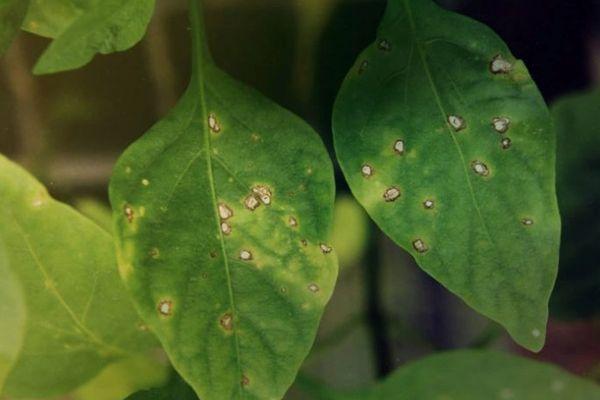
Blossom-end rot can cause a lot of damage and lead to serious consequences. If infected, thoroughly treat everything in the greenhouse—plants, soil, and the structure itself—with copper sulfate.
Natural pests of peppers include spider mites and aphids. Special pesticides, such as Malathion, can help combat this problem. Overall, this crop requires strict adherence to care guidelines, which in itself is an excellent preventative measure against potential diseases.
The Kakadu pepper variety's excellent characteristics make it a safe choice for greenhouse cultivation. A bountiful harvest will be a worthy reward for the time and effort invested.
Related posts:
 Description of the best varieties of ornamental peppers, growing and caring for them at home
 TOP 40 New Year's 2020 Meat Recipes Using Pork, Beef, Chicken, and Lamb
 TOP 40 Hot Dish Recipes for New Year 2020: What to Cook
 Planting, growing, and caring for peppers in open ground in the Moscow region: the best varieties
 Description of the best pepper varieties for greenhouses and open ground in 2025
 10 simple Armenian-style pickled hot pepper recipes for the winter
 TOP 20 delicious recipes for preparing bell peppers for the winter
 How to grow peppers from seeds at home: choosing a variety, planting, and care
I always fertilize the seedlings with "BioGrow"It allows the root system to quickly strengthen. The product comes with detailed instructions, so there shouldn't be any questions about its use.